 Vietnamnet.vn

 Podcast



According to the Southern Regional Hydrometeorological Station, weather patterns across southern Vietnam are expected to undergo significant changes in the final months of 2026 and early 2027 under the influence of El Nino.
Rainy season to end early as rainfall declines
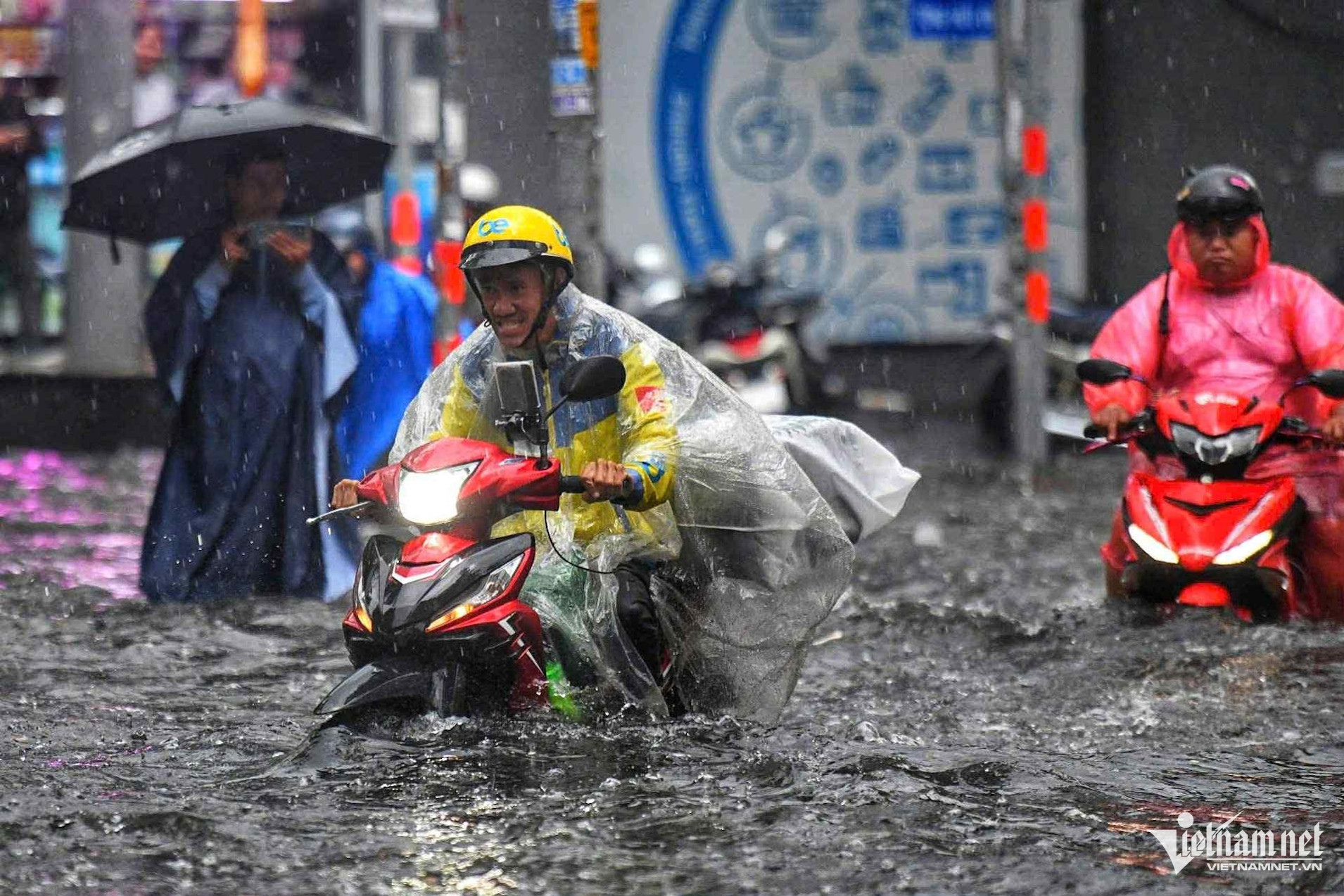
Forecasters predict that the rainy season in southern Vietnam could end around 10-15 days earlier than the long-term average, likely during the first half of November 2026.
In November, the region is expected to experience approximately 7-15 rainy days. This figure could decline to 4-10 days in December, with only 2-7 days of scattered rainfall forecast for January 2027.
Total rainfall over the three-month period is expected to be 5-20% below the long-term average.
Tay Ninh, Ho Chi Minh City and Lam Dong are among the areas facing a particularly significant risk of rainfall shortages.
The decline in precipitation will not only bring an earlier end to the rainy season but also increase the risk of water shortages during the approaching dry season.
Temperatures could exceed 38°C during peak dry season
Alongside declining rainfall, temperatures across southern Vietnam are forecast to rise in the coming months.
From November 2026 to January 2027, average monthly temperatures could be 0.5-1°C above the long-term average.
However, relatively strong cold air activity is expected to prevent temperatures from rising sharply during this period.
Daily highs will generally range between 31°C and 34°C, although some days could see temperatures climb above 35°C.
From February to April 2027, southern Vietnam will enter the peak of its dry season.
Unseasonal rainfall is expected to become extremely rare, while sunshine will intensify and hot weather will become more frequent.
Notably, March and April 2027 could bring prolonged periods of intense heat, with temperatures commonly reaching 35-38°C and potentially exceeding 38°C in some areas.
The rainfall and temperature forecasts for the coming months are intended to help residents and authorities prepare appropriate response measures, adjust production activities and manage water resources more effectively.
Early planning will be essential to limiting the adverse impacts of the 2026-2027 dry season.
Bao Anh
.svg)
