 Vietnamnet.vn

 Podcast


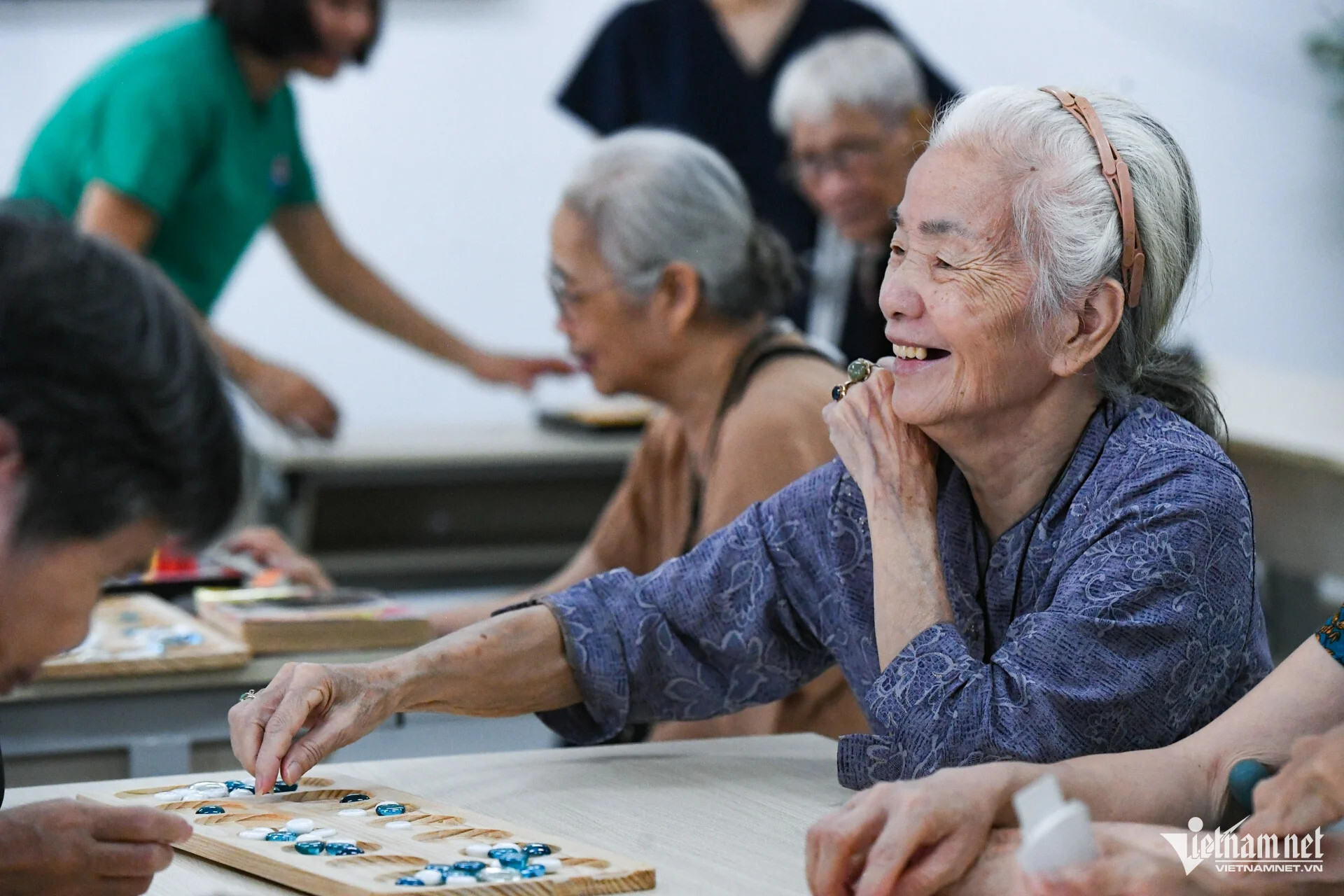
Elderly care does not necessarily require building massive new facilities. Vacant ward offices in Vietnam could be renovated and set up as community-based senior day-care centers.
Recently, during a discussion on elderly care, General Secretary and President To Lam introduced a practical concept: senior citizens need not move permanently into nursing homes, but can use local community spaces where children drop them off in the morning and pick them up after work. There, seniors can interact with peers, exercise, read, enjoy music, and participate in cultural activities.
Vietnam is entering a rapid population aging phase alongside shifting family structures. Multi-generational households living under one roof are becoming increasingly uncommon.
Many elderly individuals remain healthy, mobile, and reluctant to leave their familiar homes for permanent residential care. However, when children leave for work, homes become empty, leaving seniors isolated with televisions or smartphones, lacking immediate assistance during medical emergencies.
Providing a nearby morning gathering place for gentle exercise, reading, chess, and socializing - and then returning home for dinner - offers immense social value.
Administrative restructuring has left many local administrative buildings vacant. Connecting these surplus public real estate assets with growing elderly care demands offers a clear opportunity.
Former district administrative facilities served 200,000 to 300,000 residents; following boundary realignments, several ward offices remain underutilized despite good structural condition. Unused public buildings risk gradual deterioration, causing asset waste.
Meanwhile, local demand for senior social spaces and day care continues to surge.
Instead of allocating heavy capital to construct new nursing institutions, local authorities can survey and repurpose vacant ward or commune offices into semi-boarding senior facilities.
This represents a practical public asset conversion model: turning surplus infrastructure into direct social welfare facilities.
Depending on population scale, each ward or commune could operate one or more sites. Seniors arrive in the morning, participate in structured day activities, enjoy lunch, rest, and return home by late afternoon.
This model is especially beneficial for lower-income families and pensioners unable to afford private nursing homes, which are often located far from city centers due to land costs. Establishing local Vietnam senior day care centers in neighborhood wards reduces travel burdens and expenses significantly.
A community-based welfare model, not a luxury service
These facilities should not operate as high-end nursing homes or purely profit-driven commercial enterprises. They must function as grassroots social welfare institutions operating on a semi-boarding basis with state support and community involvement.
Financial mechanisms should remain balanced: users contribute reasonable fees based on capability, local governments provide facilities and partial operational subsidies, while social organizations, enterprises, and donors contribute support.
Human resources do not require complete external recruitment. Every ward hosts retired doctors, nurses, and medical staff willing to offer voluntary health monitoring and first-aid guidance. Retired teachers can organize reading clubs and intellectual games, while young volunteers with artistic or musical talents host recreation sessions.
Defining governance and administrative roles
Organizing and managing Vietnam senior day care centers requires clear division of responsibilities. Ward and commune authorities should serve as lead focal points, surveying demand, allocating properties, establishing operational standards, and supervising service quality.
Localities can explore public-service bidding mechanisms or commission operating entities under controlled fee caps matching public affordability. Designated operators must commit to care quality, staffing standards, hygiene, nutrition, and emergency procedures.
State management oversight must remain clearly defined, ensuring public assets convert effectively into long-term Vietnam senior day care centers without shifting complete management to private operators.
If organized properly, with reasonable fees and guaranteed care quality, this model will be welcomed by many families. For children who have to work all day, knowing that their parents have a place near home for daily activities, with support and friends by their side, is a great source of peace of mind.
For the elderly, it is not about being taken out of the family, but about having an additional daytime home where they can meet others, stay active, and live more joyfully - then return to their children and grandchildren in the evening.
Elderly care does not necessarily have to begin with large-scale projects or costly investments. Sometimes, it can start with an old ward or commune office building that is surveyed, renovated, and opened for the right purpose.
A public asset used effectively, a social need met, a family relieved of worry, and an elderly person gaining more joy each day.
Quoc Phong

