 Vietnamnet.vn

 Podcast



After a year of groundwork, Vietnam’s Ministry of Ethnic and Religious Affairs is entering the critical acceleration phase of Project 06 in 2026. At the annual conference of the Ministry’s Steering Committee for Science, Technology, Innovation, and Digital Transformation, Minister Dao Ngoc Dung emphasized the urgency of shifting from planning to measurable results, with the year 2026 marking a decisive phase of implementation.
The January 5 meeting, held on the first working day of the new year, gathered senior officials including Nguyen Huy Dung, member of the Central Steering Committee for Science, Technology, and Innovation, and Colonel Tran Hong Phu from the Ministry of Public Security. It reviewed progress made in 2025, addressed current challenges, and set priorities for the year ahead.
From mindset to data integrity: The shift begins
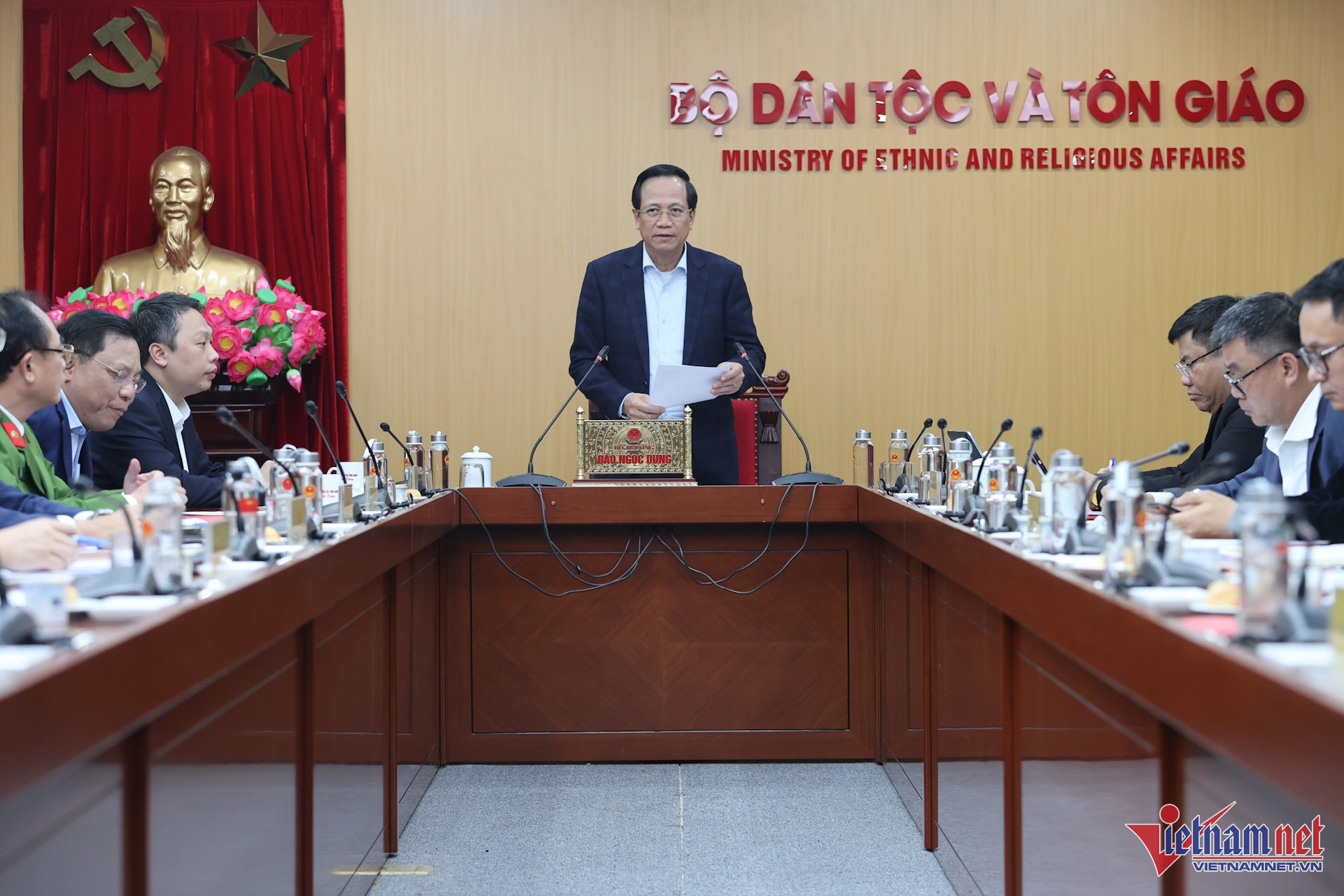
Minister Dao Ngoc Dung noted that a fundamental shift in mindset had occurred across the Ministry. Digital transformation, once seen as the domain of specialized units, has now become a shared responsibility. More departments are actively engaging with technological change, while outdated, fragmented data systems are being replaced by efforts to build clean, accurate, and interoperable data structures.
From a central government perspective, Nguyen Huy Dung highlighted the Ministry’s progress in Q4 of 2025-particularly in institutional development, funding disbursement, and routine implementation. He praised the Ministry’s close collaboration with the Ministry of Public Security, particularly in ensuring data safety and standardization.
Colonel Tran Hong Phu reported that the Ministry had proactively cleaned input data and begun leveraging national citizen databases to streamline administrative procedures. Many services in the religious sector are now available through the National Public Service Portal, significantly reducing paperwork and wait times.
The Ministry has already completed the system architecture and all 21 required functions for the religious data platform. Integration with national databases like VNeID is underway, and four additional databases mandated under Resolution 71/NQ-CP are being developed for completion by the end of 2026.
Challenges and unfinished work ahead
Despite encouraging results, key officials voiced concerns over unfinished work. Deputy Ministers Nguyen Hai Trung and Y Vinh Tor stressed that data related to ethnic minorities-due to its complexity and diversity-poses greater challenges than religious data. Discrepancies between central and local data systems remain, especially at the grassroots level.
FPT IS Operations Director Than Minh Ngoc shared that when the company began work five months ago, it found the Ministry's digital maturity still low. However, consistent guidance and cross-agency cooperation have yielded significant progress.
Strategic roadmap: The three pillars for 2026
Minister Dao Ngoc Dung declared 2025 the starting point and 2026 the year of acceleration. “We must move from planning to product, from tracking progress to evaluating impact, from having done something to doing it completely,” he said. He also introduced the “4 real, 6 clear” directive: real talk, real action, real results, and real benefits to citizens; with six clearly defined elements-what, who, when, where, how, and accountability.
Deputy Minister Nguyen Hai Trung outlined critical lessons from 2025: reward and discipline mechanisms, the need for strong leadership, structured implementation plans, support from upper-level agencies, and a responsive core team.
Looking ahead, Nguyen Huy Dung urged a balanced approach across three strategic pillars: science and technology, innovation, and digital transformation. Unlike in 2025, when digital transformation dominated the agenda, all three should receive equal focus moving forward.
For science and technology, he suggested developing AI-powered tools to translate languages spoken by Vietnam’s 54 ethnic groups. Minister Dung emphasized that only through technology can Vietnam scale cultural preservation efforts effectively.
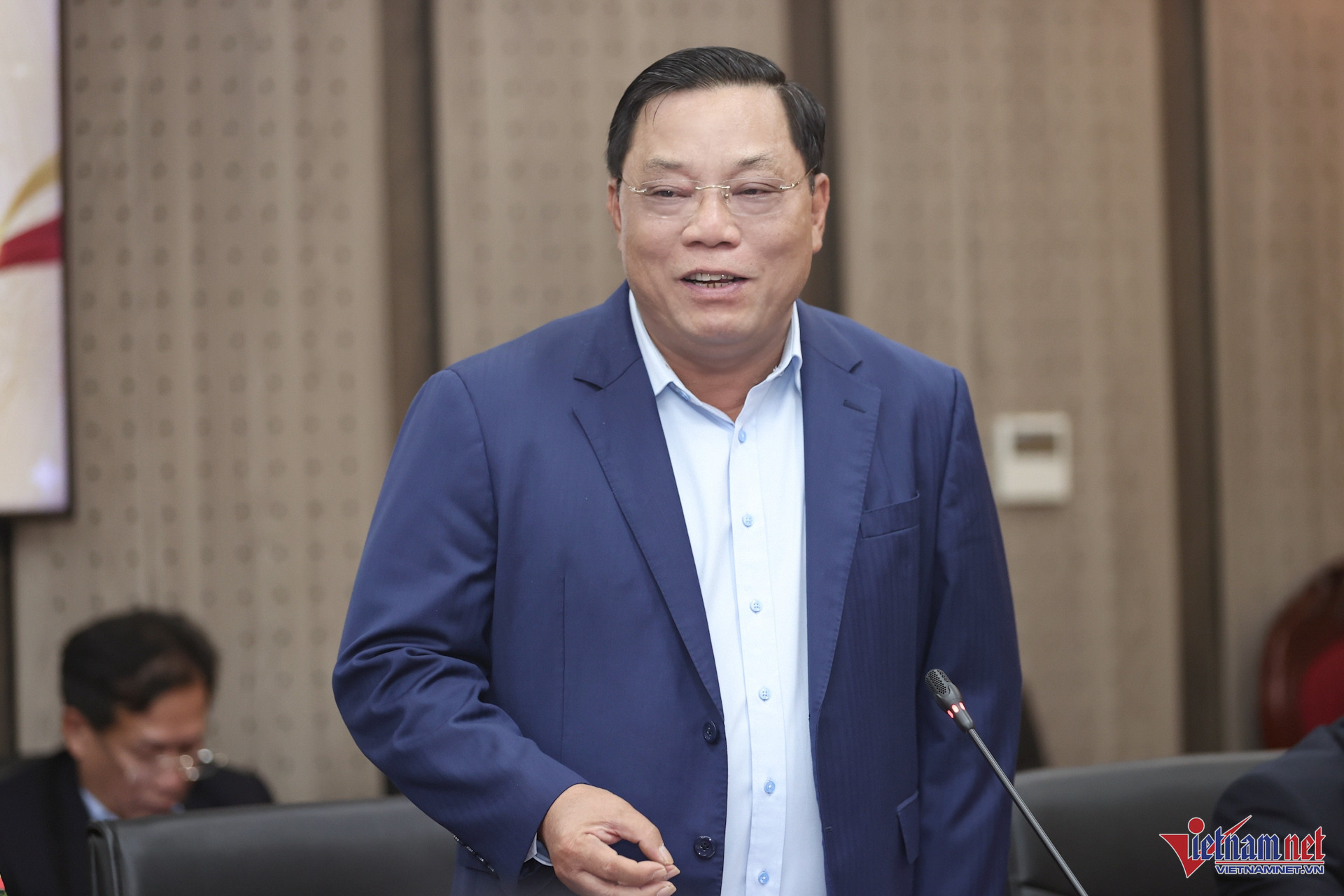
On the innovation front, Nguyen Huy Dung proposed economic models tailored to remote communities, such as high-quality agriculture and community-based tourism, implemented via a “three stakeholders” model-government, academia, and enterprise.
He also called for disaster-resilient innovations, such as using drones to deliver emergency supplies. “We must rehearse these models before disasters hit,” he said.
For digital transformation, the Ministry aims to complete its ethnic and religious databases, streamline 25 high-demand public services, and unify its administrative service systems. Colonel Tran Hong Phu stressed the sensitivity of such data and called for strict compliance with national data governance principles: accuracy, completeness, cleanliness, real-time updates, consistency, and interoperability.
Efforts to simplify administrative procedures will continue, including restructuring workflows, digitizing records, and leveraging data to minimize citizen paperwork.
Operational mandates and institutional reform
At the close of the conference, Minister Dung assigned specific tasks to each department. The Government Committee for Religious Affairs and the Ethnic Minority Academy will focus on completing data platforms. The Legal Department is to work with the Policy Department to streamline and integrate legal frameworks. The Planning and Finance Department must remove funding bottlenecks to prevent delays.
He also directed the Digital Transformation Center to serve as the “conductor” connecting internal and external efforts. It must compile a detailed matrix of assignments tied to personal responsibility and deadlines for submission to the Party Executive Committee. Together with the Ministry’s Office, the center will conduct comprehensive training for all staff and roll out implementation at the local level.
Du Lam
.svg)
