 Vietnamnet.vn

 Podcast



The ASEAN Future Forum 2026 (AFF) officially opened in Hanoi on June 9 under the theme "Shaping Our Shared Future Together: Peace, Prosperity and People-Centered Development."
Speaking at the forum, Cambodian Prime Minister Hun Manet said the theme accurately reflects the urgent needs of the region at a time when the world is facing profound shifts in security, economic development and global stability.
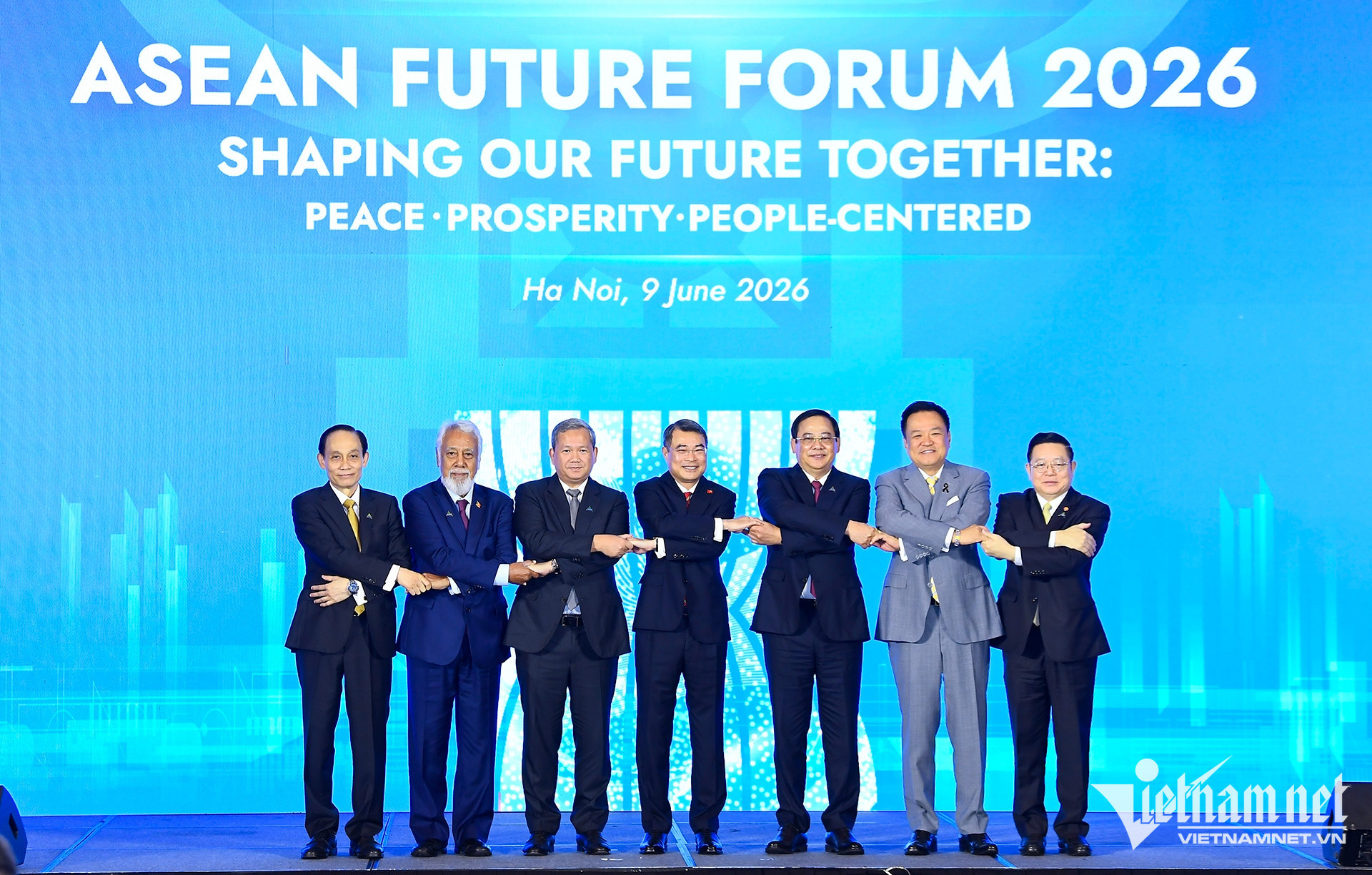
Prime Minister Le Minh Hung poses with regional leaders and ASEAN Secretary-General at the ASEAN Future Forum 2026.
ASEAN, he said, must take a clear-eyed view of current challenges to peace, stability and growth and identify appropriate measures to strengthen regional cooperation.
The grouping has undergone a remarkable transformation, evolving from a region once divided by conflict, ideological differences and distrust into one of the world's most stable and dynamic regions. According to Hun Manet, that achievement stems from strategic choices based on dialogue, confidence-building, respect for sovereignty, non-interference in internal affairs and the peaceful settlement of disputes.
Peace cannot be taken for granted
Hun Manet stressed that peace can no longer be viewed as a given, pointing to conflicts around the world that demonstrate the increasingly complex nature of modern security challenges.
On regional issues, the Cambodian leader reaffirmed Phnom Penh's commitment to cooperation with neighboring countries in addressing transnational challenges such as organized crime, drug trafficking, human trafficking and environmental degradation.
From an economic perspective, he said building a resilient and highly connected ASEAN economy has become a strategic imperative. No country can independently meet all of its development needs in an increasingly interdependent world.
The ultimate goal of ASEAN, he added, must be to improve quality of life and ensure security, well-being and development opportunities for its people.
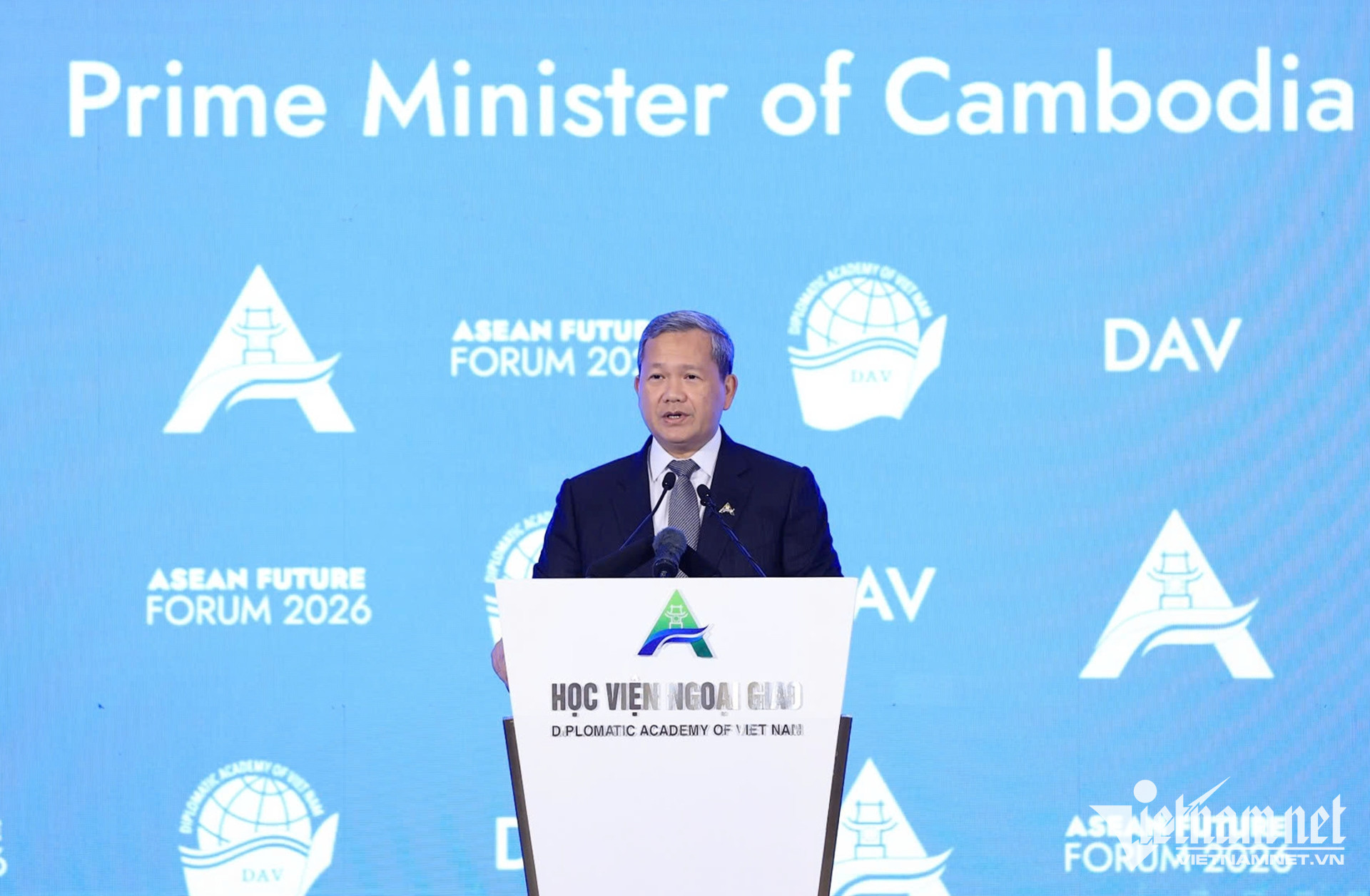
Cambodian Prime Minister Hun Manet called for stronger investment in education, skills training and youth development while promoting social inclusion and protecting vulnerable groups.
Lao Prime Minister Sonexay Siphandone described the ASEAN Future Forum as an important platform where countries can exchange views and develop common approaches to emerging regional and global challenges.
Recalling Laos' ASEAN chairmanship in 2024, Sonexay said he had emphasized the importance of strengthening unity and solidarity in responding to shared challenges, a task that remains just as urgent today.
The world is experiencing rapid and complex changes, marked by intensifying strategic competition among major powers, prolonged geopolitical tensions and conflicts in multiple regions, particularly in the Middle East, which have direct implications for global energy and food security.
Against this backdrop, Sonexay stressed that ASEAN must preserve its unity, enhance resilience and continue to reinforce its central role based on the bloc's fundamental principles and ASEAN way of cooperation.
He also called for stronger capacities to address emerging challenges and ensure that ASEAN remains a trusted platform for consultation, cooperation and preventive diplomacy capable of turning challenges into opportunities.
Connectivity and resilience remain priorities
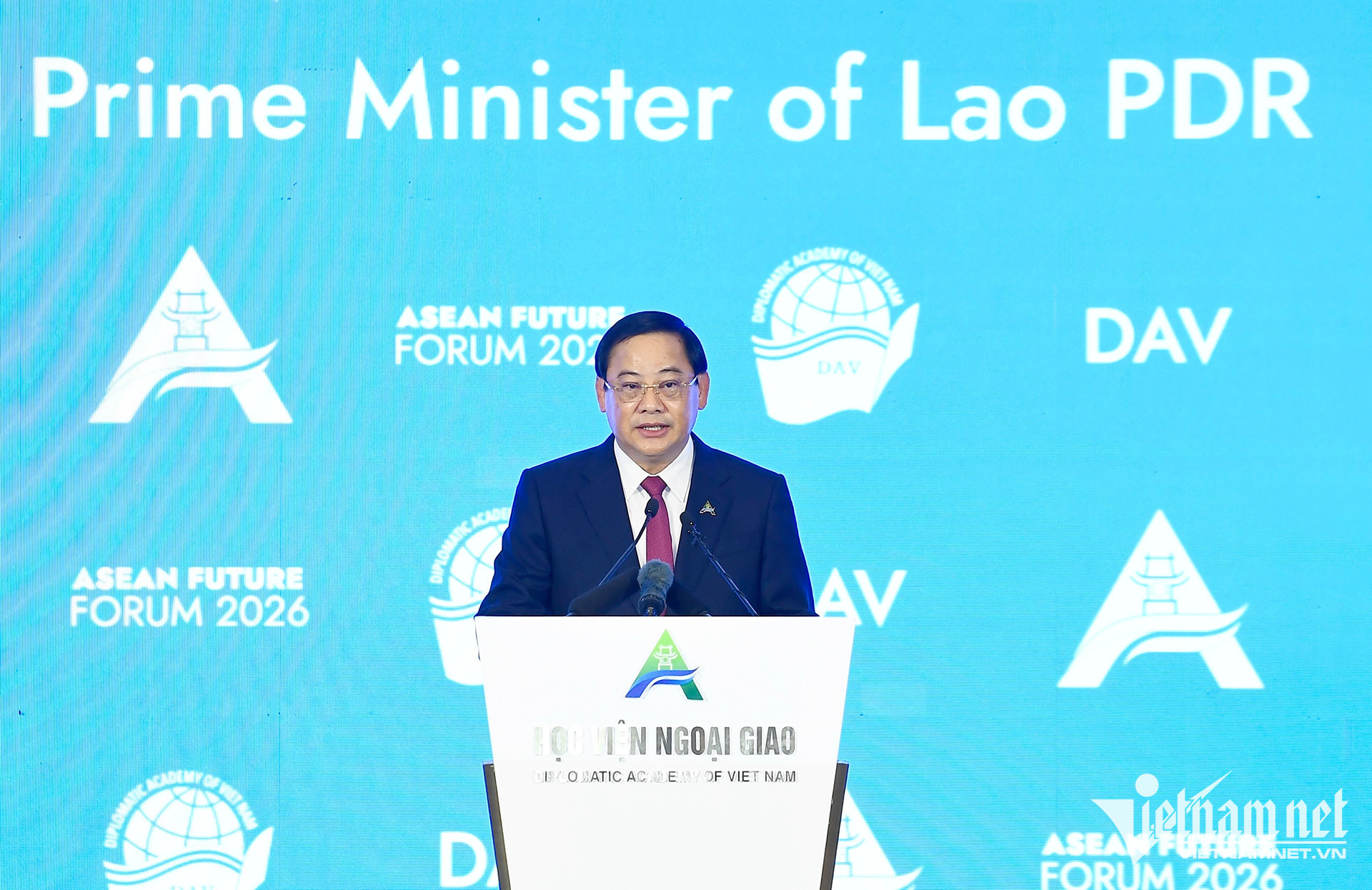
Lao Prime Minister Sonexay Siphandone said ASEAN must remain committed to its core principles, maintain its central role and strengthen multilateral cooperation to ensure regional peace, stability and security.
The Lao prime minister highlighted the need for comprehensive resilience as ASEAN adapts to new trends, particularly in digital technologies and artificial intelligence.
He also underscored the importance of advancing regional integration and connectivity through road, river, maritime and air transport networks, as well as energy, logistics and related infrastructure systems.
Among the strategic projects he cited were the Vientiane-Hanoi Expressway and the Laos-Vietnam railway project along the East-West Economic Corridor, both of which are expected to strengthen trade, support supply chains and deepen people-to-people exchanges across the region.
ASEAN must leverage its strategic assets
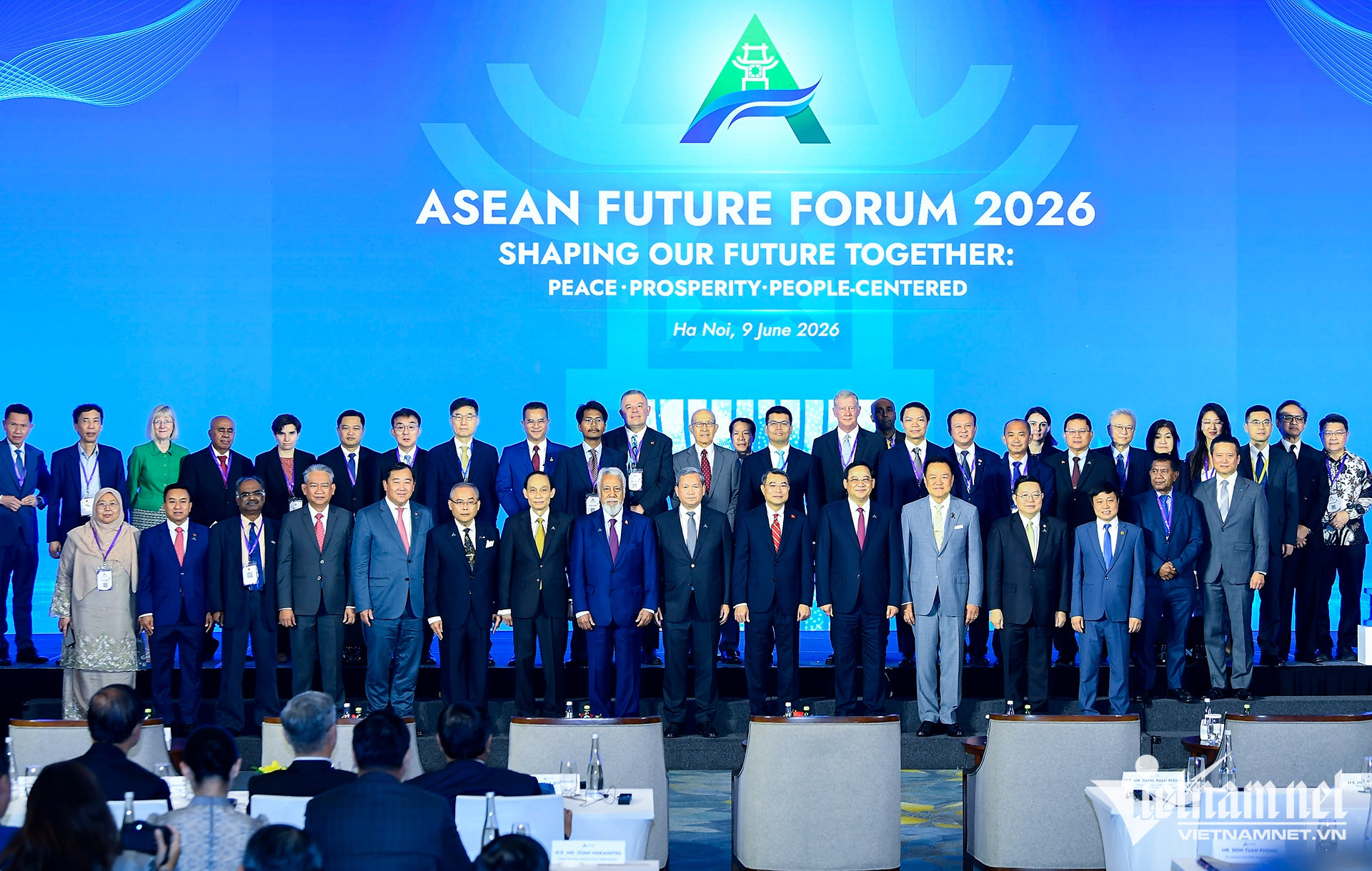
Delegates attend the ASEAN Future Forum 2026 in Hanoi.
Thai Prime Minister Anutin Charnvirakul said ASEAN stands at a critical juncture as the world becomes increasingly fragmented, strategic rivalry intensifies, global supply chains face disruptions and technological innovation advances at an unprecedented pace.
While many regions are grappling with instability, he said ASEAN has the potential to become one of the most stable regions in the world and an attractive destination for investment seeking a secure and reliable environment.
To realize that potential, ASEAN must build on the "strategic assets" that have underpinned the association's success for more than half a century.
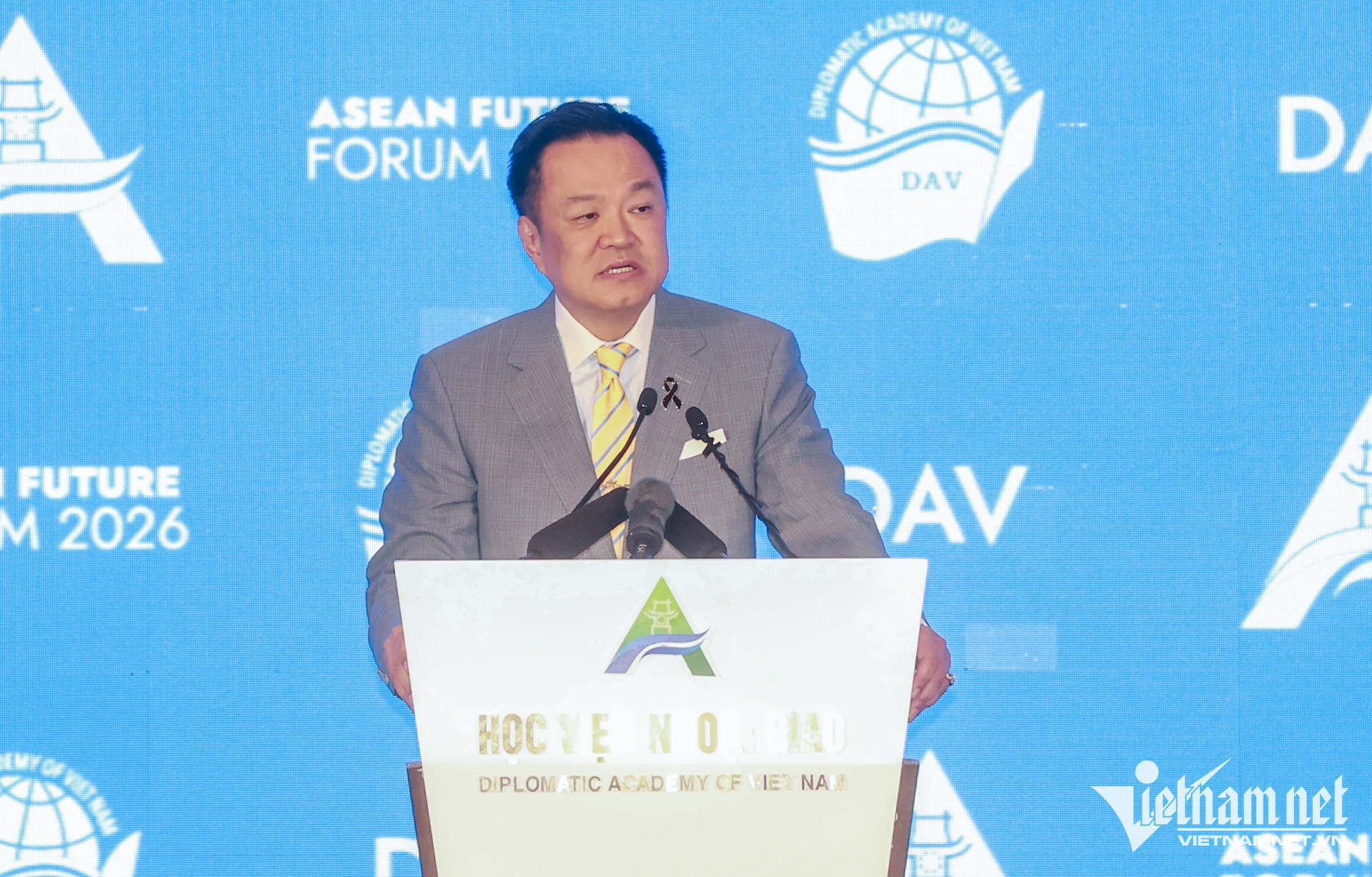
Thai Prime Minister Anutin Charnvirakul said ASEAN-led mechanisms have proven effective in creating inclusive platforms for cooperation among partners while preserving strategic balance and ASEAN centrality.
According to the Thai leader, ASEAN's ability to balance national interests with regional interests has enabled the bloc to maintain stability, strengthen internal cohesion and become a preferred partner for many major powers.
ASEAN should promote greater connectivity rather than create new divisions, even as competition among major powers intensifies, he said.
"The success of ASEAN is not measured by the number of conferences held or declarations adopted, but by the degree of safety, prosperity and confidence that our people have in the future," Anutin emphasized.
Timor-Leste and the Philippines call for unity
Participating in the ASEAN Future Forum for the first time as an official ASEAN member, Timor-Leste Prime Minister Xanana Gusmao said ASEAN continues to serve as a model of dialogue, cooperation and the ability to bridge differences.
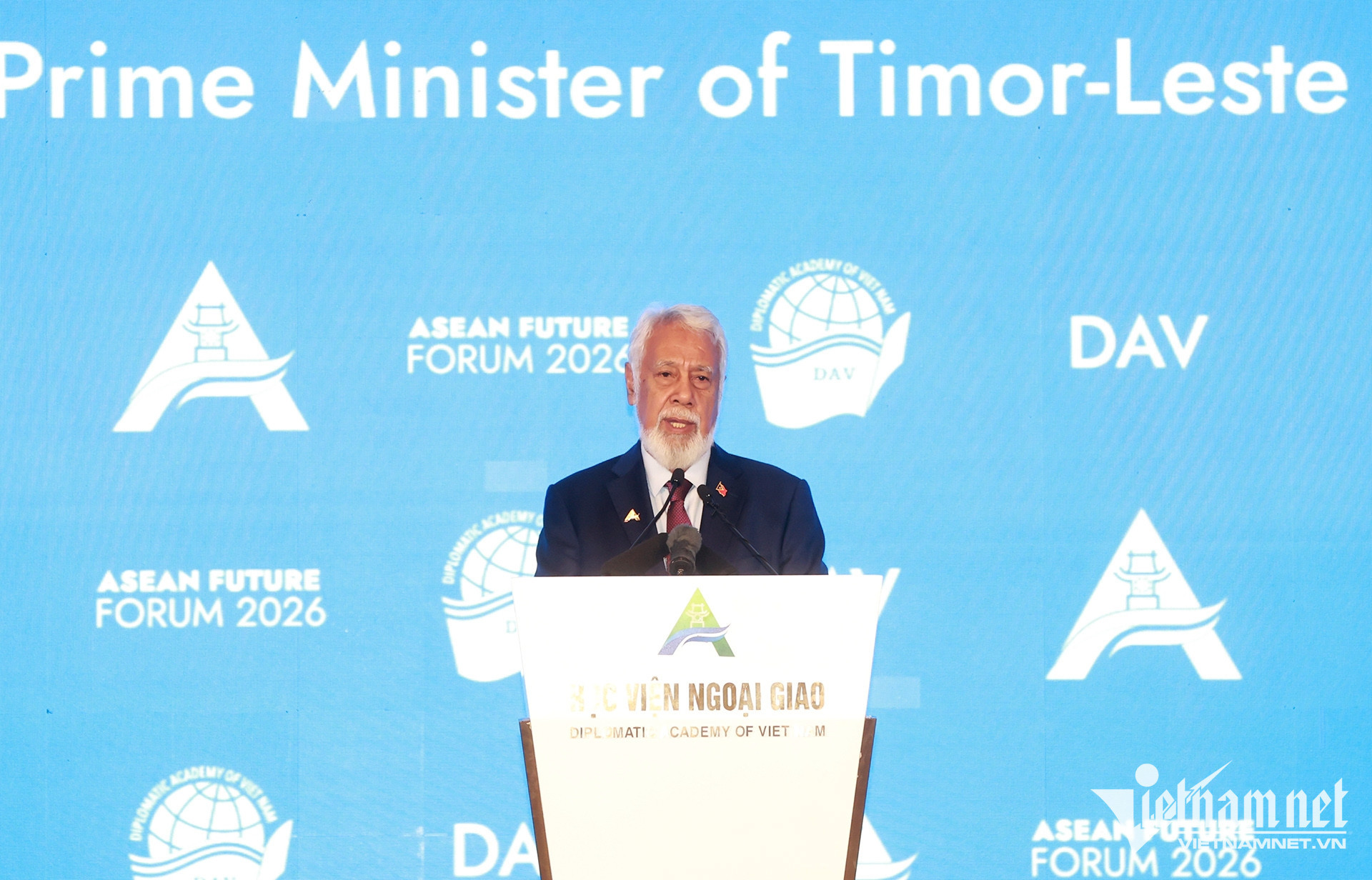
Timor-Leste Prime Minister Xanana Gusmao addresses the forum.
The bloc's diversity of history, culture and political systems, he noted, has become a source of strength that helps maintain peace and stability throughout the region.
Gusmao called on ASEAN to strengthen solidarity, uphold international law and serve as a voice for peace in an increasingly polarized world. Core principles such as respect for sovereignty, consensus-based decision-making, peaceful dispute resolution and ASEAN centrality must continue to be preserved and promoted.
In a recorded message, Philippine President Ferdinand Marcos Jr., whose country holds the ASEAN Chairmanship in 2026, praised Vietnam's initiative in organizing the forum, noting the similarities between AFF's theme and the Philippines' chairmanship theme, "Shaping Our Shared Future."
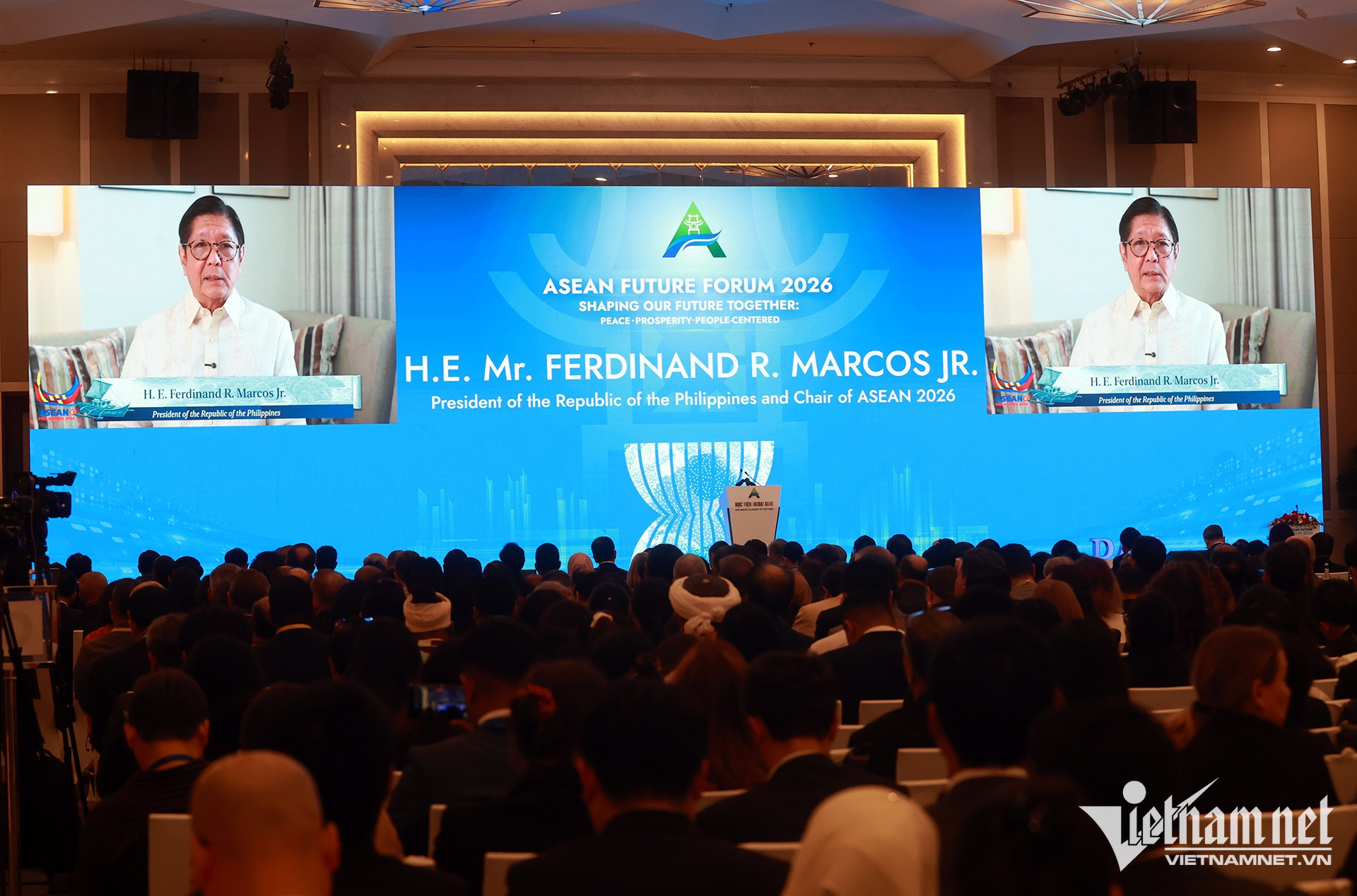
Photos: Pham Hai
According to Marcos, global disruptions are no longer theoretical concerns but are directly affecting the daily lives of ASEAN citizens through rising energy and food prices, trade disruptions and growing security risks.
In this context, ASEAN must maintain unity, strengthen its central role, deepen dialogue and improve coordination in responding to increasingly complex challenges.
Marcos identified energy security, food security and the safety and welfare of ASEAN citizens as urgent regional priorities. He called for uninterrupted flows of essential goods, stronger supply chain resilience, enhanced information sharing and rapid response mechanisms to protect ASEAN citizens during external crises.
The Philippine president also said ASEAN is entering a new phase of economic transformation that requires development models capable of adapting to geoeconomic fragmentation, technological disruption, climate pressures and demands for more inclusive growth.
Tran Thuong
.svg)
