 Vietnamnet.vn

 Podcast


The Baha’i faith originated in Persia, now Iran. Its founder, Mirza Husayn Ali (1817-1892), is known to followers as Baha’u’llah, meaning “Glory of God.”
Today, the religion has a presence in 235 countries and territories, with more than six million followers worldwide. India has the world's largest Baha’i population, with more than two million adherents.
The Baha’i faith in Vietnam
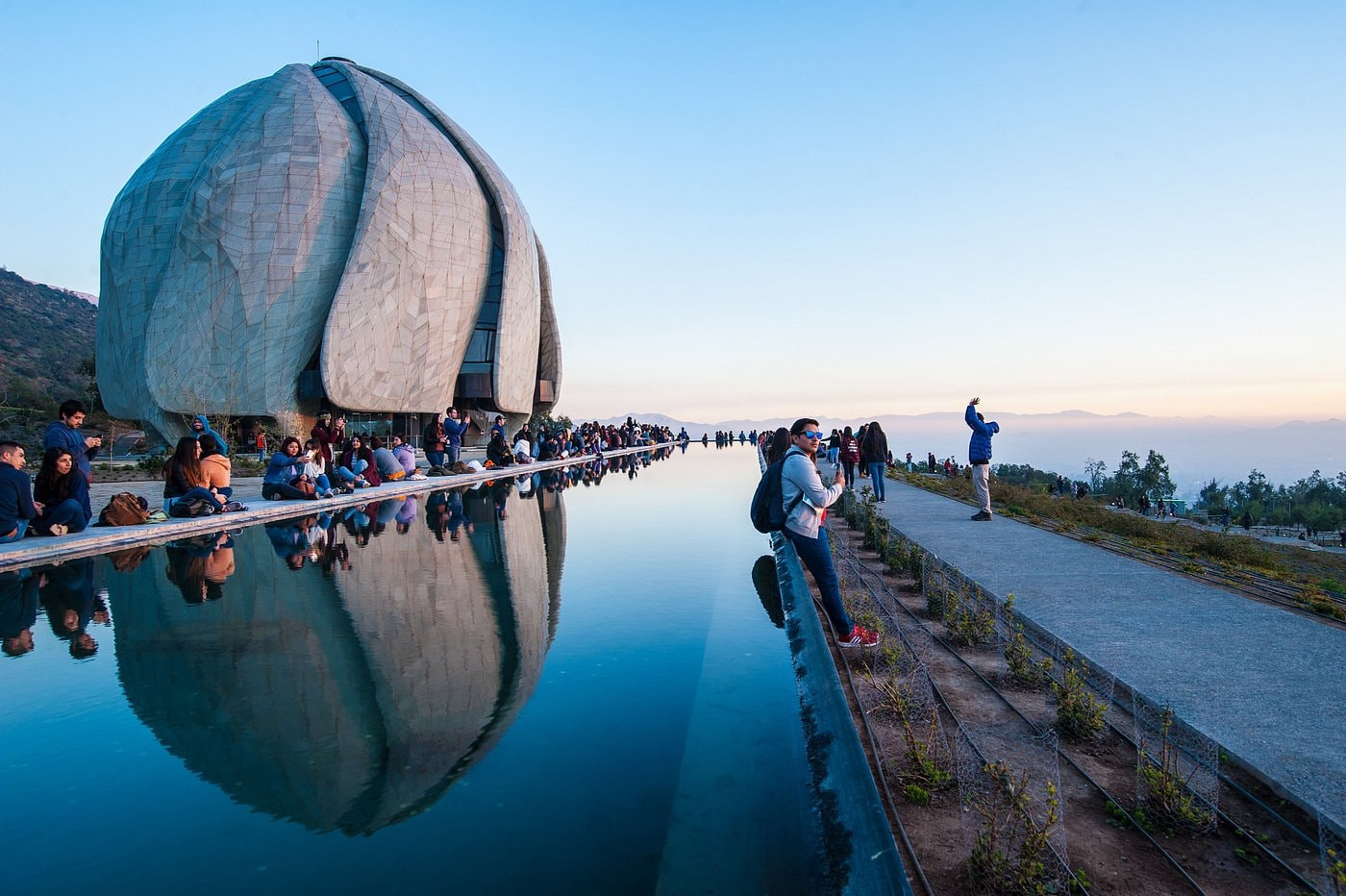
According to documents from the Government Committee for Religious Affairs under the Ministry of Ethnic and Religious Affairs, the Baha’i faith was introduced to Vietnam on February 18, 1954, when Shirin Fozdar, an Indian woman, arrived in Saigon with her son and daughter-in-law to spread its teachings.
On April 21, 1955, the first Baha’i Spiritual Assembly was established and officially recognized by the Saigon administration.
Following Vietnam’s reunification in 1975, the activities of the Baha’i community gradually declined over two years before coming to a halt in 1977.
In November 1991, a committee was formed to seek legal recognition of the religion and petitioned the Ho Chi Minh City authorities to allow local Baha’i followers to resume their religious activities.
The committee also re-established contact among Baha’i followers nationwide and submitted an application for religious registration to the Government Committee for Religious Affairs.
By 2005, the Baha’i faith had a presence in 45 provinces and cities across Vietnam, with more than 6,000 followers, predominantly in central and southern regions. In northern Vietnam, communities were found in Hanoi, Phu Tho and the former province of Hoa Binh, among other localities.
In February 2007, the Government Committee for Religious Affairs granted a certificate of registration for religious activities to the Baha’i community of Vietnam. The religious organization held its first national convention on March 21, 2008.
Today, Vietnam is home to approximately 7,000 Baha’i followers.
The independent search for truth
The Baha’i faith recognizes the unity of God and His messengers, upholds the principle of independently investigating truth, and rejects all forms of superstition and prejudice.
It teaches that the fundamental purpose of religion is to foster harmony, that religion must be compatible with science, and that it should serve as the foundation of an orderly, progressive and peaceful society.
Baha’u’llah entrusted his followers with the responsibility of sharing his teachings with humanity through words and good example, while forbidding coercion.
Baha’i followers share their teachings only with those who wish to learn about them and refrain from insisting when others express no interest. Central to their beliefs is respect for every individual's right to seek truth independently.

The fundamental teachings of the Baha’i faith affirm that there is one supreme God, that all religions share a common divine origin, and that all people belong to one human family as children of God.
The religion emphasizes equality between men and women in opportunities, rights and privileges. It advocates universal education, the elimination of extremes of wealth and poverty, and work undertaken in a spirit of service to establish and preserve world peace.
“To be a Baha’i simply means to love the whole world, to love humanity and strive to serve it, and to work for universal peace and fellowship,” according to a quotation attributed in the source to Baha’u’llah, the founder of the religion.
Worship through prayer and service
Baha’u’llah reduced religious rituals to a minimum. Baha’i followers aged 15 and above are required to choose one of three obligatory prayers to recite each day, following simple rituals.
These obligatory prayers are performed individually rather than collectively. They are not conducted in congregational form, with one person leading a group of worshippers in prayer.
Baha’i followers regularly gather for religious festivals and holy days, during which individuals recite prayers other than the daily obligatory prayers and read passages from sacred scriptures.
According to the teachings of Baha’u’llah, work performed in a spirit of service to others carries the same spiritual value as prayer or worship.
He taught that work undertaken in the service of humanity is the highest form of worship.
At a time when social media and artificial intelligence are rapidly evolving, exposing people to an overwhelming flow of information, the Baha’i principle of independently investigating truth offers much to reflect upon.
Rather than encouraging passive acceptance of beliefs, the religion values each individual's ability to exercise judgment, learn through experience and make personal choices.
From this perspective, faith becomes truly meaningful when grounded in personal understanding and awareness.
The Baha’i faith adds a distinctive voice to Vietnam’s diverse religious landscape, guiding people toward the universal values of peace, understanding and love.
Hong Phuc

