 Vietnamnet.vn

 Podcast



The Great Spring Victory of 1975 was not only a military triumph but also a powerful demonstration of national unity, with religious communities moving in step with the revolutionary movement.
Today, the spirit of social engagement among religions continues to be encouraged and is increasingly viewed as an important resource for Vietnam’s sustainable development in a new era.
Religious contributions to the historic Spring Victory of 1975
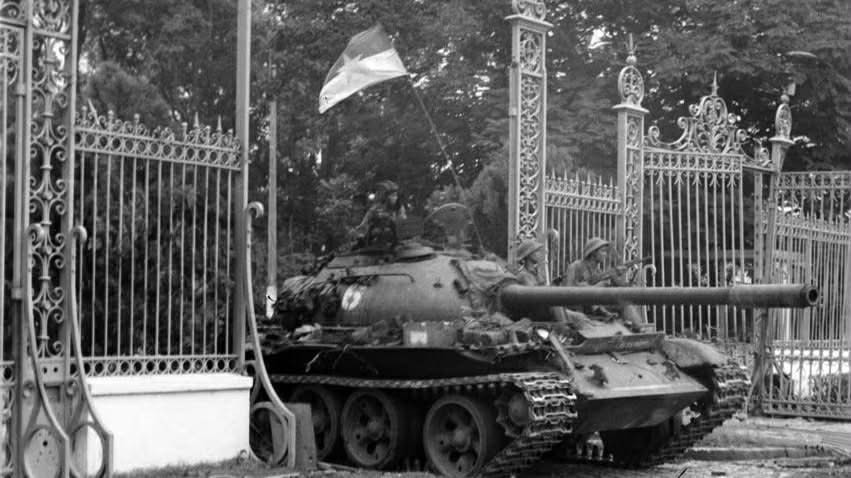
A tank from Brigade 203 of Army Corps 2 enters the Independence Palace at noon on April 30, 1975. Photo: Tran Mai Huong/VNA
In the early months of 1975, as Saigon prepared for the historic Ho Chi Minh Campaign, Quang Huong Pagoda became a location for receiving and transmitting important revolutionary directives.
Its abbot, Most Venerable Thich Hien Phap, who also served as chief representative of the Vietnam Buddhist Sangha in District 2, skillfully transformed the small pagoda into a secret revolutionary base.
The senior monk actively participated in patriotic movements and served as an advisor to organizations demanding the implementation of the Paris Peace Accords and protecting workers’ rights.
He also established the People’s Front Against Hunger and directly led efforts opposing the Saigon administration.
At the same time in Saigon, during the tense days of April 1975, Father Phan Khac Tu and representatives of several movements advocating for the implementation of the Paris Peace Accords carried out a major political effort.
They persuaded Duong Van Minh, president of the former Saigon government, to appoint lawyer Trieu Quoc Manh as director of the Saigon Metropolitan Police.
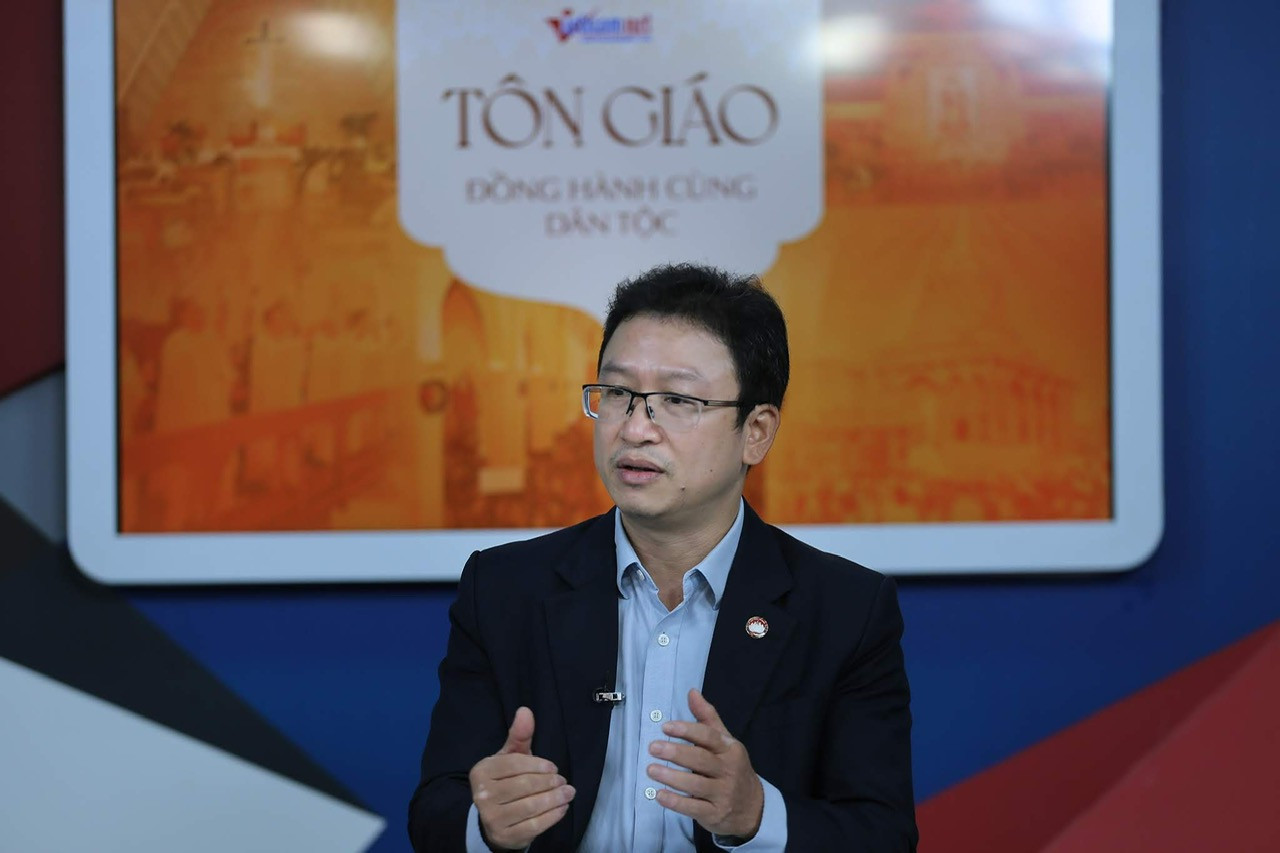
Nguyen Van Thanh, head of the Committee for Ethnic and Religious Affairs under the Vietnam Fatherland Front Central Committee.
On the afternoon of April 28, 1975, the newly appointed police chief ordered the dissolution of special police units, released political prisoners, and instructed more than 16,000 police officers not to open fire.
The order effectively dismantled much of the Saigon administration’s police apparatus and created favorable conditions for the final offensive on April 30, which brought an end to the war in Vietnam.
Father Phan Khac Tu became a symbolic figure representing Catholic clergy who actively participated in peace movements and campaigns demanding democratic freedoms and national self-determination while supporting broader civic movements in urban areas.
Most Venerable Thich Hien Phap and Father Phan Khac Tu were among many prominent religious figures whose spirit of engagement helped religious communities quickly integrate into the revolutionary movement.
Their support created strong foundations and logistical backing that contributed to the complete victory of the Ho Chi Minh Campaign on April 30, 1975.
A model of interfaith solidarity
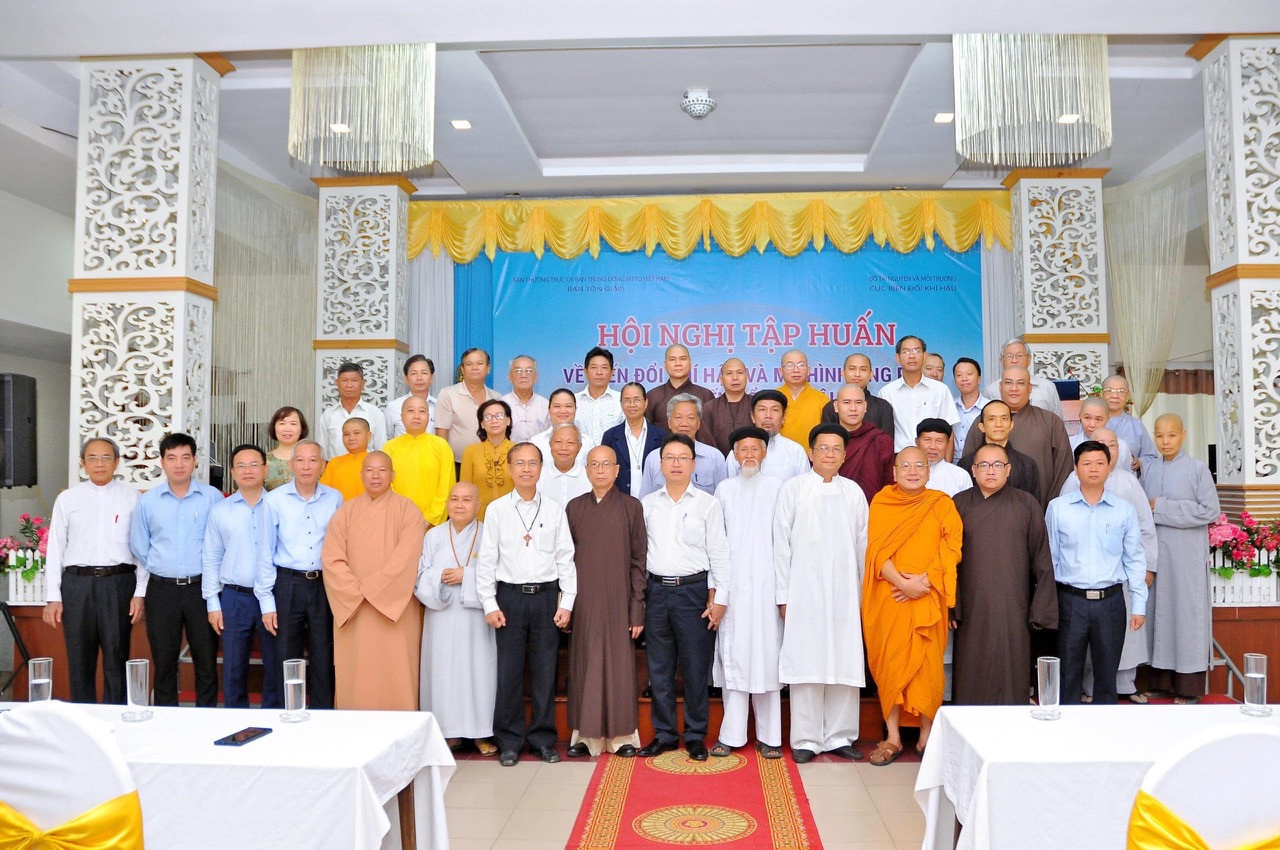
Delegates pose for a commemorative photo at a training conference for religious dignitaries participating in environmental protection and climate change response activities.
Following reunification and the restoration of peace, Vietnam witnessed a distinctive trend in which different religions cooperated in implementing humanitarian and social initiatives.
One example involved programs supporting HIV/AIDS prevention and care in Hue.
Catholic and Buddhist religious leaders worked together at Hue Central Hospital to care for terminal AIDS patients, distribute aid packages to disadvantaged families affected by HIV, and conduct public awareness campaigns aimed at reducing stigma and discrimination.
“The representatives of the two religions planned and implemented activities together rather than separately. It is a remarkable model rarely seen elsewhere in the world,” said Nguyen Van Thanh, head of the Committee for Ethnic and Religious Affairs under the Vietnam Fatherland Front Central Committee.
Another notable initiative involved Buddhist dignitaries organizing environmental protection and climate change training sessions for Muslim community leaders directly inside a mosque.
Buddhist, Protestant, and Muslim religious figures have also cooperated in distributing thousands of free gifts to communities in need.
Thanh said such initiatives not only maximize the social contributions of religious organizations but also demonstrate the spirit of solidarity, mutual support, and unity among religions in Vietnam within the broader framework of national unity.
Religion as a resource for national development
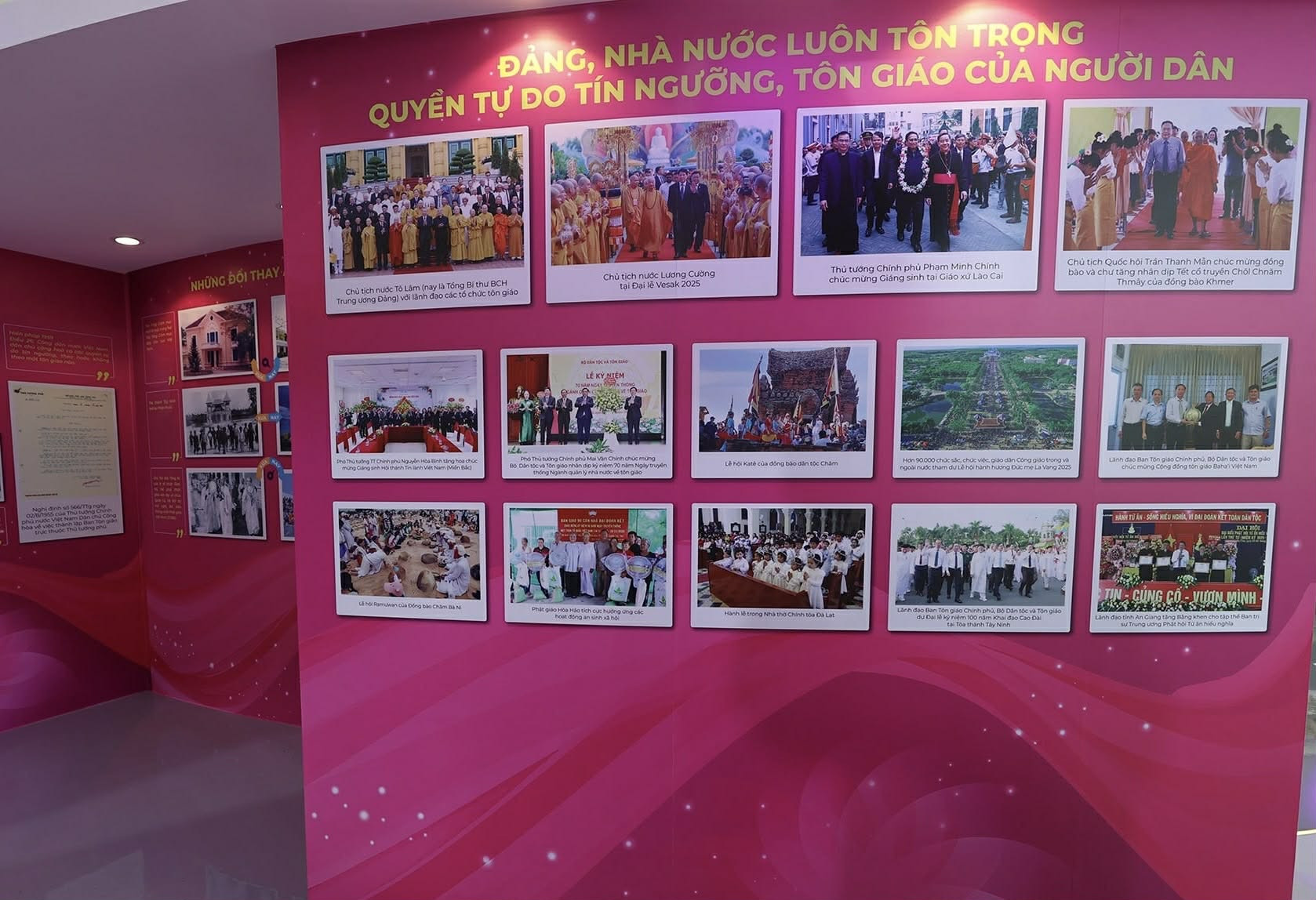
Vietnam consistently respects citizens’ rights to freedom of belief and religion.
Vietnam’s 13th National Party Congress incorporated policies aimed at promoting the positive cultural and ethical values of religions and encouraging religious communities to contribute resources toward national development.
Thanh emphasized that for such policies to become effective in practice, they must be institutionalized through specific laws and legal frameworks.
For example, laws related to education, healthcare, and social welfare should include clearer provisions encouraging religious organizations and individuals to participate in education socialization programs and healthcare services.
Beyond domestic religious communities, Thanh also highlighted the importance of engaging overseas Vietnamese religious communities.
Among the estimated 6.2 million overseas Vietnamese, more than half are followers or dignitaries of various religions, including more than 1.5 million Buddhists and more than 1 million Catholics.
He said these communities could become an important channel for strengthening people-to-people diplomacy, protecting national sovereignty, and countering distorted claims regarding religious freedom, democracy, and human rights in Vietnam.
Ethnic and religious unity moving forward together
In 2025, amid broader reforms to Vietnam’s state management system, the establishment of the Ministry of Ethnic and Religious Affairs marked the first time that ethnic and religious affairs were brought under a unified administrative structure.
The move is expected to create new opportunities for ethnic and religious communities to jointly contribute to Vietnam’s sustainable development.
By shifting toward a more inclusive approach, religious policy is increasingly viewed not merely as a management tool but as a positive force for building social trust, strengthening community cohesion, and supporting stability in ethnic minority areas and across the country.
“Over the years, religions in general and Buddhism in particular have continued to develop positively within the nation,” said Most Venerable Thich Gia Quang, Vice Chairman of the Executive Council of the Vietnam Buddhist Sangha and head of its Information and Communications Committee. “The State has properly recognized the contributions religions make to national development, especially in promoting human morality. I believe religions will continue to thrive, and the spirit of national unity will become even stronger in the years ahead.”
Binh Minh
.svg)
