 Vietnamnet.vn

 Podcast



The iPhone 17 is shaping up to be the optimal choice for most users in 2025. However, depending on specific needs and budgets, models like the iPhone 17 Pro, Pro Max, Air, or older versions still hold their own place in the market.
iPhone 17 - the most well-rounded option
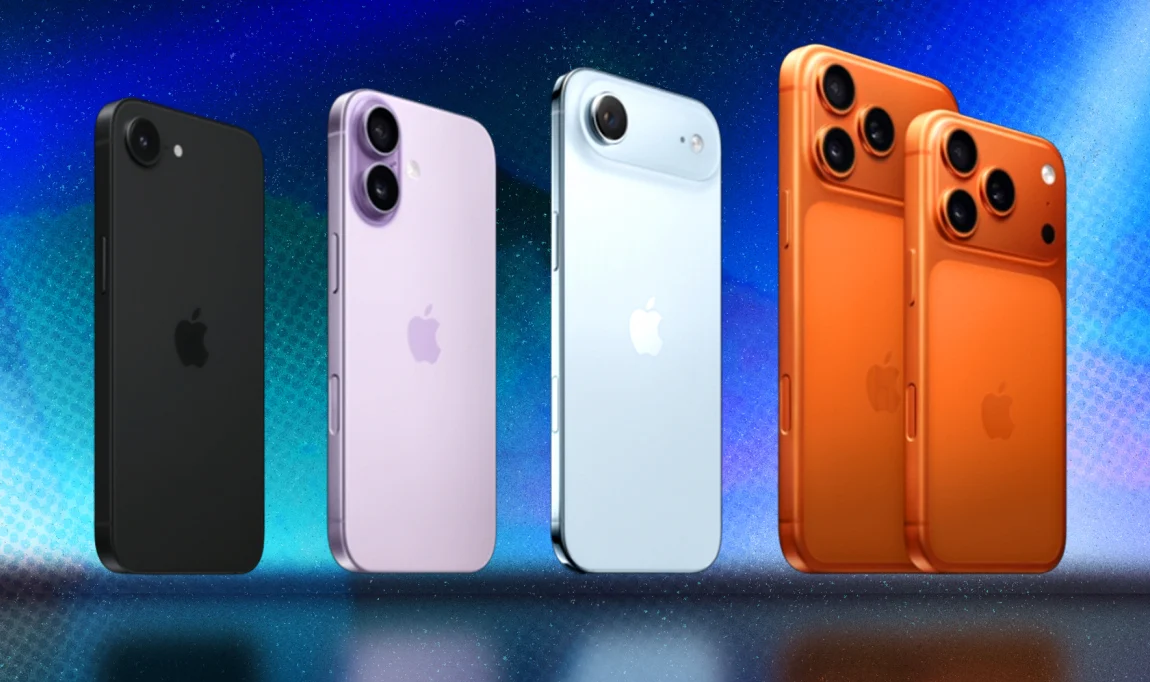
Starting at $799, the iPhone 17 delivers outstanding value. It shares nearly all key features with the Pro version, including Dual Capture, Center Stage, and a 1–120Hz screen that supports Always-On Display.
This marks a significant upgrade from the iPhone 16, which lacked several premium capabilities.
One standout feature of the iPhone 17 is its screen brightness of up to 3,000 nits and anti-glare coating, making outdoor visibility much clearer.
The ultra-wide camera has been upgraded from 12MP to 48MP, and battery life has improved significantly. In a continuous video playback test, the iPhone 17 consumed only 11% battery in 3 hours, compared to 14% on the iPhone 16.
Apple has also enhanced durability with the new Ceramic Shield 2, which offers three times more scratch resistance. The base storage has been increased to 256GB. The main differences between the iPhone 17 and the 17 Pro now lie in the telephoto camera and a slightly larger battery.
Pros: 120Hz display, upgraded camera, durable battery, faster charging.
Cons: Minimal design changes, Apple Intelligence still in development.
The iPhone 17 is ideal for mainstream users seeking a high-quality camera, strong battery life, and premium display - without spending over $1,100.
However, photography enthusiasts or those needing even longer battery life may find the iPhone 17 Pro or Pro Max more appealing.
iPhone 17 Pro and Pro Max - powerful and distinctive
Priced from $1,099 (Pro) and $1,199 (Pro Max), this year’s Pro models stand out with a bold design shift. Instead of the traditional square camera cluster, Apple has introduced a horizontal “camera plateau.”
Color options are also more vibrant, with “space orange” being the highlight.
In battery tests, the iPhone 17 Pro Max lasted the longest, retaining over 22% after a full day of heavy use. Both models feature a triple 48MP camera system (wide, ultra-wide, telephoto).
Notably, Apple reduced the zoom from 5x on the iPhone 16 Pro to 4x, but increased the sensor size by 56%, improving detail and dynamic range - especially for portraits.
The selfie camera is now 18MP and includes a square sensor that enables horizontal photography even when the phone is held vertically.
Pros: Exceptional battery (especially Pro Max), bright display, upgraded Center Stage camera, iOS 26 improvements.
Cons: High price, Pro battery same as iPhone 16 Pro, some features still limited.
These models are best suited for users with iPhone 14 Pro or earlier, offering comprehensive upgrades in battery, display, camera, and performance.
Those using iPhone 15 Pro or 16 Pro may not find the jump necessary just yet.
iPhone Air - slim, light, and stylish
At $999, the iPhone Air garners attention for its ultra-thin 5.6mm design and lightweight 165g build.
Despite its thinness, Apple ensures durability with a titanium frame and Ceramic Shield 2 on both front and back. Its 6.5-inch display offers a surprisingly immersive entertainment experience.
However, there are trade-offs: smaller battery, a single rear camera, and a mono speaker instead of stereo. It supports only 20W charging, which is much slower than the 40W offered on the iPhone 17.
Pros: Striking design, lightweight, durable, smooth iOS 26 performance.
Cons: Weak battery under heavy use, limited camera setup, high price.
The iPhone Air suits those who prioritize design and uniqueness. Its lone 48MP camera still performs well - especially at 2x zoom - but frequent photographers or power users may find it lacking.
iPhone 16E - balanced upgrade at an affordable price
At $599, the iPhone 16E blends past models. It retains the design and screen of the iPhone 14 but is powered by the latest A18 chip from the iPhone 16, delivering strong performance and battery life.
Its matte glass back offers a premium look, while the rear camera delivers solid image quality and smooth performance in daily tasks.
For users of iPhone SE, iPhone 11, or older, this is a worthwhile upgrade. It’s also an appealing option for Android users exploring Apple’s ecosystem.
Pros: Smooth, reliable experience, budget-friendly.
Cons: Lacks MagSafe and ultra-wide camera.
This is a smart choice for budget-conscious upgraders, though it may not satisfy those seeking a top-tier iPhone.
iPhone 16 - affordable yet still capable
Priced about $100 less than the iPhone 17, the iPhone 16 and 16 Plus remain solid options. They offer features like the Action Button, Camera Control, Dynamic Island, and an improved ultra-wide camera.
Importantly, the iPhone 16 supports Apple Intelligence, ensuring relevance for years to come.
Pros: Many Pro features, competitive price, long-term AI support.
Cons: No Always-On Display, slow wired charging, limited design updates.
If you're using an iPhone 13 or older, the iPhone 16 offers a significantly improved experience.
iPhone 15 - still worth considering with price drop
With the release of the iPhone 16, Apple has lowered the iPhone 15’s price to $699. It remains an appealing option thanks to Dynamic Island, USB-C, the A16 Bionic chip, and improved portrait photography.
Available in two sizes (6.1 and 6.7 inches), it’s ideal for users upgrading from the iPhone 12 or earlier.
However, when compared to the iPhone 16E at $599, the iPhone 15 can struggle to compete without promotions.
Pros: Vibrant design, Dynamic Island, enhanced camera, USB-C convenience.
Cons: No Always-On, weaker value without discounts, less optical zoom than Galaxy S24.
In 2025, iPhone users have more suitable options than ever. For the majority, the iPhone 17 hits the sweet spot - offering premium features at a fair price.
The iPhone 17 Pro and Pro Max serve power users who demand exceptional cameras and battery life, while the iPhone Air delivers a bold, minimalist design.
Meanwhile, the iPhone 16 and iPhone 15 remain sensible picks for those wanting to save money without compromising too much on performance.
No matter which model you choose, Apple’s 2025 iPhone ecosystem continues to offer diversity, innovation, and appeal - ensuring every user finds the right fit.
Hai Phong
.svg)
