 Vietnamnet.vn

 Podcast



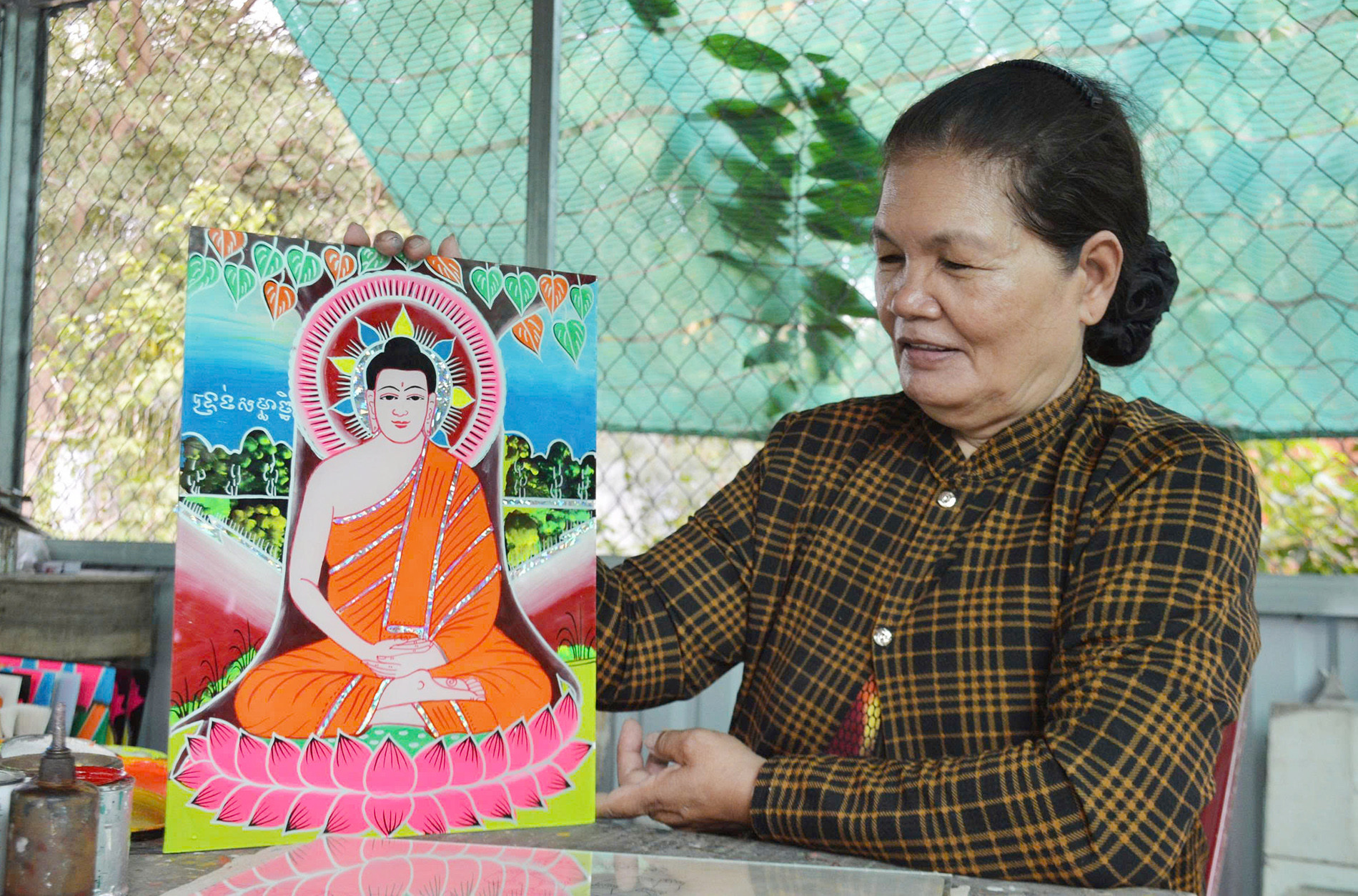
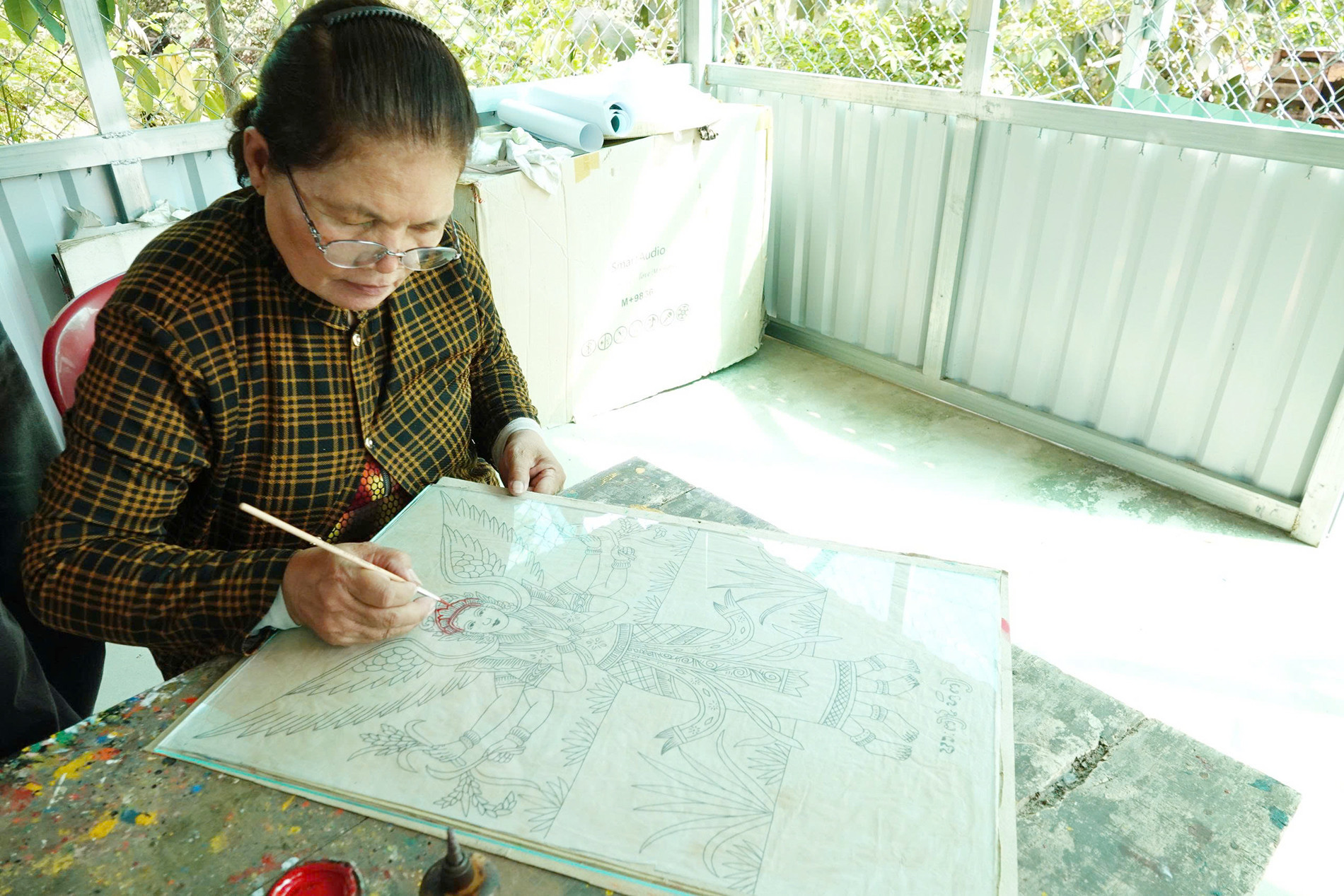
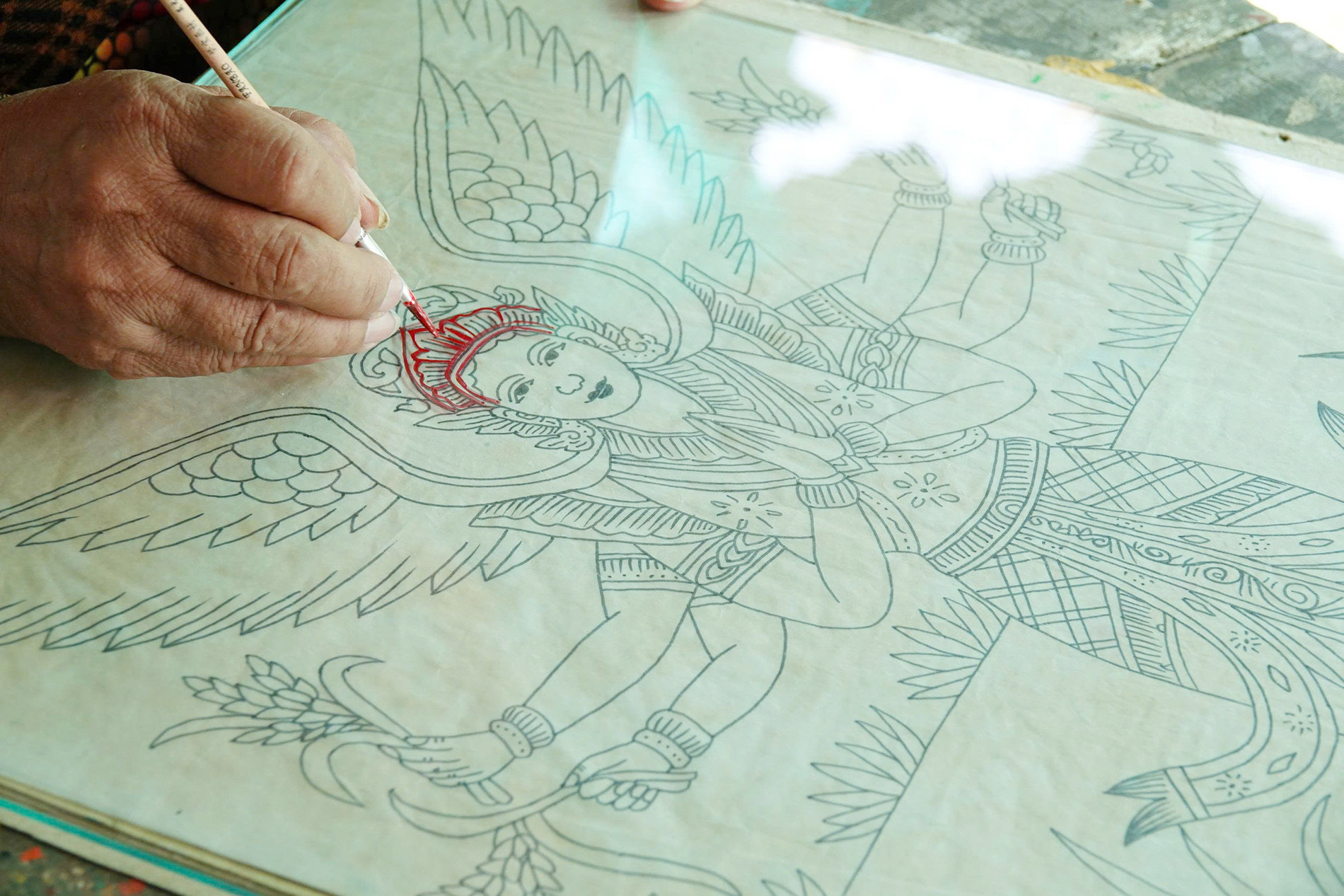
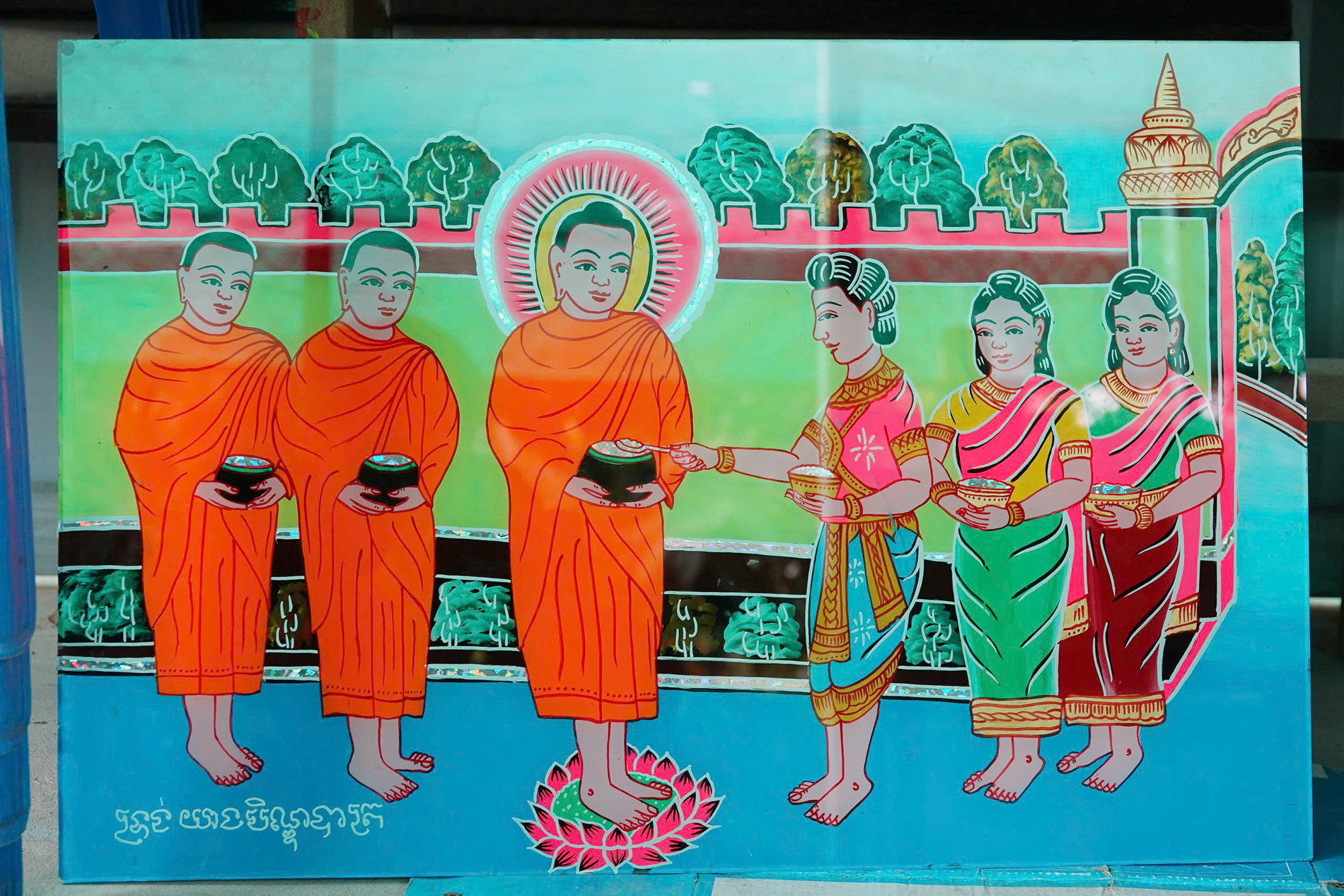
Using brushes dipped in paint thinned with gasoline or kerosene, the painter must move quickly and precisely to avoid smudging. Each color layer must fully dry before the next is applied, meaning a single artwork can take days to complete.
“In the 1990s, Khmer glass painting was thriving,” Vui recalls. “There were over 100 households in our commune practicing the craft. Every home smelled of paint, and the whole neighborhood was bustling with creativity.”
But today, she paints alone. “It’s heartbreaking,” she says, continuing to outline a portrait of the Buddha. “My children have told me many times to stop, but I can’t give it up. This is the work I’ve loved for 40 years. It’s part of my soul, and of our culture.”
Each painting sells for about 250,000–500,000 VND (roughly $10–$20 USD), depending on its size. Her daily income averages 150,000 VND (about $6 USD) - far from wealthy, but enough for her needs and flexible enough for her to care for her grandchildren. “This work brings me peace and keeps me connected to my heritage,” she says.
For Vui, each completed painting is more than a work of art - it’s a cultural legacy. “Every stroke I paint is a way of preserving the Khmer spirit,” she says. While she insists the craft isn’t difficult to learn, she laments that younger generations aren’t interested. “It requires patience, attention to detail - things young people today aren’t keen on,” she adds.
Despite the fading popularity, reverse glass paintings remain spiritually meaningful in Khmer communities. Many families still commission pieces for worship, decoration, and to honor ancestral connections.
“If no one carries this on, it will vanish in just a few years,” Vui says. “I only hope that one day, a young person who loves this craft will come and learn. This art is part of our Khmer soul, and it deserves to live on.”
Hoai Thanh
.svg)
