 Vietnamnet.vn

 Podcast



Several centuries ago, members of the Pham family in Dong Ngac village, Hanoi, achieved remarkable academic success, bringing distinction to a land long known for its scholarly tradition. Today, their descendants continue to follow that path, placing education above all else.
A scholarly lineage in the “village of doctorates”
Dong Ngac village, now part of Dong Ngac ward in Hanoi, has long been recognized as a place where learning flourished and many rose to serve the nation as officials and intellectuals. The Pham lineage, formed in the 14th century, is one of the village’s four founding clans and has remained closely tied to its renowned academic heritage.
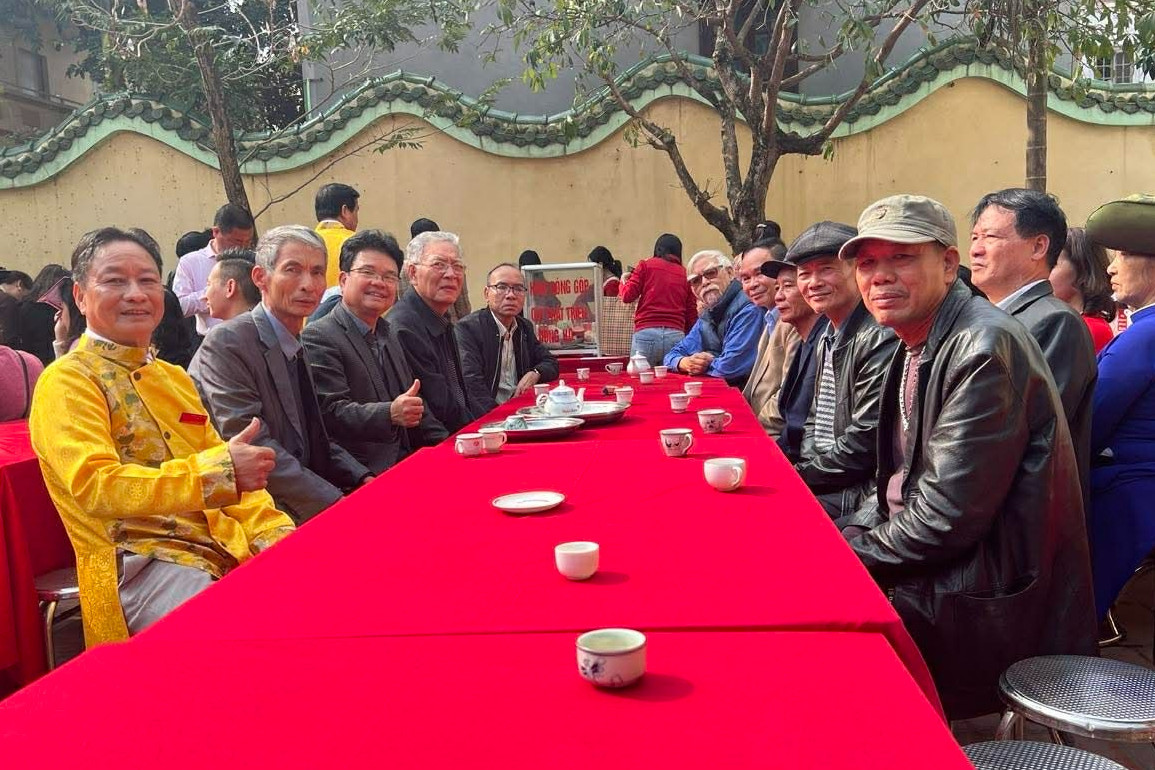
For the family, the beginning of each lunar year is a time to return to their roots. On the fourth day of the first lunar month, descendants from across the country gather at the ancestral house for the Xuan Te ceremony - the clan’s traditional ancestral commemoration. In some years, attendance reaches into the thousands.
Dr. Pham Gia Vu, 56, currently working at the Vietnam Academy of Science and Technology and serving as head of the Pham clan in Dong Ngac, said the ceremony is an occasion for descendants to offer incense and reflect on the merits and legacy of their forebears.
During Xuan Te, the family also holds a merit-reporting ritual to recognize individuals who have contributed to the country or achieved notable accomplishments in research and study. These records are compiled and, every five years, added to the family genealogy, ensuring the scholarly tradition continues across generations.
According to Vu, in the early 16th century, a member of the Pham clan attained the highest level in the imperial examinations, marking the beginning of a sustained academic tradition that endured through successive feudal dynasties. From then on, the family consistently produced successful candidates, becoming one of the most distinguished scholarly lineages in Dong Ngac.
In total, nine members of the Pham clan earned the title of doctor laureate and were honored at the Temple of Literature. Of these, seven were engraved on steles in Hanoi and two in Hue. In Hanoi, however, one stele was lost during the Mac dynasty, so only six remain today.
Beyond these nine doctorates, two other family members achieved the title of “si vong,” a form of imperial literary degree considered equivalent to a doctorate.
Dong Ngac was not only known for successful examination candidates but also as a cradle of respected teachers. Pham Quang Vinh, 59, noted that many who passed the regional and metropolitan examinations chose to dedicate themselves to teaching, opening classes for local children and students from neighboring areas.
“In the past, the village was filled each day with the sound of children reciting lessons and teachers explaining classical texts. Many who later achieved high academic honors elsewhere had once been students of Dong Ngac’s village teachers,” Vinh said.
The scholarly tradition also forged special bonds between the village’s major clans.
During his lifetime, scholar Pham Gia Hue was known to marry his daughters to his most outstanding students. Among them was Hoang Nguyen Thu, who later became the founding ancestor of the Hoang clan in Dong Ngac. This practice was seen as a way of honoring and retaining talent within the community.
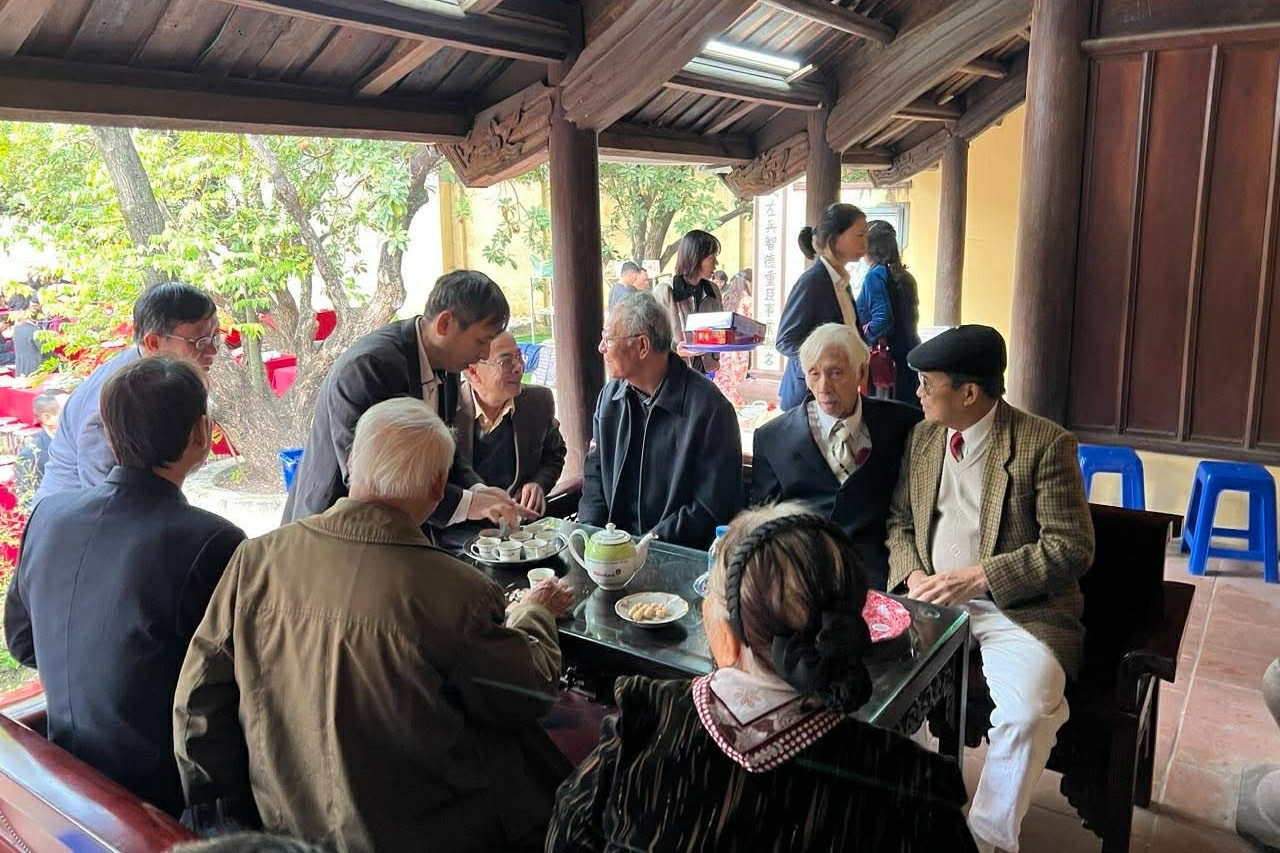
Today, the spirit of learning remains central to the family’s identity. Conversations among elders often revolve around the younger generation - who may be struggling academically, who is preparing for examinations, or who is uncertain about future career paths.
“We place the education of our descendants as the highest priority,” Vu emphasized. “It is not only about providing good learning conditions, but also nurturing awareness and character, so that the younger generation understands that scholarship is the most enduring foundation.”
The clan’s encouragement of learning is practical and attentive to individual circumstances rather than symbolic formality. Each child is guided according to ability and interest, while elders actively share experience and offer support in both study and career decisions.
Vu stressed that leading by example plays a vital role in preserving tradition.
Today, members of the Pham family work across diverse fields including education, healthcare and scientific research. Notable descendants include Professor, People’s Teacher Pham Gia Khanh, former Director of the Military Medical Academy; Professor Pham Gia Khai, former Director of the Vietnam National Heart Institute; and former Deputy Prime Minister Pham Gia Khiem.
Echoes of the past in the heart of the ancient village
The Pham ancestral house has endured many historical upheavals alongside Dong Ngac village. The current structure was once the ancestral hall of a branch family and was used as a grain storage site during the revolutionary period. Over time, it deteriorated.
In 1985, clan elders convened to rebuild the ancestral house, which now serves as a communal gathering space. The Pham lineage currently maintains one main ancestral house and 16 branch houses, with an ancient well still preserved within the compound.
Not far away stands another branch ancestral house recognized as a revolutionary historical site. It once belonged to the family of Pham Thi Thien and served as a secret meeting place for revolutionary leaders such as Hoang Van Thu and Le Quang Dao, supporting activities of the Northern Regional Party Committee between 1939 and 1945.
According to Pham Thi Xuan Mai, who oversees the site, the house was constructed in traditional style with seven compartments and two lean-tos. The front section is entirely dedicated to ancestral worship.
“The gate, built in 1934, contains a small concealed cavity above it. Inside is a hollow space that was once used to hide secret documents during the revolutionary period,” Mai said.
The structure is primarily built with xoan wood columns and beams, contributing to its durability. Aside from replacing several outer corridor pillars and elevating the front hall to better serve clan activities, the building has remained largely intact.
Visiting Ke Ve, the former name of Dong Ngac village, one can still sense the refined cultural atmosphere and scholarly tradition reflected not only in the architecture of ancestral houses and gates, but also in the demeanor and speech of its residents.
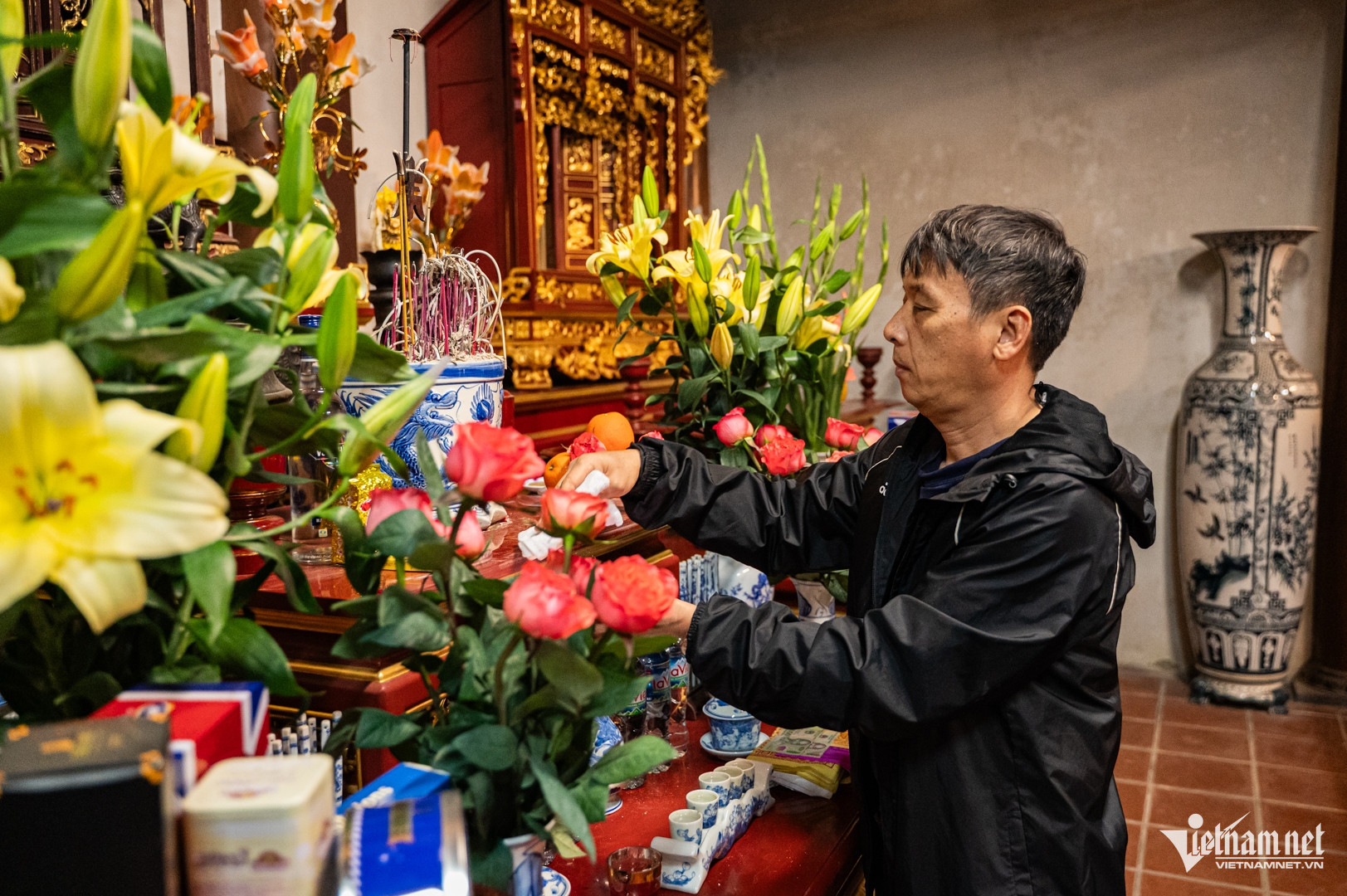
Pham Gia Vu carefully tidies the altar at the Pham clan’s ancestral house. Photo: Nguyen Huy.
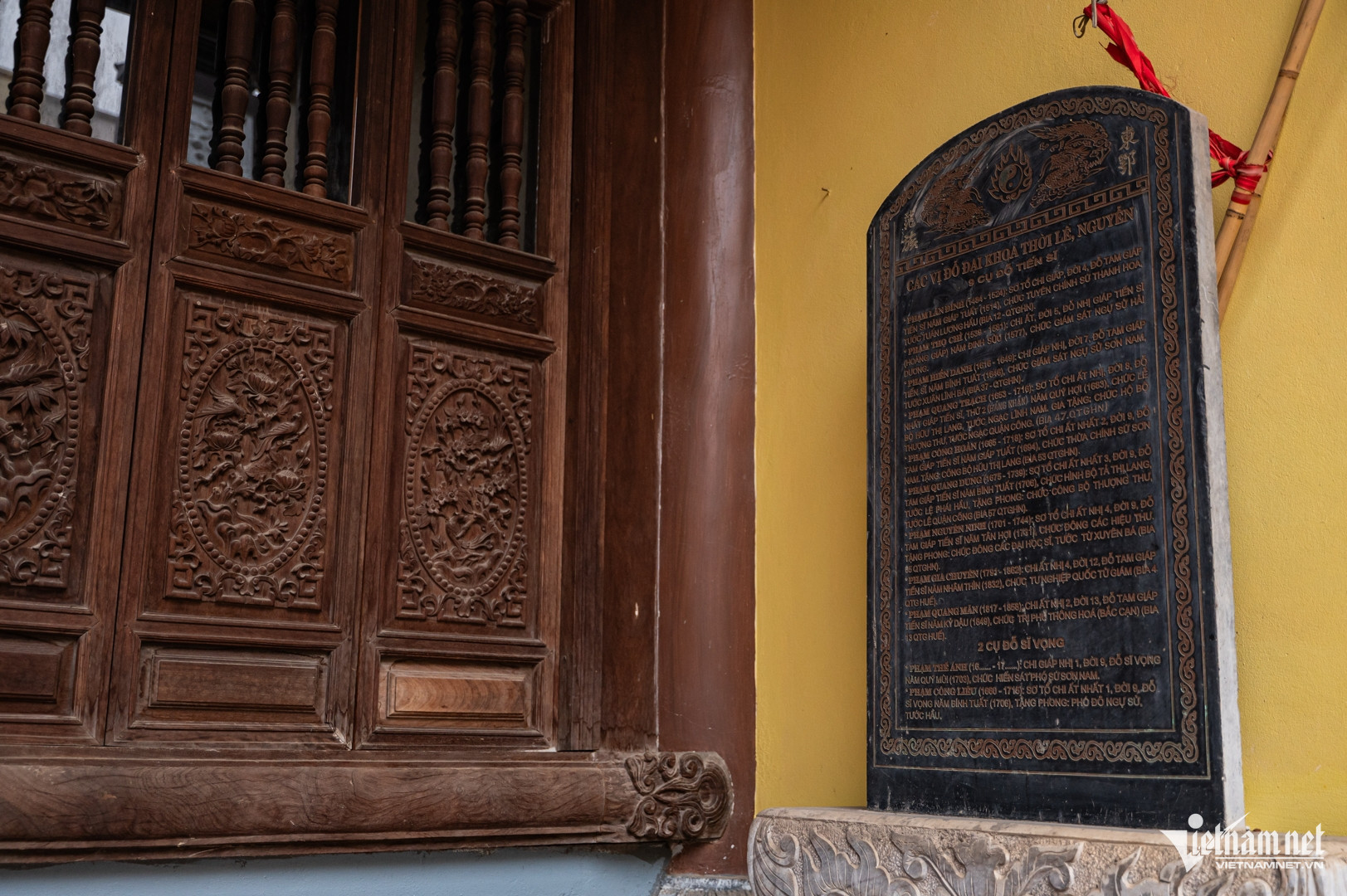
Stone stele engraved with the names of high-ranking doctoral laureates of the clan. Photo: Nguyen Huy.
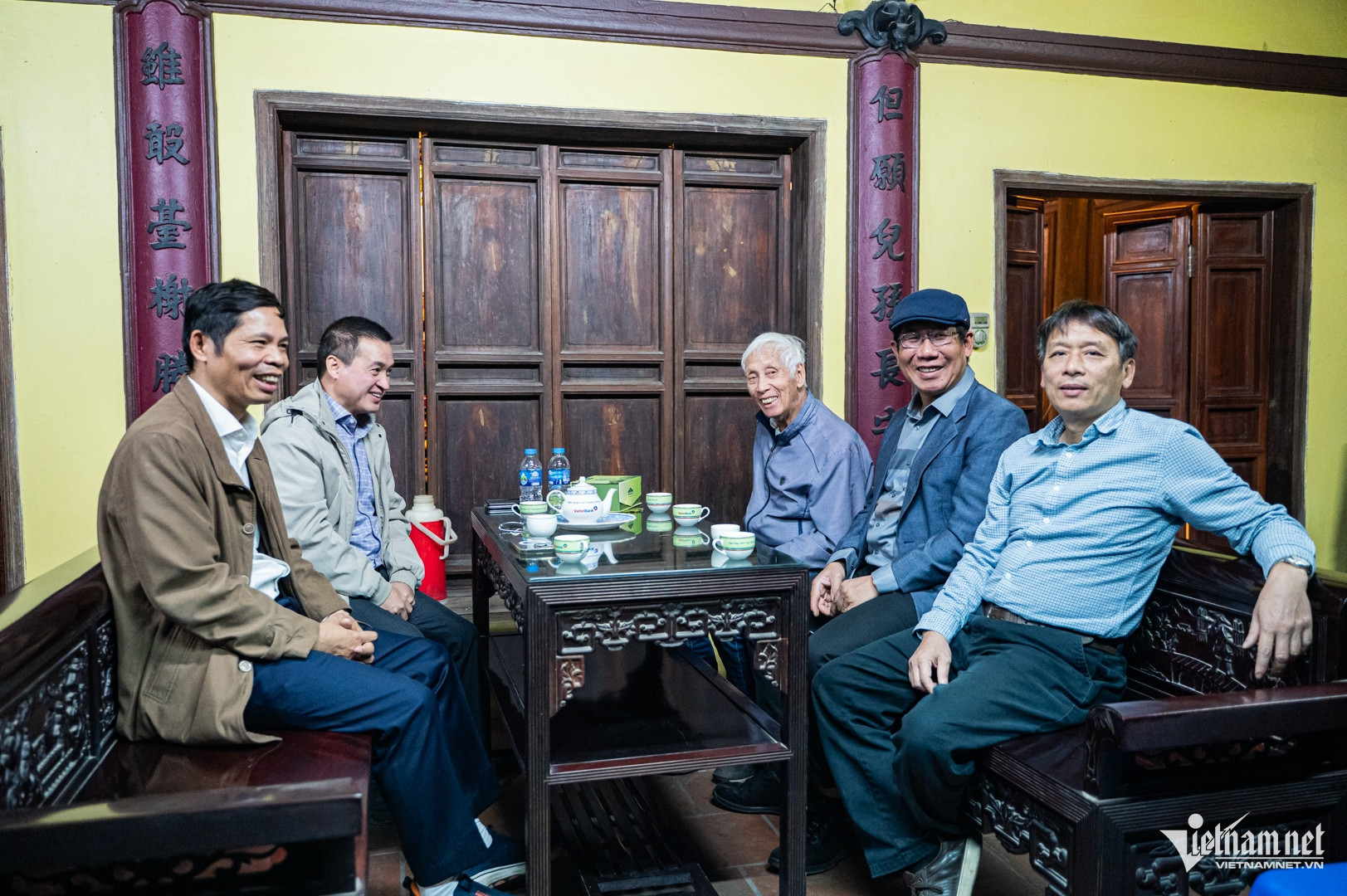
Family members place strong emphasis on educating the younger generation. Photo: Nguyen Huy.
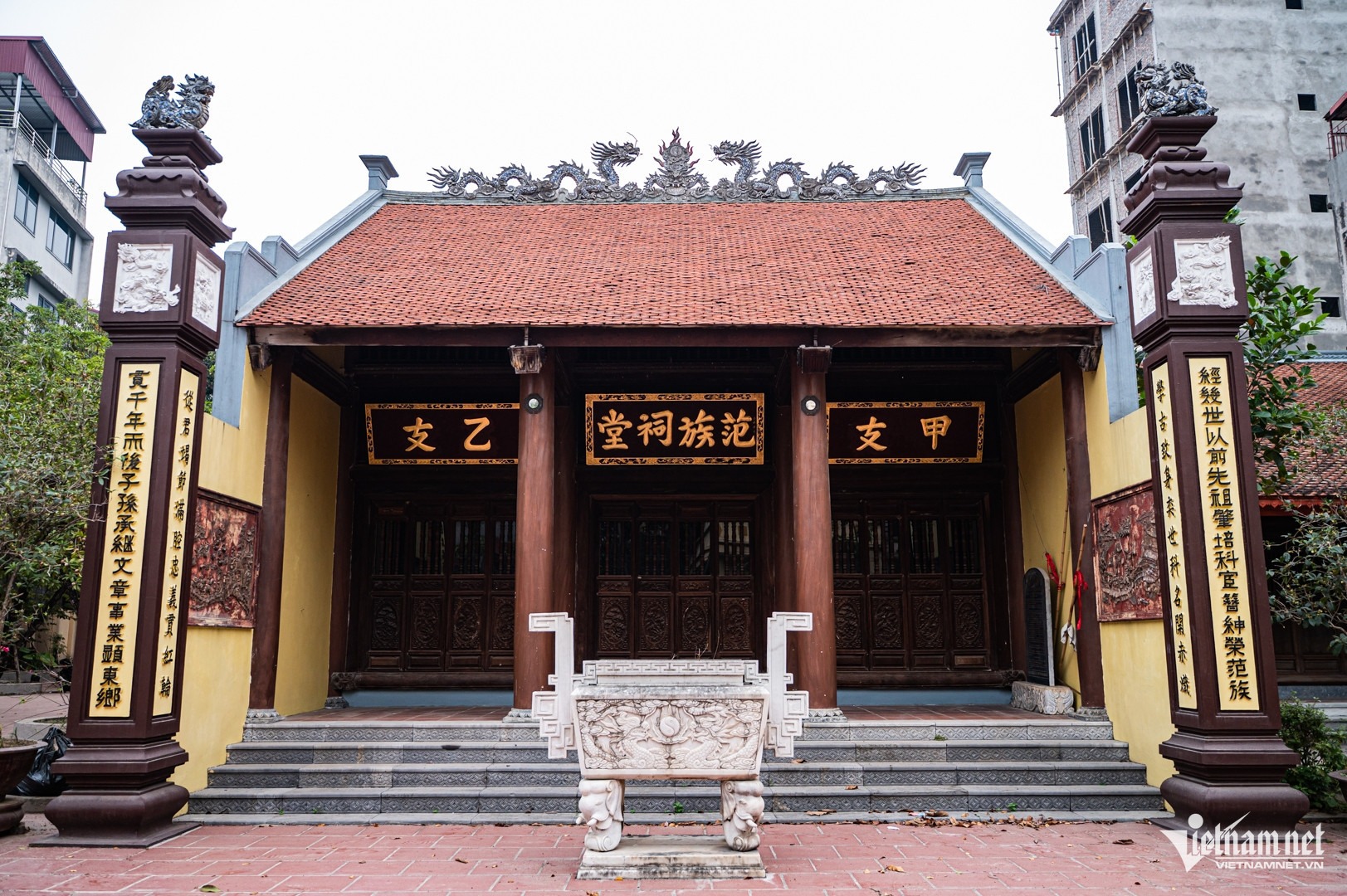
The main ancestral house of the clan. Photo: Nguyen Huy.
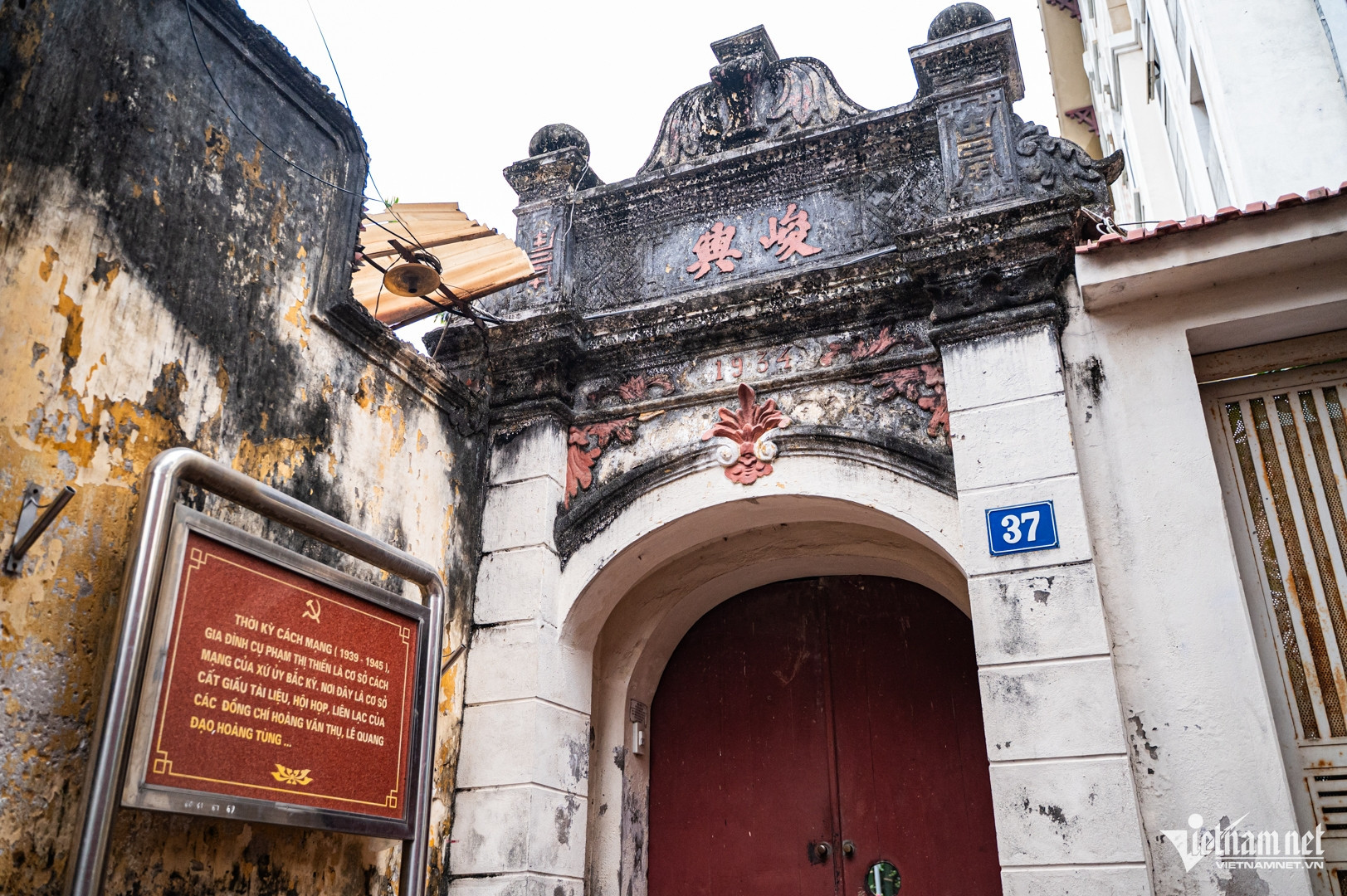
The old house once served as a secret revolutionary meeting site. Photo: Nguyen Huy.
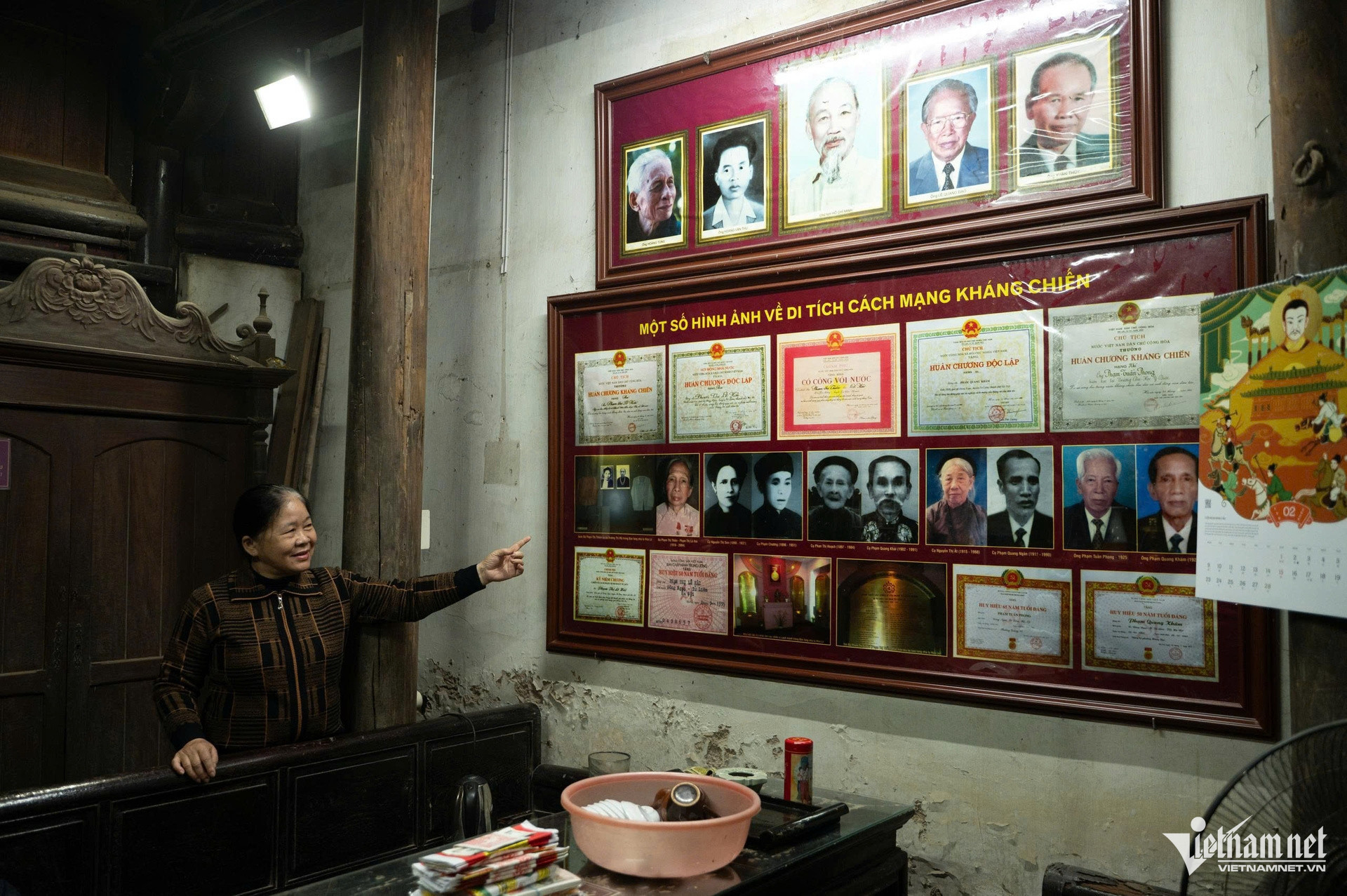
Linh Trang
.svg)
