 Vietnamnet.vn

 Podcast



Tucked away off the coast of Quang Ngai, a small island in the Ly Son archipelago has quietly earned a reputation as a “tourist paradise in the middle of the sea” - or, as many travelers like to call it, the “Maldives of Vietnam.”
From April to August each year, Ly Son enters its most beautiful season. The skies turn clear, the sea calms, and visitors arrive in growing numbers, drawn by the promise of sunlit days and crystal waters.
While Cu Lao Re (Big Island) is already well known for landmarks such as Hang Pagoda, To Vo Gate and Hang Cau, it is An Binh island - often called Be Island - that leaves many visitors unexpectedly captivated.
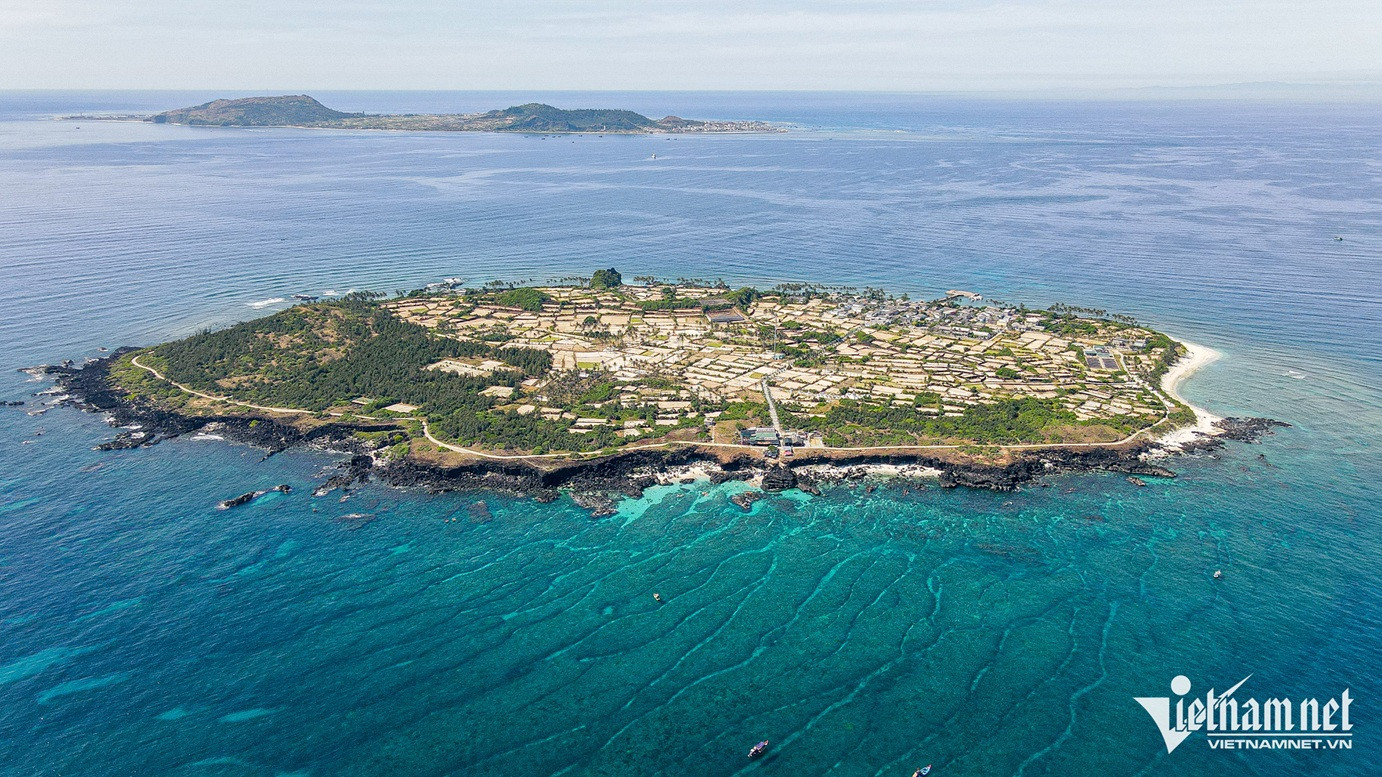
Located about three nautical miles northwest of the main island, An Binh spans just 0.69 square kilometers. True to its name, which means “peaceful island,” it remains quiet, sparsely populated and refreshingly untouched. Small homes face the sea, catching the wind and sunlight in a rhythm that feels far removed from urban life.
Most residents rely on fishing and farming garlic, onions and vegetables. Only in recent years have around ten households begun offering homestays and basic tourism services.

For Manh Tien Khoi, a travel content creator from Ho Chi Minh City, the island was a revelation. Despite having visited many well-known islands in Vietnam and abroad, he found himself genuinely surprised.
Curiosity brought him here, drawn by the nickname “Maldives of Vietnam.” What he found exceeded expectations.
Though just a 15-minute speedboat ride from the main island, the atmosphere feels entirely different - quieter, slower and still holding onto a rare sense of rawness.
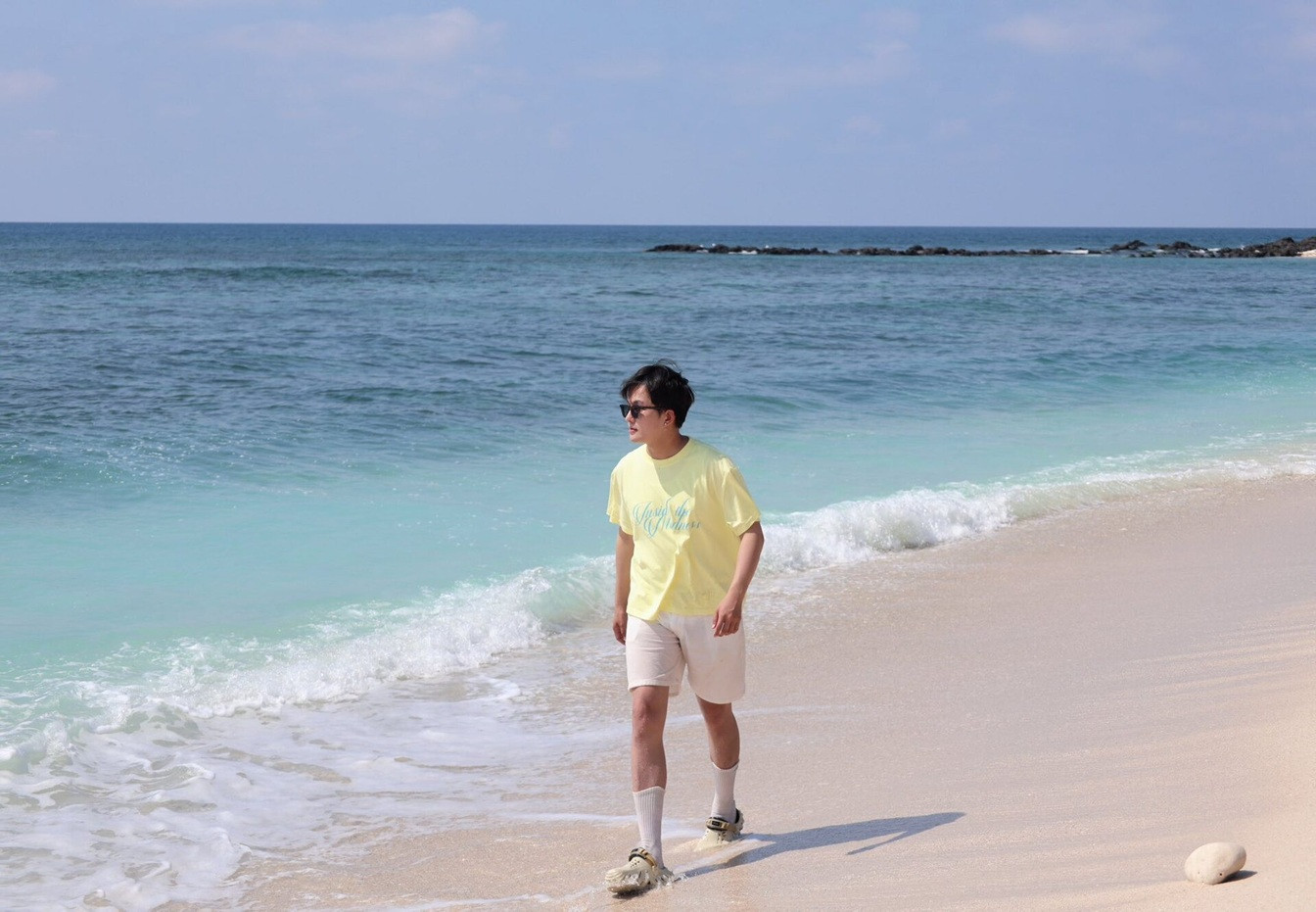
The first impression is immediate. White sand stretches along the shore, while the water shifts in shades from jade green to deep blue. In some places, the seabed is visible through the clear surface, revealing layers of rock below.
The island’s volcanic origins add another layer of character, with striking black lava formations scattered along the coastline.
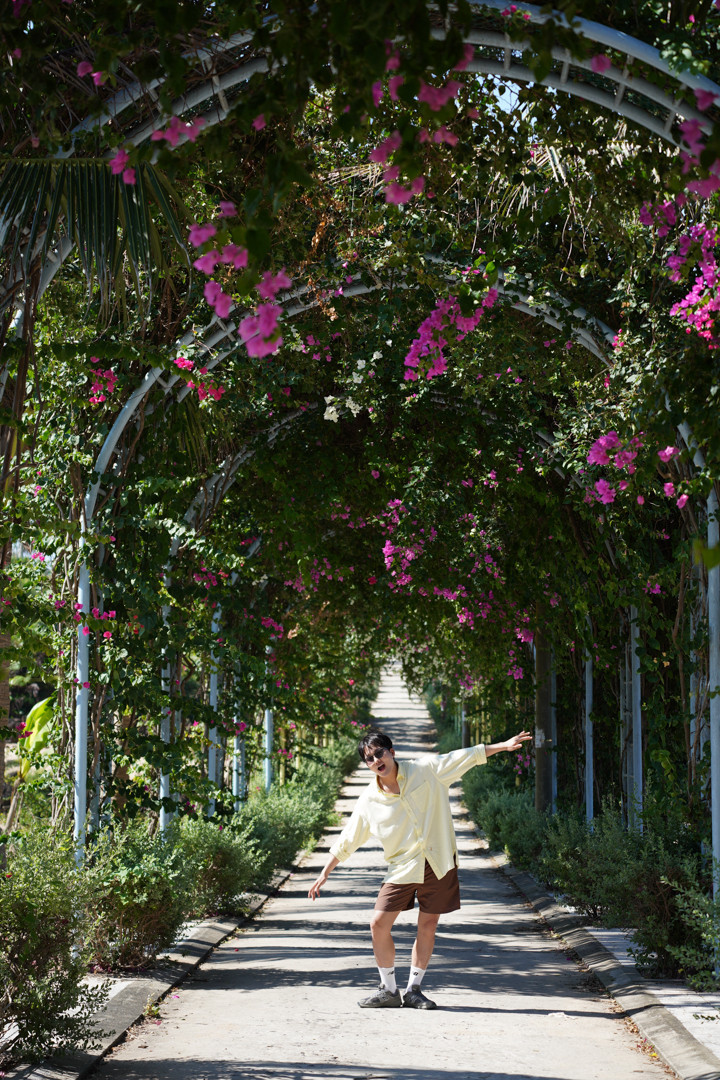
Khoi arrived on the island at 7:30am, checked into a homestay and rented an electric motorbike to explore. With limited infrastructure, the experience is less about ticking off attractions and more about wandering - past seaside almond trees, mural-lined village walls, blooming bougainvillea and quiet beaches like Bai Ngang.
In the afternoon, he headed to Bai Tay, paddled a kayak near the harbor and waited for sunset - one of the island’s most peaceful moments.


Today, visitors can try simple activities such as SUP, kayaking, basket boat rides and snorkeling to admire coral reefs, all at modest prices.
Yet what stayed with Khoi most were what he called the island’s “curiously unusual details.”
There is only one place serving breakfast, and it often sells out by 7am. Those hoping for a bowl of noodles or banh xeo must wake early. Prices remain low - around VND25,000 (US$1) for a generous noodle dish, or VND3,500 (US$0.14) per banh xeo.
Cash is essential, as digital payments are not widely accepted.


There are no restaurants in the conventional sense. Lunch and dinner are usually arranged through homestays, with ingredients brought over from the main island upon request.
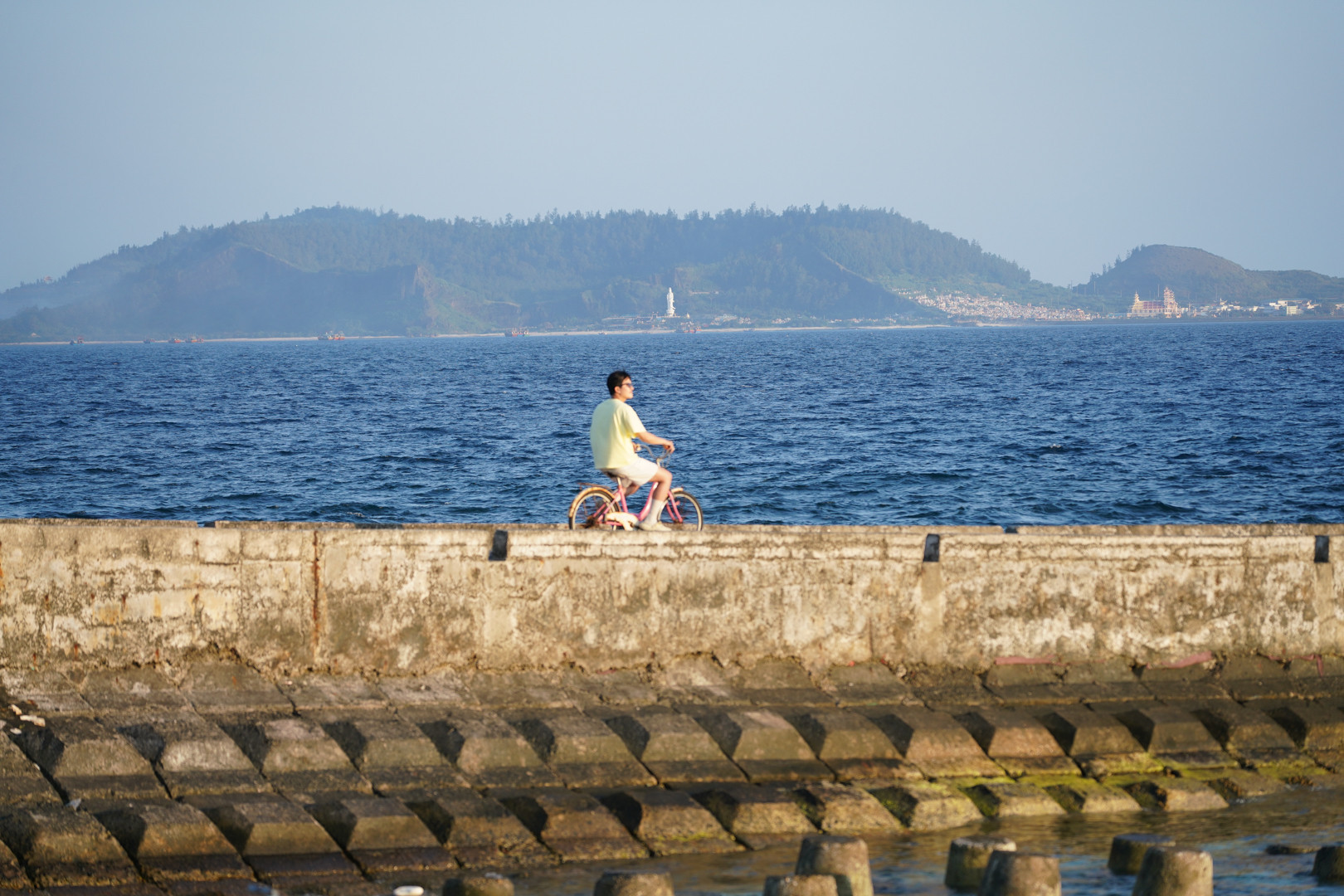
With such a small area, most locals travel on foot, by bicycle or motorbike. Visitors can leave their vehicles anywhere without concern - transporting a motorbike off the island without notice is nearly impossible.
Accommodation is simple. Homestays typically offer just a few rooms, without the polished amenities of larger resorts. Yet they are clean, thoughtfully arranged and equipped with essentials like air conditioning.
What stands out more is the warmth of the hosts.

Fresh water, however, is scarce. Residents collect rainwater in large containers and sometimes purchase additional supply from the main island at around VND200,000 per cubic meter (US$8). Aware of this, visitors are encouraged to use water sparingly.
According to Bui Thi Huong, a local homestay owner, the island has no market, which explains the limited number of eateries. Meals are prepared only when guests place orders in advance.
“People here are still very simple and sincere,” she said. “We hope the island’s natural beauty and our hospitality will be enough to make visitors want to stay.”
In recent months, images of An Binh have spread rapidly across travel communities. Since March 2026, demand has surged, with many homestays fully booked for upcoming holidays, including the Hung Kings’ Commemoration Day and the April 30 - May 1 holiday.
For Khoi, the island is not for those seeking luxury or convenience.
It is for those who want, even briefly, to step away from the noise of everyday life - and find something quieter, more grounded and unexpectedly meaningful.


Linh Trang
.svg)
