 Vietnamnet.vn

 Podcast



Tran Nghi
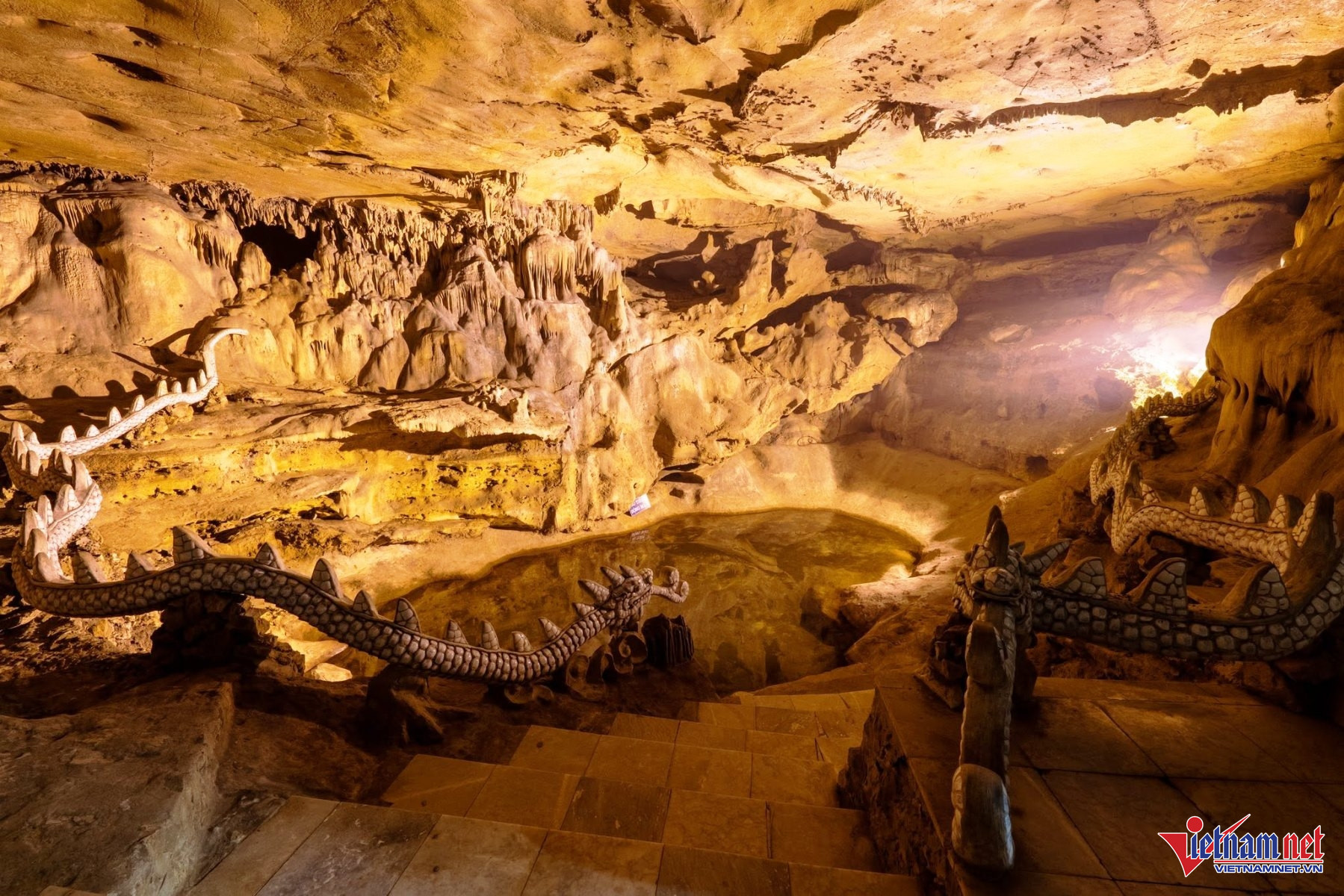
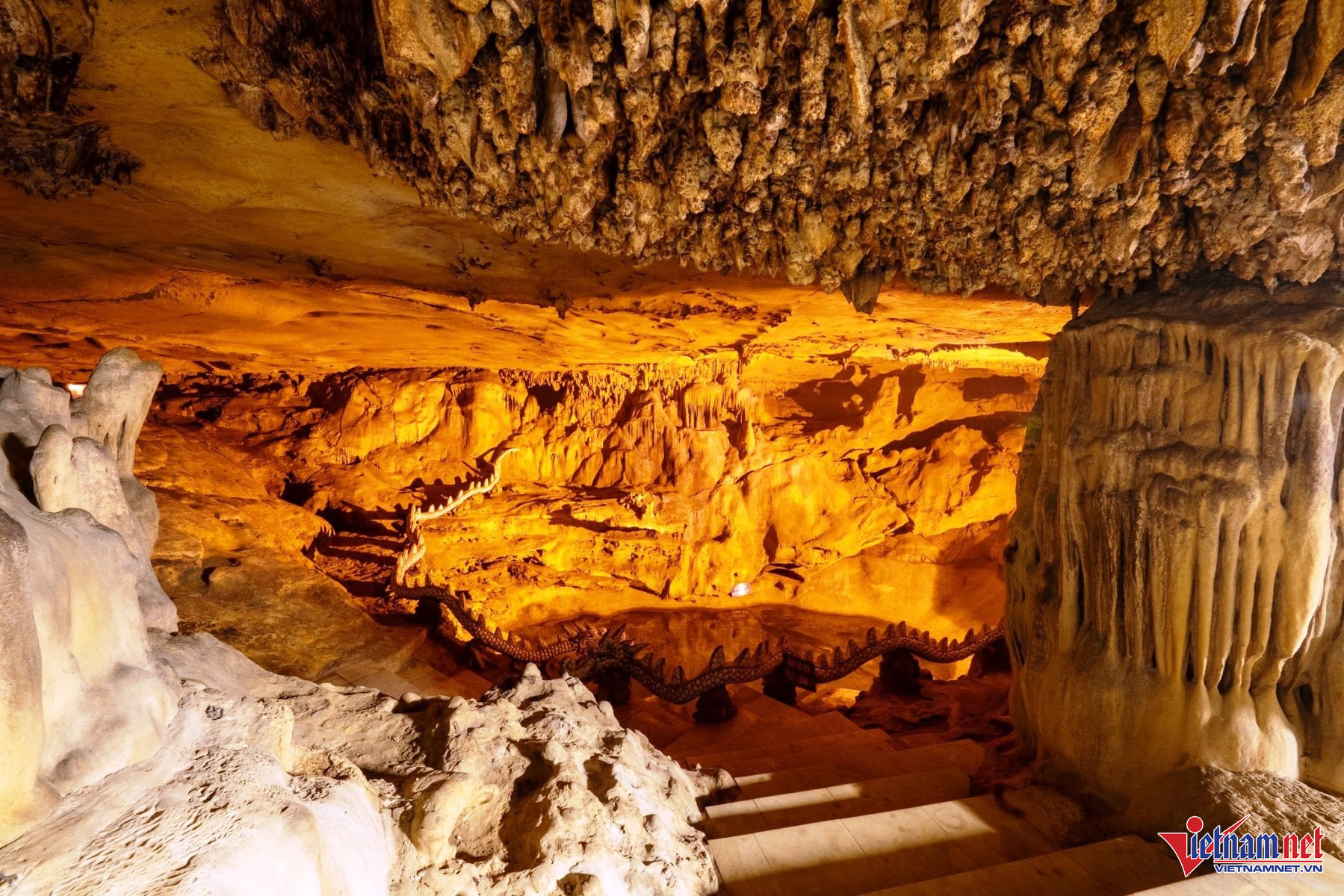
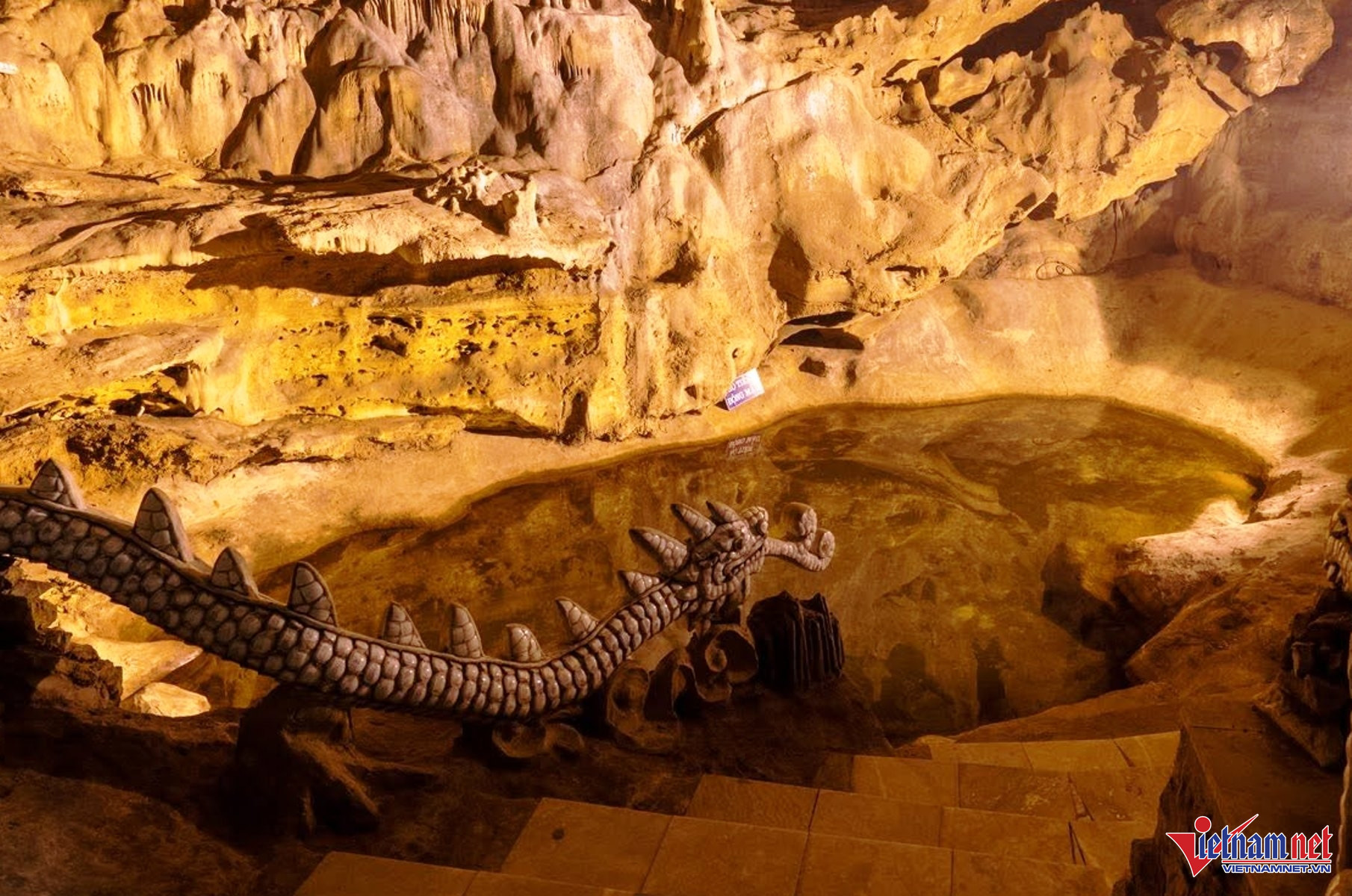
Known as Fairy Pond, the small body of water occupies only a few square meters and sits beside the pathway leading to the underworld section of Dark Cave, also known as Mau Cave, within the ancient Bai Dinh Pagoda complex.
Dark Cave was reportedly discovered by chance when local residents excavated a giant termite mound near the cave entrance. Its name was chosen to complement Bright Cave, a nearby cave dedicated to Buddhist worship that had already been named.
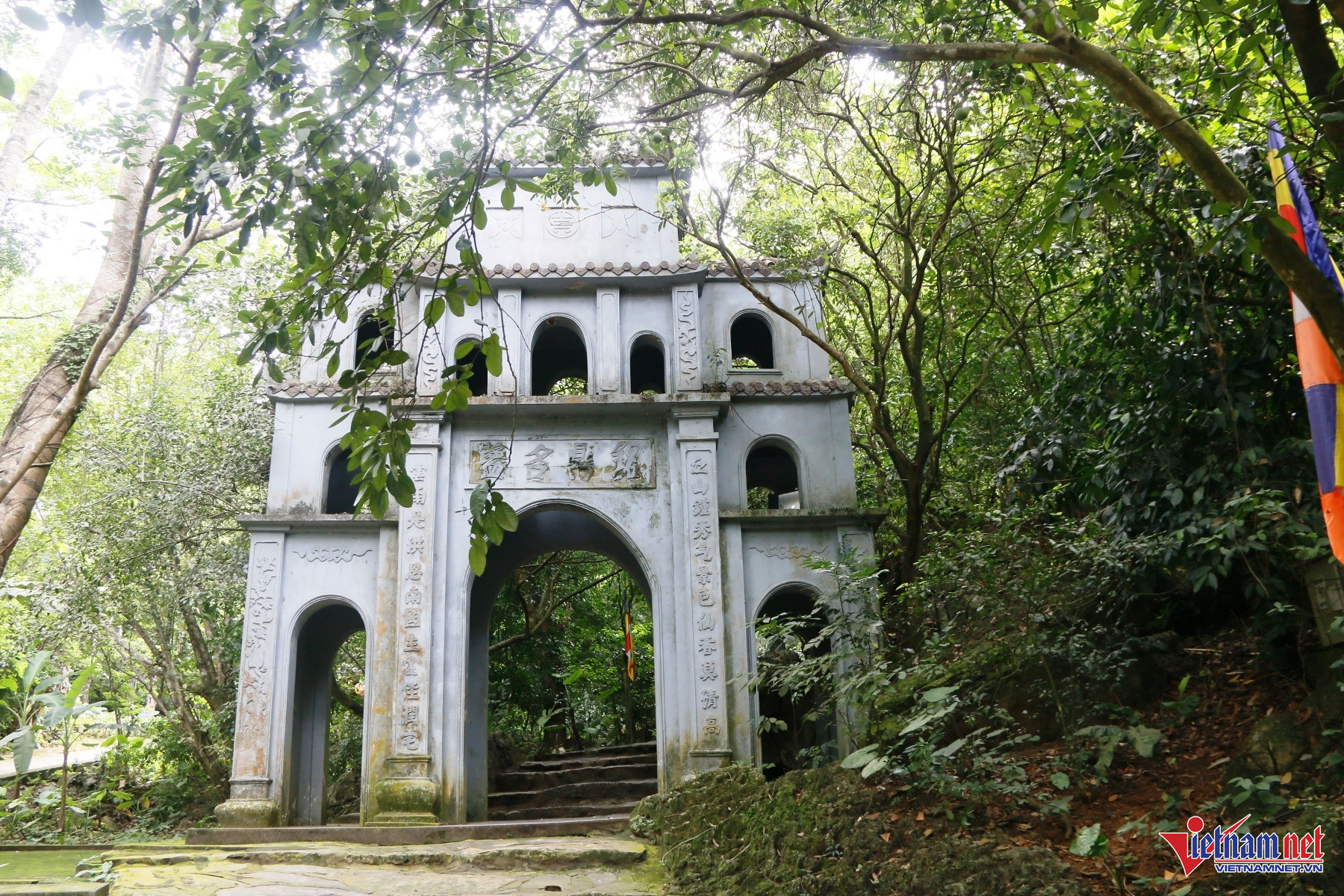
To reach ancient Bai Dinh Pagoda on the summit of Dinh Mountain, visitors must climb more than 300 stone steps from the three-entrance gate located halfway up the mountainside.
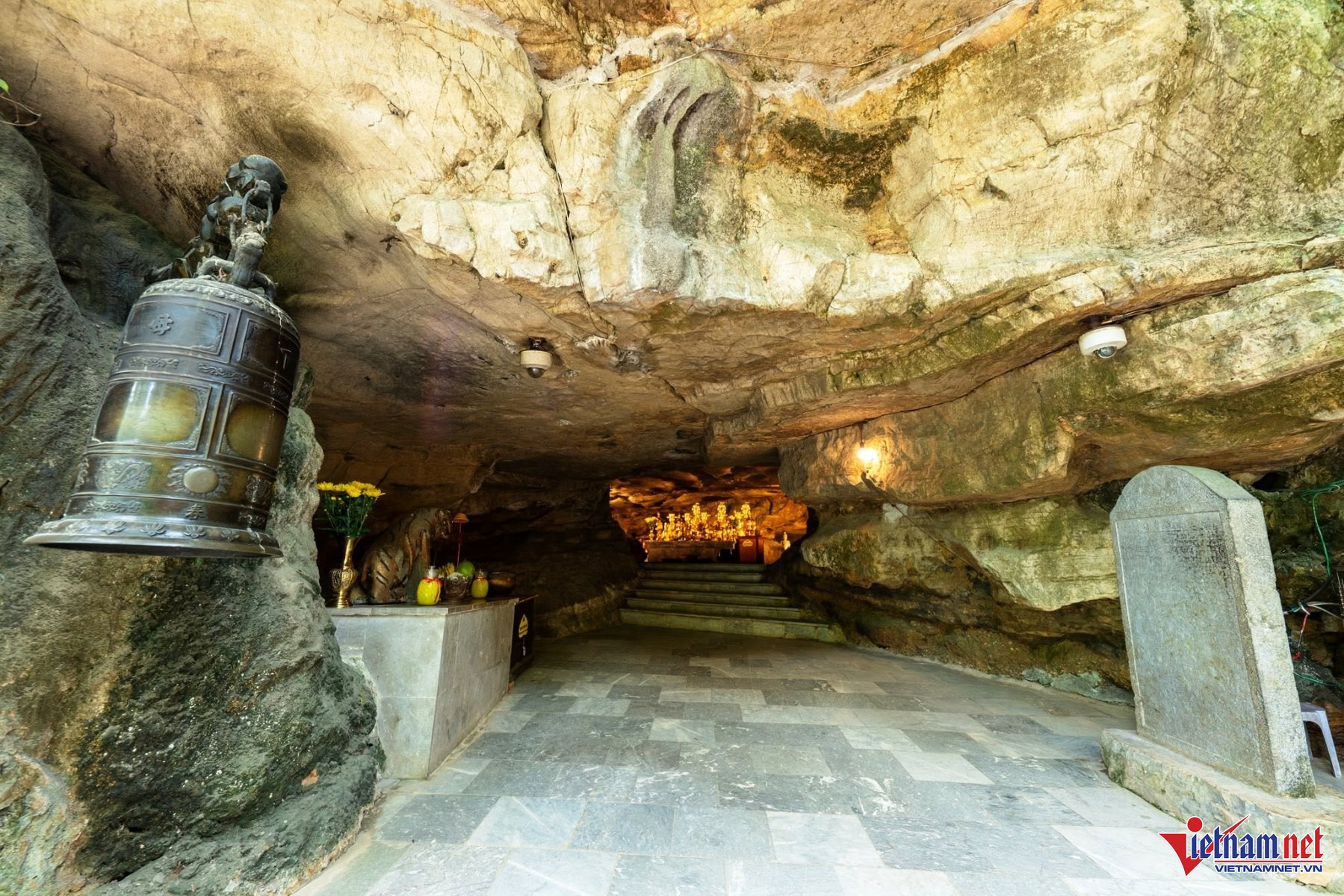
Unlike temples known for grand pillars and imposing halls, ancient Bai Dinh reflects the early cave-temple architectural tradition, simple in design yet imbued with a sense of sacredness and mystery.
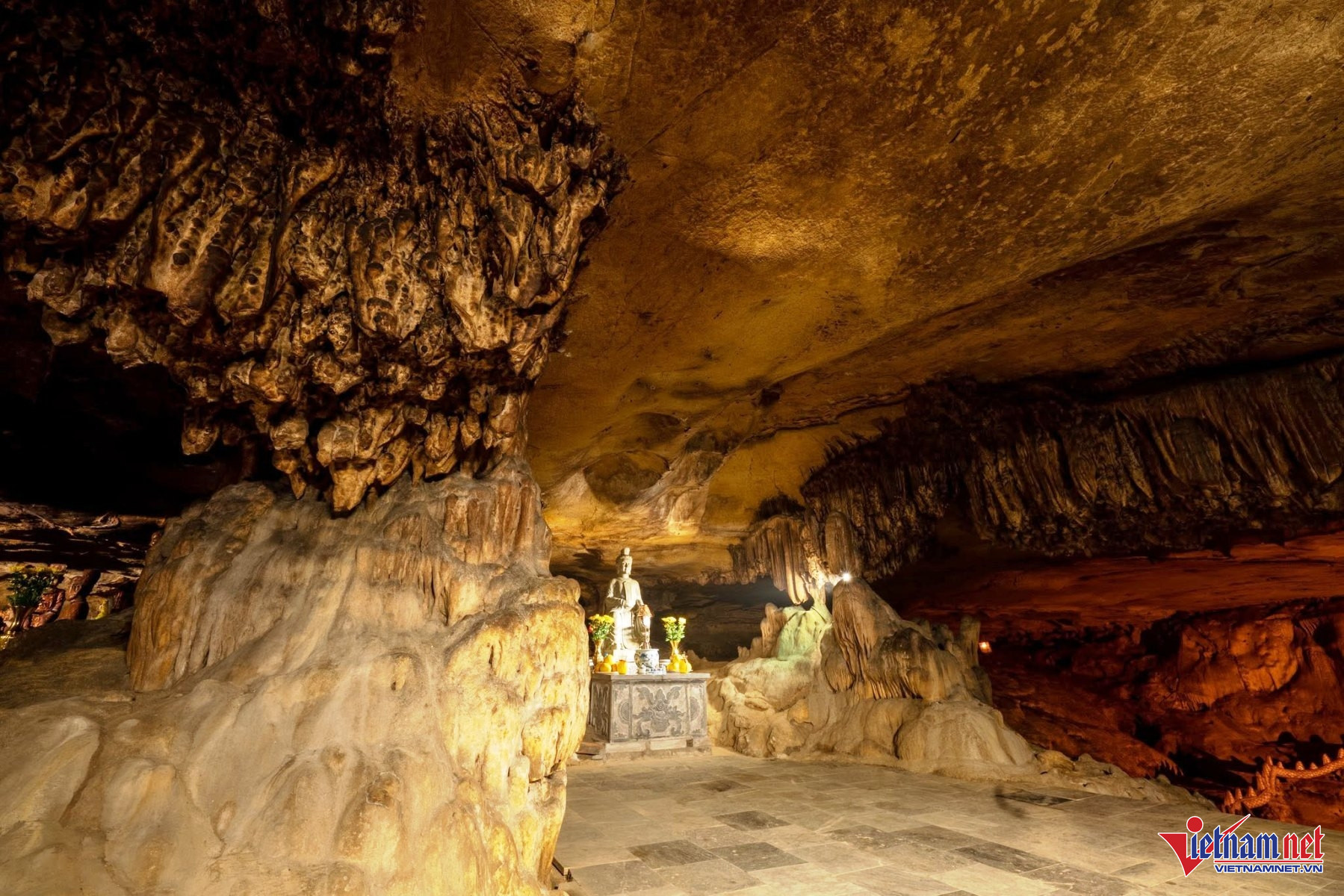
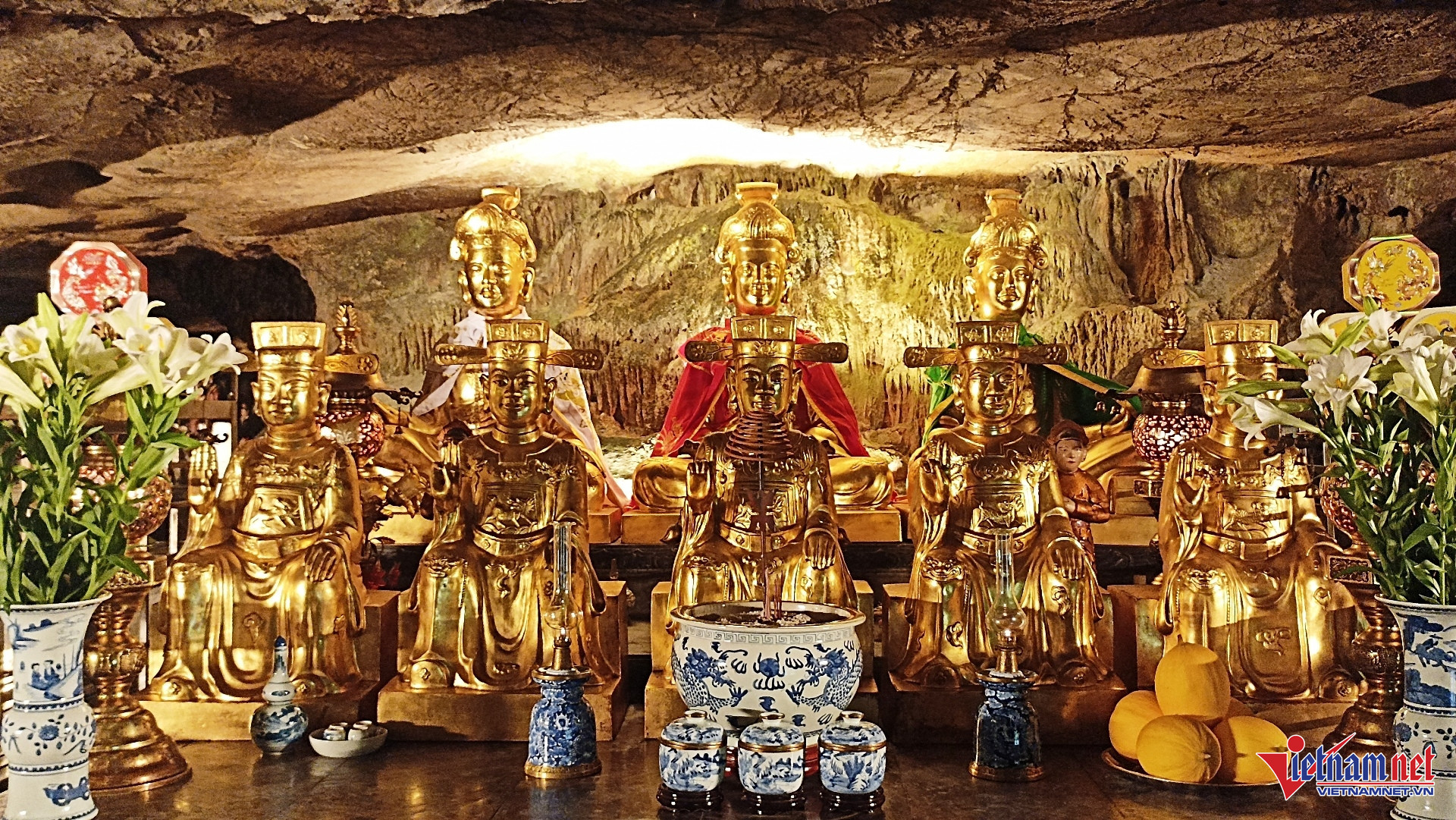
Dark Cave is dedicated to Mother Goddess Lieu Hanh, Mother Goddess Thuong Ngan, Mother Goddess Thoai, the Five Mandarins and the Communal Altar. Inside, visitors encounter a series of interconnected chambers filled with ancient statues, along with symbolic pathways said to lead "to heaven" and "to the underworld."
The cave's most intriguing feature is the small pool located beside the route descending toward the underworld. Its water remains cool, crystal clear and transparent to the bottom throughout the year.
In the past, local people referred to the pool as Fairy Pond or "Nhan Long An Son," meaning the Dragon Eye Hidden in the Mountain. Over centuries, natural mineral deposits have formed a striking array of stalactites and stalagmites throughout the cave, resembling heavenly pillars, Buddha's hand fruits and a mother's breast. Water droplets continue to seep steadily from these formations into the pond below.
According to tour guide Nguyen Hoa Man, Fairy Pond is regarded as a place where blessings gather and where the vital energy of heaven and earth converges. Local belief holds that the underground water source is connected to Ngoc Well at the foot of the mountain, creating a pair of dragon eyes that symbolize the sacred geomantic energy of the Bai Dinh landscape.
Historian Truong Dinh Tuong, chairman of the Ninh Binh Historical Science Association, offered a traditional interpretation of the site.
"If Ngoc Well at the foot of the mountain is the exposed dragon eye, then Fairy Pond inside Dark Cave is the hidden dragon eye," he said. "The combination of one eye at the mountain's base and another on its summit creates a unique double-dragon water formation. In traditional feng shui, these two dragon eyes form a perfect balance between mountain and water, yin and yang, bringing spiritual energy and sacredness to this land."
For centuries, local residents say they have never witnessed Fairy Pond run dry. Even during the most severe droughts, when nearby rivers, streams and ponds have been reduced to cracked beds and exposed rock, the water within the cave has remained remarkably abundant.
The enduring flow of the spring continues to be one of the most fascinating mysteries associated with ancient Bai Dinh.
.svg)
