 Vietnamnet.vn

 Podcast



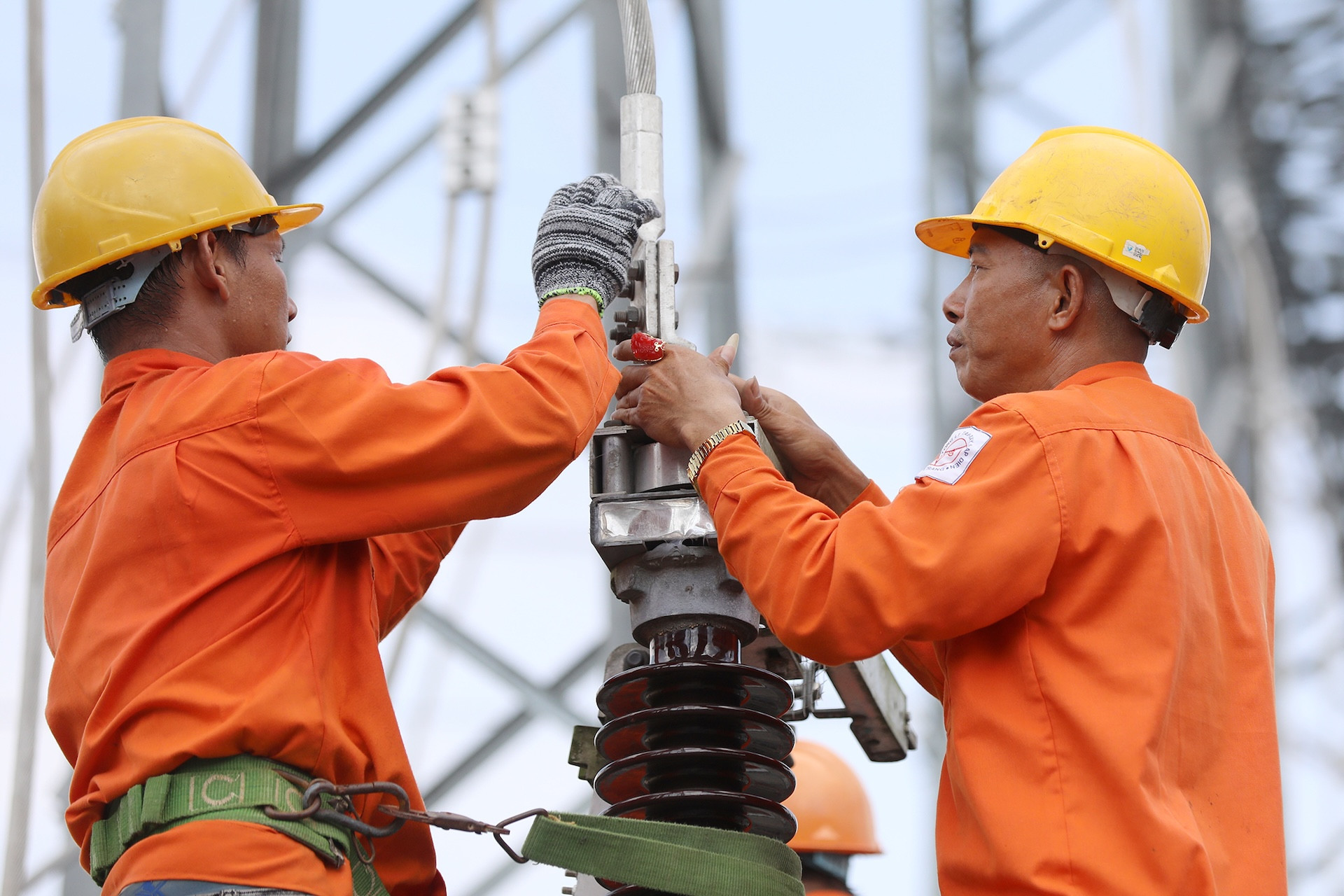
This is a profit that very few enterprises in Vietnam can achieve. Yet when viewed through the lens of power infrastructure investment, the picture looks very different.
In 2025 alone, EVN invested VND125,778 billion. Its total investment capital over the past five years has approximated VND500,000 billion. This implies that the entire profit from the past year does not even equal half of the investment demand for a single year.
In other words, this highly debated profit figure actually equates to only about five months of EVN's investment at its current pace.
For EVN, the narrative does not reside in the profit of a single year or two years, but in the capacity to construct new power plants, deploy new transmission lines, and guarantee electricity for the economy throughout the decade ahead. If it cannot reinvest in expansion, EVN will find it highly difficult to shoulder its mandated role as the nationwide electricity supplier.
The expansion challenge
According to the adjusted Power Development Plan VIII (Plan 8), Vietnam’s total power generation capacity must climb from roughly 87,600 MW currently to 183,000 MW by 2030. This means that in less than a decade, Vietnam must build nearly 95,000 MW of new power sources, equivalent to building a second national power system alongside the existing one.
A power plant typically requires about five years of preparation and construction, meaning that the electricity of 2030 is actually being determined by the investments of today.
However, what is noteworthy is that the majority of this expansion will sit outside the independent investment capacity of EVN.
Under Plan 8, EVN is projected to invest in roughly 13,000 MW of new power sources. The remaining over 80,000 MW will hinge upon the capital allocation decisions of other investors.
In other words, the grandest puzzle for the power sector in the upcoming phase no longer lies in technology or operation, but in securing adequate capital to build new power sources.
Vietnam's power narrative is no longer an isolated matter for EVN, but the entire economy. That pressure is so immense that EVN currently commands roughly 70 out of 100 of the total investment capital across 18 state-owned corporations and economic groups.
Where will the money for this massive expansion of the power system come from?
For many years, international lenders were willing to finance large state-owned enterprises because they believed the government stood behind them as a guarantor.
Today, however, the financing landscape has changed considerably. The government no longer provides blanket guarantees for state-owned enterprise borrowings as it once did.
For lenders, being a state-owned enterprise is no longer enough. What lenders want to know is whether EVN can generate sufficient cash flow over the next 10 or 15 years to repay its debts.
From a financing perspective, profit is no longer merely a figure on a financial statement. It determines whether EVN has the credibility to secure loans for future power projects.
This also explains why every debate about electricity prices becomes so sensitive.
No one desires to pay more for electricity. However, if electricity prices fail to fully mirror investment costs and market risks, it will be highly difficult for any investor to be willing to deploy billions of USD to construct new power plants. When capital fails to flow into the power sector, new plants will fail to materialize. And the price the economy might pay a few years later is the risk of power shortages.
A temporal advantage
Furthermore, even the profit of nearly VND52,000 billion in 2025 does not necessarily reflect EVN's long-term financial health.
According to Nguyen Dinh Phuoc, Deputy CEO of EVN, 2025 was the year hydropower achieved its highest output in history thanks to favorable hydrological conditions. This allowed EVN to curtail the mobilization of higher-cost power sources, contributing to the record profit.
Yet this advantage is temporary and cannot be considered the norm for future years. That makes questions about EVN’s investment capacity even more relevant.
Demand can surge within weeks. Building a new power plant, however, usually takes years.
This is one of the greatest paradoxes of the modern electricity industry: demand emerges quickly, while supply arrives slowly.
The electricity available in 2030 will not be determined by switches turned on in 2030. It will be determined by investment decisions and capital expenditures made today.
Tam An
.svg)
