 Vietnamnet.vn

 Podcast



For nearly ten years, Nguyen Thi Thi - a petite but resolute woman of the Bru-Van Kieu ethnic group - has led her remote village with quiet determination.
As the elected head of Ploang village in Quang Tri province, her leadership has been instrumental in transforming the lives of her fellow villagers, becoming a trusted anchor in a place once marked by deep isolation.
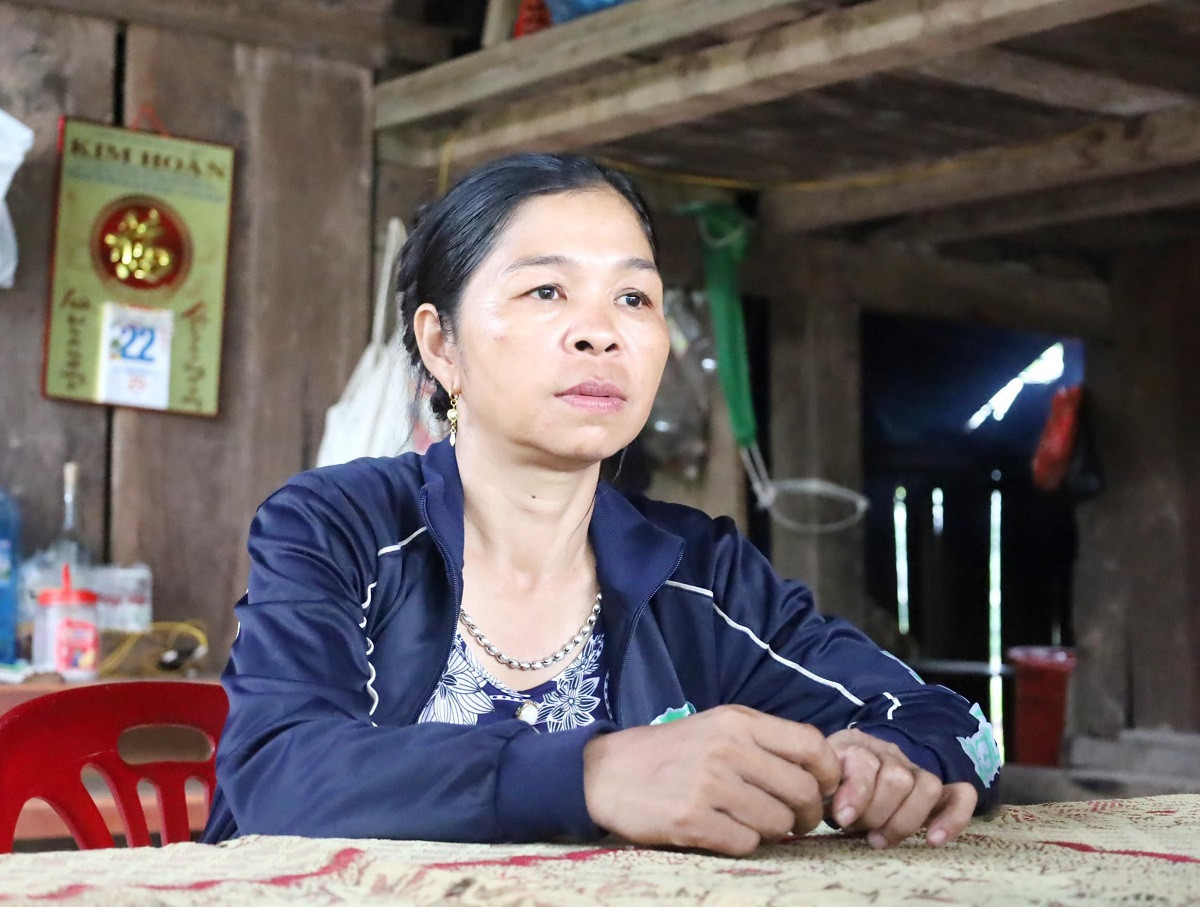
Village chief Nguyen Thi Thi. Photo: V.M
Ploang, located in Truong Son commune, Quang Tri, is home to 35 households and 162 residents, the majority of them Bru-Van Kieu.
Over 20 kilometers from the commune center, Ploang remains what locals call a “three-no” village: no national electricity grid, no mobile signal, and no health clinic.
For generations, the people of Ploang have depended on the forest for survival - hunting, foraging, and harvesting forest products in an environment of persistent poverty.
In 2016, Thi was elected village chief thanks to her energy and commitment.
“Attending meetings at the commune government helped me learn more about laws and life outside the village. With the trust of my people, I began encouraging my family and neighbors to stop logging and shift toward livestock and crop farming,” she said.
“Those healthy enough were encouraged to find seasonal work in other provinces, peeling acacia bark, working construction. Today, no one here is destroying the forest anymore - we’re focused on production,” Thi shared.
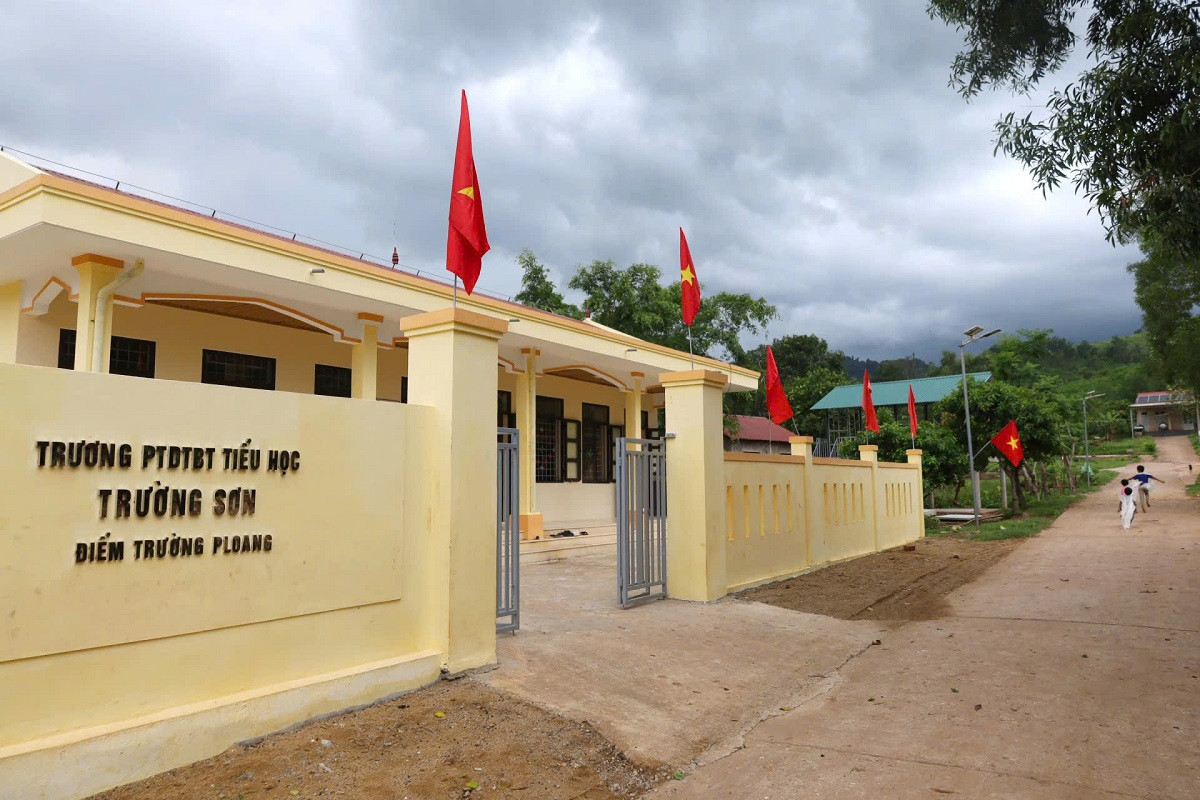
The new school in Ploang, inaugurated for the 2025–2026 school year. Photo: V.M
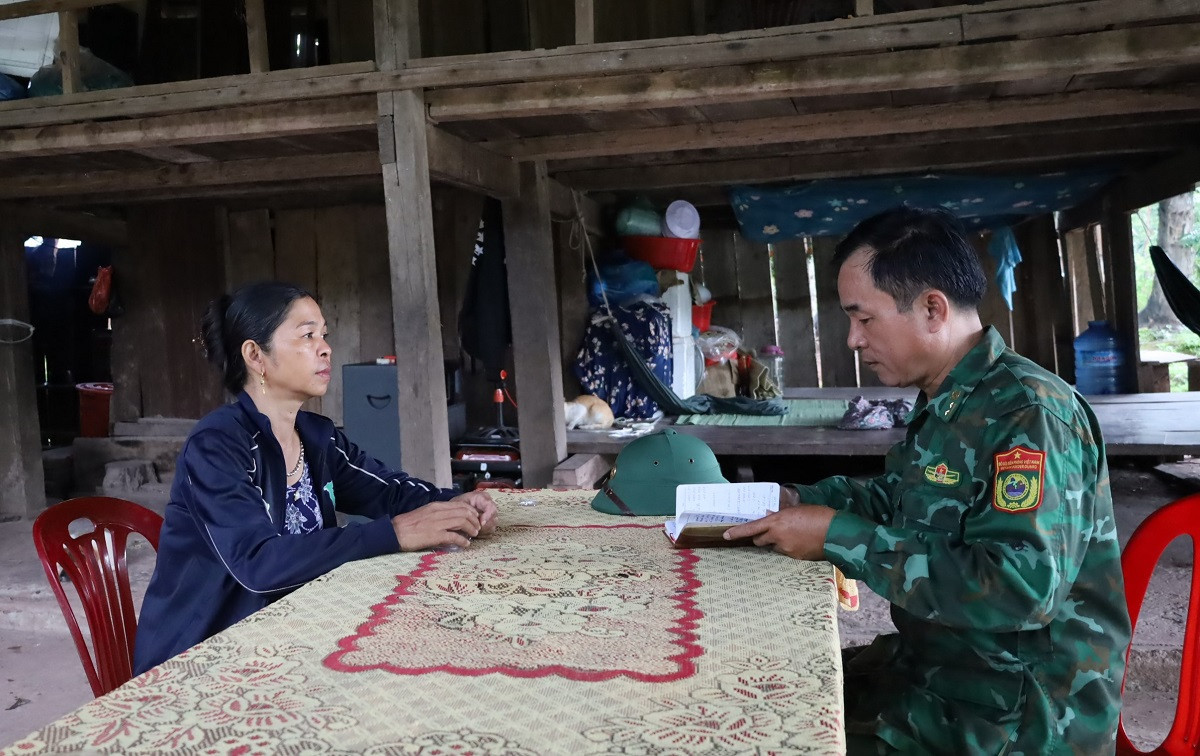
Nguyen Thi Thi has been key to Ploang’s transformation over the past 10 years. Photo: CTV
Since becoming village chief, she has led by example. She convinced her husband and relatives to stop excessive drinking and instead prioritize farming to improve their lives. Together, they began planting economic forests and taking part in protecting natural forests to preserve the environment and secure a better future.
Today, all five of Thi’s children attend school. Her third son, Ho Van Thuan (born 2001), has graduated from university. Her family now raises 20 cows, 8 pigs, 4 goats, and dozens of chickens and ducks.
She has also worked hand in hand with local authorities, border guards, and donors to build a 6km concrete road connecting Ploang to the Ho Chi Minh (Western branch) road. In May 2025, a new school building with two classrooms and a separate, sturdy restroom facility was inaugurated.
From early 2024, she spearheaded the renovation or replacement of 18 dilapidated homes, pushing the rate of substandard housing elimination in the village to over 85%.
As part of her efforts to modernize the community, she also persuaded parents to send their children to school at the right age and discouraged early dropouts. Alongside this, she urged villagers to gradually abandon outdated customs and embrace more modern, civilized ways of living.
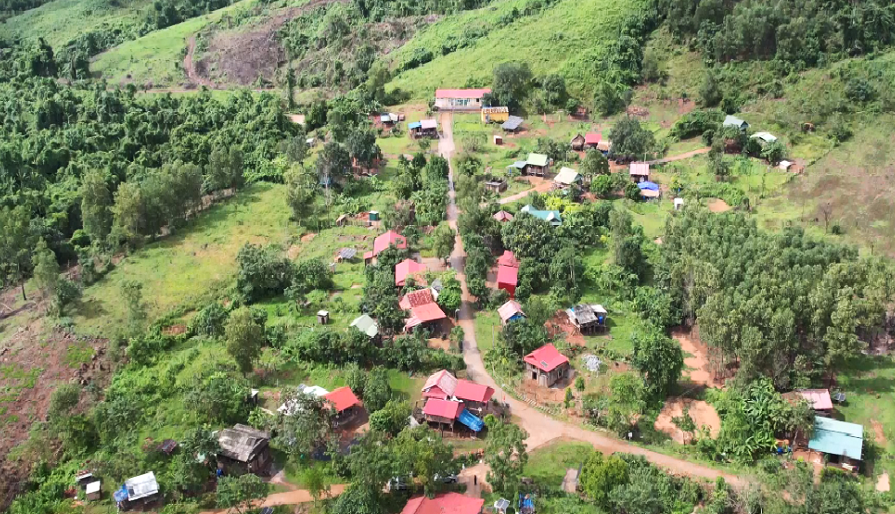
As people witnessed her results, their trust grew. Today, the average household in Ploang owns five buffalo or cows, three goats, and dozens of poultry.
Resident Ho Van Va said with pride: “Thanks to Thi’s encouragement, we’ve learned to stand on our own feet. People are drinking less and helping one another. There’s a growing spirit of self-reliance in our community, and we’re building a better future together.”
Hoang Manh Ha, chairman of Truong Son commune’s People’s Committee, acknowledged Thi’s impact. “Ploang’s economy is improving, and both material and spiritual life have progressed significantly. Border security and social order are well maintained - and Nguyen Thi Thi has contributed greatly to these achievements.”
“She’s also a vital bridge between Ploang and local authorities, helping successfully implement key policies and initiatives from the Party and the State,” Ha added.
In the heart of the mighty Truong Son range, the people of Ploang look to Nguyen Thi Thi not only as a leader but as a source of strength and inspiration. Nearly a decade into her role, she continues to sow hope and keep the flame of transformation burning bright in her village.
Hai Sam
.svg)
