 Vietnamnet.vn

 Podcast



While many traditional village water sources used by the Ede ethnic community in Vietnam's Central Highlands are gradually disappearing, the spring at Kli A Village in Buon Ho Ward continues to flow year-round beneath an ancient forest. More than a source of drinking water, it is regarded as the lifeblood of the community and preserved as a treasured gift from nature.
Protecting the forest to keep the water flowing
A stone stairway leads down to the Kli A village spring, where crystal-clear groundwater emerges beneath a canopy of towering old-growth trees.
Flowing through a simple water pipe, the cool spring has supplied generations of villagers with fresh water.
Today, natural springs like this have become increasingly rare across Dak Lak Province, as urban expansion and the loss of upstream forests have altered traditional landscapes.
Yet the Kli A spring remains remarkably well preserved.
The site is surrounded by more than 2,000 square meters of protected natural forest. This upstream woodland plays a crucial role in replenishing groundwater, allowing the spring to flow continuously throughout the year.
According to Y Chep Mlo, Party Secretary of Kli A Village, the Ede people have long believed that protecting the forest is the only way to preserve the village's water source.
"When our ancestors established the village, they chose a location where groundwater naturally emerged from the forest," he explained. "From that day on, the surrounding forest has been carefully protected."
Village elders continue to remind younger generations never to cut trees in the watershed or disturb the natural flow of water.
"The encouraging thing is that young people clearly understand that protecting the spring means protecting the lifeblood of the village," Y Chep Mlo said.
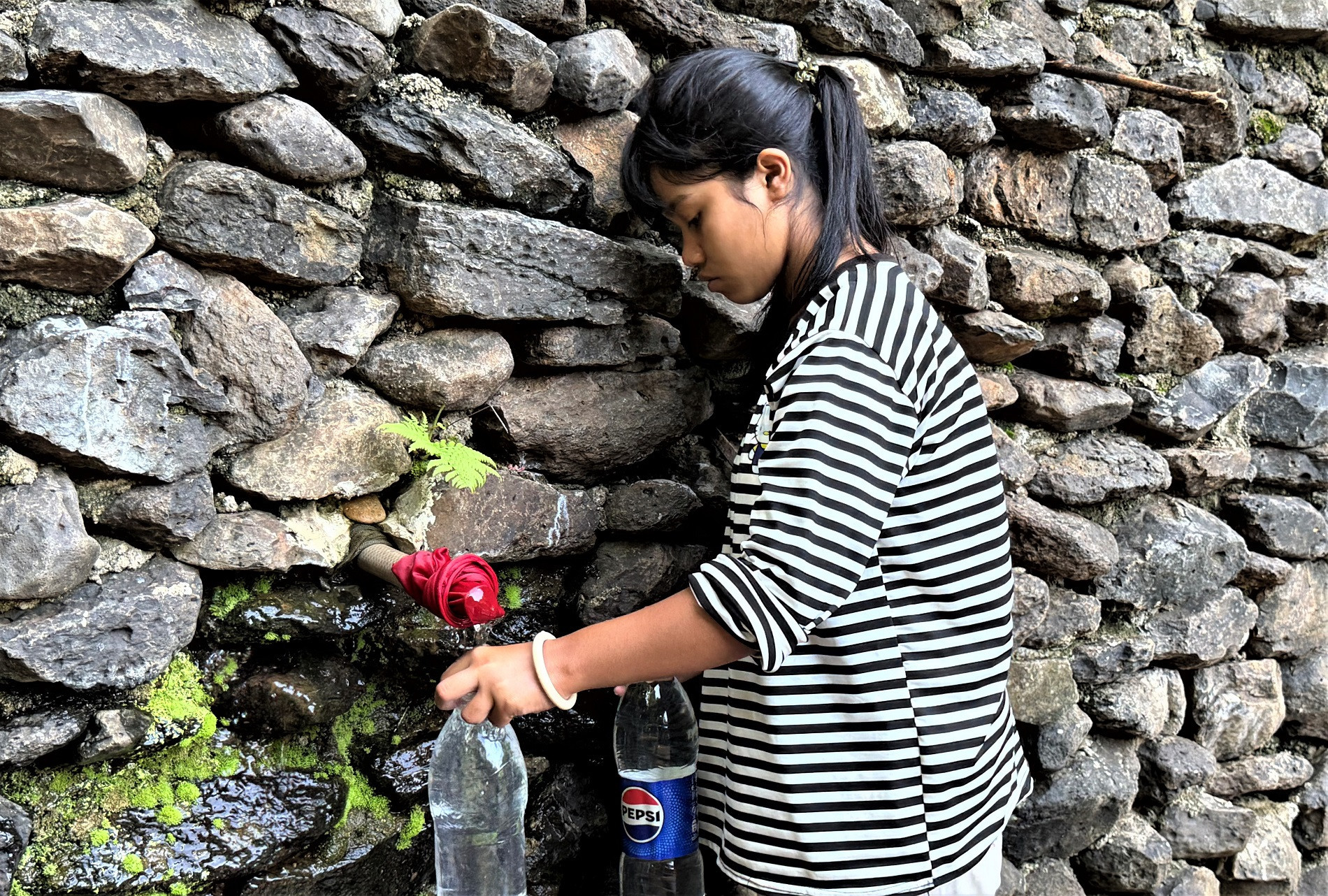
Eighteen-year-old H Dut Nie, who collects water from the spring every day alongside older women in the village, said local residents understand how closely the forest and the spring are connected.
"We know this is a sacred forest. If the forest disappears, the spring will eventually dry up," she said. "To keep the water pure and abundant, we must protect the forest. That's why everyone here helps care for the woodland surrounding the spring."
More than a water source
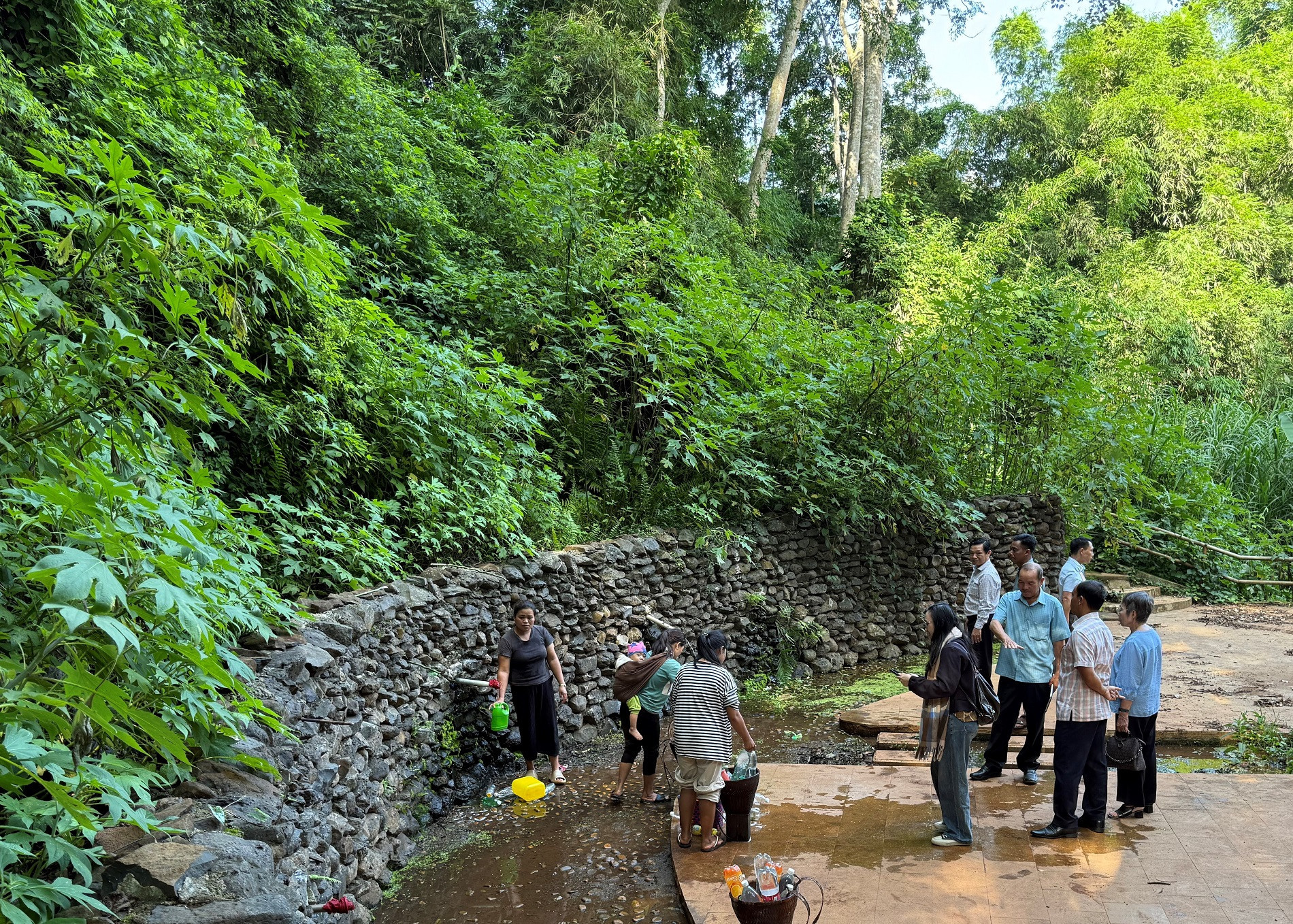
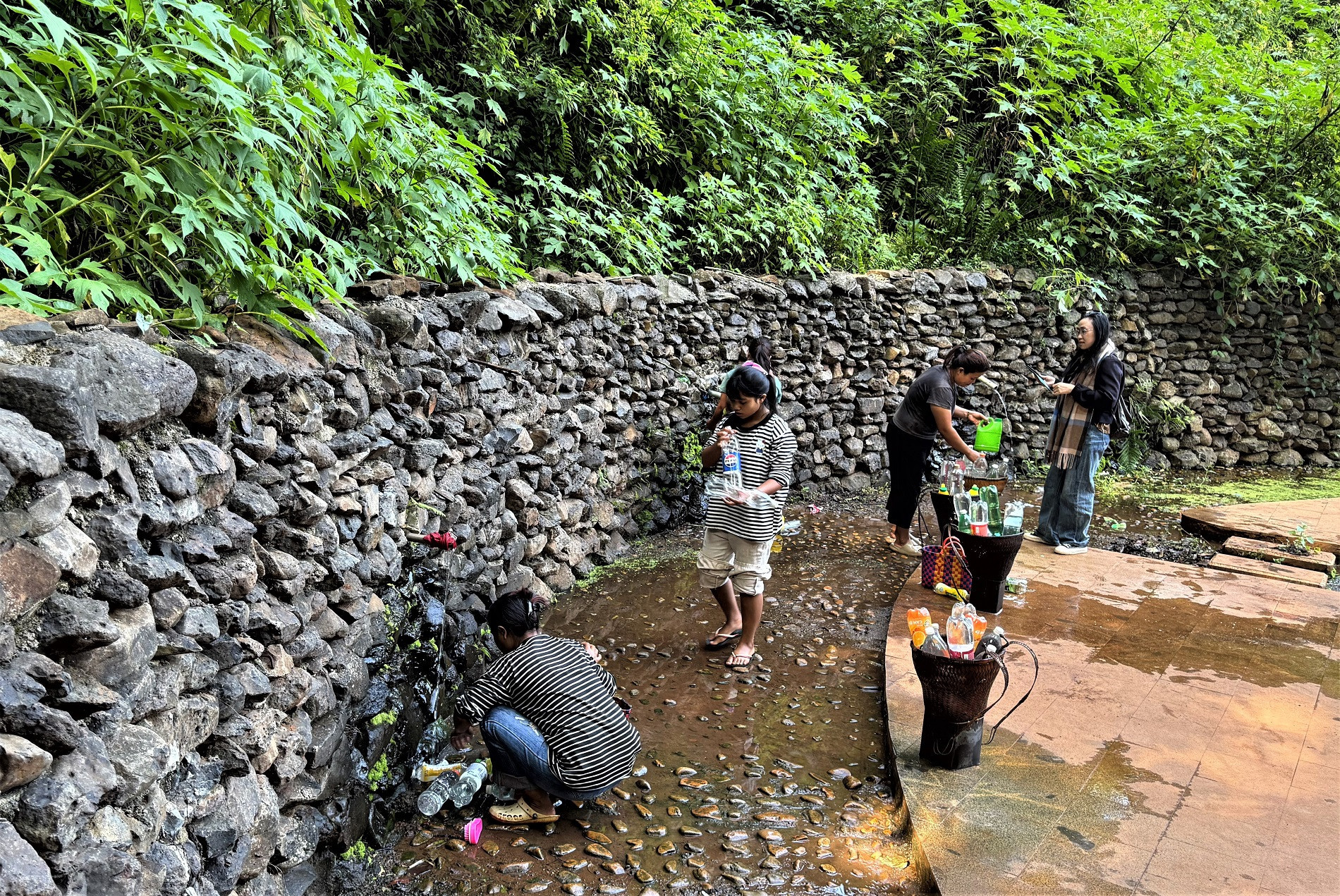
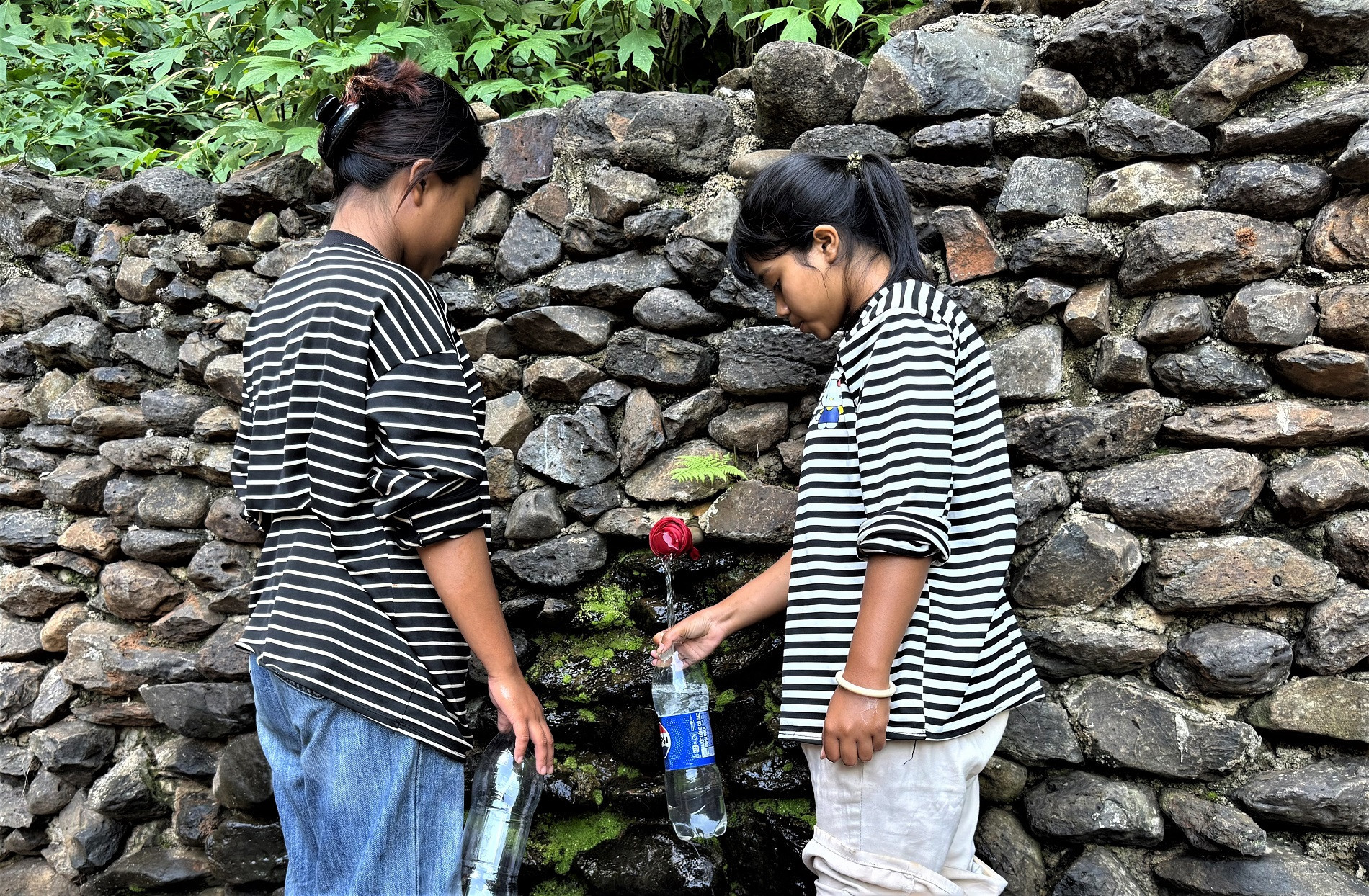
Although most households in Kli A Village now have drilled wells at home, many residents still make the daily trip to the spring to collect drinking water.
In the early morning and late afternoon, it remains common to see Ede women carrying bottles and containers down the forest path to fill them with fresh spring water.
Thirty-three-year-old H Bop Nie said villagers also remind one another not to leave litter around the spring and teach children from an early age to respect the environment.
The area is regularly cleaned through voluntary community efforts.
"No one assigns the work," she said. "Everyone understands that protecting the forest and keeping the environment clean also means protecting our water source and preserving the village's lifeline."
For the Ede community, the spring carries cultural and spiritual significance far beyond its practical use.
After every harvest, villagers gather to perform the Water Blessing Ceremony, offering thanks to the spirits for providing clean water and praying for favorable weather, abundant harvests, peace and prosperity.
These long-standing traditions have also made Kli A an increasingly attractive destination for visitors interested in learning about Ede culture and daily life.
Beneath the shade of ancient trees, the sound of flowing water blends with the quiet rhythm of village life, creating a landscape that has become increasingly rare in modern Vietnam.
For the people of Kli A, protecting the watershed forest and its natural spring is not simply an environmental responsibility - it is a way of safeguarding the cultural identity passed down through generations.
According to Le Tuan Anh, Vice Chairman of the Buon Ho Ward People's Committee, Kli A is one of the few Ede villages that has preserved much of its traditional heritage.
The village is home to 279 households with 1,148 residents, of whom 99.1% belong to the Ede ethnic group.
The spring occupies an area of 2,138.9 square meters and, together with the surrounding forest, has served as the center of community life for generations.
Kli A also continues to preserve a rich range of intangible cultural heritage, including the Central Highlands gong culture, Aray folk singing, xoang dance, traditional rice wine brewing, brocade weaving, and ceremonial rituals such as the Water Blessing Ceremony and the New Rice Festival.
Local authorities see these traditions as an important foundation for developing authentic community-based tourism while preserving the cultural identity of the Ede people.
Le Huong
.svg)
