 Vietnamnet.vn

 Podcast



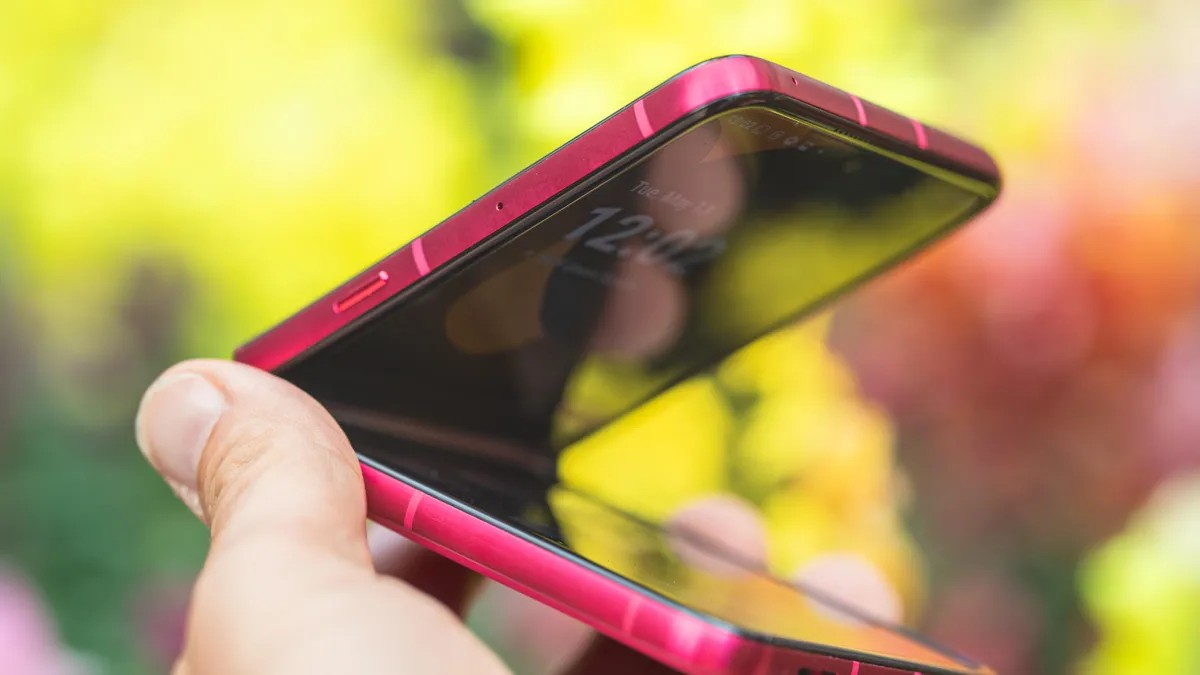
As 2026 kicks off, the foldable phone market is heating up, promising a wider variety of sizes, designs and features - much like the evolution of traditional smartphones in the early 2010s.
Not long ago, foldables were mostly high-tech experiments. Their main purpose was to push design boundaries and test market interest, rather than being widely commercialized.
Today, with Samsung, Google and Motorola all selling multiple foldable models, the category is showing strong momentum. Research firm IDC predicts global shipments will grow by 10% in 2025 compared to 2024.
That figure is expected to rise dramatically in 2026, with a 30% year-over-year increase - boosted by persistent rumors of Apple’s first foldable iPhone.
Samsung’s Galaxy Z Flip and Fold lines have been around for years, but newer concepts like the TriFold and the rumored “Wide Fold” are what truly excite me about the coming wave of innovation.
Huawei is currently leading in innovation, having launched the Huawei Mate XT - a trifold device ahead of Samsung - and the Huawei Pura X, a nearly one-of-a-kind wide-fold smartphone.
According to IDC, Huawei held an impressive 68.9% market share in China’s foldable segment in Q3 2025 - a remarkable feat in a niche sector with fierce competition from Oppo, Vivo, Xiaomi and others.
The variety of new foldable form factors - along with the rumored iPhone Fold - could give consumers four distinct types to choose from in 2026. These devices aim to deliver compact convenience with tablet-sized displays.
Four major foldable styles to watch in 2026
1. Clamshell foldables
Designed for those who want a compact phone without compromising on screen size, clamshell models like the Galaxy Z Flip 7 and Motorola Razr 2025 remain popular.
Despite their pocket-friendly form, they unfold into full-sized smartphones with screens up to 6.9 inches - nearly matching standard slab phones.
2. Book-style foldables
These open horizontally to reveal mini-tablet displays, ideal for web browsing, reading, and multitasking. Examples include the Samsung Galaxy Z Fold 7, Google Pixel 10 Pro Fold, Oppo Find N5, and Honor Magic V5.
Their near-square aspect ratios make them excellent e-readers, though not ideal for widescreen video due to heavy letterboxing.
That said, most can stand on their own when folded halfway - perfect for hands-free video at 16:9 or 21:9.
Thanks to advances in hinge design and silicon–carbon anode batteries, these models are slimmer than ever, approaching the thickness of regular phones.
3. Trifold phones
Representing the most flexible form yet, trifolds like the Samsung Galaxy Z TriFold and Huawei Mate XT offer even more screen real estate.
The Mate XT is especially versatile, morphing between a phone, mini tablet, or wide-format tablet for work and entertainment - a true all-in-one mobile device.
In contrast, the Galaxy Z TriFold provides a full 10-inch display but only works in fully open or closed modes - no mid-range configurations.
Still, it’s a productivity powerhouse, effectively a pocketable Galaxy Tab S designed for both media and multitasking.
4. Wide-fold phones
Leading this style is the Huawei Pura X, offering a 6.3-inch inner display with a 16:10 aspect ratio - ideal for reading and video viewing.
This makes it more ergonomic and video-friendly than traditional book folds. A large cover screen doubles as a viewfinder for rear-camera selfies, without the bulk of other foldables.
While early models like the Oppo Find N or Pixel Fold had more square-ish displays, they’re still closer to mini book folds. The Pura X, by contrast, strikes the best balance between portability and functionality.
Apple is rumored to adopt this design for its first foldable iPhone, possibly with an even larger outer display. Meanwhile, Samsung is reportedly working on a “Wide Fold” with a 4:3 inner screen and a 5.4-inch cover display - along with 25W wireless charging support.
ETnews suggests Samsung could unveil this model alongside the Galaxy Z Fold 8 and Z Flip 8, potentially in July 2026 - ahead of Apple’s expected fall launch.
While these devices will likely come at a premium - especially the trifold and wide-fold variants - they’re introducing real competition to a market long dominated by slab phones.
As 2026 unfolds, users can look forward to a smartphone landscape rich in choice, where foldables offer not just novelty but true practicality in a range of sizes, designs and functions.
Du Lam
.svg)
