 Vietnamnet.vn

 Podcast



The champions of 2025’s tech world reflect the evolving priorities of the industry - from cutting-edge AI to refined hardware and smoother user experiences. According to a list of top tech winners compiled by Engadget, the message is clear: innovation in 2025 returned to its roots - better hardware and more convenient technology - while AI remained a dominant thread connecting every breakthrough.
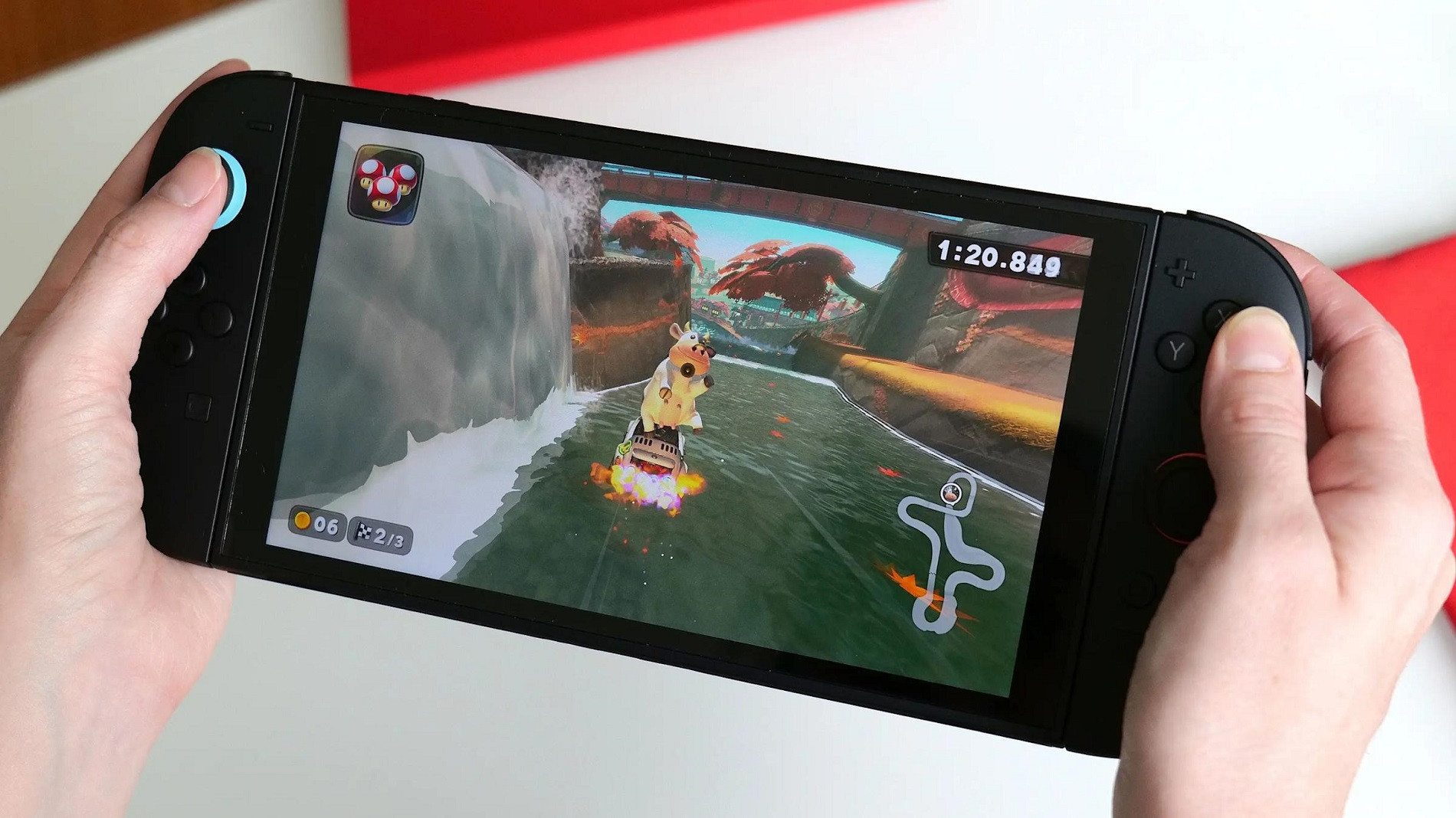
Nintendo Switch 2 gaming console. Photo: Engadget
Nintendo Switch 2 stands out as a prime example of “evolution over revolution.” Rather than reinventing the wheel, the Japanese electronics giant preserved nearly all elements that made the original Switch a hit. It then enhanced them - boosting performance, refining the design, and enlarging the screen. The new Joy-Cons feature stronger magnetic attachments, the display is now a 1080p HDR LCD, and both power and storage have improved.
More importantly, Switch 2 is compatible with most legacy games, while new titles like Donkey Kong Bananza, Metroid Prime 4, and strong support from third-party studios helped the console exceed even Nintendo’s own sales projections.
While Switch 2 represents entertainment success, NVIDIA remains the irreplaceable titan in the age of artificial intelligence. Once a graphics card manufacturer for gamers, the company now serves as the backbone of AI infrastructure globally. Its GPUs power the training and deployment of AI models across industries. The company’s stock price surged over 1,200% in five years, validating its gamble on parallel computing. Still, risks loom, especially as tech giants begin developing in-house chips.
Another controversial “winner” of 2025 was America’s tech billionaire class. Under President Donald Trump’s administration, top tech leaders saw favorable policies, tax breaks, and reduced oversight. According to Oxfam, the ten richest American billionaires gained nearly $700 billion in wealth in just one year - a stark symbol of the shifting power balance between technology and politics.
On the flip side, AI-generated video boomed in reach but also raised profound social concerns. Tools like OpenAI’s Sora and Google’s Veo made creating synthetic videos alarmingly easy - fueling everything from harmless entertainment to emotionally manipulative and politically charged content. Over half of Americans admitted struggling to tell real from fake videos, yet AI video remains a staple on social platforms, now embedded in the digital fabric of daily life.
In mobile technology, the Galaxy Z Fold 7 marked a milestone for foldable smartphones. It came close to matching the size and weight of a traditional phone while maintaining an 8-inch display, a 200MP camera, and a 5,000mAh battery. This blend of portability and performance helped Samsung dramatically boost sales, ushering in a new era for flexible screen design.
Smart glasses also made a surprise comeback. Thanks to advances in optics, lightweight batteries, and hands-free AI interaction, devices like the Meta Ray-Ban Display have shifted perceptions. Once derided as a fashion disaster, smart glasses are now becoming a practical component of personal tech ecosystems.
One of the quieter but most appreciated trends was fast charging. From smartwatches and tablets to electric vehicles, significantly reduced charging times are changing everyday habits. Technologies like super-fast charging in the Pixel Watch 4, iPad Pro M5, and innovations in EV charging infrastructure are proof that even small improvements can bring meaningful value.
Finally, the humble magnet emerged as an unsung hero. The Qi2 standard and magnetic accessories for devices like the Pixel and iPhone made charging, mounting, and carrying devices more seamless than ever. It’s a reminder that sometimes, small touches deliver the biggest enhancements in user experience.
Du Lam
.svg)
