 Vietnamnet.vn

 Podcast



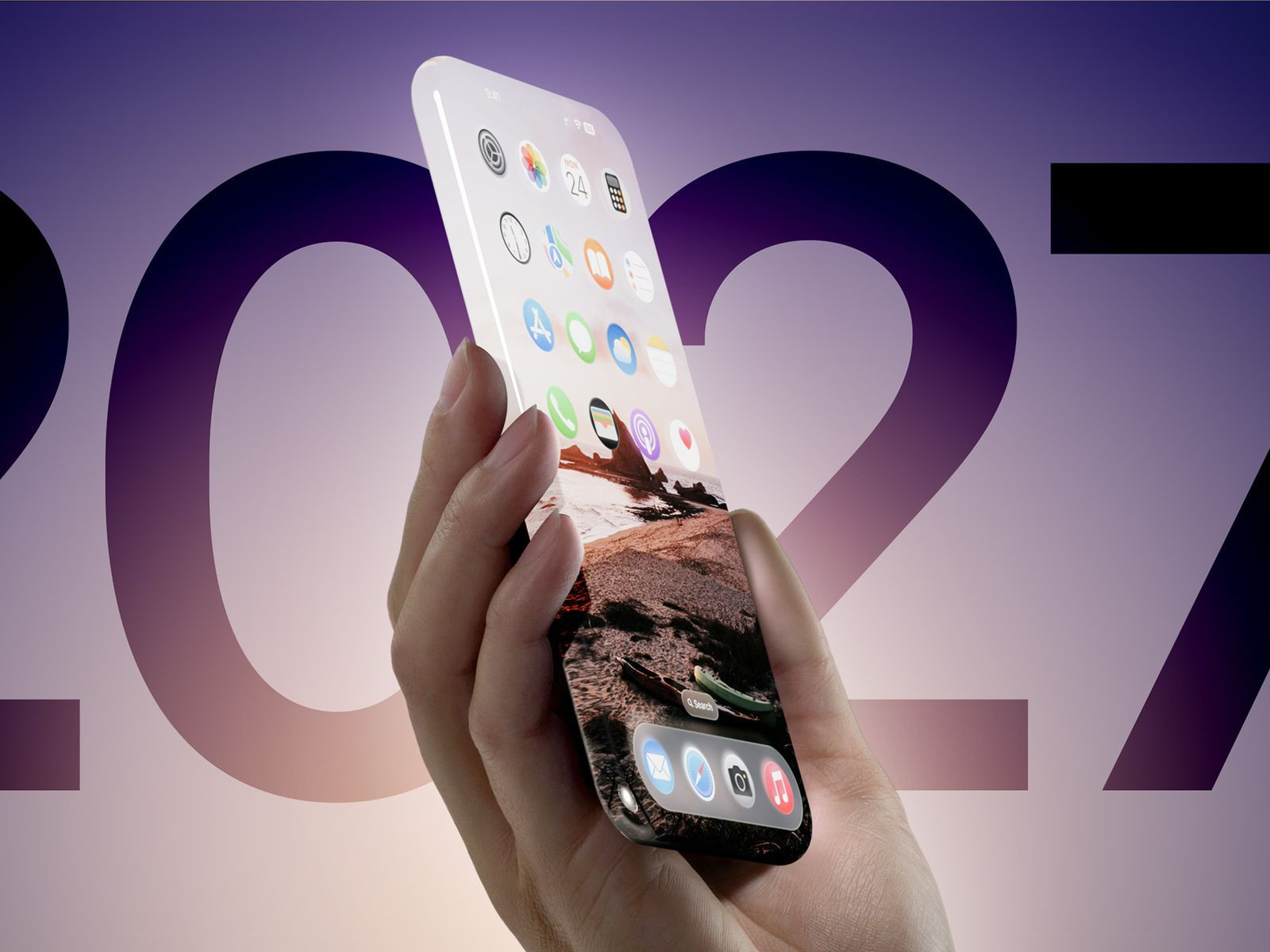
Despite years of speculation and increasingly bold rumors, the timeline for such a device is still unclear, with even the most optimistic projections offering only partial solutions.
Recent reports suggest that Apple may introduce an under-display selfie camera as early as 2027, possibly on a commemorative model marking the iPhone’s 20th anniversary. At the same time, the company is said to be prioritizing development of a foldable iPhone expected to debut as soon as this fall.
Yet even if those reports prove accurate, they only address part of the problem.
At the center of the challenge is Dynamic Island, which houses not only the front-facing camera but also the full Face ID system. Removing the visible camera is one thing. Concealing the entire Face ID array beneath the display is an entirely different level of complexity - and one that remains unsolved.
So for those asking when a truly bezel-free iPhone will arrive, the most honest answer for now is simple: there is no clear date.
Why 2027 may only tell half the story
One of the most widely cited rumors originates from the Weibo account Digital Chat Station, later analyzed by CNET in late 2025. The report suggests Apple could adopt under-display camera technology on a future iPhone model, likely around 2027.
However, such a move would only eliminate the visible camera. The Face ID system - which relies on infrared projectors and flood illuminators to map a user’s face in 3D - still requires unobstructed space and visibility. No manufacturer has yet succeeded in fully hiding this system beneath a display.
That makes a truly uninterrupted iPhone screen unlikely, even beyond 2027.
Under-display camera technology itself comes with compromises. It works by reducing pixel density above the lens to allow light to pass through, but this inevitably degrades image quality. As CNET has noted, the effect is comparable to taking a photo through a partially opened shutter.
Meanwhile, Apple’s current front-facing camera offers an 18MP resolution. Accepting a lower-quality solution would run counter to the company’s long-standing emphasis on imaging performance.
Competitors have already tested the limits of this technology. Samsung introduced an under-display camera on the Galaxy Z Fold 3 in 2021, yet years later, the technology still struggles with low resolution and inconsistent results. By the time of newer iterations, the company had effectively retreated to more conventional designs.
Supply chains, strategy and timing
Beyond engineering hurdles, Apple is also navigating supply chain pressures. In late 2025, disruptions at BOE’s AMOLED production line forced the company to shift display orders for multiple iPhone models to Samsung Display.
Developing a fully integrated under-display sensor system - while simultaneously preparing a foldable iPhone and stabilizing its supply chain - would introduce significant risks across production.
From a business standpoint, there is little urgency. The iPhone 16 lineup continues to perform strongly in the market, particularly the Pro models, easing pressure on Apple to rush a radical redesign before the technology is ready.
In reality, even if a 2027 iPhone introduces an under-display camera, it will likely represent only a step forward rather than a final destination.
The complete removal of Dynamic Island remains an unsolved challenge. And for now, the dream of a flawless, uninterrupted iPhone display belongs more to the future than the present.
Du Lam
.svg)
