 Vietnamnet.vn

 Podcast



Pham Cong
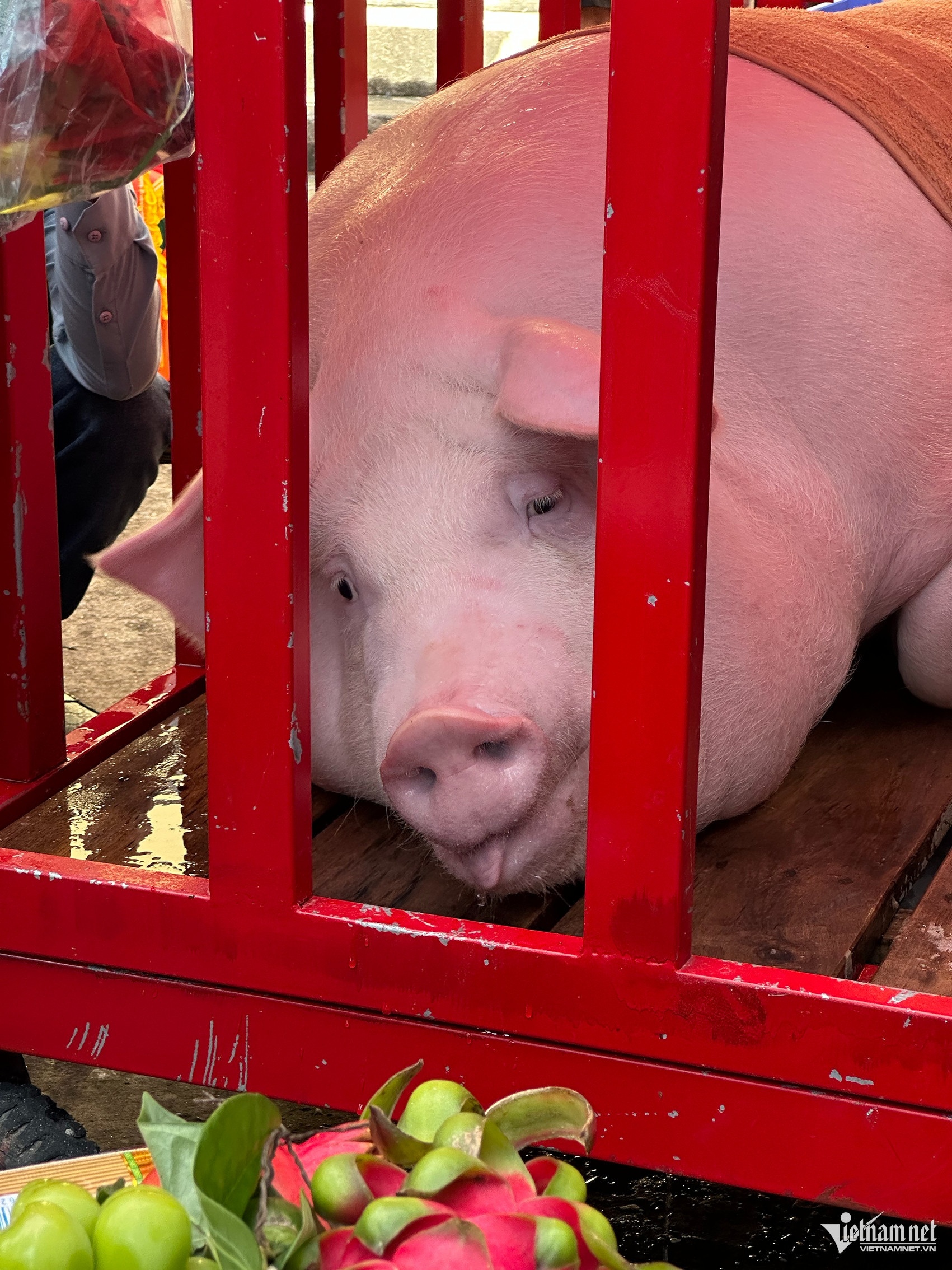
At the annual Binh Ngoc Communal House Festival in Quang Ninh Province, 12 specially selected pigs - reverently known as "ong voi" or "Mr. Elephants" - are paraded after nearly a year of meticulous care, preserving one of Vietnam’s most distinctive folk traditions.
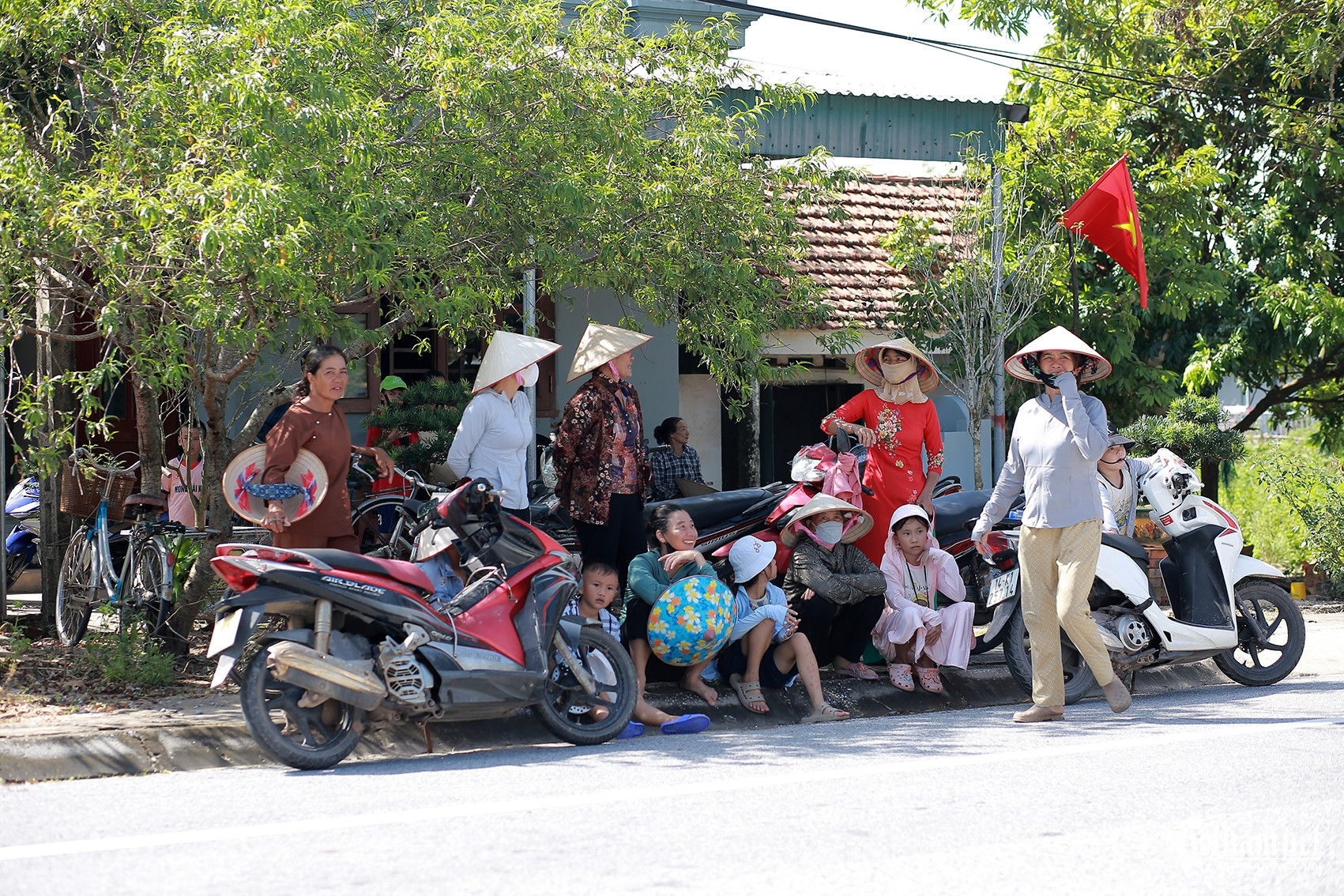
On July 14 (the first day of the sixth lunar month), large crowds of residents and visitors gathered at Binh Ngoc Communal House in Mong Cai 1 Ward, Quang Ninh Province, to admire and photograph the 12 ceremonial "ong voi" after months of special care by local families.
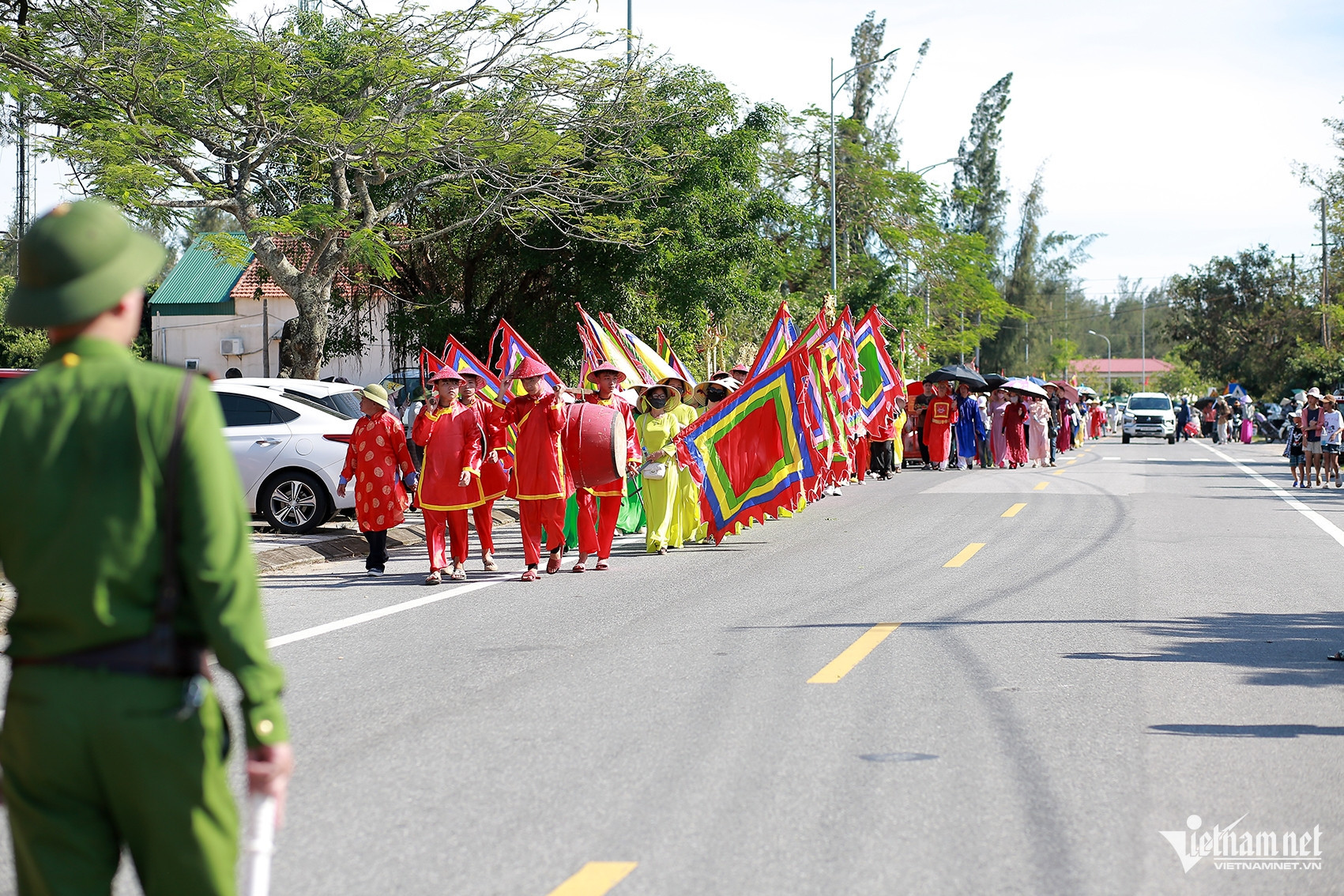
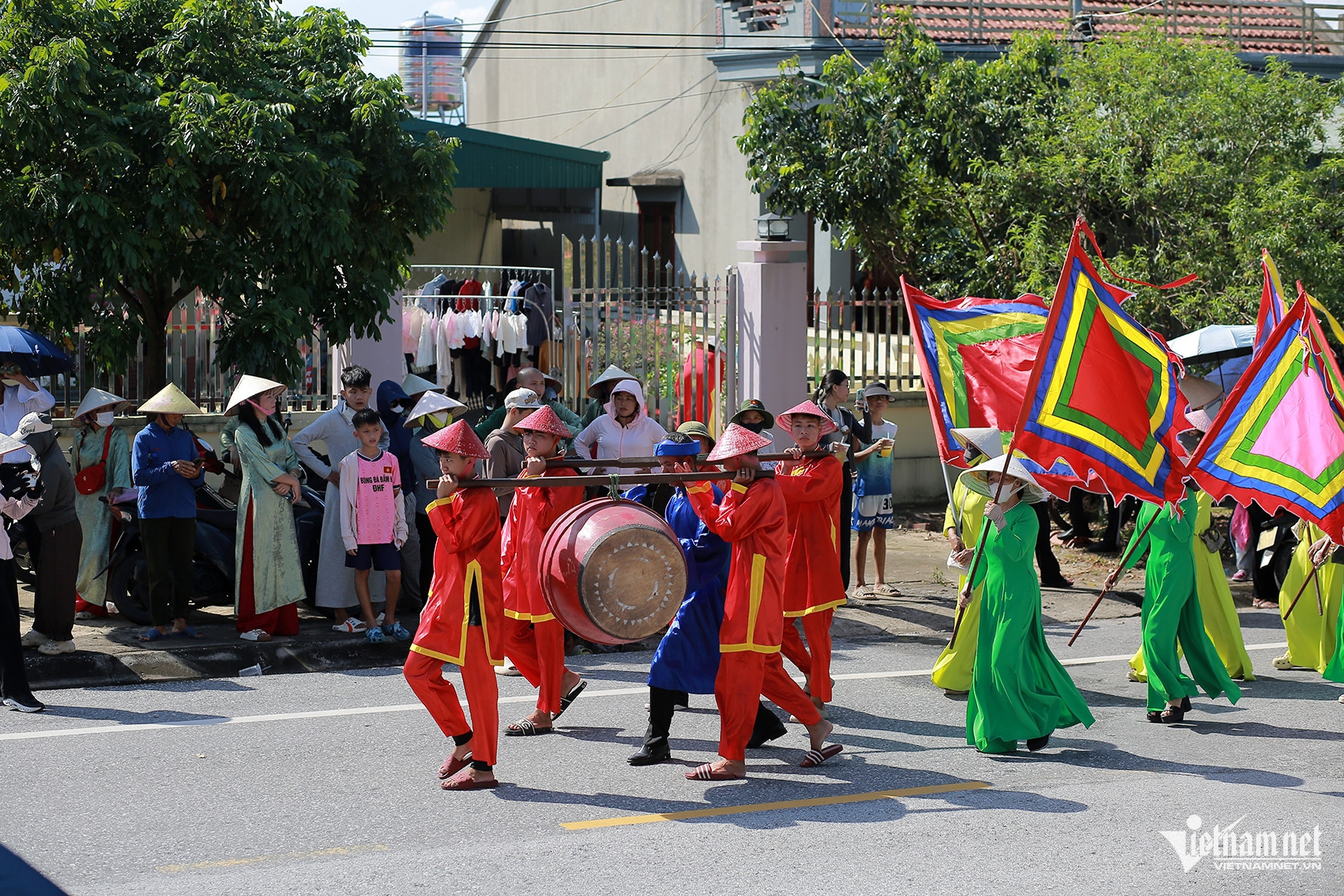
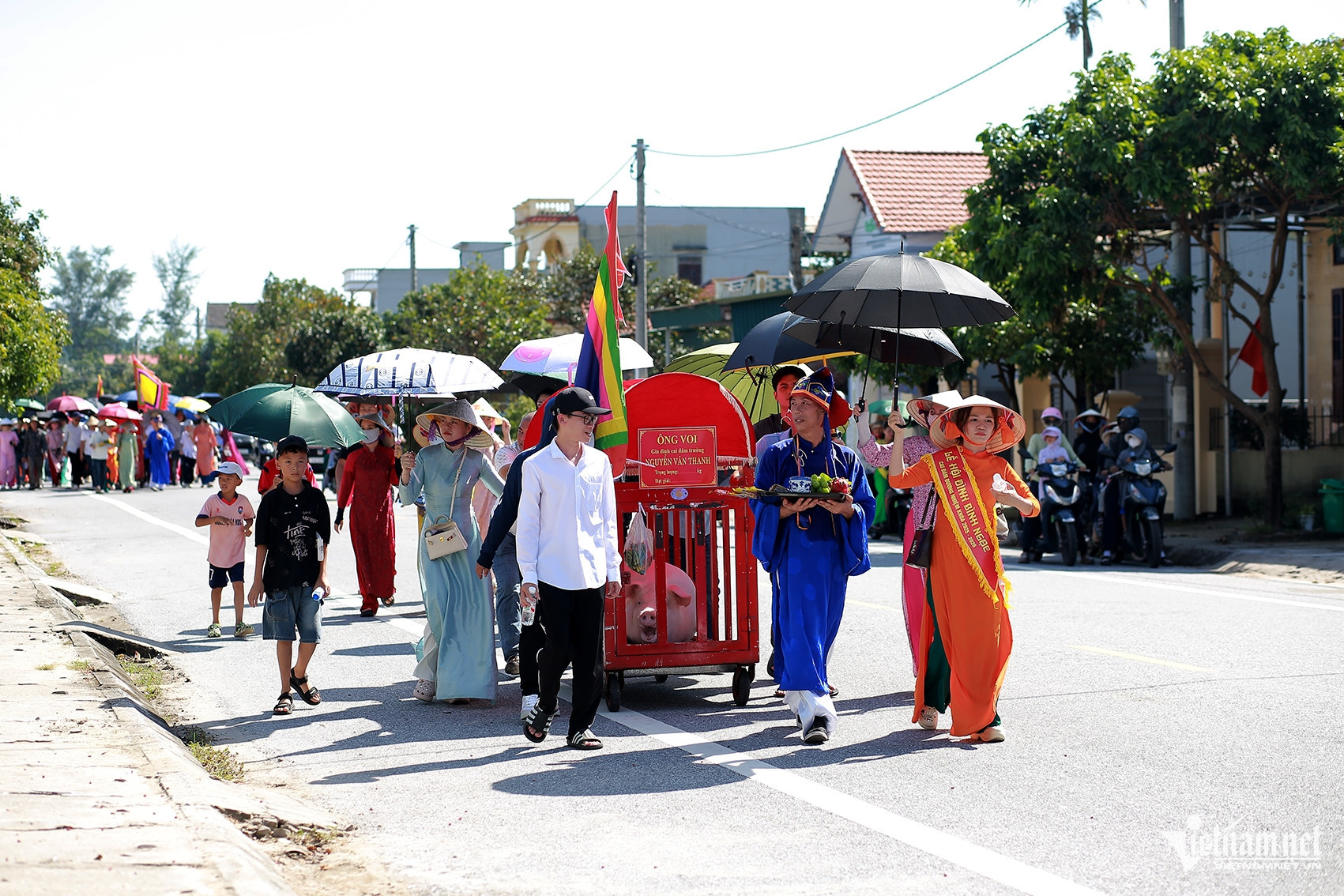
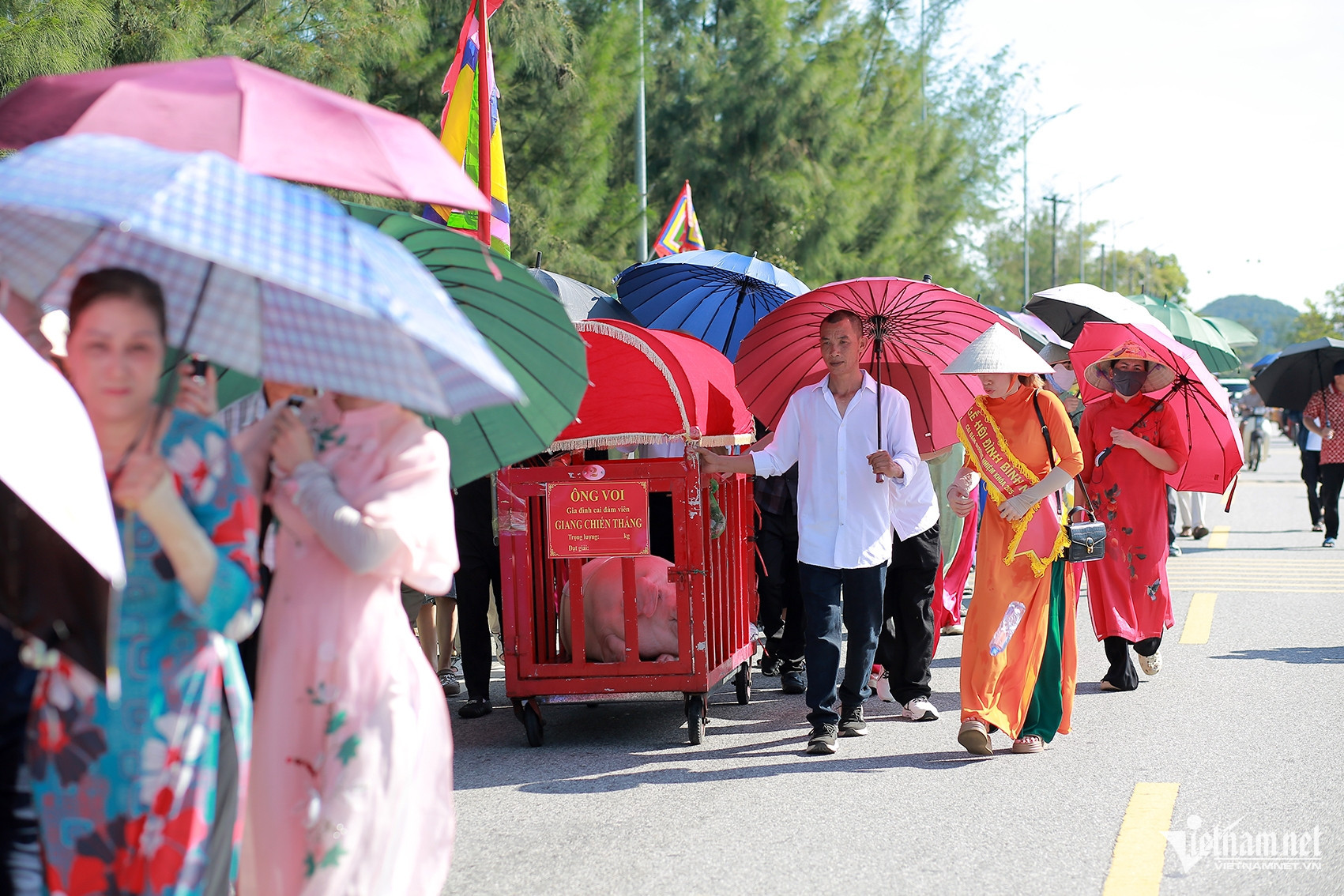
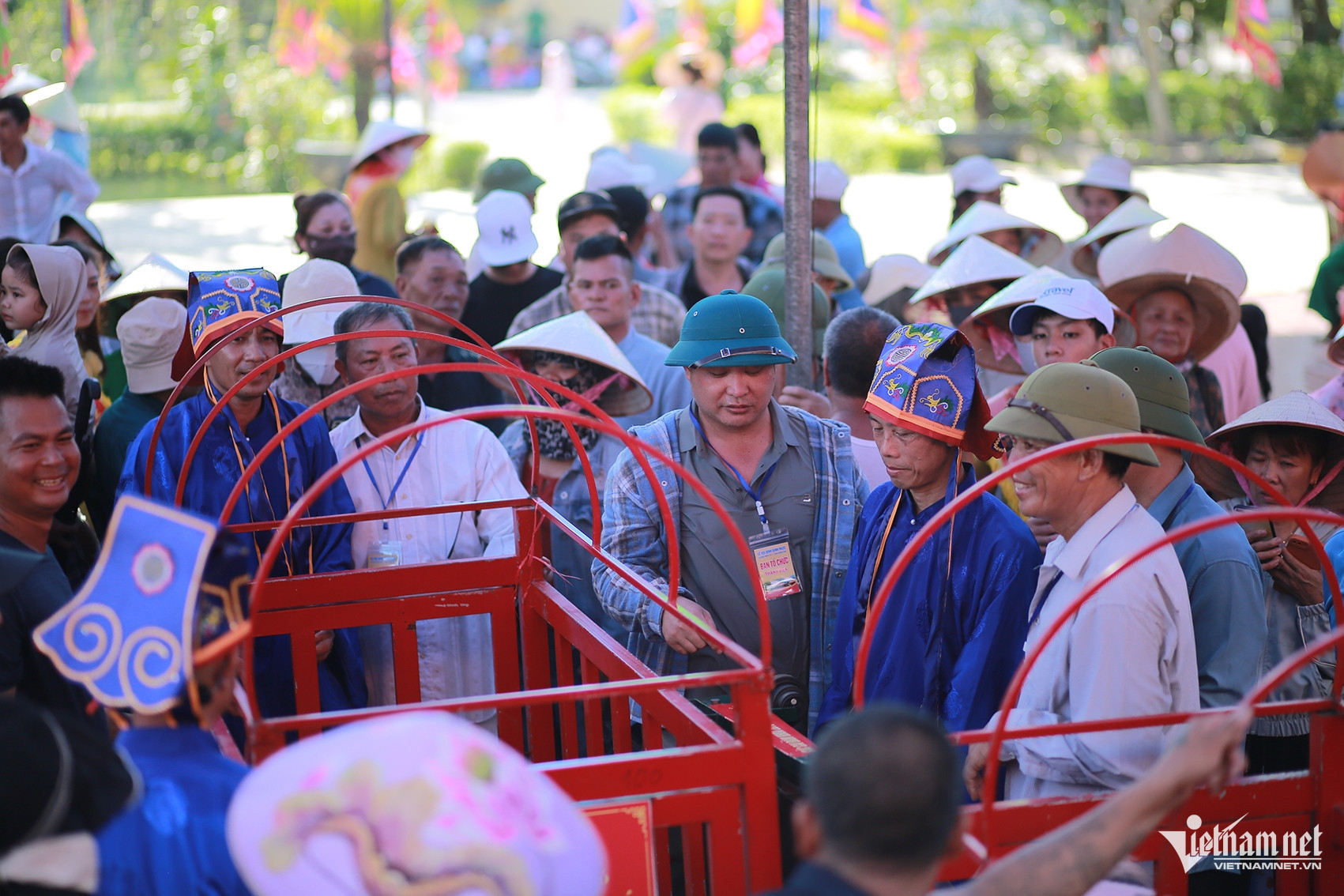
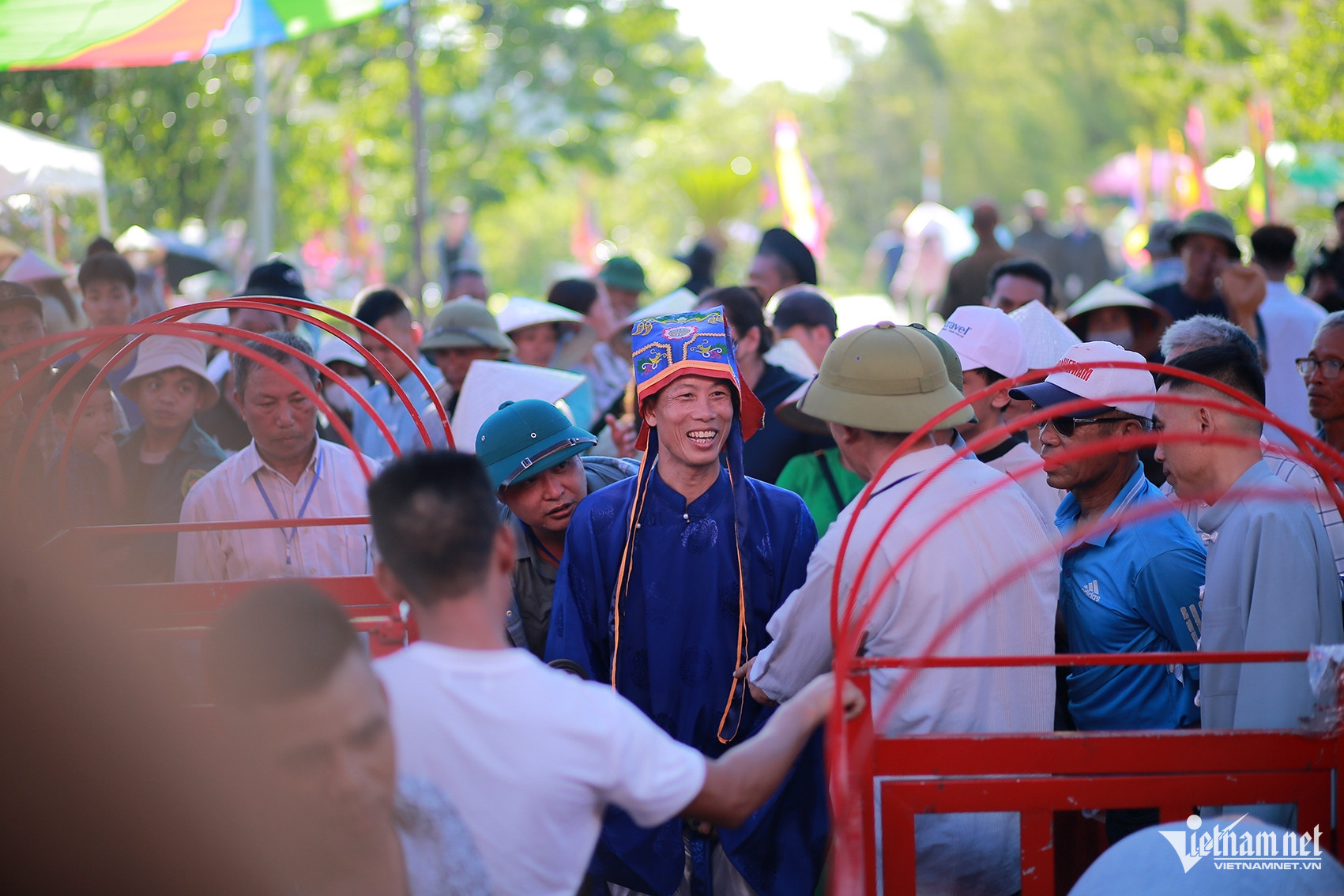
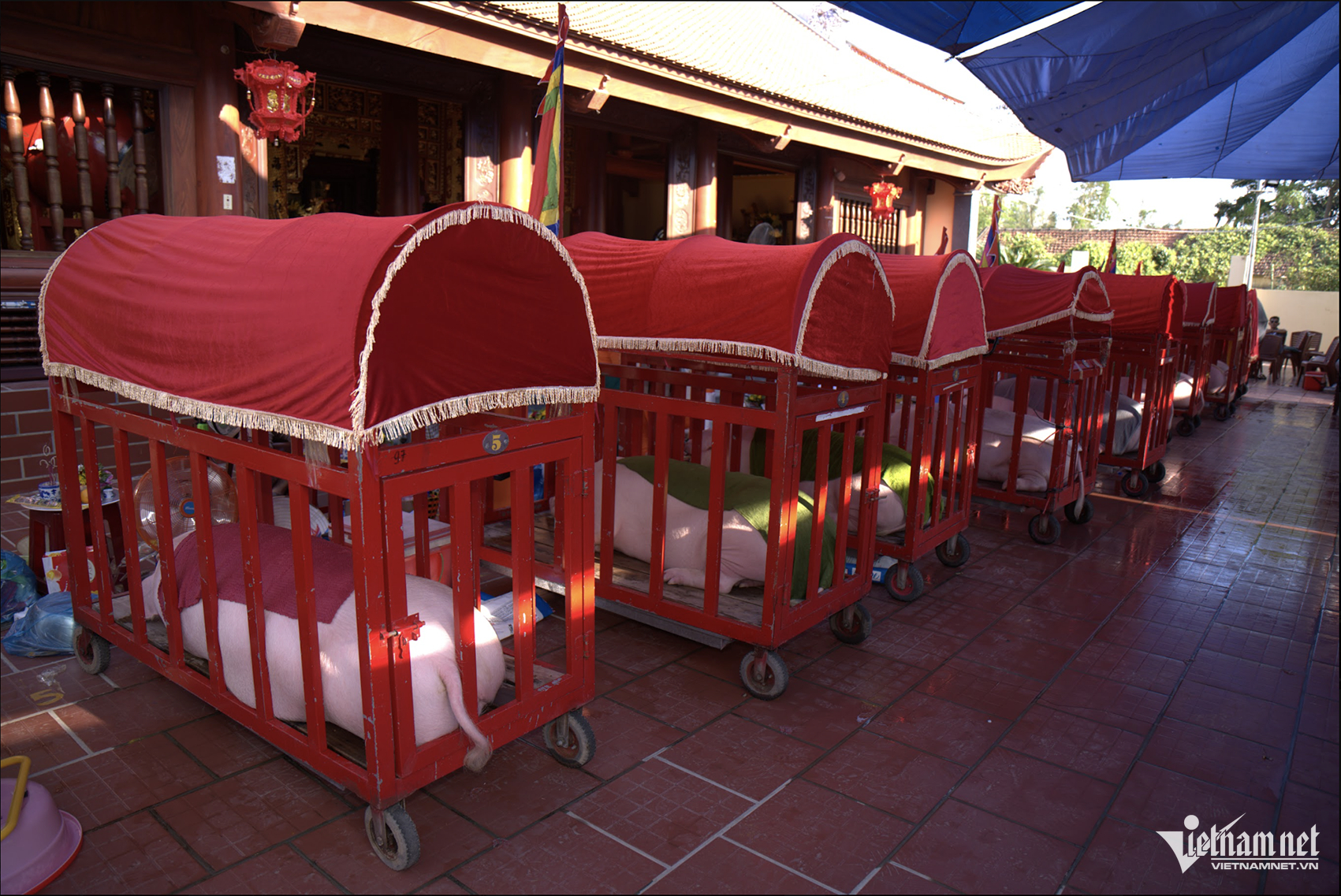
The symbolic "elephants" were carried in a formal procession the previous day before being assembled in the courtyard of the communal house for thanksgiving rituals honoring the village's tutelary deity and the ancestors who established the Tra Co coastal settlement.
The Binh Ngoc Communal House Festival is held annually from the 30th day of the fifth lunar month through the third day of the sixth lunar month, featuring traditional ceremonies that have been preserved for generations.
The festival's highlight is the grand deity procession on the main celebration day. Along the parade route, local residents prepare offerings of five-fruit trays together with seafood such as shrimp, crabs and fish.
Families burn incense in gratitude to heaven, the sea deities and their ancestors, praying for good health, prosperous livelihoods, favorable fishing voyages and abundant catches in the coming year.
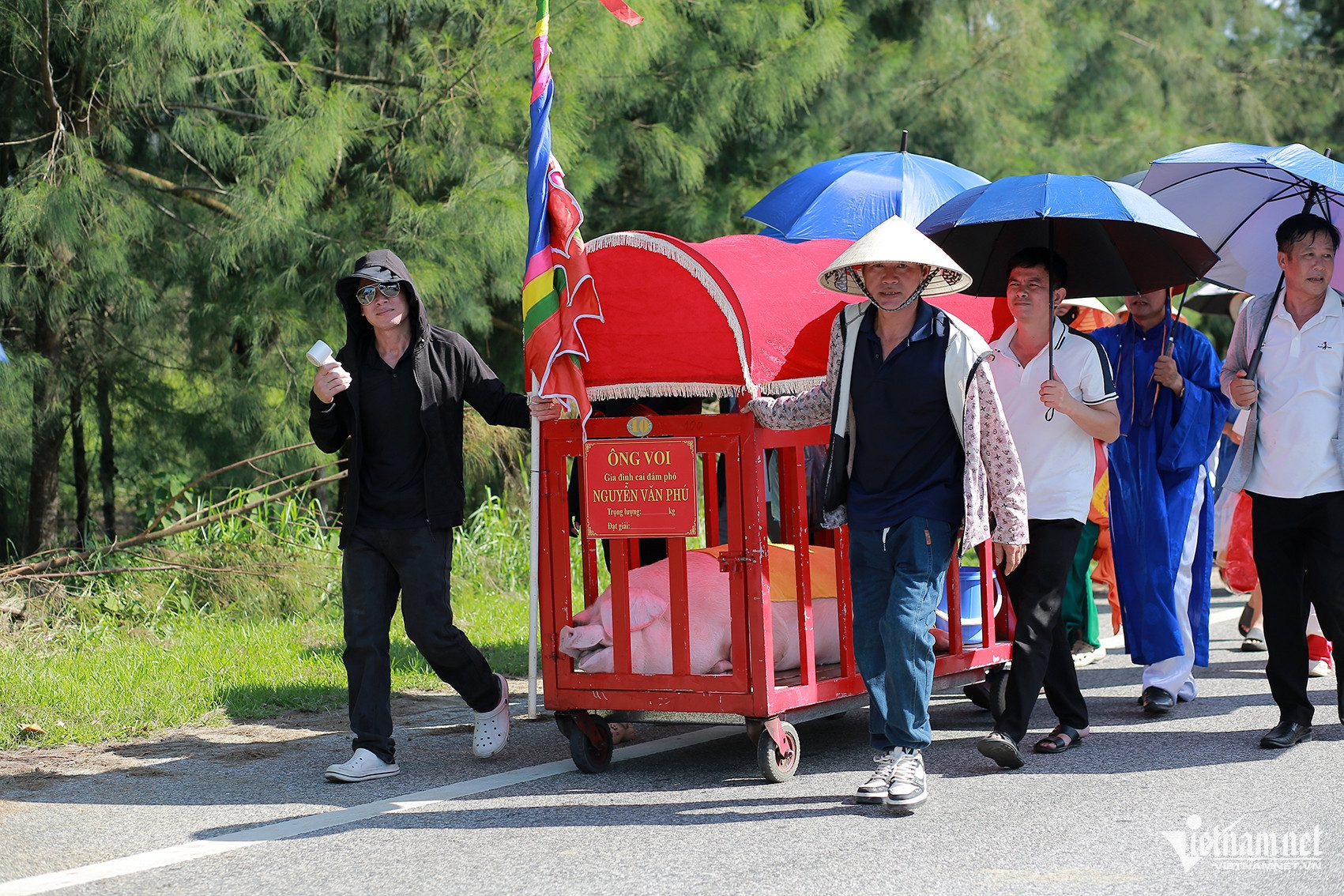
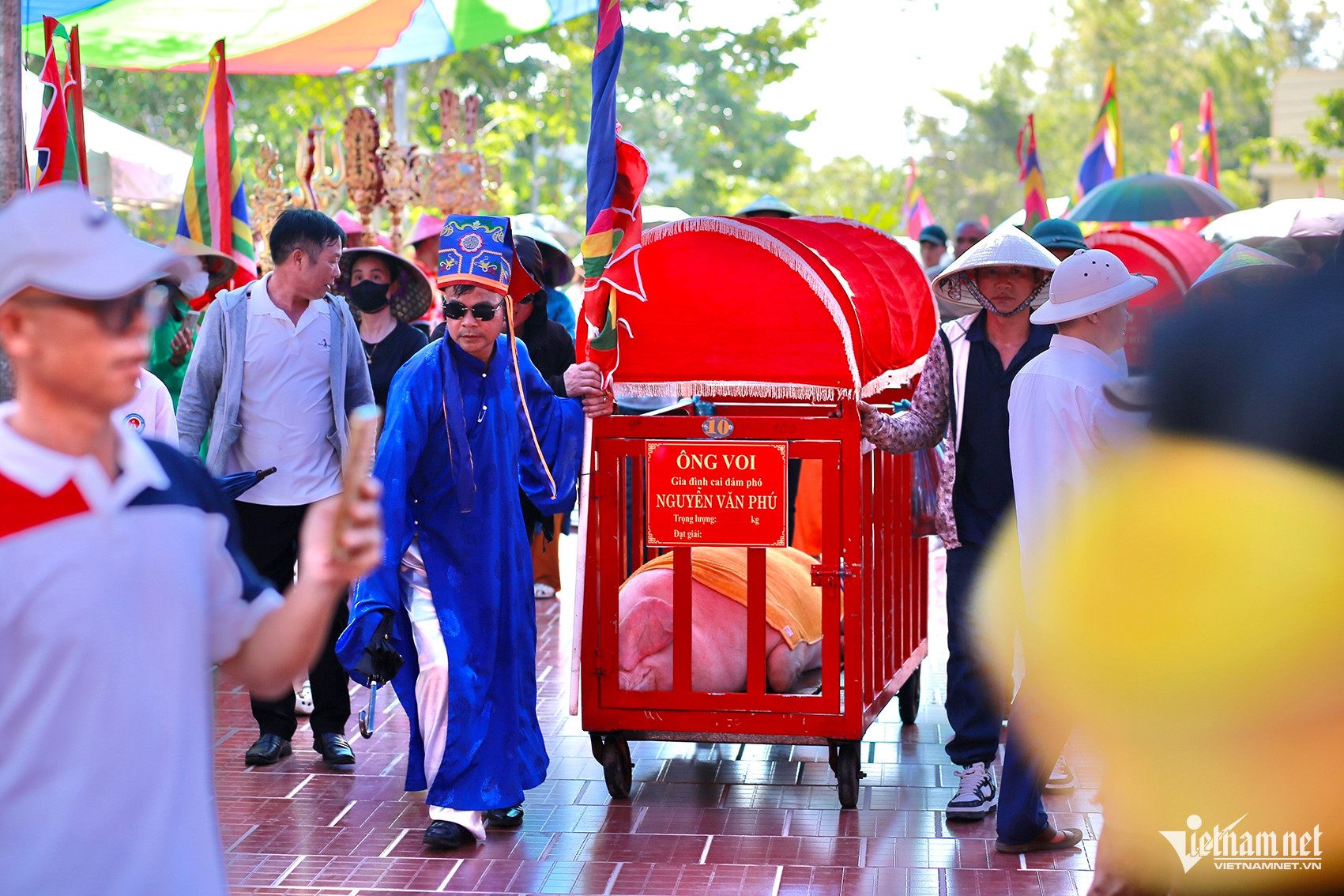
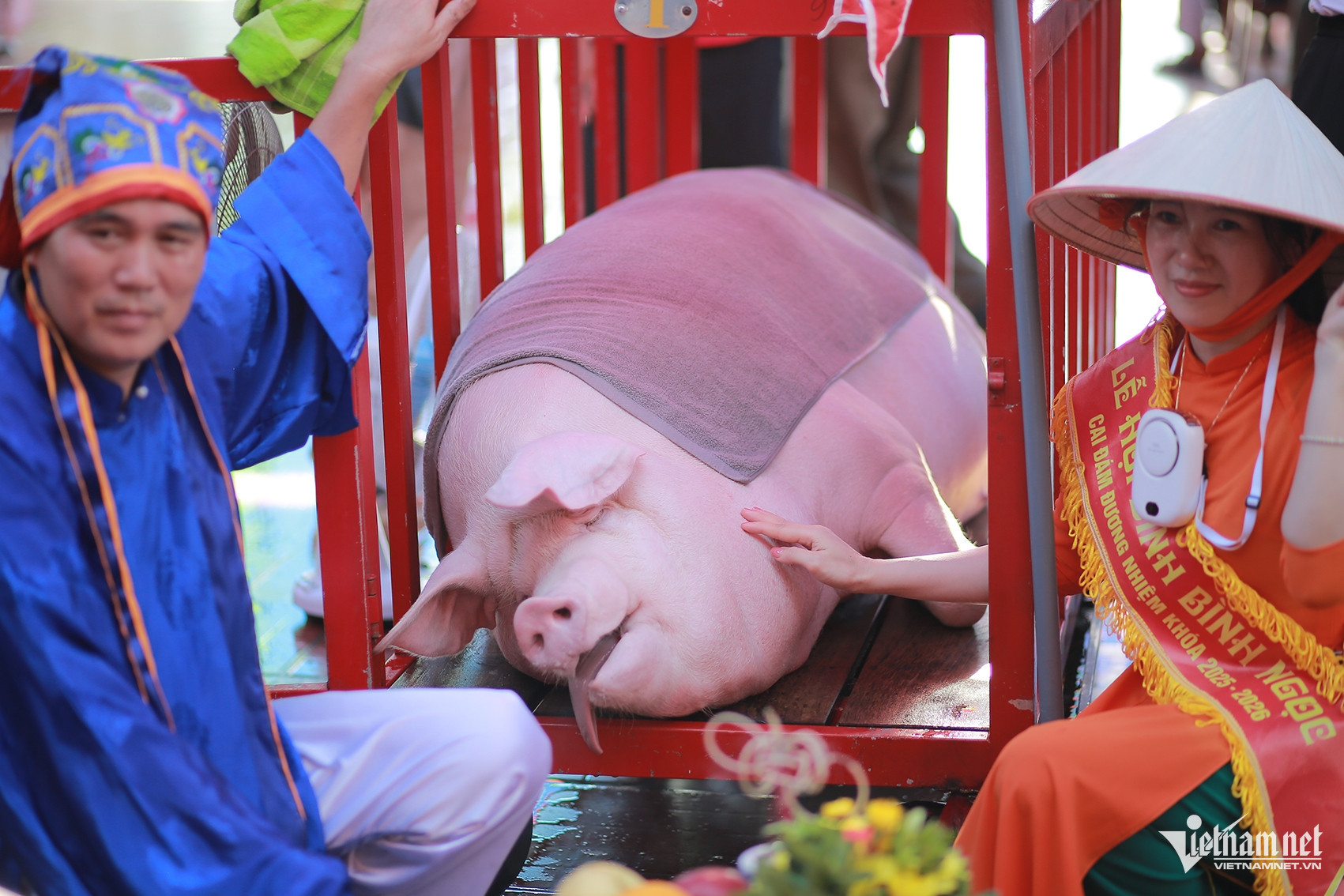
On the afternoon of the 30th day of the fifth lunar month, one day before the main festival, the 12 appointed caretaker families, known locally as cai dam, dress in ceremonial attire and transport their "ong voi" in red-painted wheeled cages with canopies to the communal house to pay tribute to the village deity.
Following the ceremony, organizers measure each animal's body dimensions and record its weight.
Speaking to VietNamNet, Vu Thi Kim Thoan, head of the Culture and Social Affairs Division of Mong Cai 1 Ward, said 12 households are chosen every year to raise the ceremonial animals.
Families selected for the role must meet strict criteria. They are expected to be respected members of the community, have stable family lives, obey the law and raise well-behaved children.
The animals themselves receive exceptional care throughout the year. They are fed nutritious diets, protected with mosquito nets while sleeping and closely monitored to ensure their health and well-being.
"Pigs with attractive physical characteristics - including long bodies, tall legs and large ears - are selected on the 16th day of the first lunar month. After the enrollment ceremony at Binh Ngoc Communal House, they are officially recognized as 'ong voi'," Thoan said.
She added that this year's top honor went to the "ong voi" raised by Vu Dinh Minh's family in Binh Ngoc neighborhood. Weighing 314 kilograms (692 pounds), it became the heaviest ceremonial "ong voi" ever recorded at the festival.
According to local legend, in the late 14th century, 12 fishing families from Do Son, now part of Hai Phong City, were blown off course by a storm while fishing and landed on a deserted island covered with mangroves and reeds in what is now Tra Co and Binh Ngoc.
The settlers decided to establish a new community there. Although six families eventually returned to their homeland, the remaining six persevered and gradually built what became Tra Co Village.
To honor their origins, the founders named the village Tra Co by combining the names of Co Trai - home of Mac Dang Dung, founder of the Mac Dynasty - and Tra Phuong, the hometown of Queen Vu Thi Ngoc Toan, Mac Dang Dung's wife. Co Trai is also regarded as the ancestral homeland of the Mac royal family.
The local saying, "People of Tra Co , ancestors from Do Son," remains widely known today.
Legend also tells of a herd of elephants that appeared during the village's founding, helping residents haul timber and transport stones for construction.
To commemorate the animals' contribution, villagers established an annual thanksgiving ritual. Because keeping real elephants for ceremonial offerings was impossible, pigs became symbolic substitutes. The tradition has survived through generations and remains one of the most distinctive cultural customs of the Tra Co coastal community.
At the conclusion of the festival, organizers present an award to the heaviest ceremonial "ong voi."
According to local historical records, Binh Ngoc Communal House was built around 1910 after Binh Ngoc separated from Tra Co to form its own commune in the early 20th century. The site was officially recognized as a provincial historical relic in 2020.
.svg)
