 Vietnamnet.vn

 Podcast



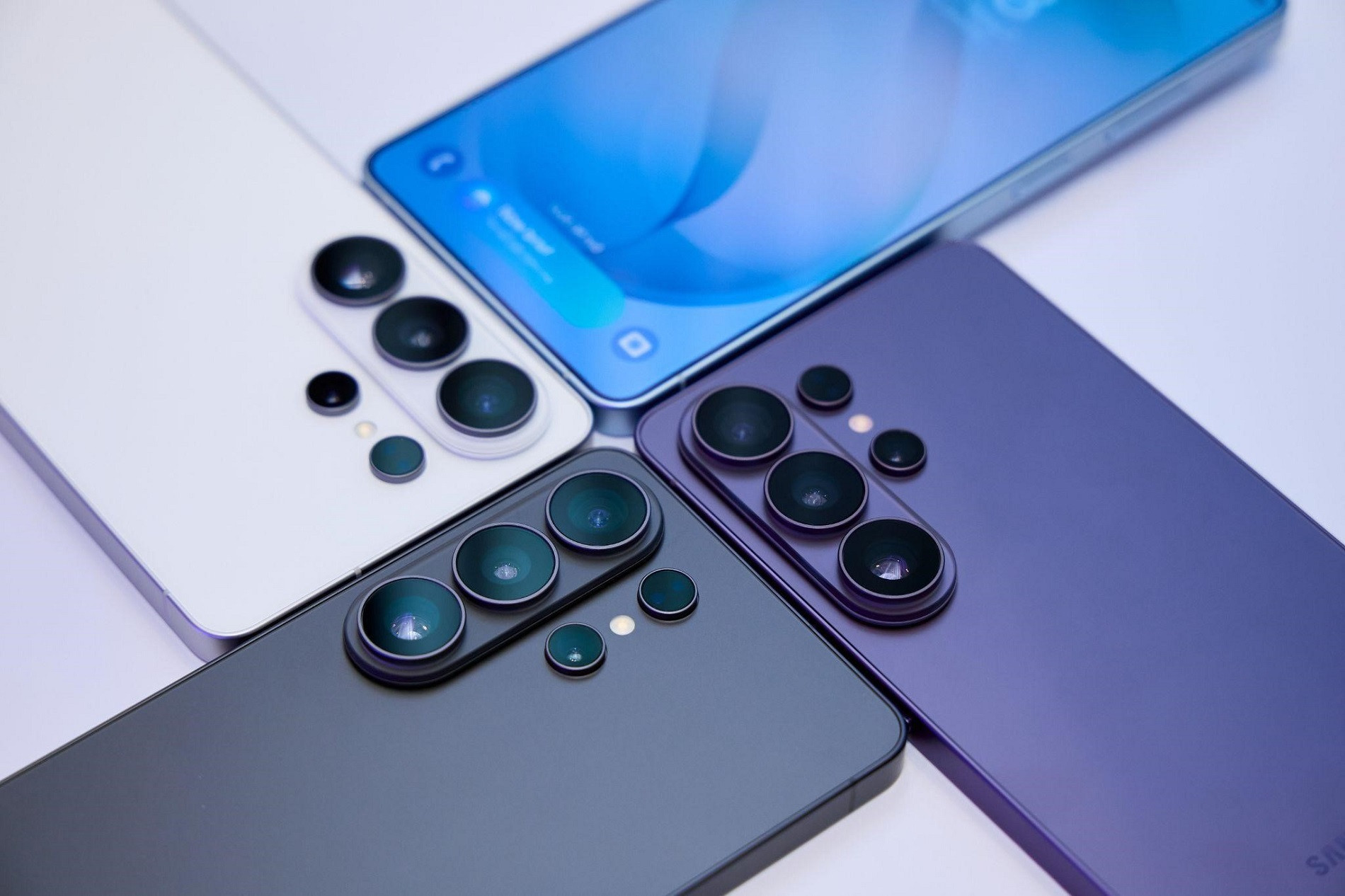
Samsung is not only ahead in products. The company is also ahead in redefining what a smartphone can become in the age of artificial intelligence.
Over the past three years, Samsung has not simply followed the trend of “adding AI features.” Instead, the company has pursued a strategic roadmap.
Galaxy S24 laid the groundwork for AI to become useful and trustworthy. Galaxy S25 made AI feel more natural and human-like. And Galaxy S26 pushes the experience further toward a proactive state, where the device can understand context and suggest actions on its own, functioning more like a genuine personal assistant.
What stands out is that Samsung does not tell this story through slogans or promises. The Korean brand demonstrates it through tangible product experiences.
This approach makes the question of “how far ahead” less important, because while the broader smartphone market is still at the stage of reactive AI, Samsung is already moving toward proactive AI.
Galaxy S24 series: respecting Vietnamese through real action
The foundation of an AI phone is not about flashy tricks. It lies in whether the device truly understands its users.
For Vietnamese users, that understanding begins with the Vietnamese language itself, which has unique structures, contexts and nuances. Dialects and slang also evolve constantly within communities.
Galaxy S24 marked a key step because Samsung included Vietnamese among the priority languages for Galaxy AI early on.
More importantly, the way Samsung approached the task was notable.
The Samsung Research and Development Center in Vietnam was assigned the mission of developing and refining Vietnamese language capabilities for Galaxy AI under a tight timeline starting in late 2023.
This reflected a rare form of respect for local users in the tech industry. Vietnamese was not treated as a feature added later for completeness, but as a challenge that required careful work from the beginning.
Other smartphone brands often roll out AI features first in widely used global languages. Local languages like Vietnamese usually appear later, gradually added through feature updates.
When a device truly understands its users, people feel confident using AI as a habit. And once that habit forms, the foundation of an AI phone is firmly established.
Galaxy S25 series: making AI feel human and habitual
Once the foundation of language understanding and usefulness was in place, the next step was to make AI something users would want to use every day.
That role was fulfilled by Galaxy S25.
This generation focused on making AI interactions feel more natural, approachable and easy to activate, without forcing users to relearn how to use their phones.
Instead of requiring users to understand technical commands or rigid input formats, the experience was optimized around conversation and real-life situations.
During this phase, Samsung effectively helped users build a new habit: ask quickly, act quickly, edit quickly and trust that the device understands enough context to help.
Samsung’s advantage here lies in its decision not to treat AI as a standalone application.
Instead, AI is embedded across the entire system experience.
Users do not have to leave their workflow to find AI tools. AI appears directly within everyday activities, from communication and search to note-taking and content editing.
Galaxy S26 series: proactive AI and cross-device integration
If Galaxy S24 built the foundation and Galaxy S25 expanded adoption, Galaxy S26 represents the point where Samsung pushes AI phones into a more mature stage.
This stage is often described as proactive AI.
The difference is that the device does not simply respond to commands. It begins to understand context and suggest actions automatically when appropriate.
Now Nudge illustrates this philosophy clearly. The feature offers real-time suggestions when needed, proactively delivering information or recommendations based on contextual understanding.
Now Brief and Now Bar help shape a more personalized daily rhythm, drawing on habits and schedules while offering shortcuts relevant to each situation.
Instead of viewing AI as the ability to answer questions, Samsung treats AI as a way to reduce user actions, making experiences smoother and daily life simpler.
Instead of positioning AI as a feature, Samsung treats it as a contextual operating layer running quietly in the background.
And instead of limiting AI to a single device, Samsung envisions AI as a cross-device experience where the smartphone acts as the central hub.
Over three years and three generations, this roadmap forms a coherent story.
Galaxy S24 focused on helping AI understand Vietnamese and prioritize local users. Galaxy S25 made AI approachable enough to become a daily habit. Galaxy S26 moves AI toward a proactive and deeply integrated experience, where devices begin to work toward users’ goals.
Bich Tram
.svg)
