 Vietnamnet.vn

 Podcast



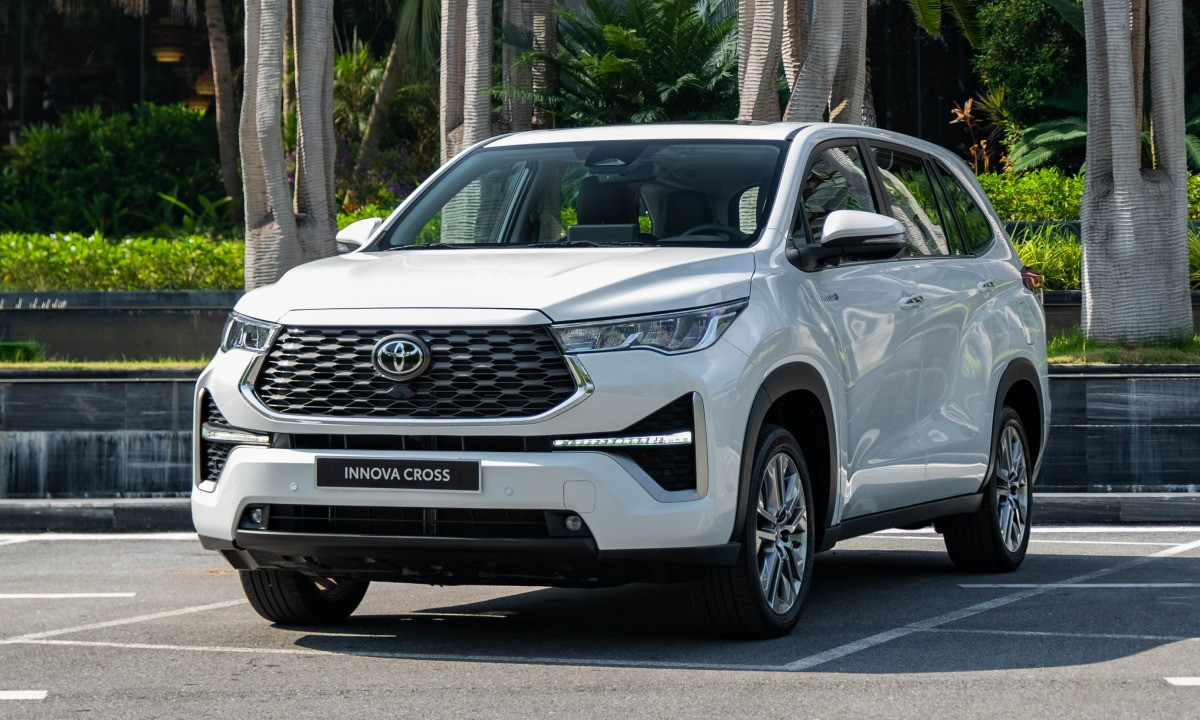
Below are the key factors that will affect car prices in 2026:
Revised luxury tax
The most important factor expected to affect car prices in 2026 is the revised Law on Special Consumption Tax, passed by the National Assembly on June 14, 2025. Accordingly, from January 1, 2026, hybrid vehicles in Vietnam will be subject to only 70 percent of the luxury tax compared with gasoline or diesel vehicles. This is considered the most generous incentive ever offered to hybrid models.
Notably, the incentive applies to both self-charging hybrids (HEV) and plug-in hybrids (PHEV), instead of only PHEVs as before, provided that the fuel consumption of the hybrid vehicle must be at least 30 percent lower than that of a gasoline version with the same engine capacity.
Removing the gap between HEV and PHEV significantly expands the range of car models eligible for tax incentives. VAT and vehicle registration tax are calculated on the tax-reduced price. As a result, the on-the-road (OTR) price of hybrid cars will be noticeably more accessible.
For small-capacity hybrid models, buyers can save tens of millions of VND, while for large-capacity, high-value models, the difference can reach hundreds of millions of VND. This is the foundation for hybrid cars to explode in sales in 2026.
Import taxes on European cars
In addition to domestic tax policies, the roadmap for import tariff reductions under the Vietnam–EU Free Trade Agreement (EVFTA) is another key factor influencing car prices in 2026. Under the commitment, import tariffs on completely built-up cars from Europe will gradually fall to zero percent, with completion expected around 2029–2030.
From January 1, 2025 alone, vehicles with engine displacement of 1.5L–2.5L imported from Europe saw tariffs reduced from 39–42.5 percent to 31.2–35.4 percent. In 2026, these rates are expected to fall further to around 24–29 percent. As most European cars in Vietnam belong to the luxury segment such as Mercedes-Benz, BMW, Audi, and Porsche, these reductions have a clear impact on retail prices.
Market developments in 2025 already reflected this trend. Many newly launched European models were priced much more competitively than before. A notable example is the Audi A5 S Line 2025, now priced from VND2.199 billion, close to locally assembled rivals such as Mercedes-Benz C 300 AMG at VND2.099 billion.
In 2026, the downward trend in import taxes combined with reductions in luxury tax and VAT could help European car prices continue to "cool down." For an imported car with a port price of VND2 billion, the import tax reduction alone could cause the final selling price to drop by more than VND200 million.
For hybrid vehicles, the reduction will be even higher. However, the actual price decrease still depends on costs, exchange rates, and the policies of manufacturers.
Increased pressure from low-cost Chinese cars
Beyond tax changes, the Vietnam auto market in 2026 will also face strong pressure from Chinese imports. Brands such as BYD, MG, Geely, Lynk & Co, Omoda, Jaecoo, and Zeekr are strengthening their presence in Vietnam with very aggressive pricing strategies. Many models are priced low from the start or come with massive incentives, such as 100 percent registration tax support.
The trend toward hybrid and electric vehicles from Chinese manufacturers is becoming increasingly clear. Furthermore, experts expect that when the preferential special consumption tax policy for hybrids officially takes effect, the selling prices of new energy models from China could be as cheap as, or even lower than, traditional gasoline cars from Japan or South Korea.
This competitive pressure forces "giants" like Toyota, Honda, and Hyundai to continuously adjust prices and expand their low-cost hybrid portfolios to maintain market share. The market will therefore enter a race in price, but also in technology and usage efficiency.
2026 will witness the tax reduction but also powerful restructuring of the Vietnam auto market. Hybrid and electric vehicles will become increasingly more attractive than pure gasoline or diesel options. Auto prices in 2026 will be affected by multi-dimensional factors, and the biggest beneficiaries will be consumers.
Hoang Hiep
.svg)
