 Vietnamnet.vn

 Podcast



Reducing fees for converting garden land into residential land to 30 percent, assigning electronic identification codes to each property, and exempting private houses under seven stories from construction permits are three notable changes officially taking effect in 2026.
Converting garden land to residential land requires only 30 percent payment
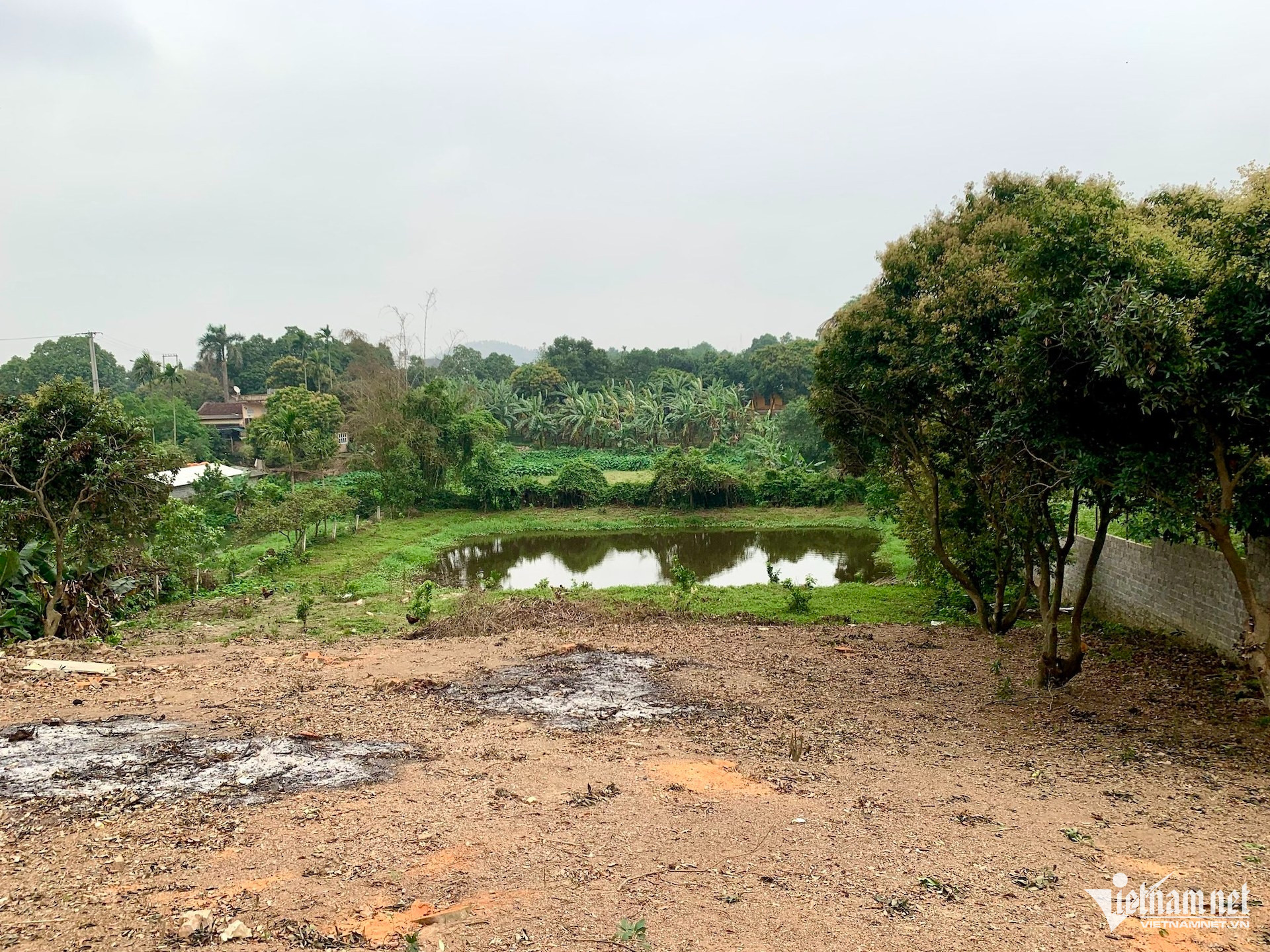
From 2026, residents will pay only 30 to 50 percent of the price difference when converting agricultural, garden or pond land into residential land. Photo: Hong Khanh
Under a Resolution outlining mechanisms and policies to address difficulties in implementing the Land Law, effective January 1, several new provisions differ from the current Land Law 2024. Among them is a regulation reducing financial obligations when changing land-use purposes.
According to the Resolution, for garden land, pond land and agricultural land located within the same plot as residential land, when converting to residential land use - along with several similar cases - land-use fees will be calculated as follows: 30 percent of the difference between residential land prices and agricultural land prices for areas within the local residential land allocation quota; 50 percent of the difference for areas exceeding the quota but not more than one additional quota; and 100 percent of the difference for areas exceeding twice the residential land allocation quota.
From 2026, citizens will pay only 30 to 50 percent of the price difference when converting agricultural, garden or pond land into residential land.
Lawyer Pham Thanh Tuan from the Hanoi Bar Association assessed that the new regulation helps reduce financial burdens while ensuring fairness and policy reasonableness, reflecting a humane approach in addressing cases where financial obligations were fulfilled under previous rules that no longer align with current realities.
He cited an example: if the agricultural land price under the local land price list is VND2,000,000 per square meter (US$80), while the residential land price is VND10,000,000 per square meter (US$400), under the current Land Law 2024, residents must pay the entire difference of VND8,000,000 per square meter (US$320) when changing land-use purposes.
However, under the new regulation, assuming the local residential land allocation quota is 200 square meters, residents converting land within this quota would pay only 30 percent of the difference. Instead of paying VND8,000,000 per square meter (US$320), they would pay VND2,400,000 per square meter (US$96).
In addition, Clause 10, Article 4 of the Resolution provides a transitional mechanism. Cases where residents converted land-use purposes under the above categories from August 1, 2024 - the effective date of the Land Law 2024 - until before the Resolution takes effect on January 1, 2026, may request tax authorities to recalculate land-use fees. If the recalculated amount is lower than what was previously paid, the difference may be deducted from other financial obligations, if any, or refunded by the State.
According to the lawyer, this is a significant change. It not only reduces costs for future land-use conversions but also establishes a refund or deduction mechanism for those who converted land-use purposes after August 1, 2024 and paid higher amounts under the old framework. The regulation helps ease financial burdens while ensuring fairness and reasonableness in policy implementation.
Real estate to receive electronic identification codes
Under Decree No. 357/2025/ND-CP on the development and management of information systems and databases on housing and the real estate market, effective March 1, each property - including private houses, apartments and project-based products - will be assigned its own electronic identification code within the system.
From March 1, real estate properties will have electronic identification codes.
With only about two weeks before the regulation comes into force, Tong Thi Hanh, Director General of the Department of Housing and Real Estate Market Management under the Ministry of Construction, said the system is considered an important information tool for the State to formulate real estate market development policies. Based on collected data, management agencies can clearly identify which segments are oversupplied and which have genuine demand, thereby developing appropriate housing programs and regulatory policies.
If the information system and housing and real estate market database are operated and utilized synchronously, she noted, the market will become more transparent.
Meanwhile, a leader of a real estate enterprise said that mandatory property identification also provides an important basis for implementing tax management policies. Identification would help limit brokers from exploiting opacity to inflate prices and disrupt the market.
Through identification data, regulators can determine exactly how many properties an individual owns. This would serve as a basis for imposing taxes on second homes or transaction taxes calculated on profits over holding periods to curb short-term speculation and price manipulation.
Houses under seven stories exempt from construction permits
One of the key new points of the amended Construction Law, effective July 1, is the expansion of eight categories of works exempt from construction permits, including certain special public investment projects and private houses under seven stories.
Specifically, under the seventh category, grade-4 buildings and private houses under seven stories with a total floor area of less than 500 square meters are exempt from construction permits if they are not located in areas subject to architectural management regulations, such as functional zones, urban areas, rural residential areas, urban development zones under provincial or municipal master plans, economic zones, national tourism zones, commune master plans, or areas with issued architectural management regulations.
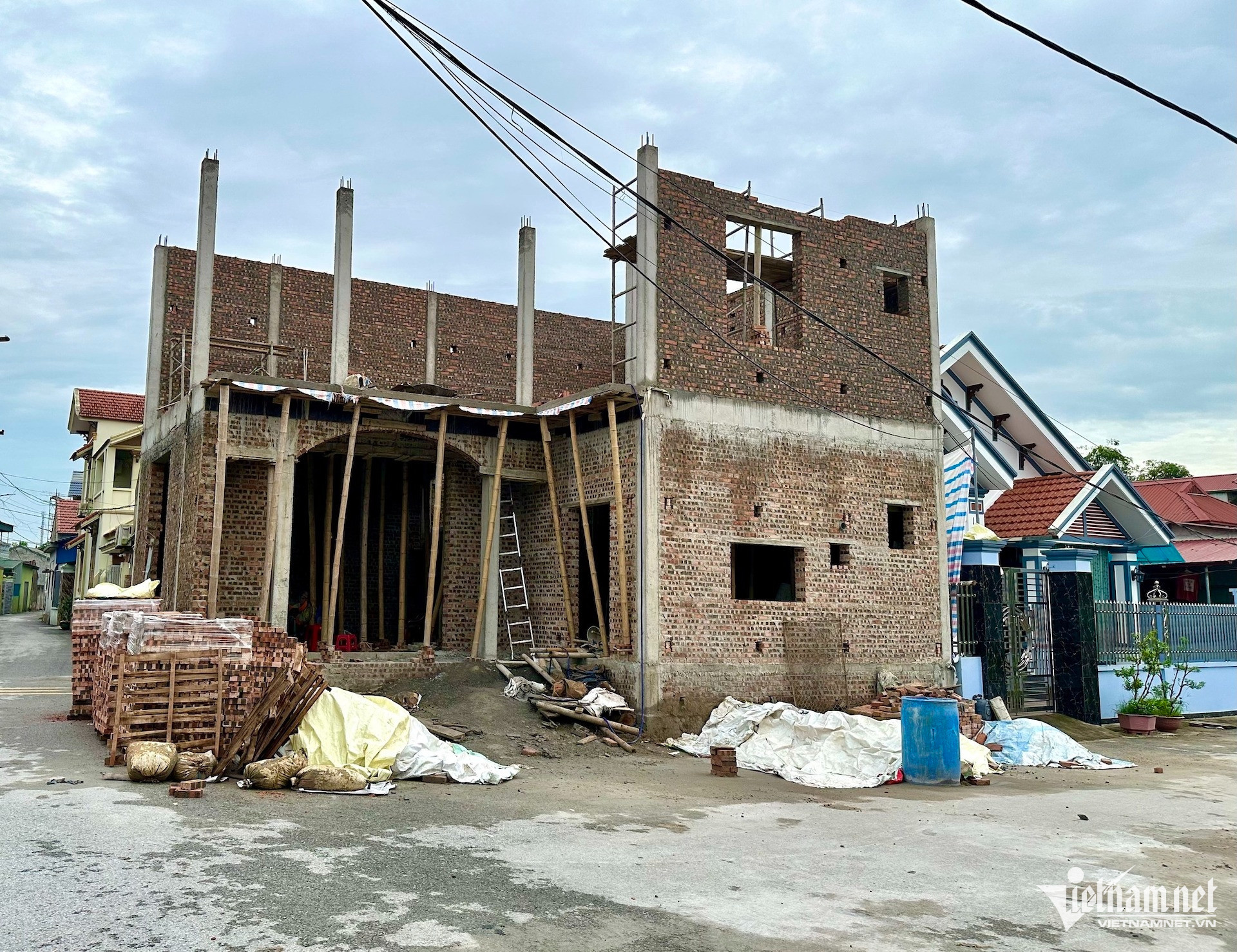
Many areas will see private housing exempt from construction permits.
Clarifying further, Bui Van Duong, Deputy Director General of the Department of Construction Economics and Investment Management under the Ministry of Construction, said that the 2020 Construction Law required private houses in rural areas without urban planning, specialized planning or detailed rural residential planning to obtain construction permits, while other cases were exempt.
The amended Construction Law inherits the foundation of the 2020 law while clarifying provisions to align with the Law on Urban and Rural Planning and adding regulations for private houses exceeding 500 square meters in floor area.
Under the Law on Urban and Rural Planning, existing residential areas are not required to prepare detailed plans; only concentrated development zones require detailed planning. For existing residential areas, local authorities need only issue architectural regulations.
“Therefore, in rural areas where architectural regulations have been issued, residents must apply for construction permits. In areas where local authorities deem it unnecessary and have not issued architectural regulations, residents are not required to obtain permits when building private houses,” Duong emphasized.
For other areas, individuals and businesses must still complete permit procedures before constructing private houses. However, the time limit for issuing construction permits is expected to be no more than seven days.
Notably, future permit issuance will follow the principle that state management agencies conduct only one inspection for each project or work, from the preparation stage to commencement of construction.
Hong Khanh
.svg)
