 Vietnamnet.vn

 Podcast



The voong are the windows found in traditional Muong stilt houses. Beyond providing natural light and ventilation, each window has its own name, location and function, reflecting customs that convey lessons about respect, family relationships and social conduct.
Every window has its own role
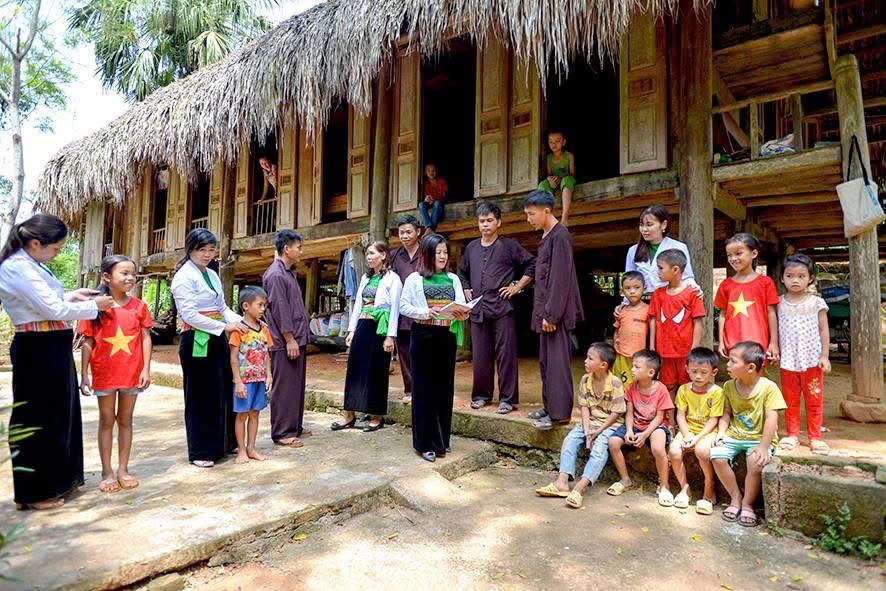
For generations, the stilt house has stood as a symbol of Muong life. More than a home shared by several generations, each house preserves traditional knowledge accumulated over time. From the ancestral altar and kitchen hearth to the staircase, every element is arranged according to long-held cultural beliefs.
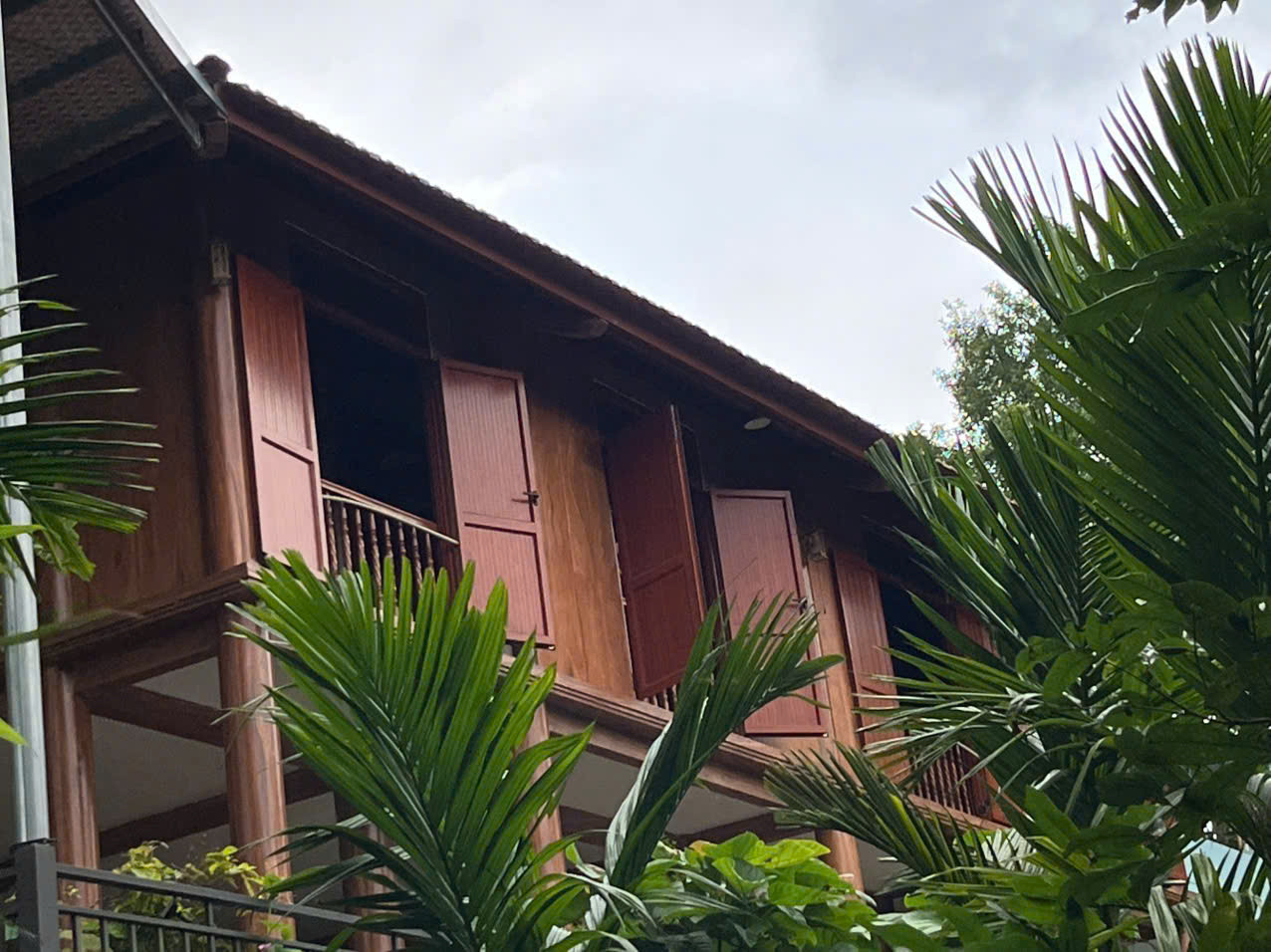
Even the windows carry their own significance. According to Muong residents in Yen Phu Commune, Phu Tho Province, a traditional stilt house typically features several voong windows, including voong lai, voong dong, voong khap, voong buong and voong doc. Although all are windows, each occupies a specific location and serves a distinct purpose.
The voong lai is located in the guest reception area. Traditionally, when a family member passed away, its wooden frame would be removed to create a wider opening through which the coffin could be carried out of the house. As housing designs and funeral customs have evolved, however, families today almost always use the main entrance instead.
Among all the windows, the voong dong holds the highest and most honored position in the house. It is reserved for elderly family members and respected elders of the clan during family gatherings, festivals, ceremonies and when welcoming guests.
Speaking to VietNamNet, Quach Thanh Huong, 70, from Yen Phu Commune, said seating arrangements in the past were clearly defined.
"The voong dong was reserved for elderly people and those of high standing within the family or clan. "Things are no longer as strict as they used to be, and younger family members may now sit in different places. But whenever guests visit or the family gathers for important occasions or Lunar New Year celebrations, this place is still given to the elders as a sign of respect," Huong said.
While the voong dong symbolizes respect for elders, the voong khap is closely associated with agricultural life. Located on the left side of the house beside the drying platform, it overlooks the area where the Muong traditionally dry rice, corn, sweet potatoes and cassava after each harvest.
At the innermost section of the house is the voong buong, which is connected to the living quarters traditionally used by daughters-in-law. Its placement reflects the organization of multi-generational households and the traditional allocation of living space within Muong families.
Another type is the voong doc. According to village elders, however, it is now rarely found because the design of Muong stilt houses has gradually changed to meet modern living needs.
Preserving the home means preserving traditional knowledge
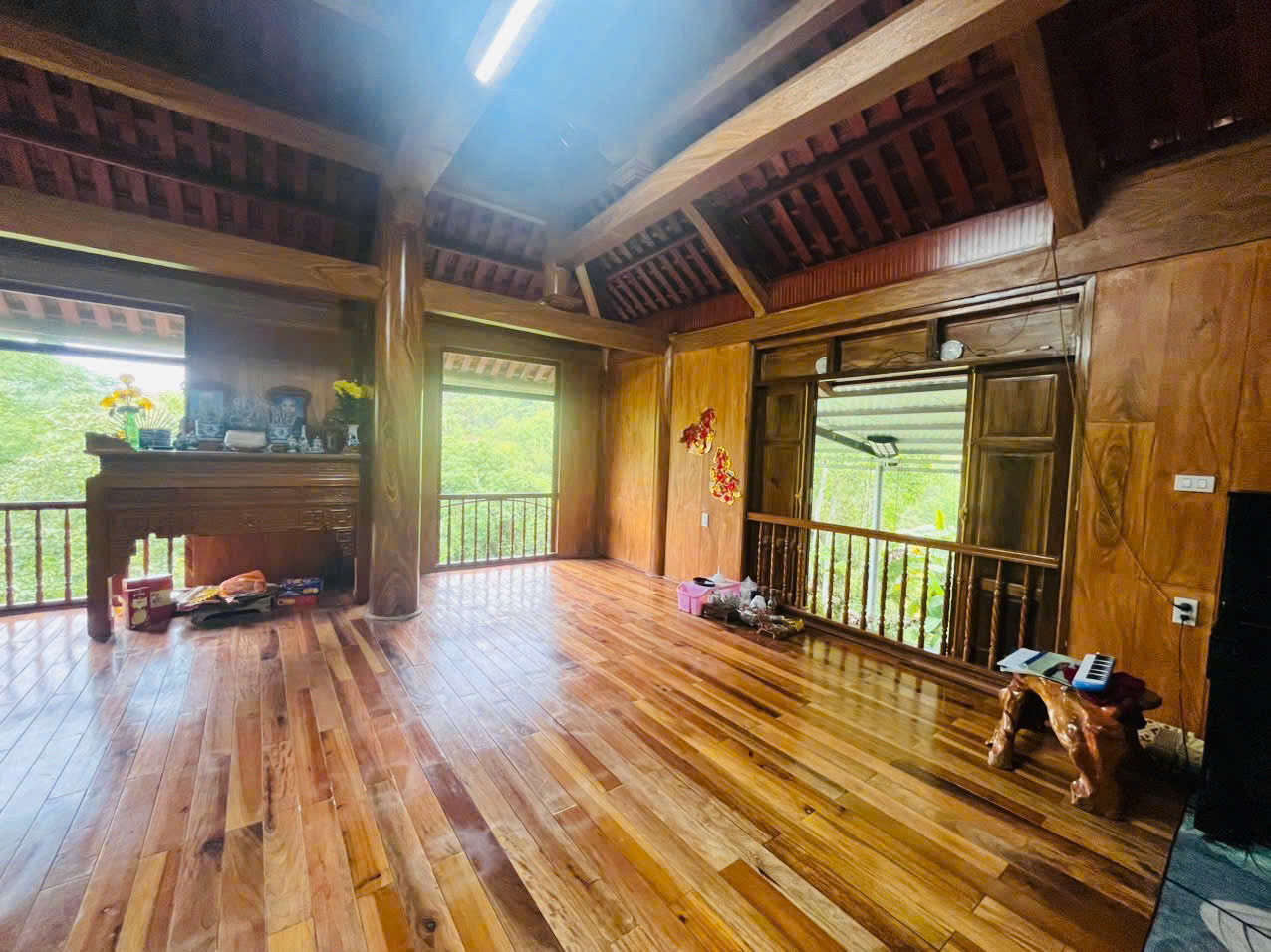
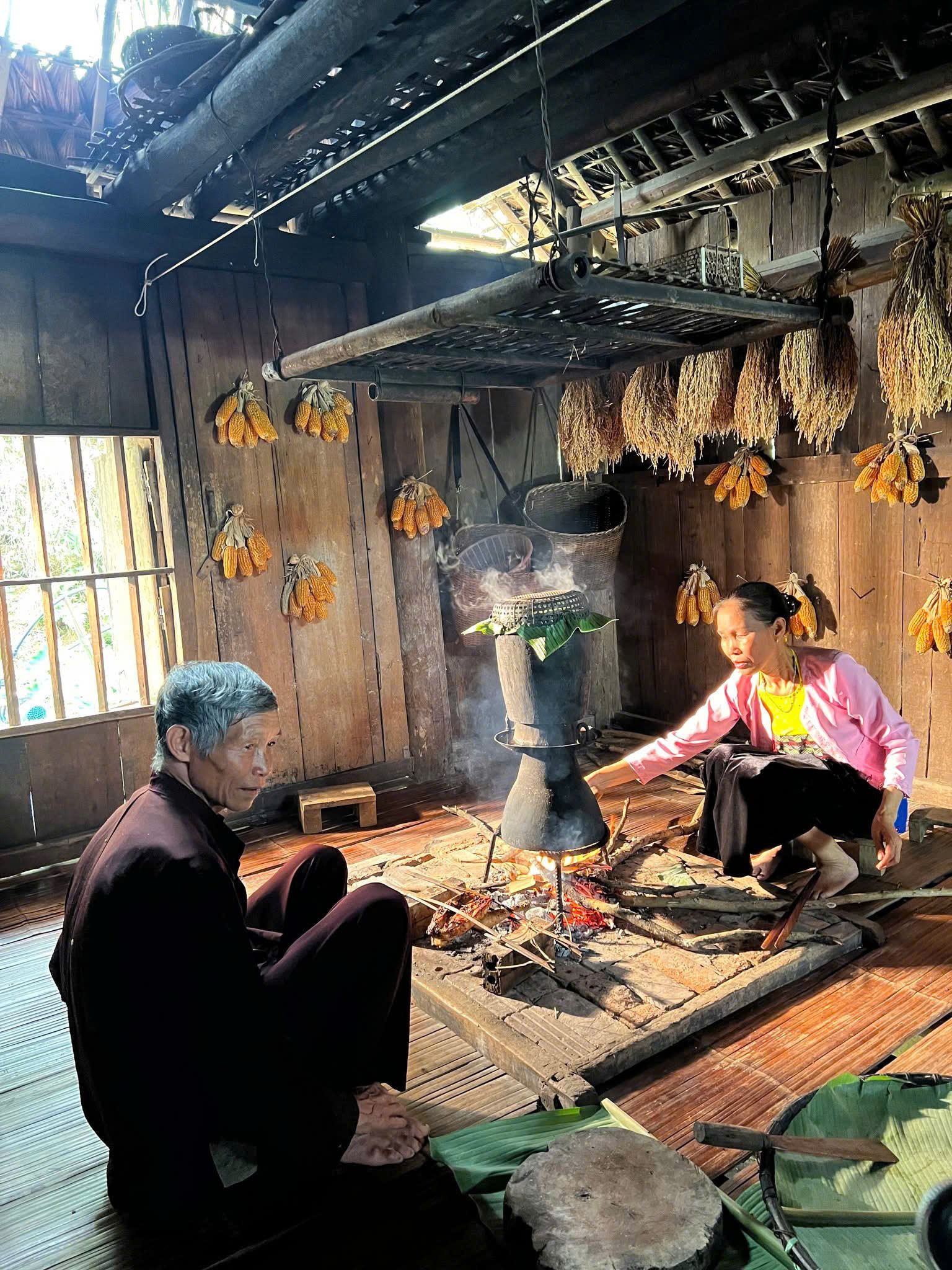
According to Huong, many of the traditional customs associated with Muong stilt houses have become more flexible as society has changed. Nevertheless, their underlying values remain.
During Lunar New Year, weddings, family ceremonies and when receiving distinguished guests, the voong dong is still reserved for elders and senior family members.
These seemingly simple customs help teach younger generations to respect their elders, honor parents and grandparents, and maintain family traditions. Without lengthy instruction, the very layout of the house becomes a practical lesson in Muong cultural values and social etiquette.
Today, many traditional stilt houses have been renovated or replaced by modern concrete homes. Even so, among older generations and in families that continue to preserve traditional houses, names such as voong dong, voong lai and voong khap are still remembered with pride as part of the Muong people's cultural identity.
Preserving traditional stilt houses means more than protecting a distinctive architectural heritage. It also safeguards the cultural identity of Vietnam's ethnic minority communities and the traditional knowledge embedded in every detail of these homes.
Viet Ha
.svg)
