 Vietnamnet.vn

 Podcast



On July 29, Vietnam Law Newspaper, in collaboration with the Lai Chau Department of Culture, Sports and Tourism, announced the launch of the 2026 "Footsteps Above the Clouds – Conquering the Pavi Stone Road" challenge.
According to the organizers, the third edition of the event will take place on October 4 in Sin Suoi Ho Commune, Lai Chau Province. For the first time, participation will be open to the general public, with the aim of further showcasing the people and landscapes of Vietnam's Northwest while inspiring adventure enthusiasts to conquer peaks in the Hoang Lien Son mountain range.
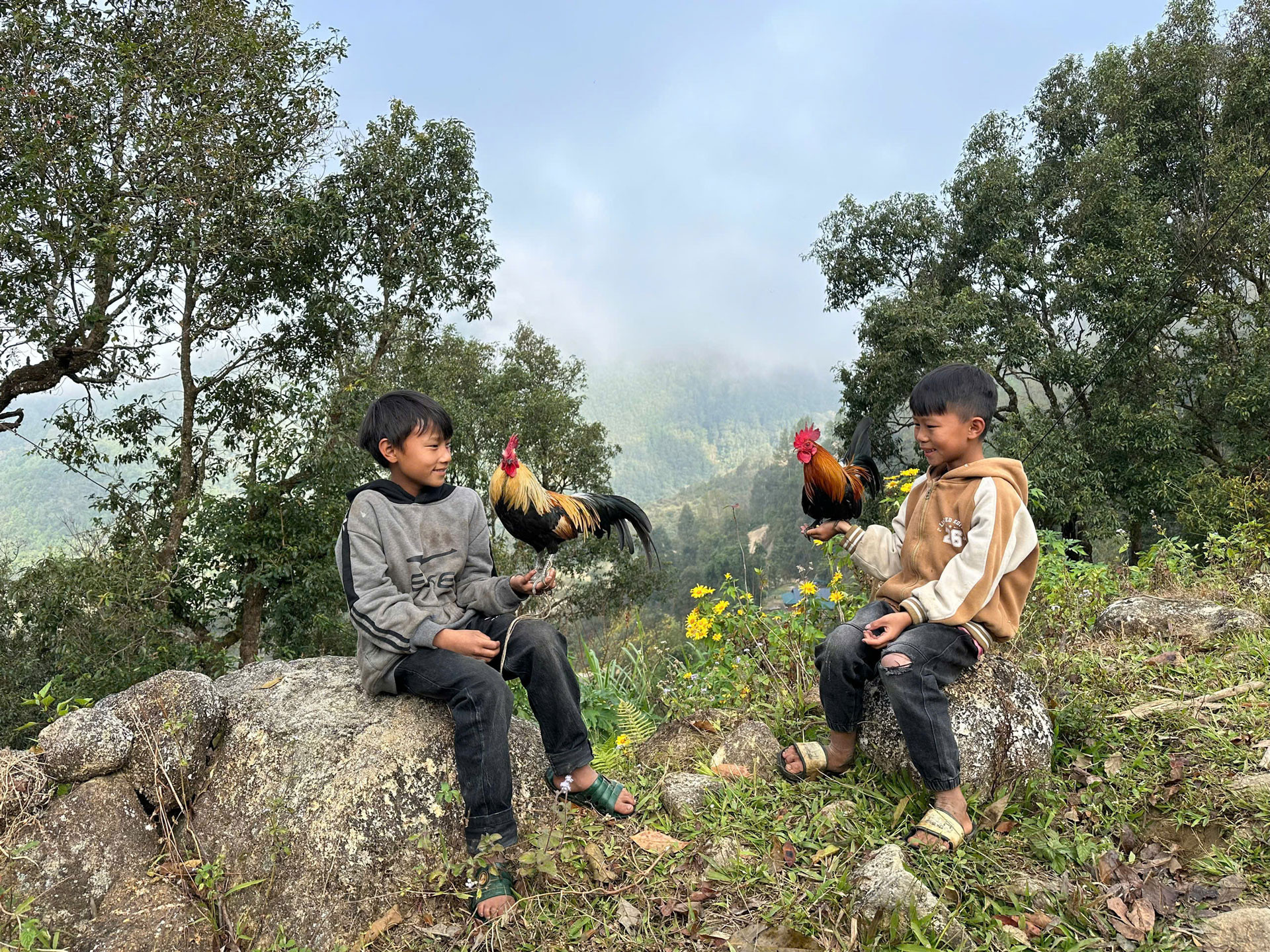
The event has also helped attract more visitors to remote highland villages, supporting local tourism development and gradually improving the livelihoods of ethnic minority communities.
So what makes this century-old stone road one of Vietnam's most captivating trekking destinations?
The Pavi Road was built in the early 20th century during the French colonial period to connect Lai Chau with Sa Pa.
It is widely regarded as one of the most distinctive and best-preserved historic stone roads remaining in northern Vietnam's mountainous region.
Given the area's rugged terrain, many sections were paved with large stone slabs that were manually laid using traditional construction techniques to ensure durability and year-round accessibility.
Despite more than a century of history and exposure to harsh natural conditions, many stretches of the road have retained their original structure.
Today, the Pavi Stone Road is valued not only for its historical significance but also as an important cultural heritage site and scenic landmark of Lai Chau Province.
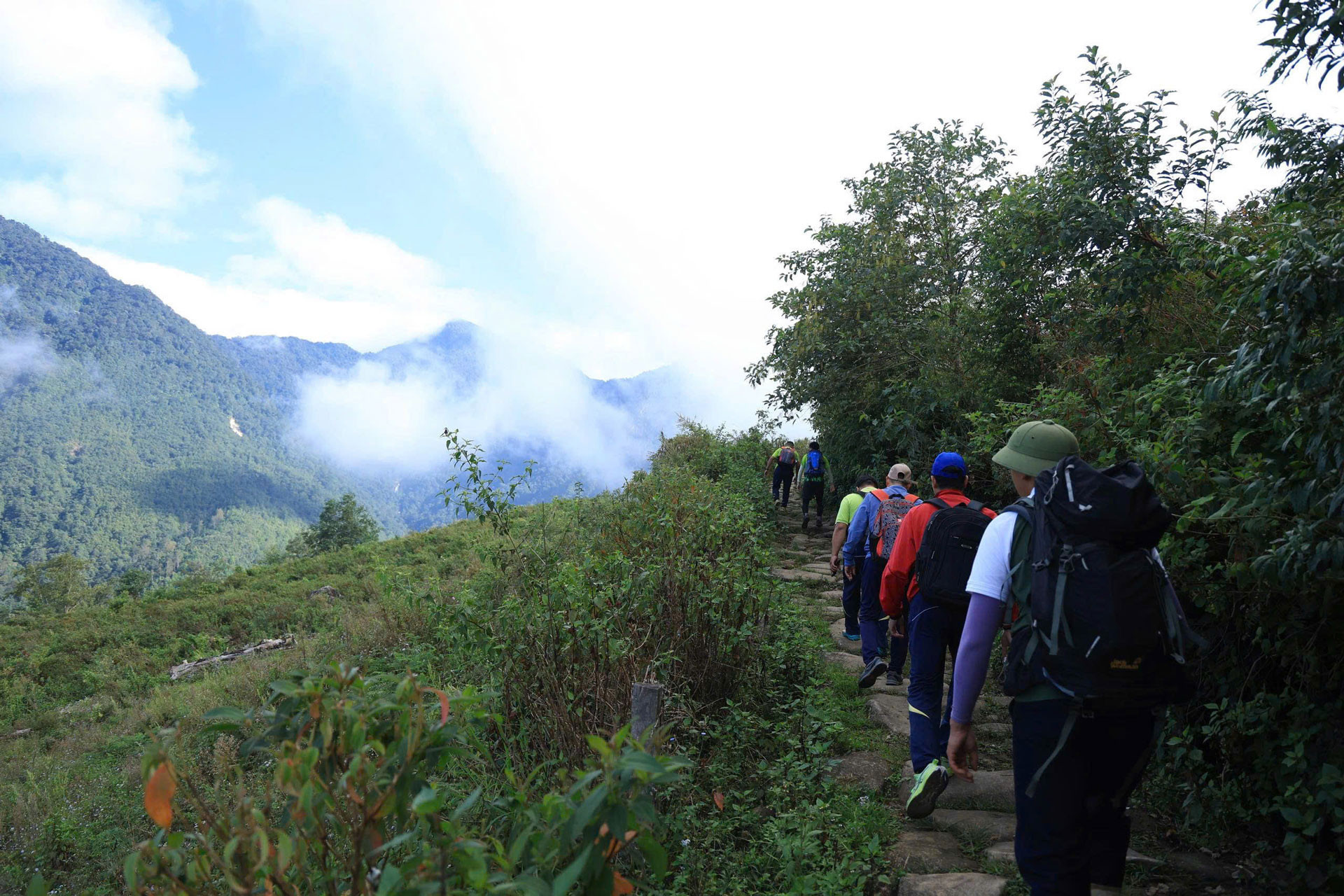
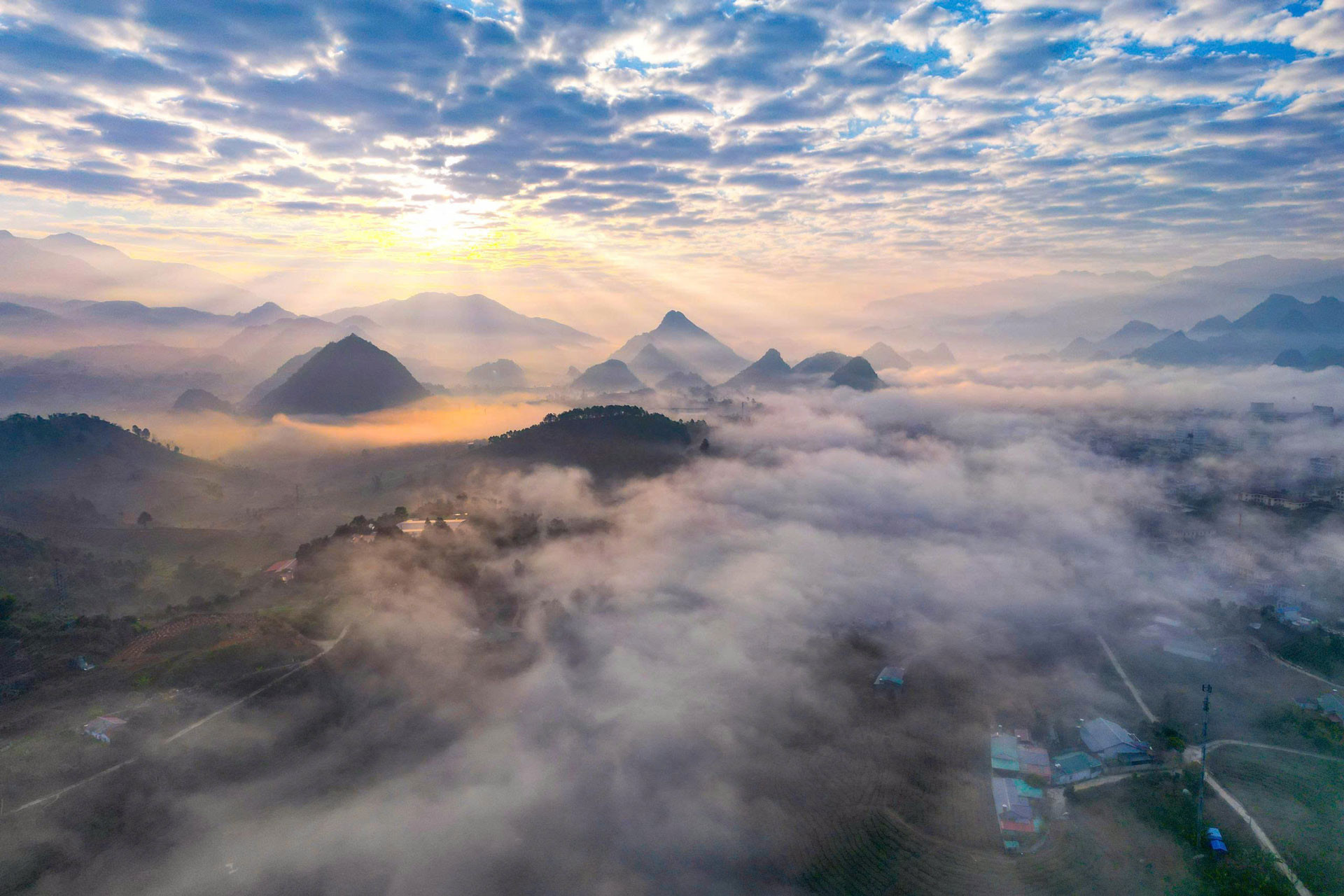
Visitors joining the "Footsteps Above the Clouds" journey have the opportunity to trek through pristine forests, dramatic mountain slopes, waterfalls, natural streams and villages inhabited by Hmong, Dao and Ha Nhi ethnic communities.
The route also offers breathtaking views of terraced rice fields that resemble a living landscape painting shaped by nature.
Together, these elements create a unique travel experience where spectacular natural scenery blends seamlessly with the traditional culture and daily life of local communities.
As trekkers climb higher, the route becomes quieter and more secluded. Ancient stone sections emerge beneath thick layers of green moss, making the trail both more slippery and even more exhilarating.
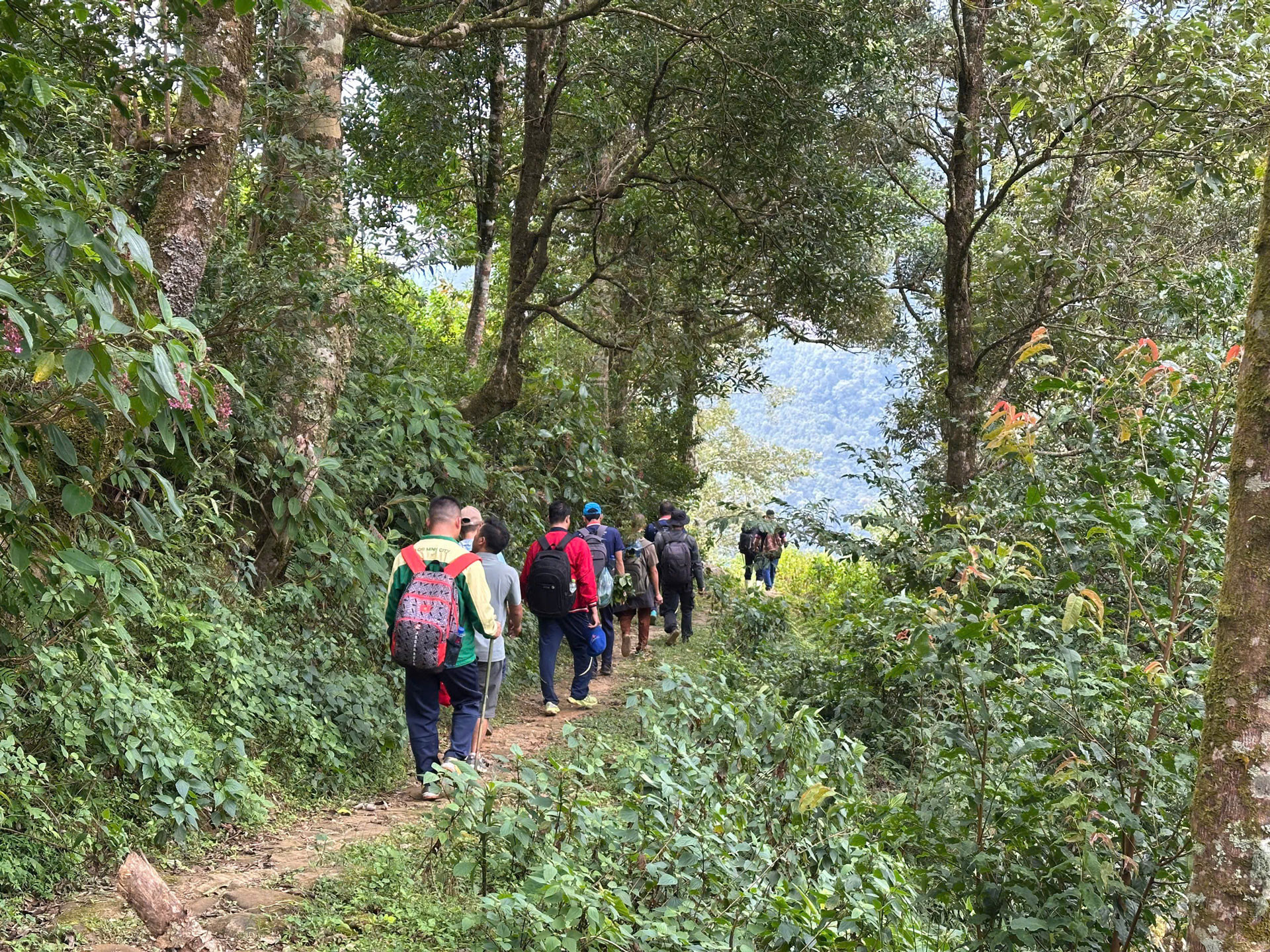
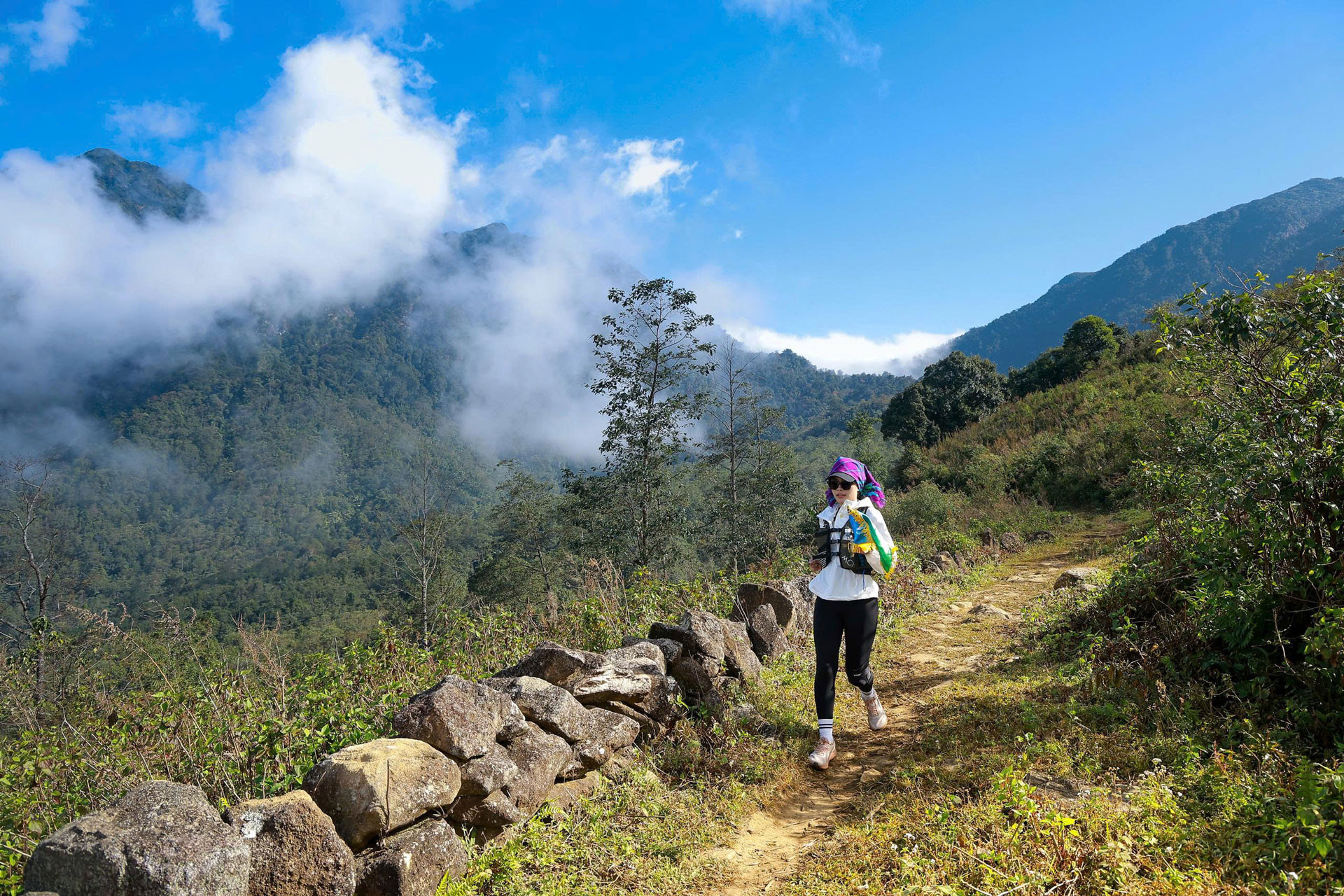
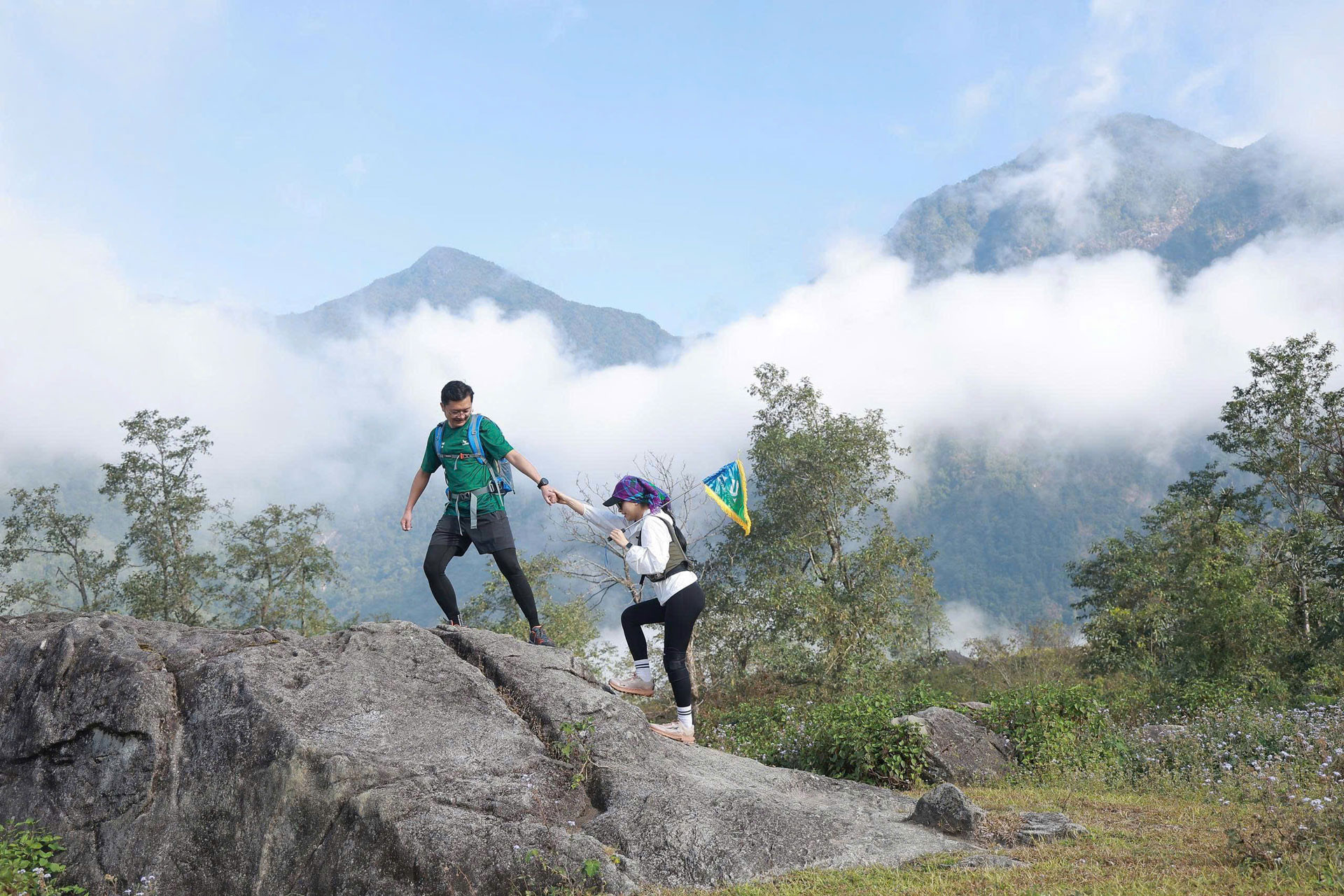
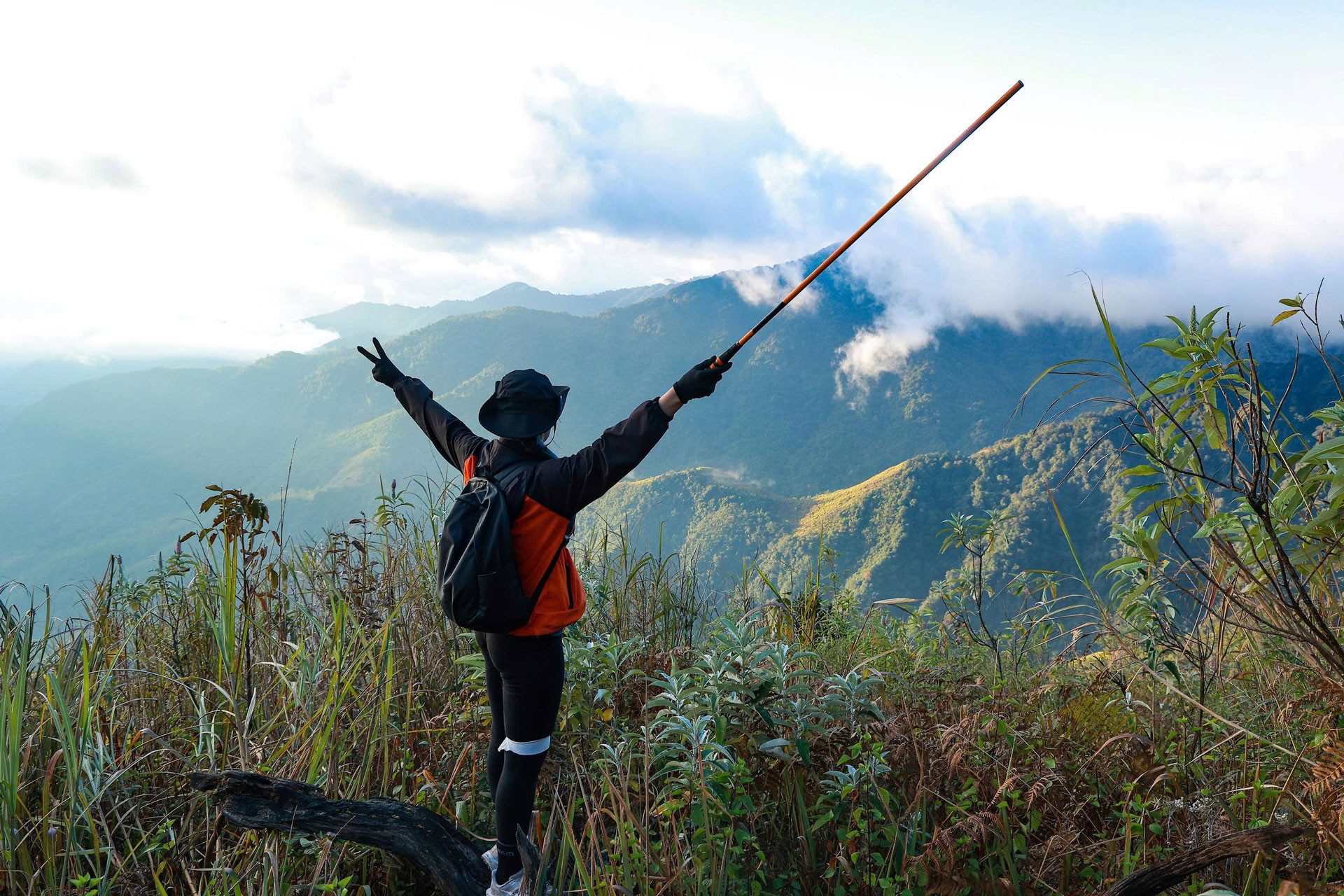


Photos: Hoang Viet
Tinh Le
.svg)
