Vietnamnet.vn

 Podcast


Tran Nghi
In Lieu Ha Village, Lang Phong Hamlet, Nho Quan Commune, Ninh Binh Province, two enormous persimmon trees have stood for more than seven centuries, witnessing generations of village life.
Recently recognized as Vietnam Heritage Trees, the ancient trees are regarded by local residents as priceless treasures that have been protected and passed down through generations.
Ancient trees that survived war and lightning strikes
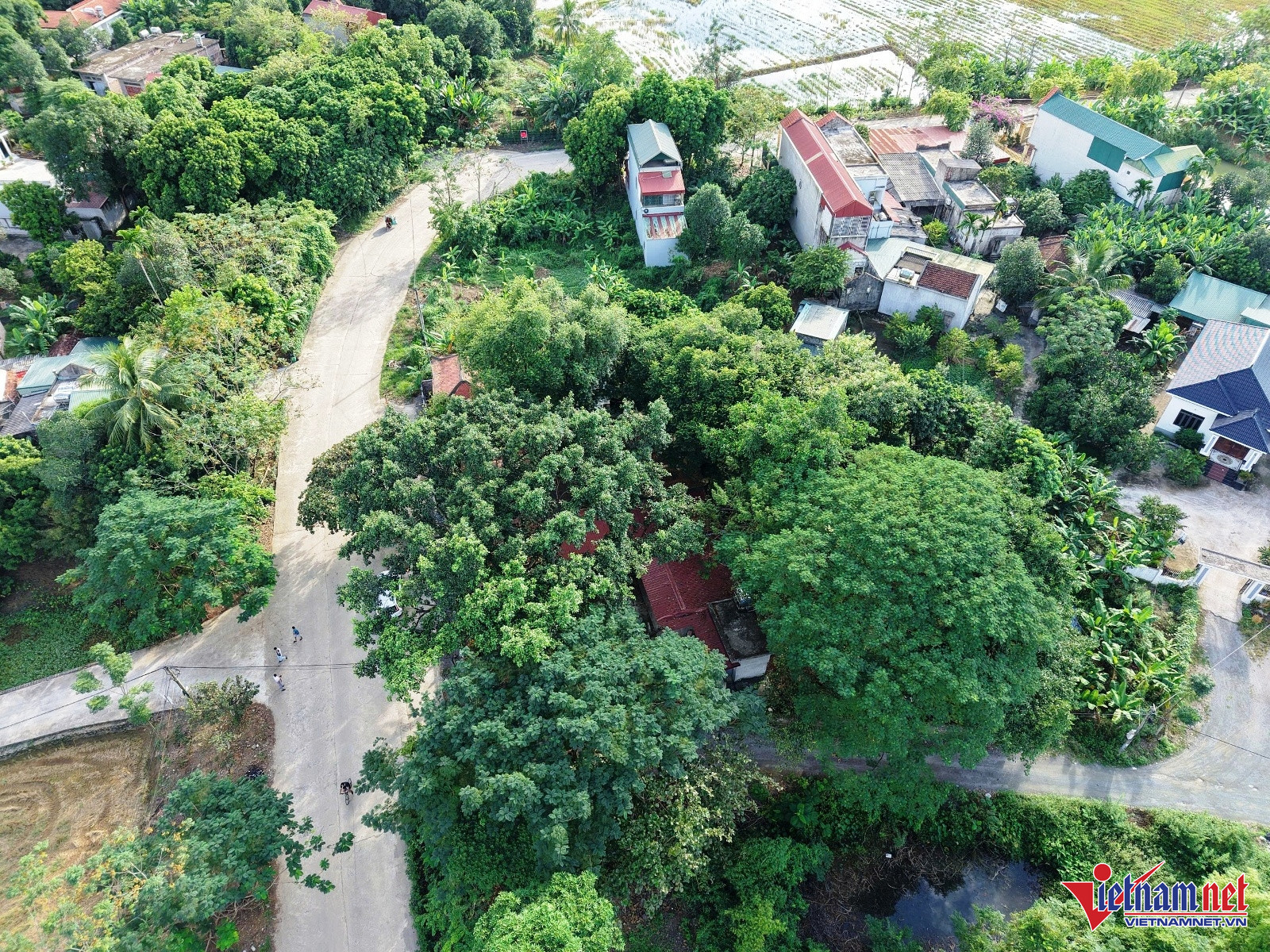
The two trees stand beside and behind an old village shrine, their rugged trunks and sprawling branches providing shade for the historic structure and surrounding area.
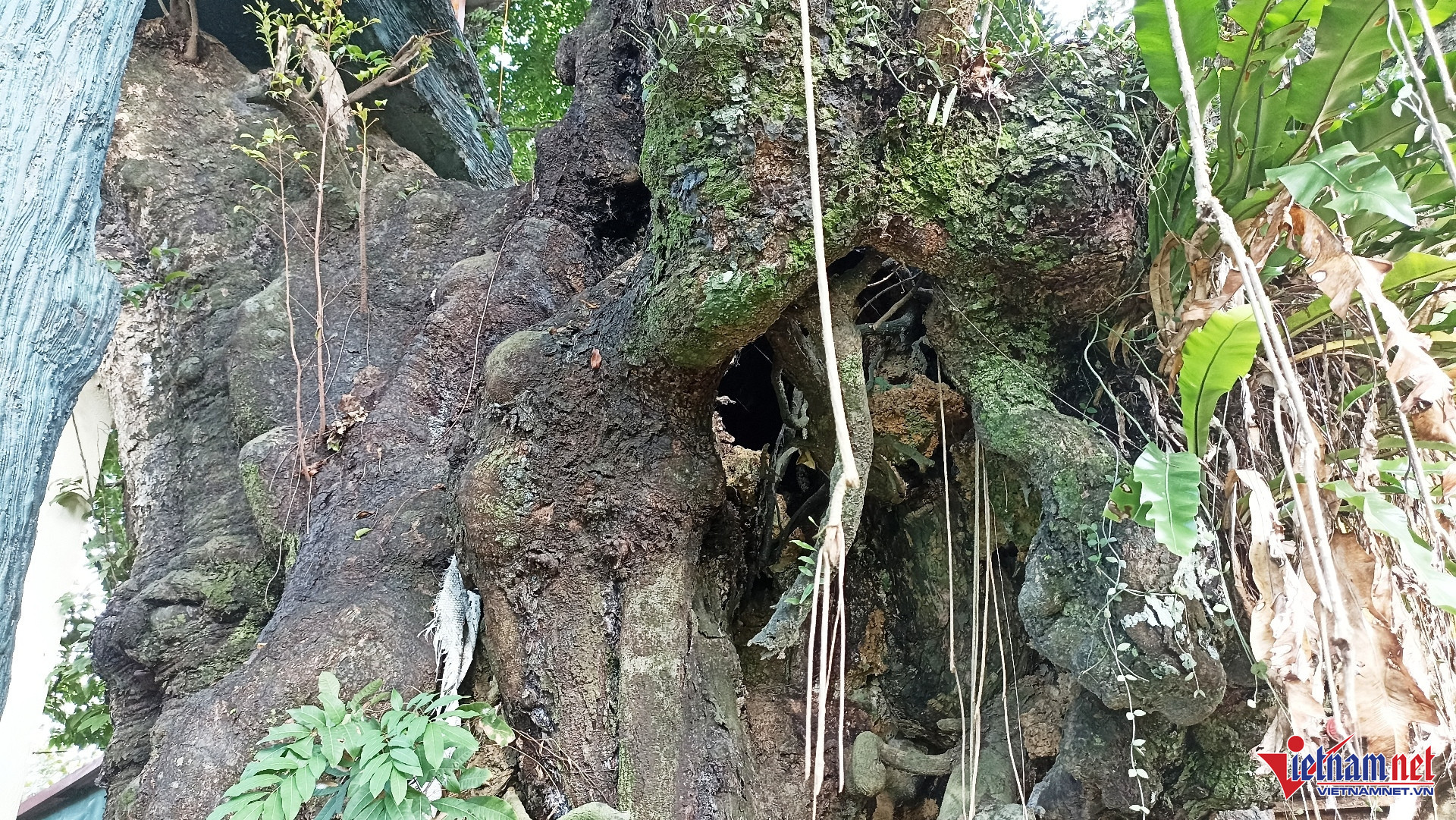
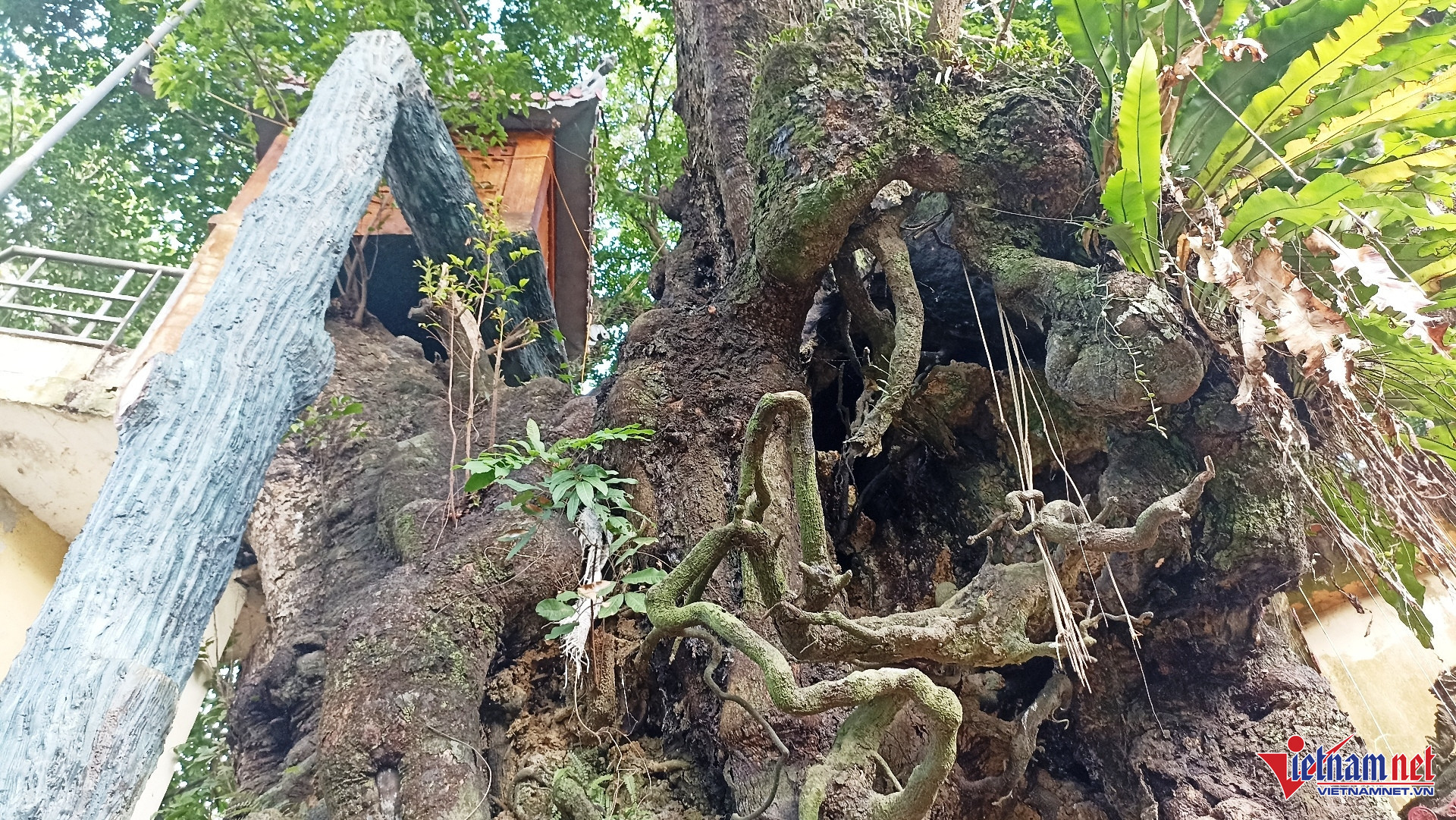
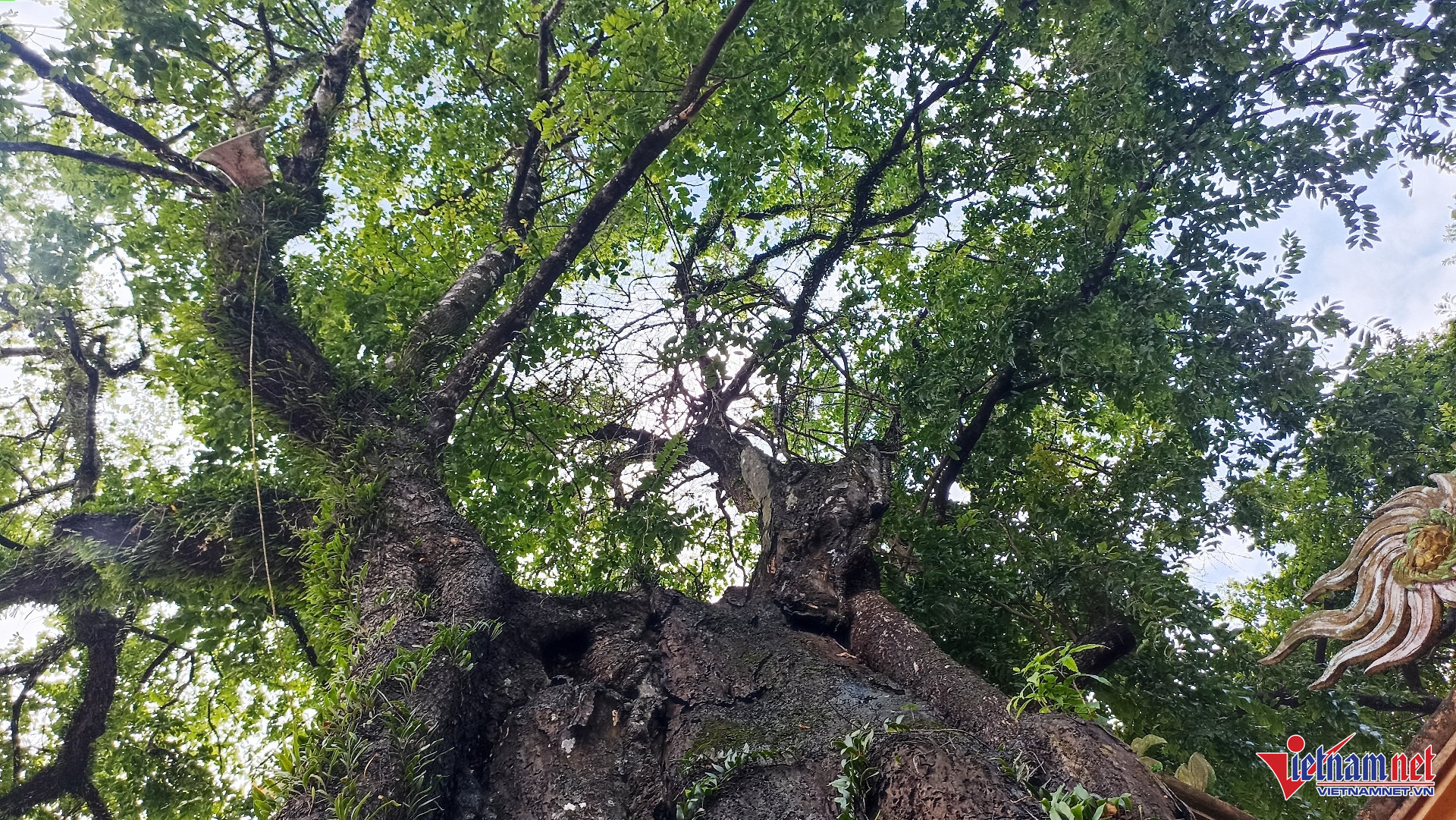
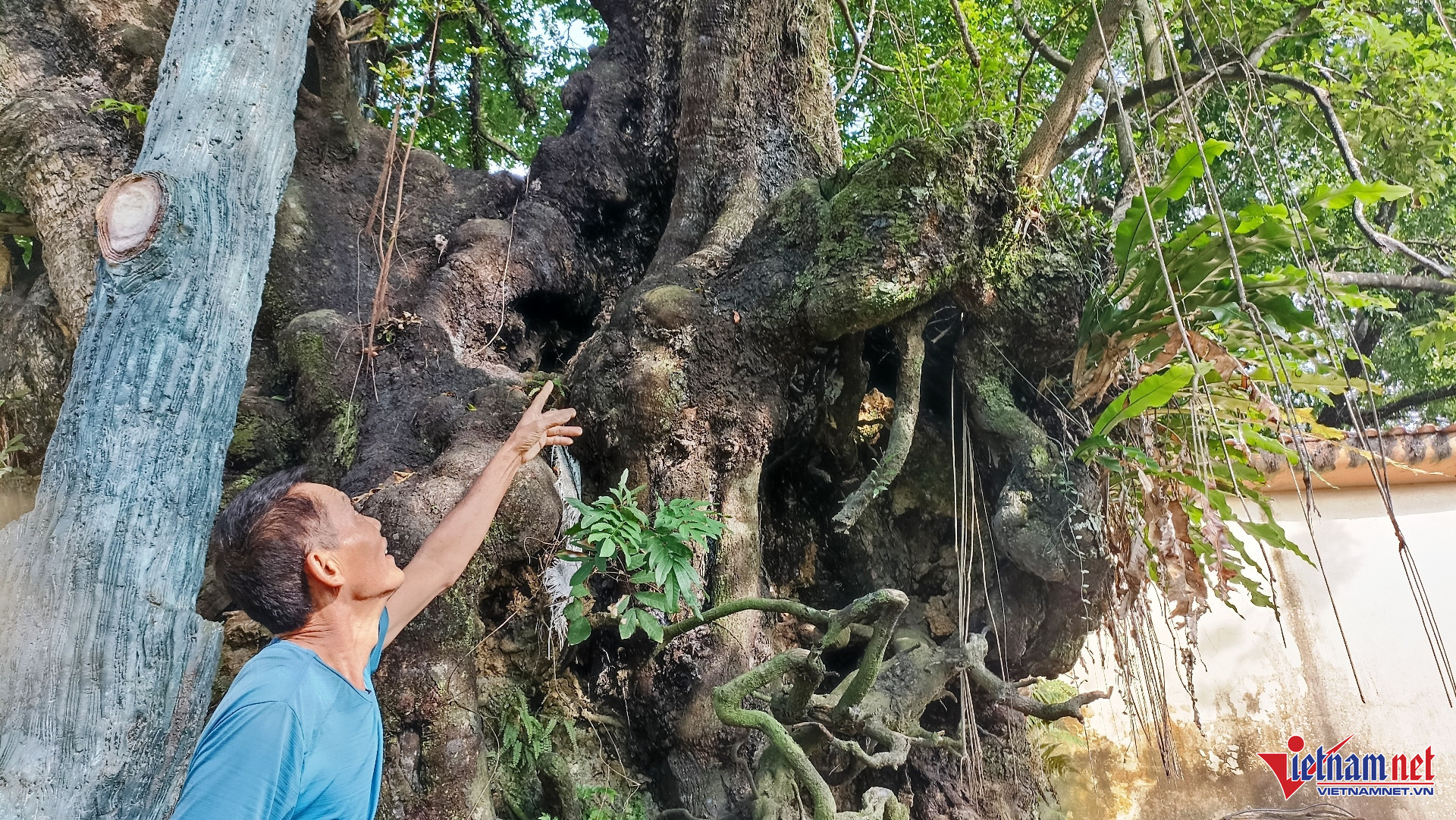
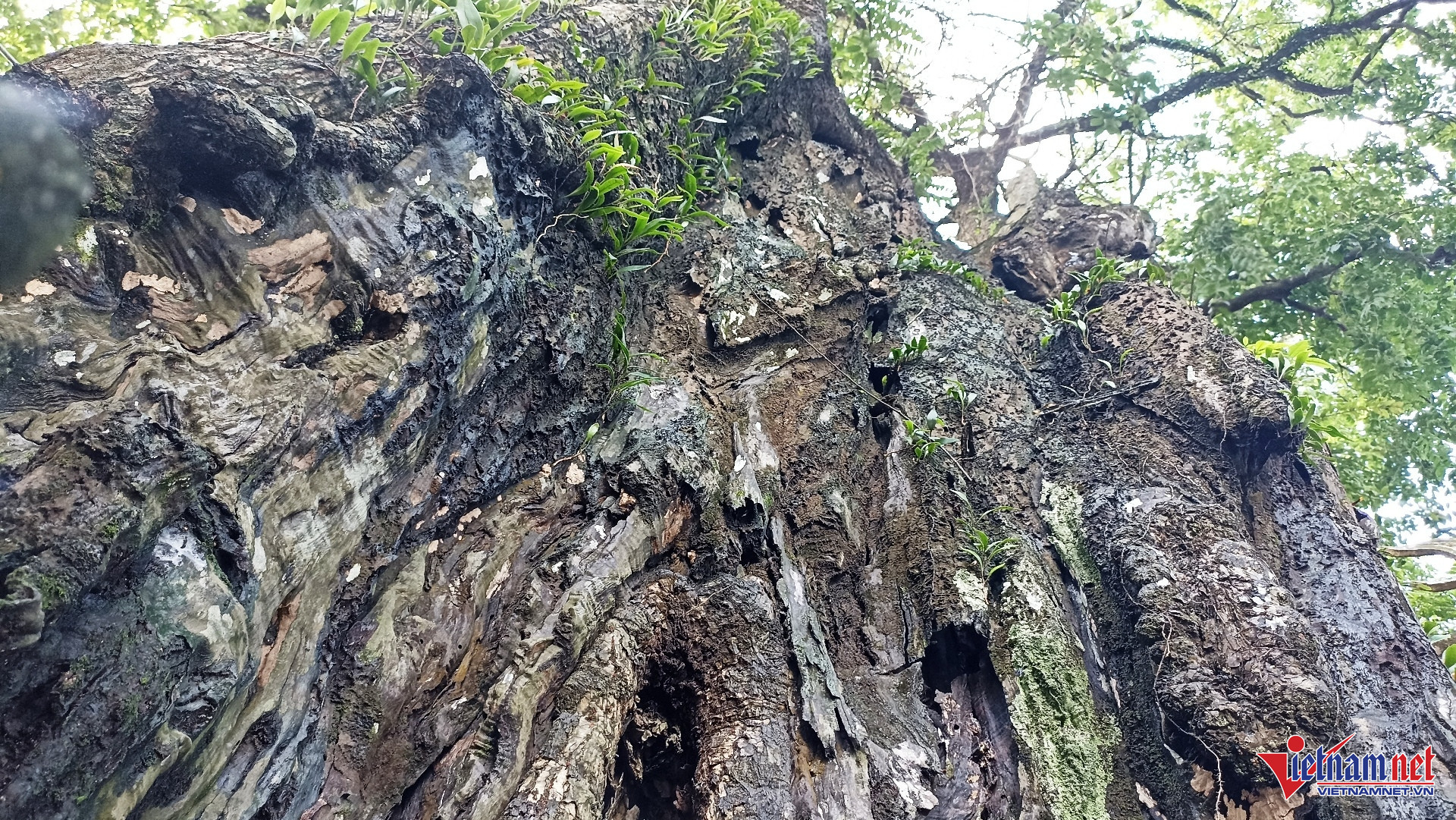
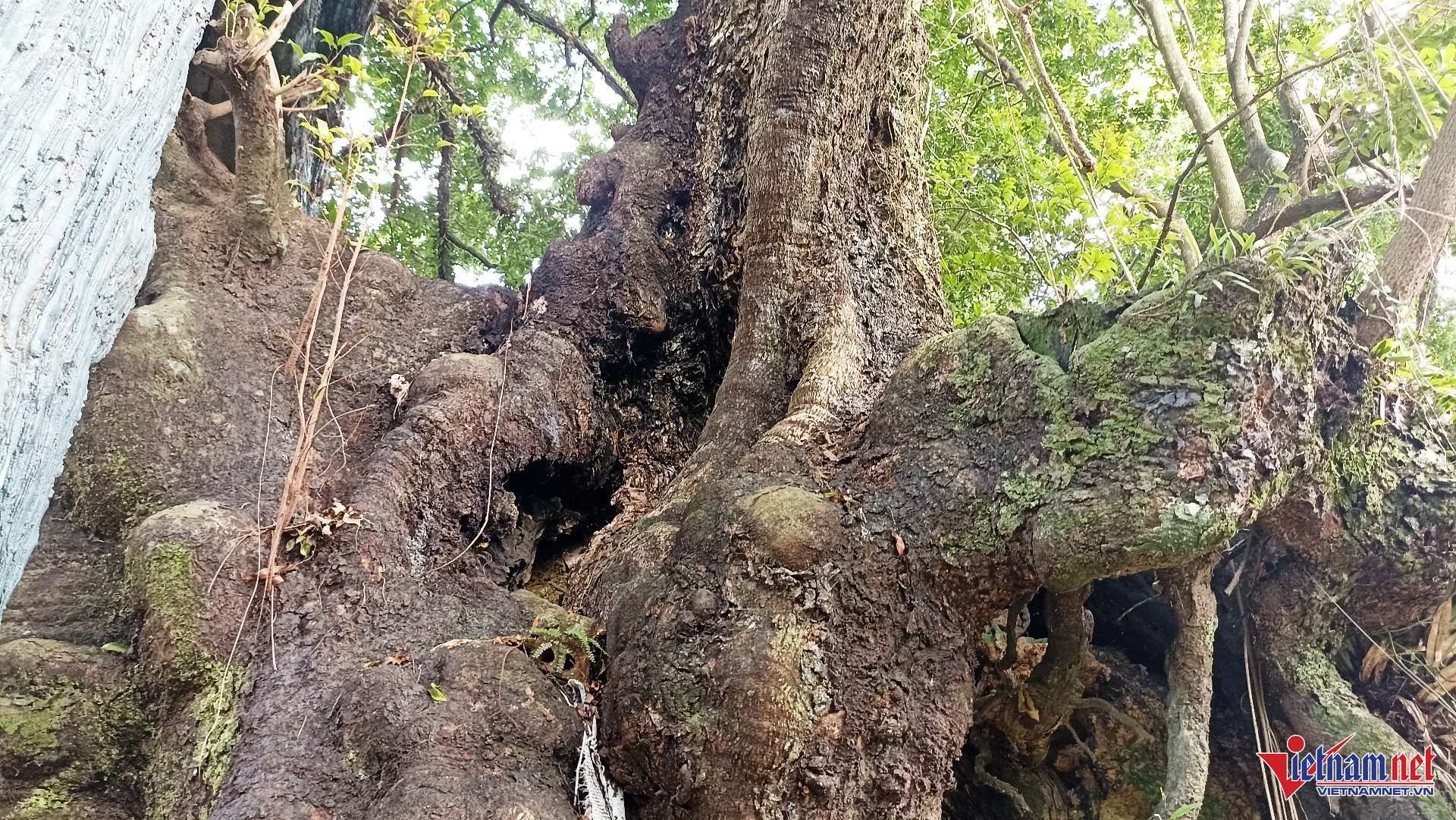
The tree beside the shrine, which has lost half its trunk, measures 4.2 meters in trunk diameter and reaches 25 meters in height. Its lush canopy spreads more than 20 meters across.
The larger tree behind the shrine has a trunk diameter of 8.1 meters, stands 20 meters tall and boasts a canopy extending up to 25 meters.
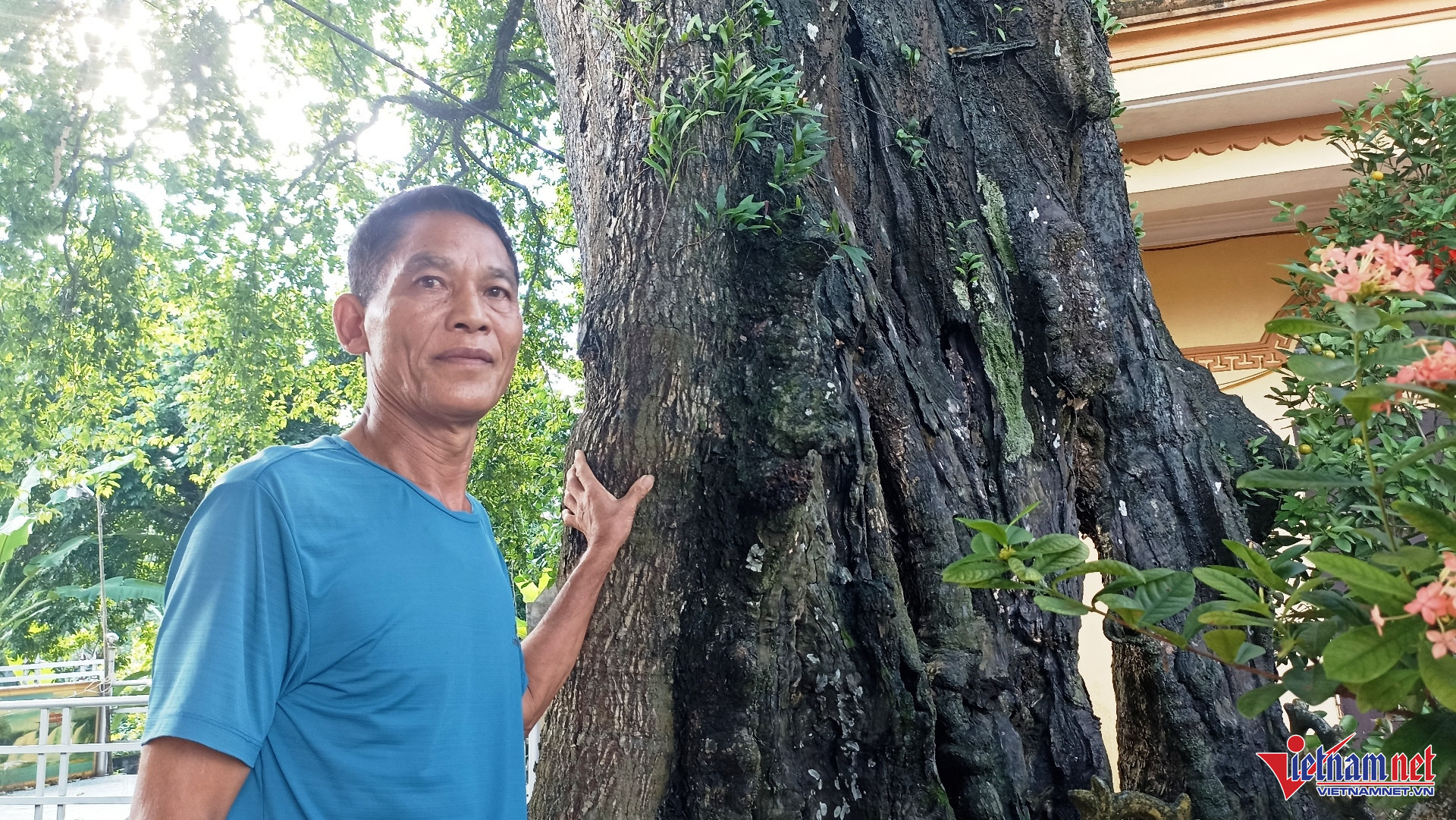
Quach Van The, 65, the caretaker of Lieu Ha Village's historic site, said no one knows exactly when the trees first took root.
"I only heard from the village elders that there used to be an old wooden shrine here dedicated to the village's tutelary deity," he recalled.
"In 1953, during the fighting, artillery fire caused a blaze that spread to the persimmon tree beside the shrine. That is why only half of its charred trunk remains today. The larger tree behind the shrine was struck by lightning, and some of its branches had to be removed."
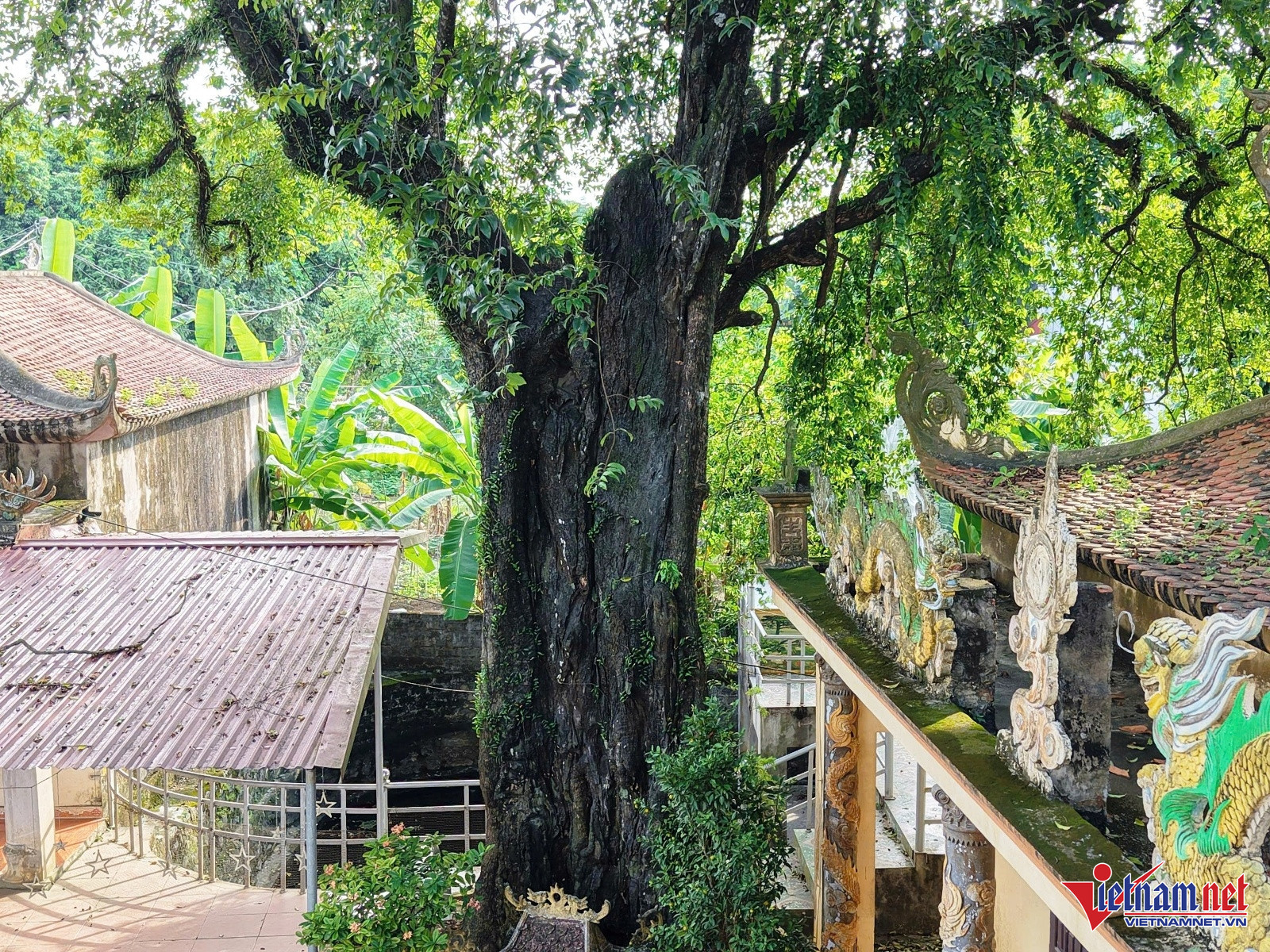
According to The, the shrine and its two ancient trees also served as a meeting place, shelter and revolutionary base during wartime, protecting local residents and revolutionary personnel.
At one point, the shrine courtyard was used as a wartime marketplace, while a network of trenches behind the building provided shelter during enemy bombing raids.
Despite the damage caused by war and lightning strikes, neither tree died.
Instead, both continued to produce new shoots and leaves, gradually recovering and remaining green and vigorous through the decades.
Their resilience has made them enduring companions to generations of local residents.
Living witnesses to centuries of village history
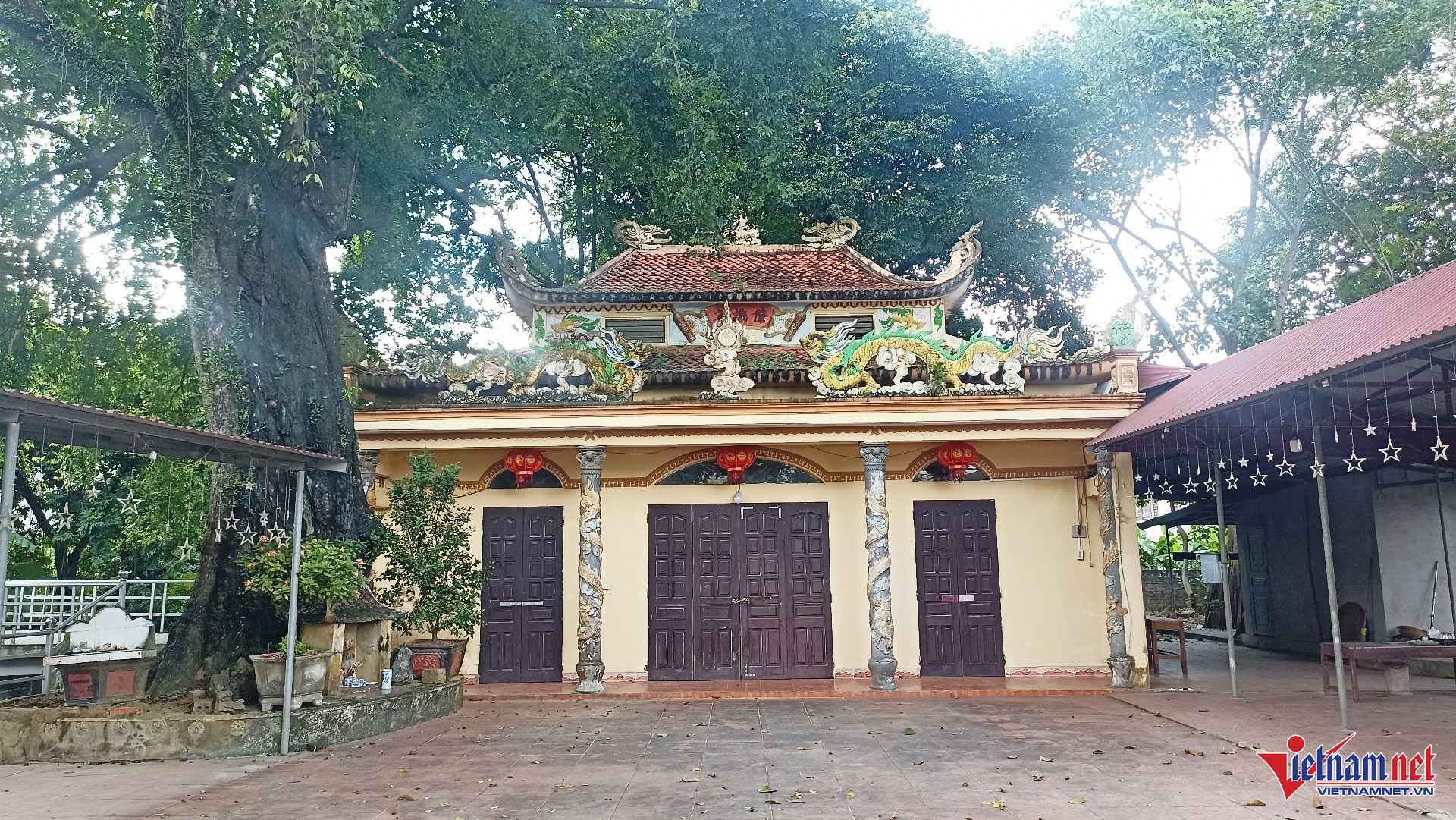
According to local oral traditions passed down by village elders, the ancient Lieu Ha shrine has existed for centuries.
Residents say that around 10 generations of villagers grew up seeing the two persimmon trees already standing tall.
The original shrine was a simple structure consisting of three main shrines and a smaller shrine built in one of the trees.
Around 2000, villagers raised funds to construct a tiled-roof building enclosing the three main shrines.
Further renovations and expansions were carried out in 2008.
The two persimmon trees are believed to have existed even before the original shrine was built, supporting the assessment that both are more than 700 years old.
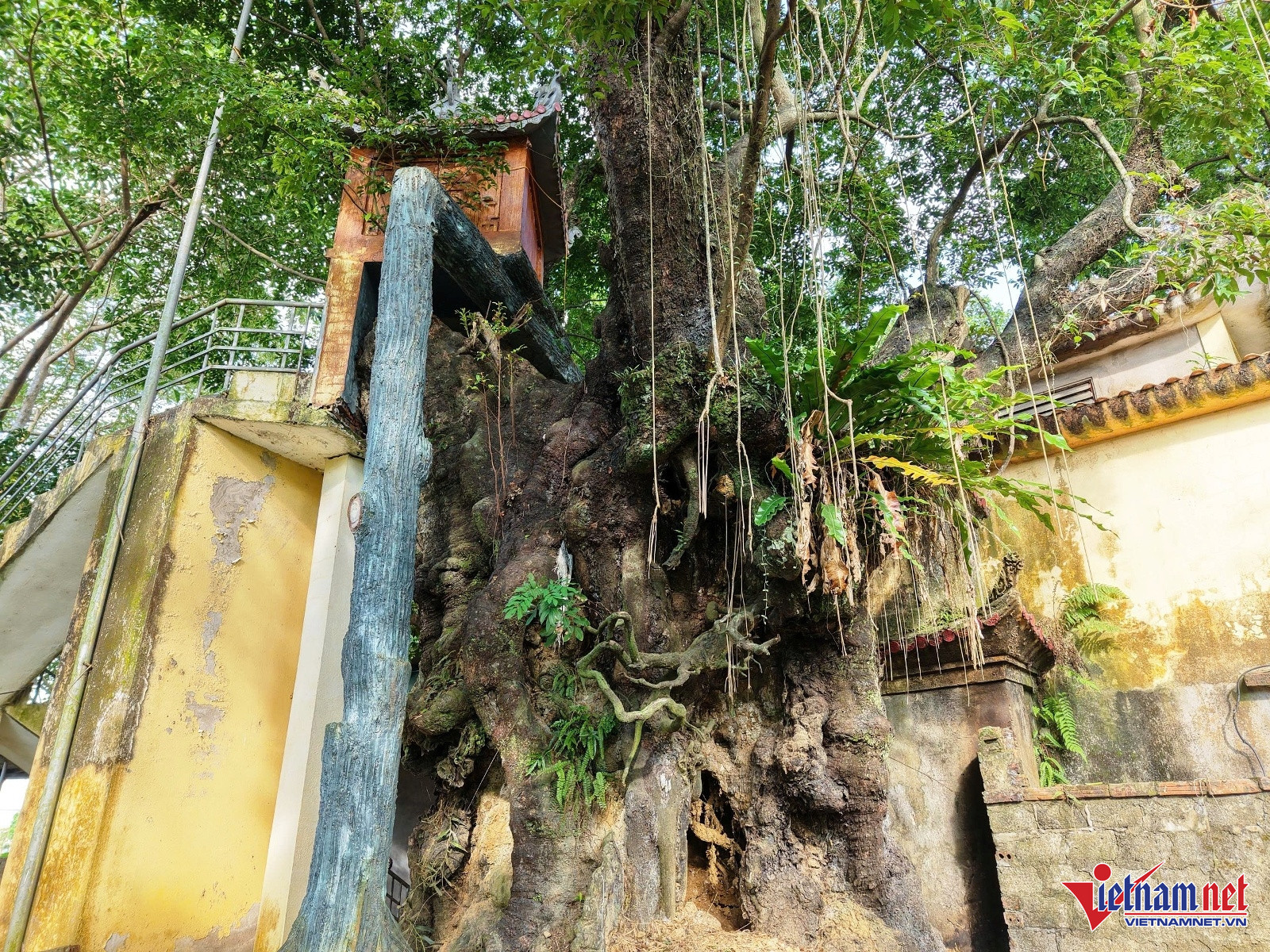
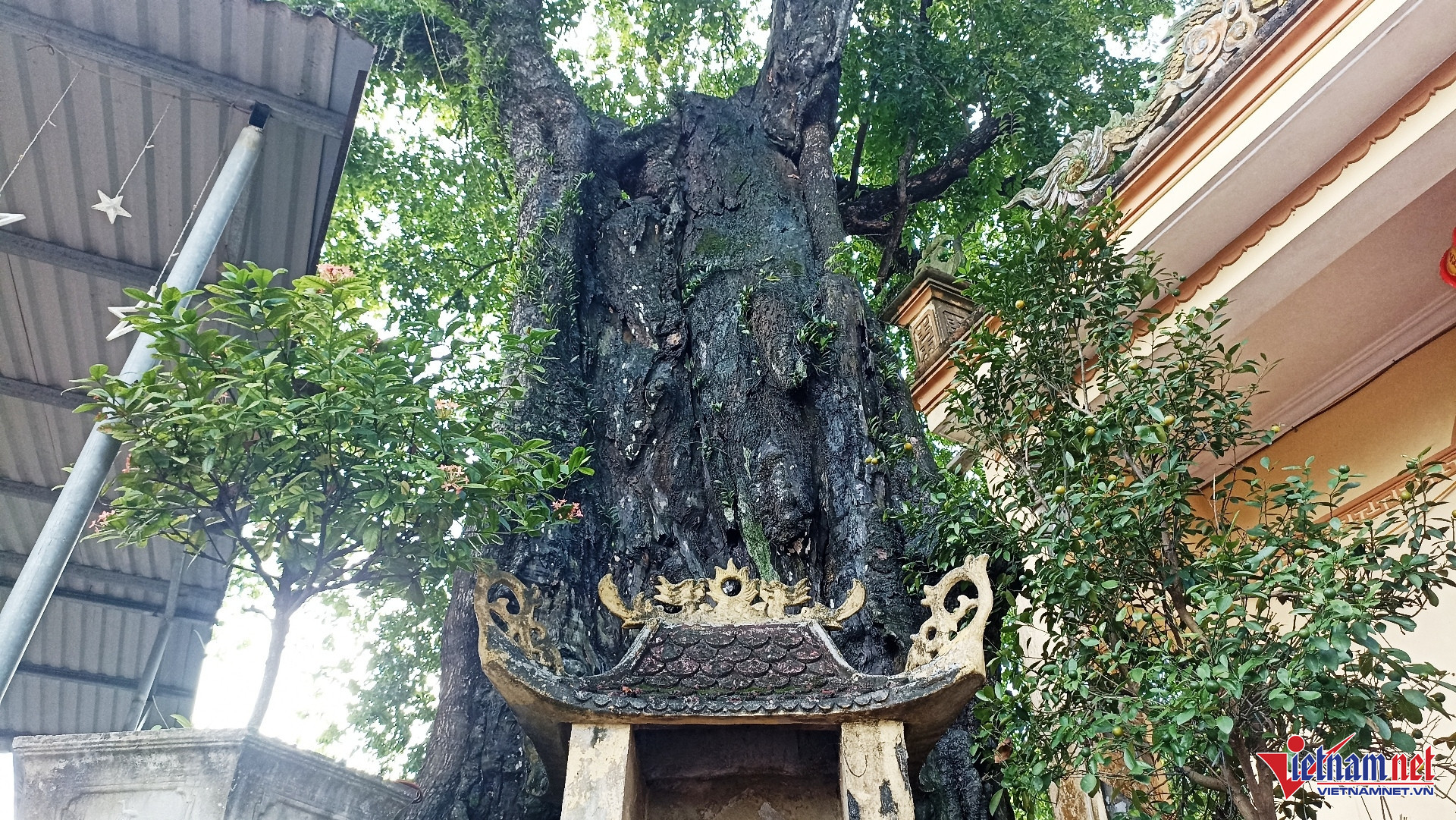
Le Nhu Quynh, head of Lang Phong Hamlet in Nho Quan Commune, said the trees have witnessed centuries of historical events, religious practices and traditional cultural activities.
"Over hundreds of years, these two trees have witnessed countless historical events and the village's religious and cultural traditions. To this day, the people of Lieu Ha continue to care for and protect them so they can survive and flourish," Quynh said.
He explained that the ancient shrine and its trees hold cultural and spiritual significance beyond the shade they provide throughout the year.
The site remains an important communal space where residents conduct traditional worship ceremonies and rituals.
Over the centuries, both the shrine's architecture and the trees themselves have undergone changes, reflecting the passage of time.
Together, the shrine and the two ancient persimmon trees stand as living witnesses to the fortunes and hardships experienced by generations of Lieu Ha villagers.
The trees have become sacred village symbols, regarded as treasures to be preserved for future generations and reminders of the community's ancestral roots.
Official recognition as Vietnam Heritage Trees
In recognition of their historical, cultural and spiritual significance, the Vietnam Association for Conservation of Nature and Environment recently decided to designate the two persimmon trees at the ancient Lieu Ha shrine as Vietnam Heritage Trees.
The designation acknowledges not only their exceptional age but also their enduring connection to the community's history, identity and traditions.
For local residents, the two trees represent far more than remarkable natural landmarks. They embody centuries of collective memory and a commitment to preserving the village's heritage for generations to come.