 Vietnamnet.vn

 Podcast



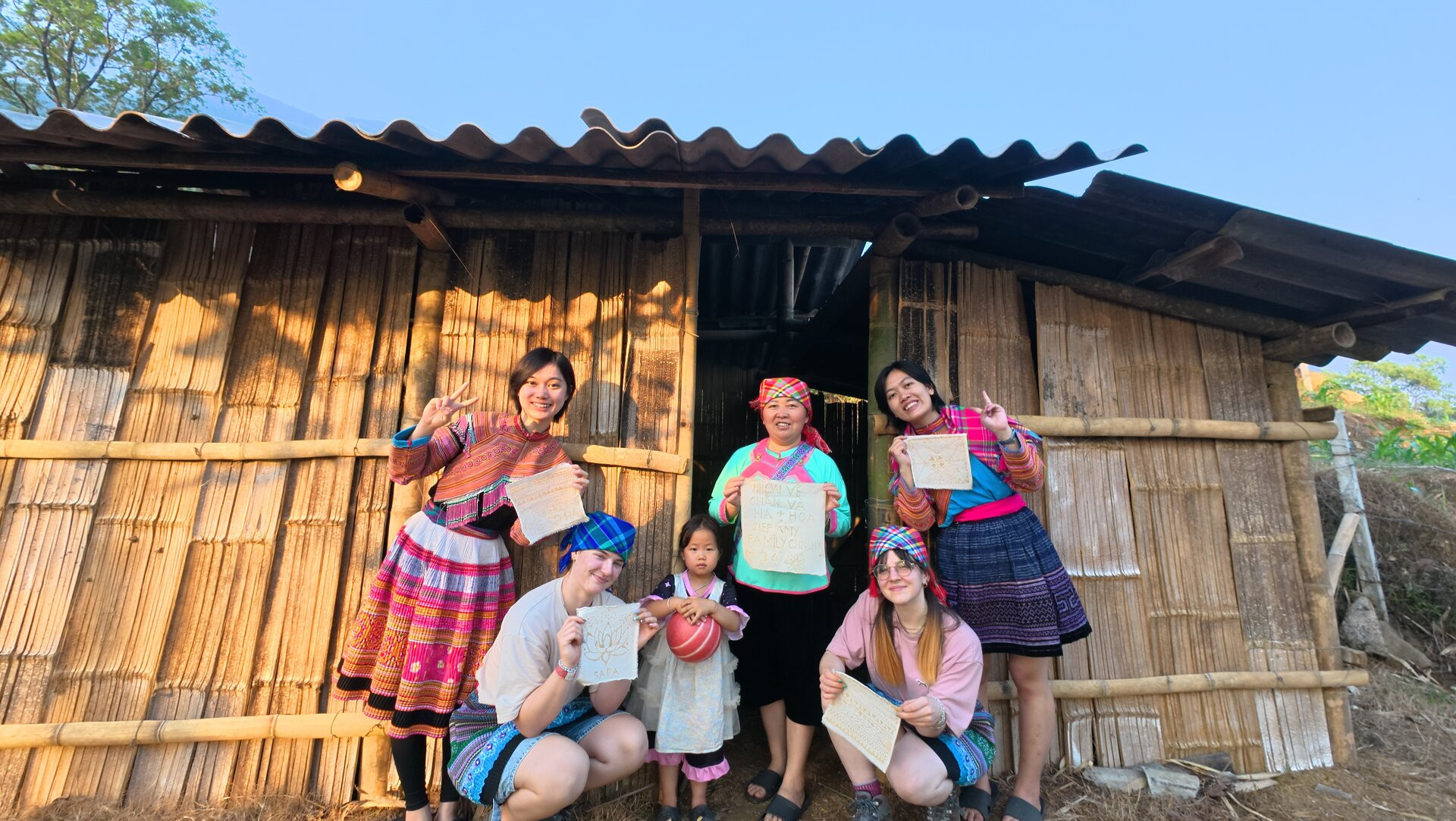
Tran Thi Thu Ha and Mai Thi Hoa (both natives of Thanh Hoa) have been close friends since high school. After graduating from university, they worked in media in Hanoi and explored many northern provinces together.
In July 2025, Ha came up with the idea of traveling across Vietnam to explore regions and push her own limits. The two young women wanted to experience and document landscapes, craft villages, daily life, and stories encountered along the road, wishing to preserve memories and spread the beauty of Vietnam.
The pair spent about eight months preparing funds, itineraries, and equipment for the cross-country trip. They bought a used motorbike for around 7 million VND, cameras, camcorders, and personal items.
In late March 2026, the duo began their 306-day journey across Vietnam with a pocket budget of around 20 million VND.
"We expect to conclude the journey and return home to celebrate Tet with our families.”
With a limited budget, Ha and Hoa decided to eat budget meals and stay overnight at homestays, cheap motels, or arrange to stay with relatives, friends, and local residents.
"When staying over, we share meals, living spaces, and help the hosts with housework. Sometimes we cook, pick vegetables, clean, work at the shop, or experience traditional crafts. This approach saves costs while giving us close and authentic experiences," Hoa said.
Along the journey, Ha and Hoa earn extra income from content creation and taking remote marketing work. However, as the income stream is unstable, they focus on controlling expenses.
Unforgettable mishaps
On the first leg, Ha and Hoa rode their motorbike from Hanoi to Ta Xua, exploring the Northwest, Northeast, and then returning to the Northern Delta provinces over three months. Ta Xua was their very first shared destination.
On their first long-distance leg, the duo encountered an unforgettable mishap. Lacking experience in checking terrain on Google Maps, they chose a shortcut to the Ta Xua area, but the further they rode, the deeper they got lost on a deserted hill with steep, rough dirt roads. As night fell, heavy luggage made moving the bike difficult, leaving them unable to advance or retreat.
As they struggled, Ha and Hoa met a local couple passing by. They enthusiastically guided the two back to the main road.
On the road, their motorbike suffered a head-on collision with a bike carrying bulky items. Fortunately, neither suffered serious injuries, though the bike's side fairing broke.
Following the incident, the pair agreed to always reach their lodgings before 6:00 PM, and limit travel at night, especially on mountain passes, dirt roads, or foggy areas.
In April, Ha and Hoa explored Dien Bien amid scorching days. On the stretch of over 200km from Na Sang to A Pa Chai, the two girls passed through many deserted roads with only mountains and foehn wind.
All fatigue vanished upon stepping foot at the westernmost point of A Pa Chai, where they randomly met a group of war veterans.
"The veterans sang together, telling wartime stories that moved and inspired us. The brief meeting added spirit for us to conquer new roads," Hoa said.
Memorable encounters
What Ha and Hoa remember most after 168 days on the road is the country's beautiful scenery as well as kind strangers.
In Lim Thai village in Lao Cai, they asked to work as servers at a pho shop run by a Thai ethnic minority couple. They waited tables, cleaned, and lived alongside the family as grandchildren.
"The grandparents sang Thai folk songs and played the tinh tau lute. We recorded videos to preserve those moments, and they loved them so much that they played them on the TV for customers every day. When we left, they said looking at the TV made them miss the two of us, calling many times to check in," Hoa emotionally recounted.
In Du Gia in Tuyen Quang, they sought out a Dao woman they met on a previous trip. This time, both joined the host in the fields planting rice, going to waterfalls in the afternoon.
In Da Nang, the friends got up at 2am to visit a traditional sesame rice cracker workshop. They documented every stage, from preparing the ingredients to baking and packaging, gaining a deeper understanding of the value of a traditional craft that is attracting fewer practitioners.
Linh Trang
.svg)
