 Vietnamnet.vn

 Podcast



Yet behind these social gatherings and flavor-packed dishes lie serious health risks. According to the World Health Organization (WHO), unhealthy food causes an estimated 600 million illnesses and 420,000 deaths worldwide each year.
Too much salt and a growing health burden
Le Thi Huong Giang, head of the Department of Dietetics and Nutrition at 19-8 Hospital under the Ministry of Public Security, said the average Vietnamese consumes more than 1,000 meals a year, or roughly 70,000-80,000 meals over a lifetime.
With such a vast number of meals, even a small dietary mistake repeated over many years can lead to serious consequences. One of the most worrying habits is excessive salt consumption.
"WHO recommends that adults consume less than 5 grams of salt a day, or one teaspoon. However, the Ministry of Health's STEPS survey on non-communicable disease risk factors found that the average Vietnamese consumes around 8 grams of salt daily, nearly double the recommended limit," Giang said.
She described salt as "a health debt." Eating slightly too much salt each day may not produce immediate symptoms, but over the years, excess sodium places increasing strain on blood vessels and internal organs, eventually leading to hypertension, stroke and kidney disease.
Nguyen Trong Hung from the National Institute of Nutrition said many people do not realize how much salt they actually consume.
To put it into perspective, he explained that just 2.5 tablespoons of fish sauce or 1.5 tablespoons of seasoned salt are enough to reach the recommended daily limit.
In reality, many family meals far exceed that amount because of heavy seasoning during cooking and the common habit of dipping food generously into shared bowls of fish sauce or other condiments.
Vietnamese cooking also typically involves marinating, curing and seasoning ingredients before cooking, adding more seasoning during preparation, and serving meals with fish sauce, seasoned salt or fermented dipping sauces. Even fresh fruit is often eaten with salt.
Surveys show that about 70 percent of daily salt intake comes from seasonings used in food preparation and dipping sauces consumed during meals.
At the same time, ultra-processed and packaged foods are becoming increasingly popular, especially among young people and busy workers.
These products often contain high levels of salt to enhance flavor and extend shelf life. According to the Ministry of Health, around 20 percent of daily salt intake comes from processed foods such as sausages, canned products, snacks, instant noodles, frozen meals and fast food.
Excess sodium, the main component of salt, can increase blood vessel permeability and vascular tone, cause fluid retention, raise peripheral vascular resistance and ultimately contribute to hypertension.
Although high blood pressure often develops without obvious symptoms, it can lead to severe complications, including stroke and heart attack.
Excess salt also places extra strain on the kidneys, increasing the risk of kidney dysfunction, kidney stones and osteoporosis. Children exposed to salty foods from an early age are more likely to develop a lifelong preference for heavily seasoned food.
Drinking culture and the hidden dangers on the table
Beyond high salt intake, after-work drinking has also become a common social habit. Giang said the concern extends beyond beer and alcohol to the food typically served alongside them.
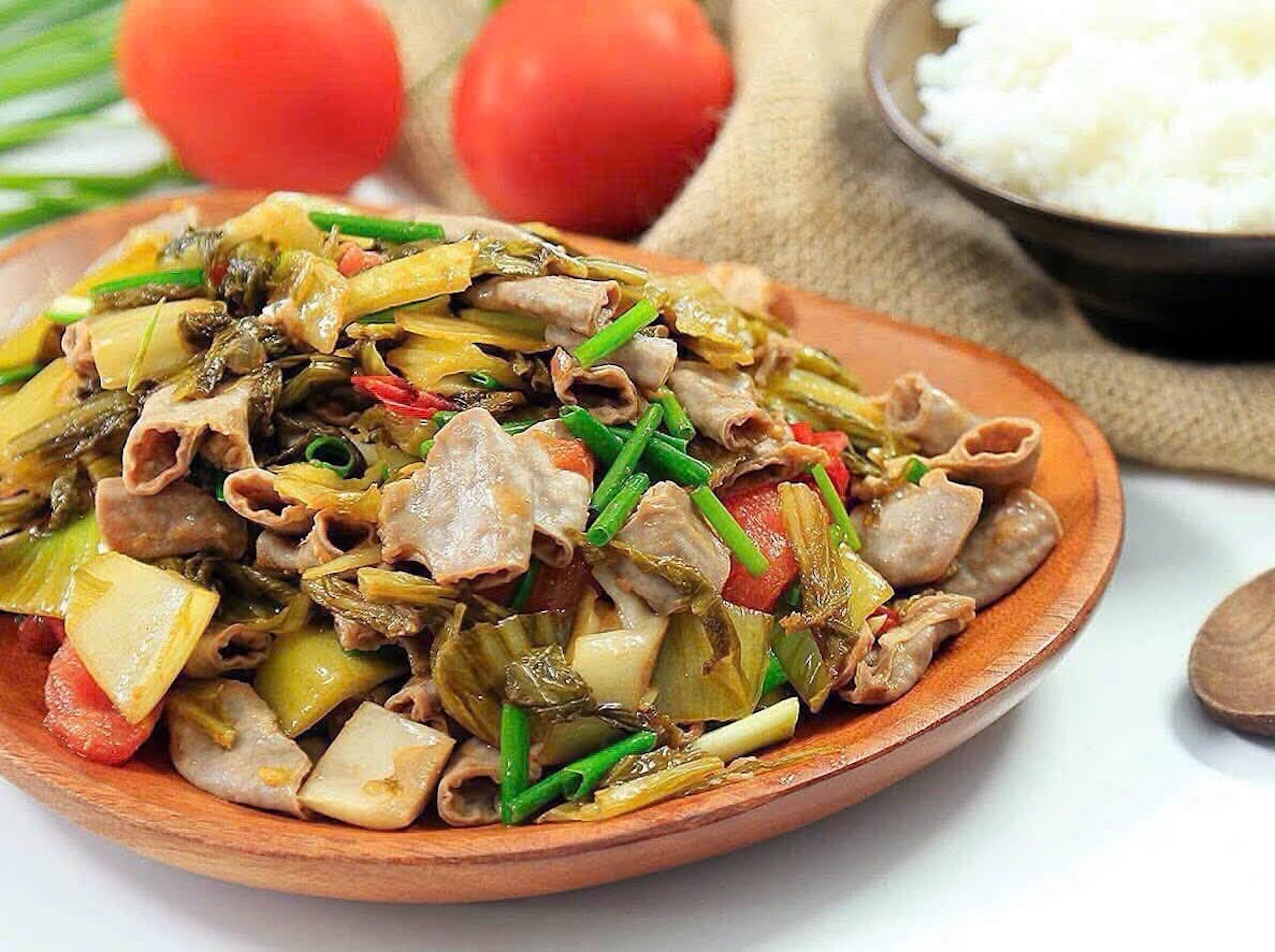
"To stimulate the appetite and keep people drinking longer, menus at drinking venues often feature heavily charred grilled dishes, processed meats, animal organs and foods marinated with large amounts of salt, such as stir-fried pork intestines with pickled mustard greens, salt-roasted chicken feet and richly seasoned sauces. Spending hours drinking late into the night also encourages late-night eating, causing people to consume far more calories than they need," she said.
Experts note that, like excessive salt intake, a single drinking session may not immediately cause illness. However, hundreds of such meals over many years gradually build up significant health risks.
"The combination of alcohol, salty food, organ meats and grilled dishes containing harmful compounds is a major contributor to obesity, fatty liver disease, hypertension, metabolic disorders, cardiovascular disease and even certain types of cancer," Giang warned.
According to Truong Hong Son, Director of the Vietnam Institute of Applied Medicine, scientific evidence has shown that if salt intake is reduced to below 5 grams per day, blood pressure in adults can decrease by up to 20 percent. This is particularly significant given that more than 25 percent of Vietnamese people aged 18 to 69 suffer from hypertension.
N. Huyen
.svg)
