 Vietnamnet.vn

 Podcast



A wave of sudden deaths among healthy individuals – including businesspeople, actors, and young people – has raised alarm in the community. These unexpected losses prompt urgent questions about neglecting health and lifestyles that slowly destroy the body.
VietNamNet presents a special series: "Sudden death in the young: A wake-up call on destructive habits".
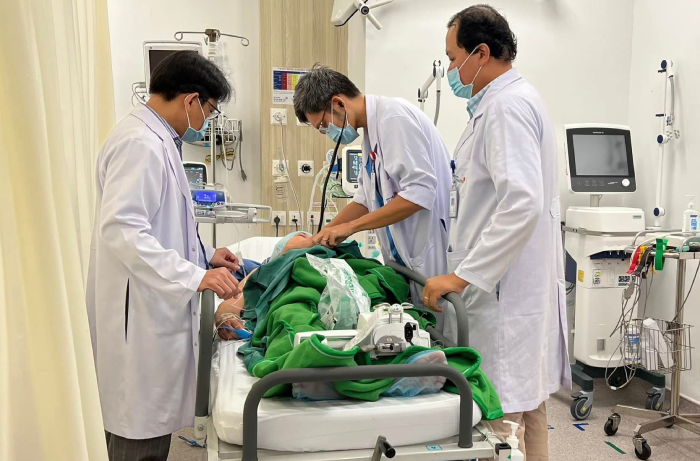
According to Dr. Nguyen Huy Hoang from the Vietnam-Russia Hyperbaric Oxygen Center in Hanoi, sudden death often results from cardiac arrest, leading to death within minutes if not treated promptly. In the U.S., 300,000 to 400,000 out-of-hospital cardiac arrests occur annually. Early intervention can increase survival rates up to 80–90%.
However, among young people, these events frequently occur during sleep or due to overexertion, making timely detection and rescue more difficult.
Causes of sudden death and how to prevent them:
1. Sudden cardiac arrest is the leading cause of death among young people. It is usually triggered by arrhythmias or underlying heart disease. Factors contributing to this include smoking, excessive alcohol use, chronic sleep deprivation, and prolonged stress.
Prevention: Routine heart checks using electrocardiograms (ECG), 24-hour Holter monitoring, and echocardiography are crucial to detect arrhythmias early. A healthy lifestyle, including light regular exercise (walking, yoga), maintaining a healthy weight, avoiding tobacco and alcohol, and getting 7–8 hours of sleep per night is recommended. In high-risk cases, treatments include anti-arrhythmic drugs, catheter ablation, pacemakers, or implantable cardioverter-defibrillators (ICD).
2. Myocardial infarction (heart attack) is another form of sudden cardiac arrest, caused by blood clots that block the coronary arteries. These arteries lack lateral connections, so when blocked, the heart muscle tissue quickly dies, resulting in cardiac arrest and death.
Prevention: Control risk factors by maintaining healthy cholesterol levels, managing underlying conditions such as high blood pressure and diabetes, and keeping the heart rate under 80 beats per minute. Diagnostic methods include coronary angiography, echocardiography, and coagulation tests. Patients may require antiplatelet agents (e.g., aspirin), statins, heart rate control medications, vasodilators, sedatives, and strict blood pressure and blood sugar control.
3. Stroke in young people is increasingly common and can also lead to sudden death if not treated in time. Stroke types include ischemic stroke (70–80%) and hemorrhagic stroke (20–30%).
Prevention: Regular health checkups including carotid artery ultrasound and brain MRI can help detect atherosclerosis or vascular abnormalities. A diet rich in antioxidants (vegetables, fruits), regular light physical activity, quitting smoking, reducing alcohol, and controlling weight and cholesterol are vital. Other recommendations include blood clot tests, blood sugar control, vascular imaging, anticoagulants or antiplatelet medication, stress management techniques (meditation, yoga), adequate sleep, herbal sedatives if needed, and balanced, nutrient-rich meals.
Respecting the body’s biological clock
Associate Professor Nguyen Hoai Nam, a senior lecturer at Ho Chi Minh City University of Medicine and Pharmacy, emphasized that sudden death is not random, but often the result of accumulated damage from neglecting health and body rhythms.
Numerous studies from industrialized countries like Japan have shown that overwork can lead to a condition known as “sudden death from overwork,” where young individuals collapse at their desks or on their way to work.
Despite increased life expectancy (in Japan, 79 years for men and 83 for women), many young people die suddenly due to chronic overwork and disruption of the body’s natural rhythms.
The biological clock regulates essential functions: sleeping at night (starting around 9 PM), eating breakfast between 6–7 AM, and hormone production follows natural patterns.
Modern urban life, with its fast pace, constant stress, and lack of rest, disrupts this rhythm. Over time, it leads to fatigue, digestive problems, cardiovascular issues, immune system suppression, and increased risk of infection or cancer.
Prof. Nam advises that preventing sudden death begins with respecting biological rhythms: sleeping on time, eating regularly, avoiding overwork, and balancing stress with rest. Gentle movement, quality rest, and a healthy work-life balance are key.
By managing risk factors such as cardiovascular disease, cholesterol, and blood pressure, and respecting the body's internal clock, one can significantly reduce the risk of sudden death.
“Prevention is always better than cure,” said Dr. Nam. “Get regular health checkups and listen to your body. If you experience warning signs like chest pain, dizziness, or persistent fatigue, see a doctor immediately to avoid tragic outcomes.”
Phuong Thuy
.svg)
