 Vietnamnet.vn

 Podcast



On behalf of the Politburo, General Secretary To Lam recently signed and issued Resolution No. 71 on a breakthrough strategy for education and training reform. The Party and the State have consistently identified education and training, along with science and technology, as top national priorities.
Despite this, the sector continues to face numerous challenges and limitations, and has yet to fully become the critical driver of national breakthrough development.
Education and training are the shared responsibility of the Party, State, and the public. The State plays a strategic, guiding role by ensuring resources and fairness in education, while also guaranteeing adequate schools, classrooms, and teachers to meet public learning needs.
As the world undergoes profound changes, particularly driven by digital technology and artificial intelligence reshaping global education, every nation must redefine its educational vision and strategy for the future.
Vietnam is at a historic crossroads, with a pressing need to build human capacity and talent to support national development. This demands a radical overhaul of the education and training sector.
Universal preschool education for ages 3 to 5 by 2030
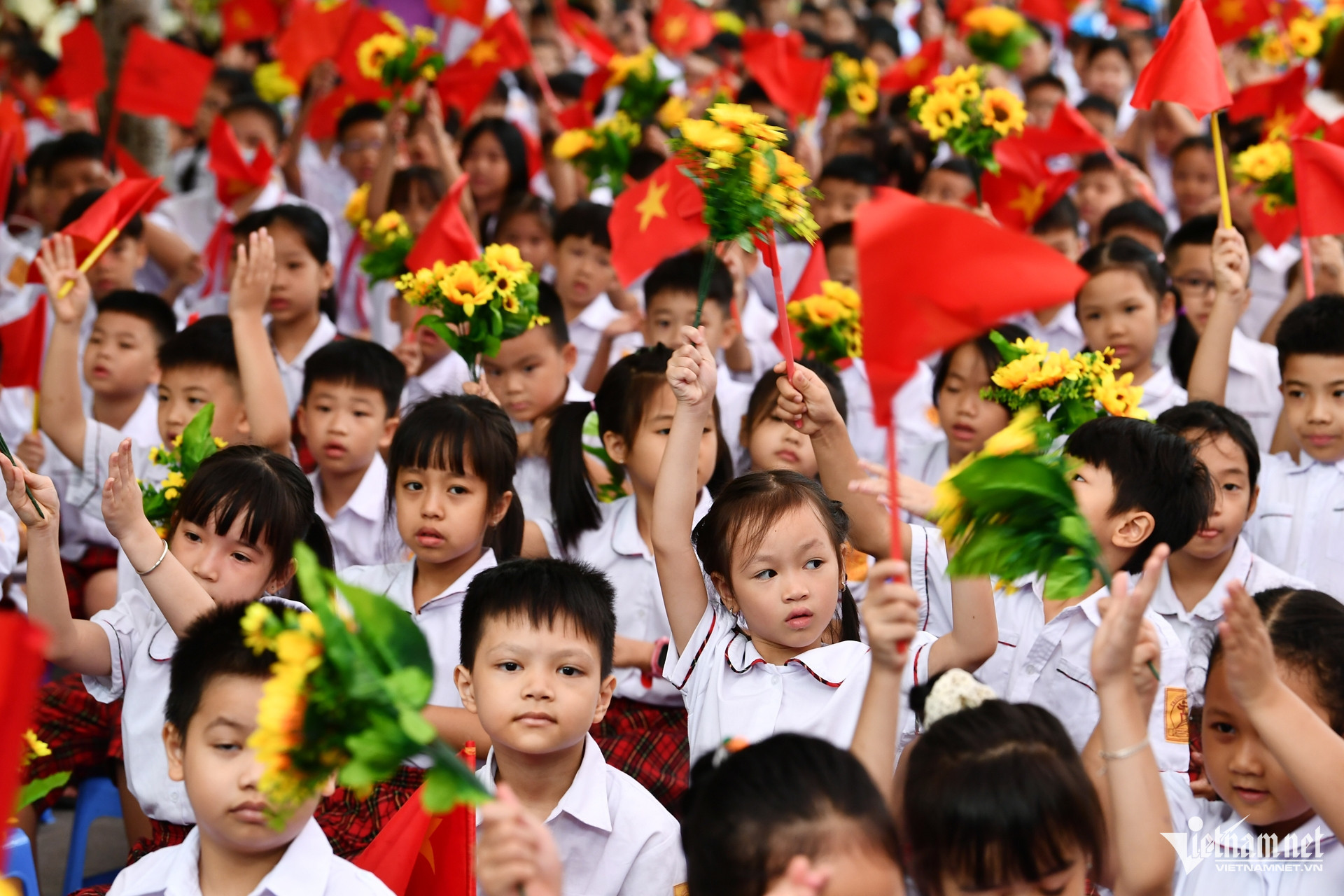
Developing education and training is a mission shared by the Party, the State, and all citizens.
In response, the Politburo is calling for urgent and decisive implementation of transformative educational reforms.
By 2030, Vietnam aims to ensure equitable access to and improved quality of preschool and general education at an advanced regional level. The goal is to build a national school network that meets the learning needs of students across all demographics and regions, with at least 80% of general schools meeting national standards.
Universal preschool education for children aged 3 to 5 and compulsory education up to the end of lower secondary school will be fully implemented. At least 85% of those in the appropriate age group will complete upper secondary school or its equivalent, with no province or city falling below a 60% completion rate.
Initial progress will also be made in enhancing digital literacy, artificial intelligence competency, and English proficiency at the general education level. The education component of the Human Development Index (HDI) is targeted to exceed 0.8, with educational inequality reduced to under 10%.
Half of the population in the relevant age group is expected to pursue post-secondary education, while 24% of the workforce should hold college or university degrees. At least 35% of students will pursue studies in basic sciences, engineering, or technology, including a minimum of 6,000 doctoral candidates and 20,000 students in talent programs.
Education and training must ensure the integration of theory and practice, hands-on learning, and close ties between schools and society.
By 2035, Vietnam's education and training system is expected to be modernized with significant, stable improvements in access, equity, and quality. Universal upper secondary education will be achieved, with at least two higher education institutions ranked among the world's top 100 in select fields according to reputable global rankings.
Looking toward 2045, Vietnam envisions a modern, equitable, and high-quality national education system among the world’s top 20. Lifelong learning opportunities will be available to all citizens, fostering skill development and individual potential. A highly skilled workforce and top-tier scientific and technological talent will drive the nation’s global competitiveness and advancement into the ranks of high-income developed countries.
By that time, at least five universities will be among the world’s top 100 in select disciplines.
Comprehensive university autonomy and policy reform
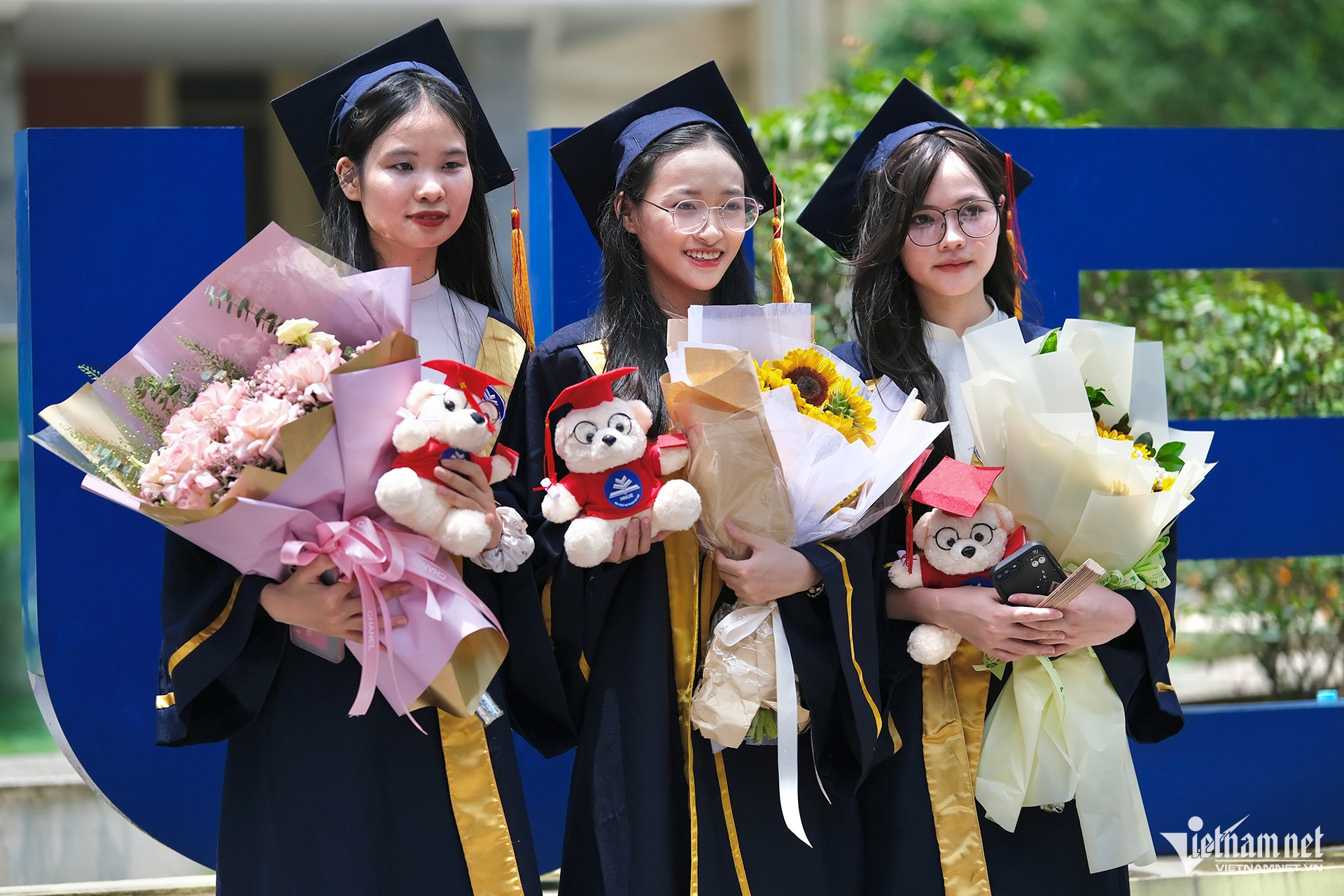
Education must link theory with practice and schools with society.
To realize these goals, the Politburo stresses the need for bold institutional reforms, including exceptional policies and mechanisms that prioritize education and training.
Legal frameworks must be promptly revised to remove barriers in governance, management, and policy. Streamlining management structures and ensuring accountability across professional, personnel, and financial domains are also crucial. An open, interconnected education system promoting lifelong learning and a learning society will be developed.
Special preferential policies will be introduced for educators, including raising professional allowance rates to a minimum of 70% for teachers and 30% for school staff at preschools and general education institutions. Teachers in particularly difficult, remote, border, island, or ethnic minority regions will receive 100% allowances.
The Politburo calls for increased investment in educational infrastructure, laboratory upgrades, and the establishment of centers of excellence at key universities and teacher training institutions.
Policies will also encourage professionals outside the teaching sector to participate in education and training. Distinguished individuals in public service may serve as adjunct lecturers, and leading experts will be encouraged to spearhead research activities in educational institutions.
Recruitment and promotion criteria for professorships and academic ranks will be aligned with international standards and adapted to Vietnamese conditions.
Universities and vocational schools will enjoy full and comprehensive autonomy, regardless of their financial independence. State budget allocations will be based on institutional missions, quality, and performance, with priority given to key sectors through outcome-based funding models.
Education and training expenditures will account for at least 20% of the total state budget, with at least 5% allocated for capital investments and 3% for higher education.
Financial support and preferential credit policies for learners will be expanded to prevent dropouts due to financial hardship. Talent development programs will be implemented with a focus on fundamental sciences, engineering, and technology.
Free textbooks for all students by 2030
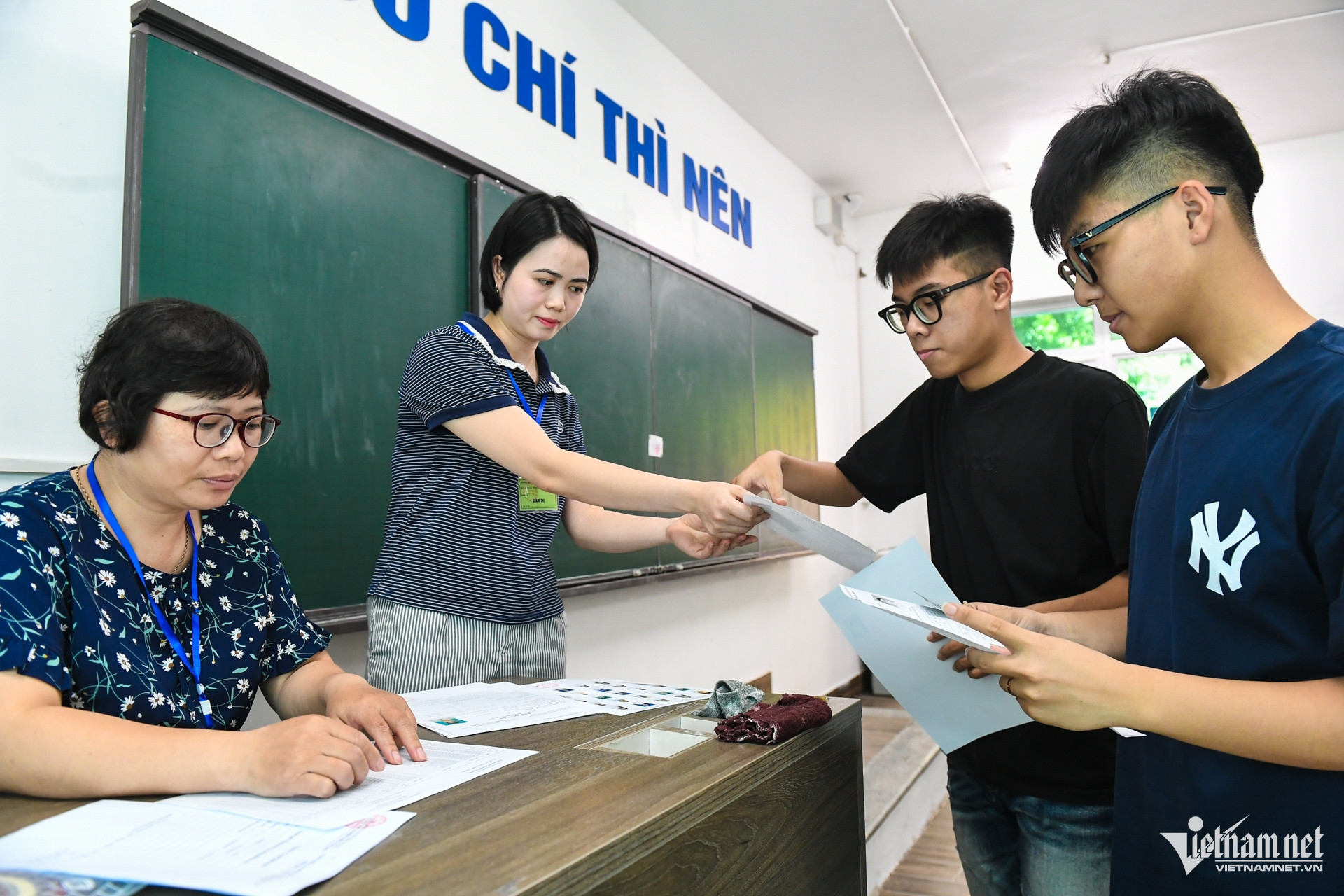
The Politburo calls for greater investment in university infrastructure and research.
The Politburo has also emphasized land policy reforms, including prioritizing clean land for education, flexible land-use conversions for educational purposes, and exemptions or reductions in land use and rental fees, as well as land taxes for domestic educational institutions.
The goal is to promote holistic education across moral, intellectual, physical, and aesthetic dimensions, and to instill core values in citizens for the new era.
There is a strong focus on school culture, quality, practical knowledge, and professionalism, tied to educators' exemplary conduct and ethical development.
Digital transformation will be widely adopted, with strong integration of digital technologies and AI in education and training.
Efforts will center on improving teacher quality, educational infrastructure, and enhancing early childhood and general education standards.
The government will review and finalize teacher qualifications, staffing levels, and composition, ensuring sufficient recruitment to meet regulatory standards. Teacher training and management development will be prioritized, with special incentives to attract top students to the teaching profession. Government-provided housing will be made available to support teachers working in remote areas.
The implementation of the national curriculum will be reviewed, and a single, standardized set of textbooks will be provided nationwide. By 2030, textbooks will be distributed free of charge to all students.
Scholarships and support policies will encourage students, lecturers, and researchers to study or teach in developed countries.
Vietnam will also shift toward modern, active teaching methodologies that emphasize independent thinking, problem-solving, and creative experience. Assessments will be reformed to more accurately reflect learning outcomes and teaching quality. Comprehensive measures will be taken to curb the widespread practice of extra classes and private tutoring.
Vocational education reform will be accelerated to cultivate a highly skilled workforce.
Elite university development and research excellence
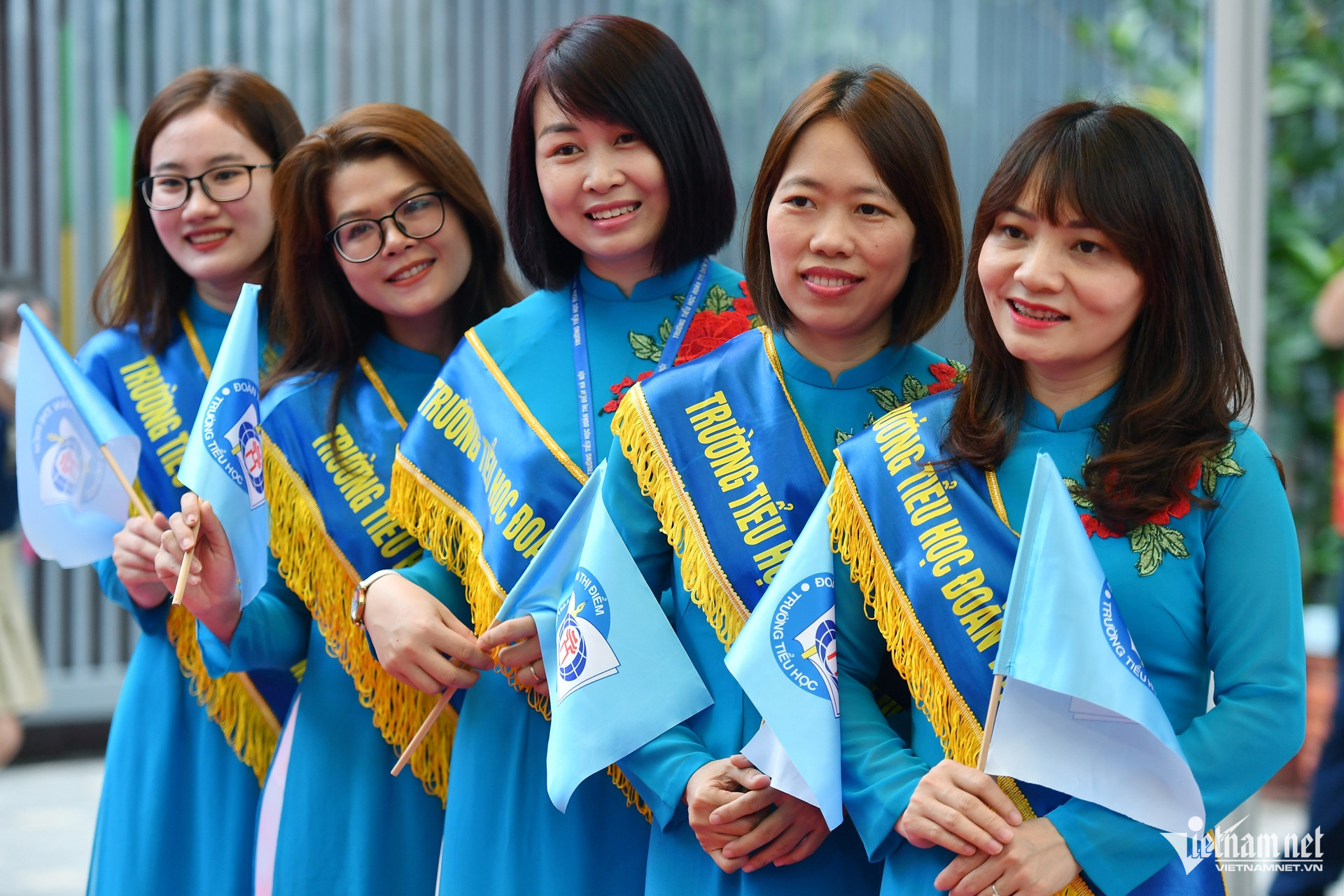
Vietnam aims to modernize higher education, making it a driving force for high-level workforce development, talent cultivation, and innovation. A strategic framework for higher education development will be rapidly implemented. The restructuring of higher education institutions will include mergers and closures of underperforming institutions and elimination of intermediary management levels for streamlined governance.
Research institutes may be integrated with universities. Strong investment and preferential policies will support the development of 3 to 5 elite universities modeled after top-tier international research institutions focused on training national talent.
Funding will prioritize scientific research, especially basic research linked to postgraduate training at universities.
Programs to train and develop academic staff will be expanded, with increased support for faculty pursuing advanced studies at home and abroad. A new initiative will attract outstanding international faculty through competitive incentives.
Tran Thuong
.svg)
