 Vietnamnet.vn

 Podcast



Editor’s note: As Vietnam moves forward on its development journey, the knowledge of ethnic minority communities is not merely heritage to be preserved. Connected with science, technology and markets, it can also become a resource for creating new value.
From terraced rice fields, medicinal plants and sacred forests to digital transformation and artificial intelligence, Associate Professor Be Trung Anh, a full-time National Assembly deputy serving on the 16th National Assembly’s Committee for Deputy Affairs and formerly a standing member of the 15th National Assembly’s Ethnic Council, offers a different perspective on the role of ethnic minority intellectuals: success should not simply mean leaving their communities behind, but also bringing their communities’ values into the currents of modern development.
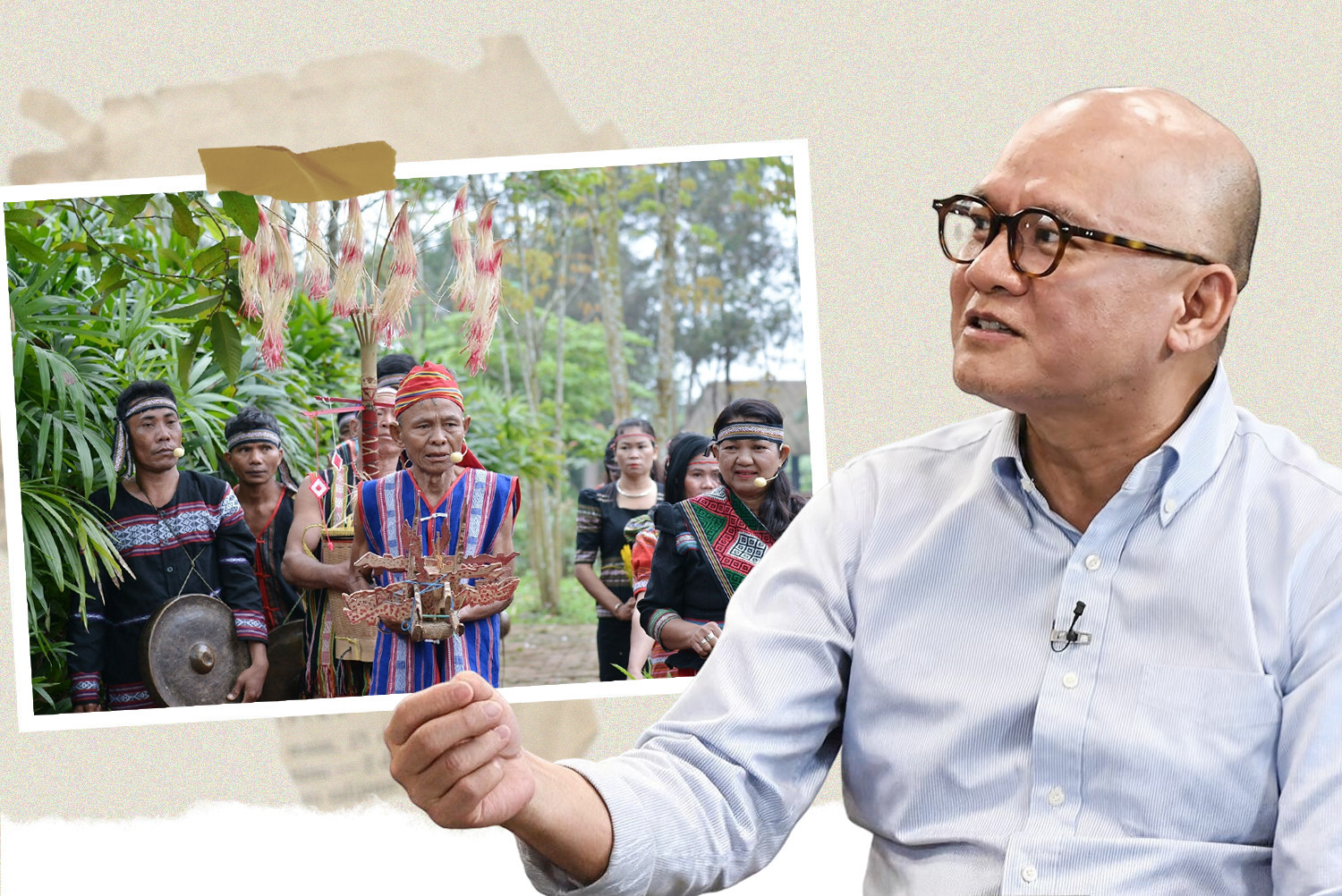
In the age of digital transformation and artificial intelligence, what do you see as the greatest opportunities and challenges for ethnic minority intellectuals in asserting their role? What bottlenecks are preventing some of them from realising their full potential?
AI has a fascinating characteristic: it can shrink geographical distances very quickly, but it can also widen knowledge gaps just as rapidly.
A young person in a mountainous region today can access a wealth of knowledge that once required attending a major university. That is an unprecedented opportunity.
Yet there is a paradox: AI may know a great deal about the world while knowing very little about an ethnic group of only a few thousand people if that community’s language, culture and knowledge have never been digitised.
That is why I believe the main bottleneck is not simply devices or internet connectivity. The deeper challenge is the ability to turn our knowledge into data, and data into value.
If we fail to do that, the digital world will continue to advance, but parts of these communities’ collective memory may remain outside it.
If we succeed, ethnic minority intellectuals will not merely use AI. They can help AI understand Vietnam more fully.
During your research and interactions with ethnic minority communities, have you ever met an ordinary person who changed the way you think about what it means to be an “intellectual”?
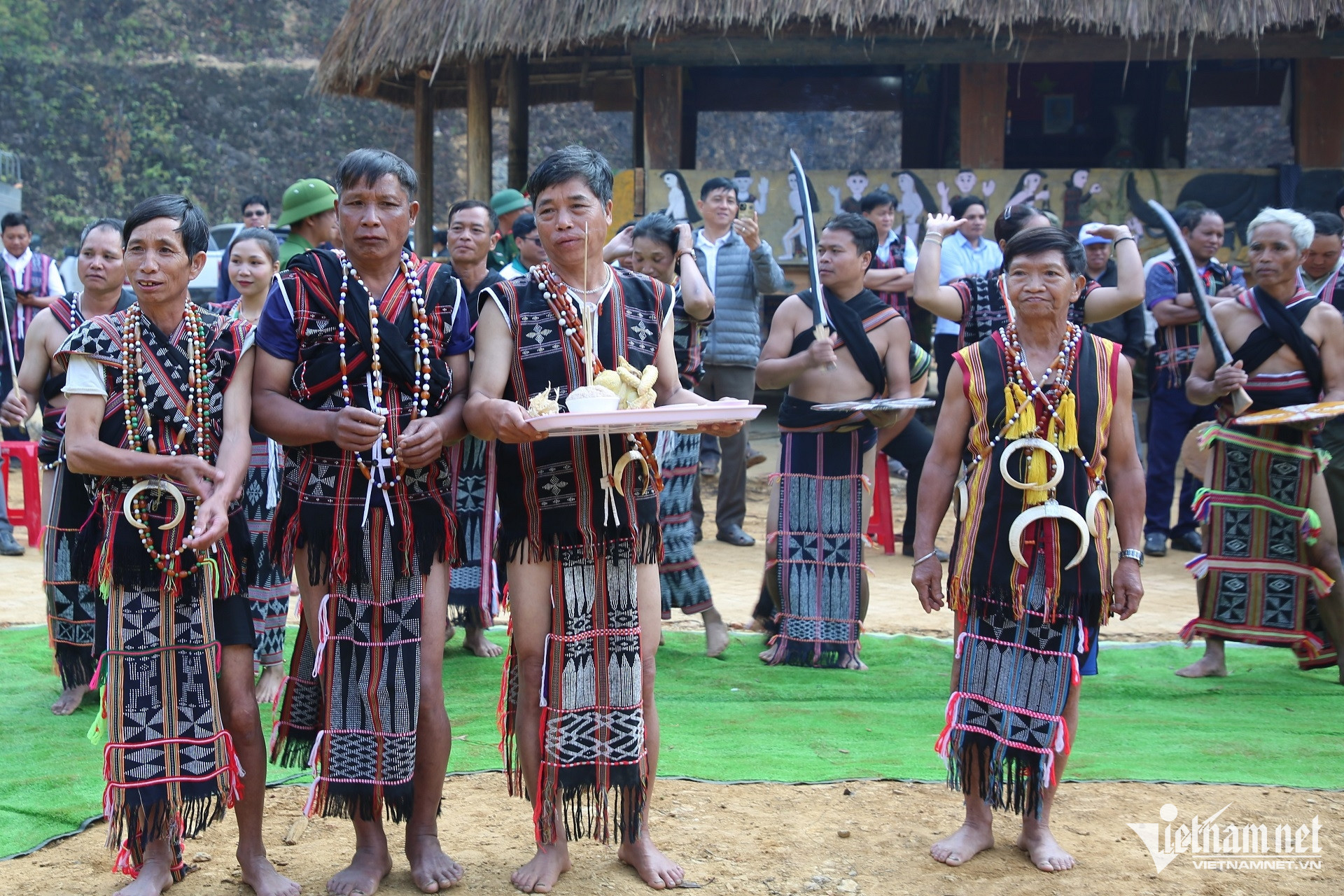
Yes. But rather than name a particular individual, I would answer with an image I have encountered repeatedly during my years of research on ethnic communities.
In many ethnic minority communities, there are elders who, judged by their official records, have virtually no noteworthy academic qualifications. But walk into the forest with one of them.
They may be able to name dozens or hundreds of plants in their mother tongue; know which can be used as medicine, which grow only where groundwater is present, which forests may be harvested and which their ancestors instructed them never to touch. They remember genealogies, customary laws, stories of migration, ways of settling disputes and even subtle signs that signal changes in the weather.
What makes me think is not simply that they “know a lot.” Their knowledge does not exist as separate academic disciplines. Land, forests, beliefs, ethics, community relations and livelihoods are interconnected as a single system.
Modern science often divides the world into parts in order to study each one deeply. Indigenous knowledge, by contrast, often preserves a sense of the world as an interconnected whole.
That has made me more cautious about how I use the word “intellectual.” A degree certifies that someone has completed a formal system of education, but it is not the only certificate of intellect.
What worries me is that when someone like this dies without a successor, we lose more than one person. Sometimes, a library that was never written down closes with them.
Are there stories of young ethnic minority people you have met that convinced you that, given the right opportunities, they could become agents of change in their communities?
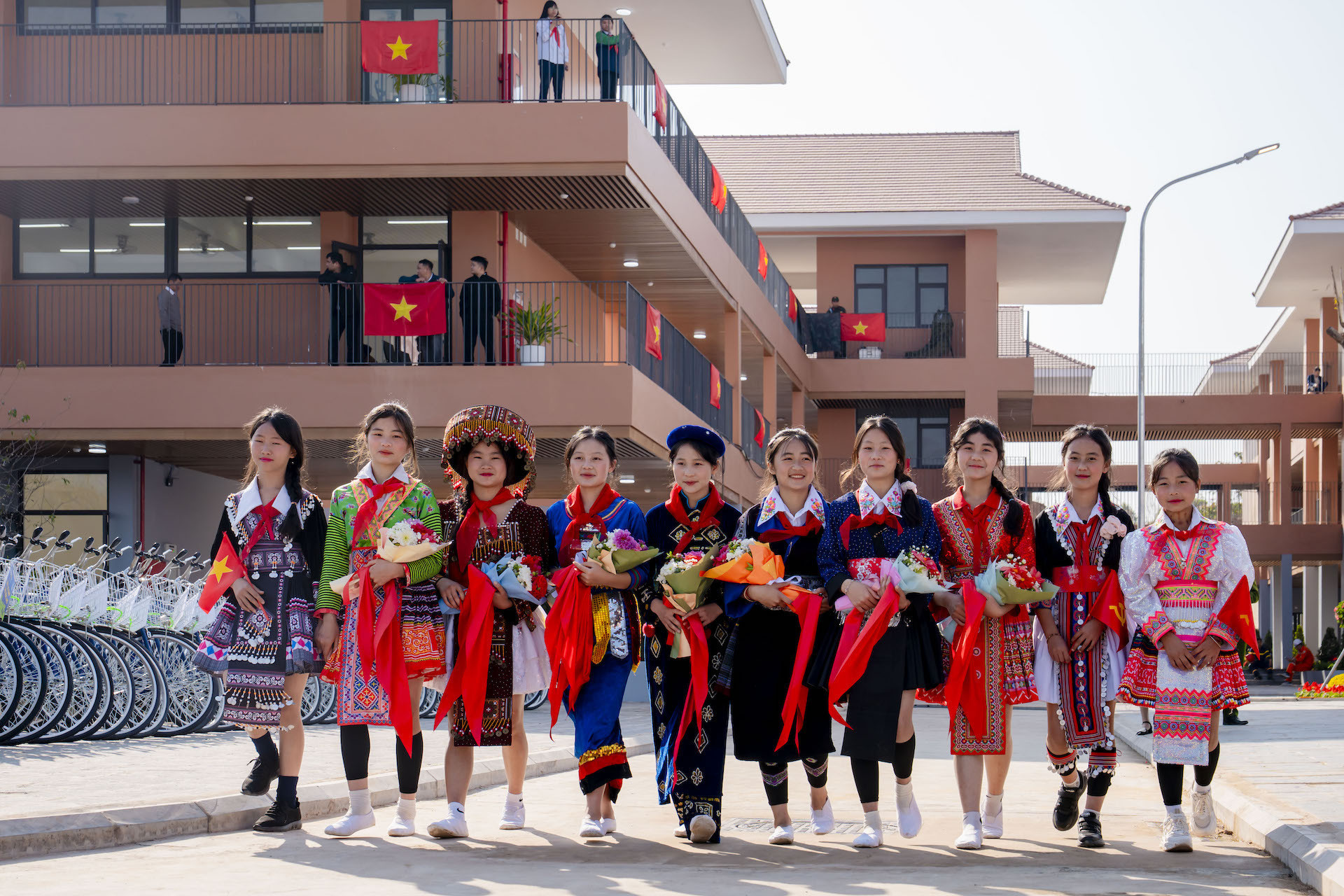
I think of Dr Ban Tuan Nang, an intellectual from the Dao ethnic group. What first caught my attention was not his doctorate, but how he starts with his own ethnic identity and connects it with very modern issues.
Nang has conducted extensive research into Dao culture, including coming-of-age rituals, beliefs and cultural history. But he did not stop at simply “studying the Dao.” Together with the community, he established a group called “Vietnamese Dao People – Connected through Identity,” asking how culture could become a resource rather than something preserved only in festivals or museums.
I remember one very down-to-earth example. During the COVID-19 pandemic, when agricultural products from mountainous areas became difficult to sell and many Dao students in Hanoi were struggling, Nang organised online sales of local produce. Dao students took part in selling and delivering the products, earning income while learning communication and business skills. At one end were pigs, vegetables and produce from the villages; at the other were urban consumers. In between were technology and an intellectual who knew how to connect them.
I like that story because it answers the very question we are discussing.
Ethnic minority intellectuals in the new era do not necessarily need to accomplish something monumental. Sometimes they simply need to recognise value that others have overlooked and connect things that previously stood apart.
From agricultural products to e-commerce, from students to communities, from identity to the economy — once these connections take shape, an intellectual no longer succeeds for themselves alone. They begin creating opportunities for those around them to develop.
As both a researcher and National Assembly deputy, have you witnessed initiatives, ideas or practices originating within local communities that have had a positive impact on socio-economic development?
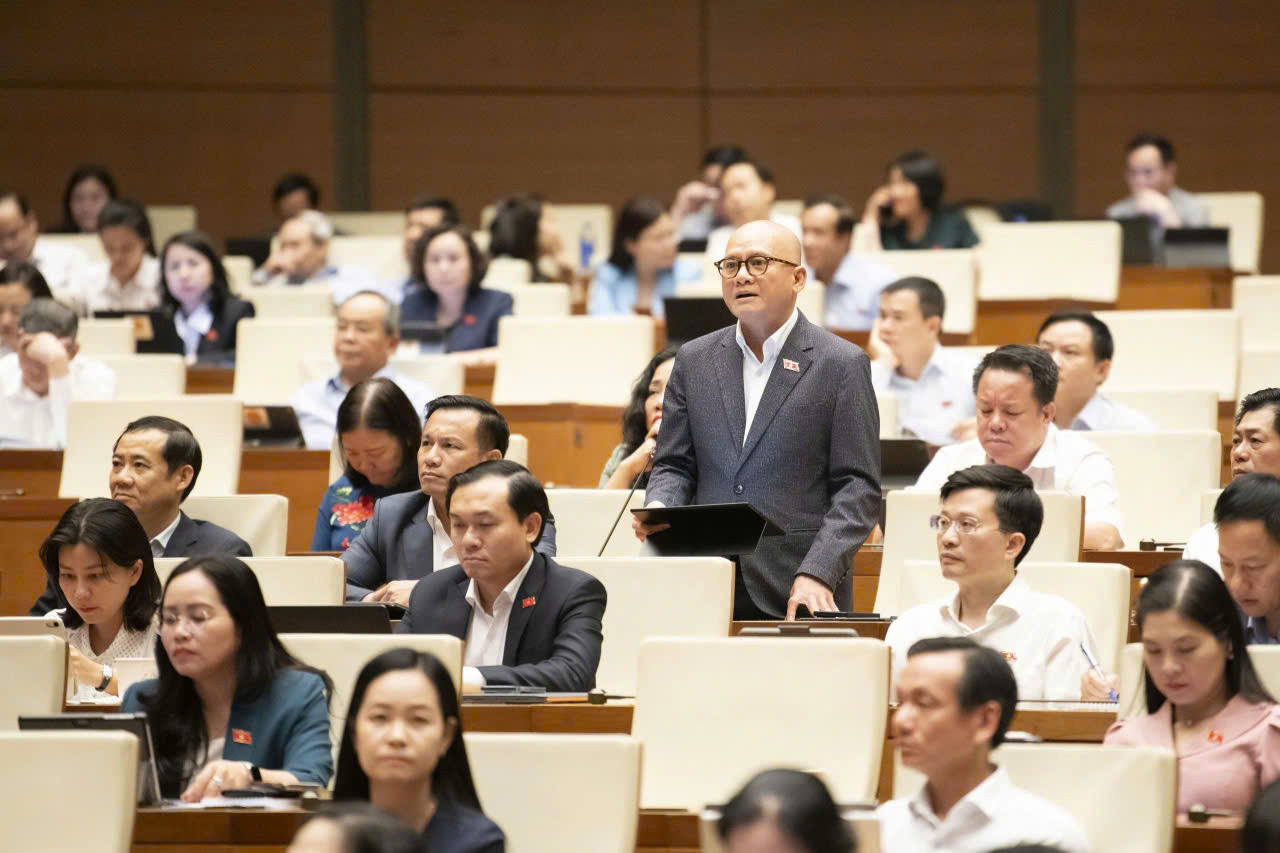
There are many. But if I had to choose the one that has stayed with me longest, it would not be a modern project.
In many ethnic minority communities, forests have been protected for generations without cameras, fences or professional inspection forces. People do not cut down trees there because they regard them as sacred forests, watershed forests, places associated with their ancestors or areas governed by community rules.
Viewed purely through an administrative lens, we might call these beliefs or customs.
But through the lens of modern governance, behind them lies an entire system of resource management: boundaries, rules, people responsible for oversight, social sanctions and, most importantly, a value system that encourages people to comply voluntarily even when no State official is present.
Similar examples can be found in terraced rice fields, indigenous plant varieties, traditional medicine, handicrafts and customary rules for sharing water resources. Many things we now describe using concepts such as the green economy, circular economy, community governance and sustainable development have, in fact, long existed in some form in the ways these communities live.
That is why, when developing policies for ethnic minority regions, I do not think the first question should always be: “What will the State bring to these communities?”
Perhaps we should also ask: “What do these communities already possess whose value the country has yet to fully recognise?” That is the thought with which I would like to conclude this conversation.
A community possesses more than land, mountains, forests or tangible products. It also holds memories, knowledge and ways of understanding the world refined over generations. Ethnic minority intellectuals are the people capable of bringing this invisible treasure into dialogue with science, technology and the future.
Development, therefore, is not about bringing light from elsewhere into a village still in darkness. Some lamps there have been burning for hundreds of years. Our task is to recognise them, give them renewed energy and allow those lights to help illuminate the country’s path of development.
Thai An
.svg)
