 Vietnamnet.vn

 Podcast



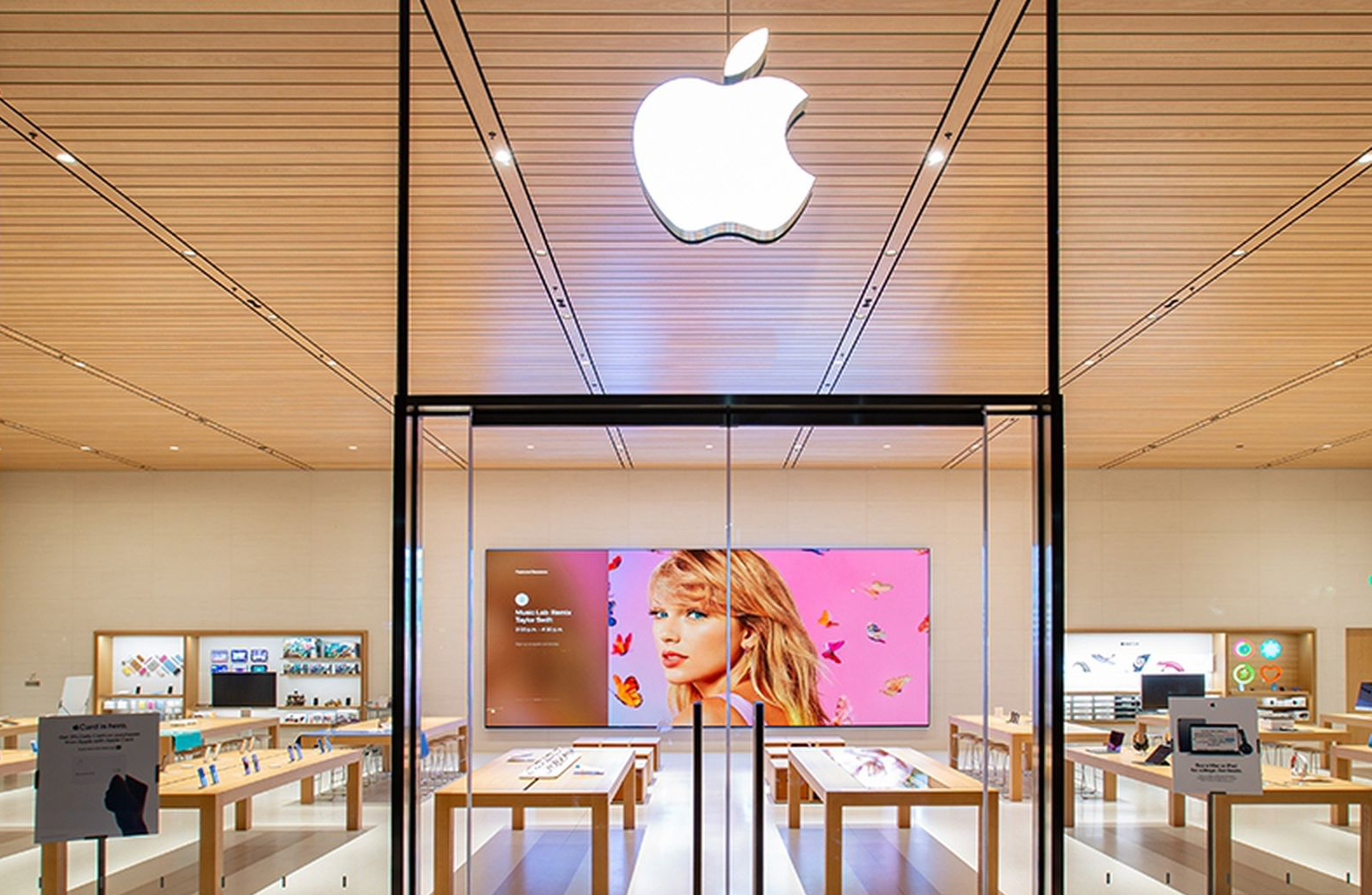
Staff have been informed that workloads will intensify in the coming weeks. Display areas are being reorganized, and dedicated product tables are gradually appearing - all pointing to a large-scale product unveiling expected later this month.
According to the Power On newsletter by respected analyst Mark Gurman, the level of preparation across Apple’s retail network mirrors the atmosphere that typically precedes the debut of a new iPhone. That suggests the company is placing significant expectations on its upcoming lineup.
Dedicated display space for a “strategic” product
The most notable detail is the installation of display tables reserved exclusively for an entirely new product. Historically, only devices with exceptional appeal - such as premium iPhone models - receive this treatment.
Apple is widely expected to introduce several new devices this month, including the iPhone 17e, upgraded versions of the MacBook Air and MacBook Pro, next-generation iPad and iPad Air models, and an entirely new budget MacBook.
Yet according to Gurman, it is the low-cost MacBook that appears to be the true centerpiece of Apple’s retail preparations.
Internally, Apple is said to view this model as offering “incredible value” within its segment - a rare characterization for a company long associated with premium pricing.
For years, MacBooks have occupied the high-end segment, often remaining out of reach for students and mainstream users. The new strategy suggests Apple is actively expanding its customer base.
The affordable MacBook is reportedly designed to attract younger users, particularly students. Apple also aims to draw Windows and Chromebook users into its ecosystem.
The company is targeting iPad owners and long-time Apple admirers who have never owned a MacBook.
One notable difference is the use of an A-series chip - typically found in iPhones - rather than the M-series processors that power current MacBook models. This shift would allow Apple to lower costs while maintaining sufficient performance for study and everyday productivity tasks.
Despite its budget positioning, the device is expected to feature a premium metal build, preserving Apple’s signature feel. It may also introduce brighter, more youthful color options, marking a departure from the brand’s traditionally neutral palette.
A projected price range of US$500–600 would represent a significant turning point. If accurate, this would become Apple’s lowest starting price for a laptop in many years, opening the door to macOS for millions of new users.
A signal of broader strategic expansion
The upcoming launches may only mark the beginning of what is expected to be a transformative year.
Apple is reportedly adjusting its iPhone release cycle. This year, the company may skip launching a standard iPhone 18 model as well as an iPhone Air 2, breaking from its usual pattern.
Instead, consumers could see only the iPhone 18 Pro and iPhone 18 Pro Max - the two highest-end variants. Such a move would enable Apple to focus on higher-margin products while streamlining its lineup.
A foldable iPhone, long rumored but never realized, is also expected to debut alongside the Pro models. If confirmed, it would mark Apple’s entry into a new competitive arena within the smartphone industry.
Additionally, Gurman suggests that a touchscreen MacBook could arrive before the end of the year, potentially blurring the long-standing distinction between Mac and iPad product lines.
The heightened preparations across Apple Stores worldwide indicate that the company is placing substantial bets on this wave of launches. Beyond simply adding new products, Apple appears to be reshaping its market approach - diversifying price points, expanding its customer base and experimenting with new device categories.
If successful, the affordable MacBook could become a gateway for a new generation entering the Apple ecosystem.
Meanwhile, a foldable iPhone and changes to the release cycle could signal the beginning of an entirely new chapter in the strategy of the US tech giant.
After years of adhering to a proven formula, Apple now seems ready to step beyond its comfort zone. And the newly arranged display tables at Apple Stores may be the first visible sign of that shift.
Hai Phong
.svg)
