 Vietnamnet.vn

 Podcast



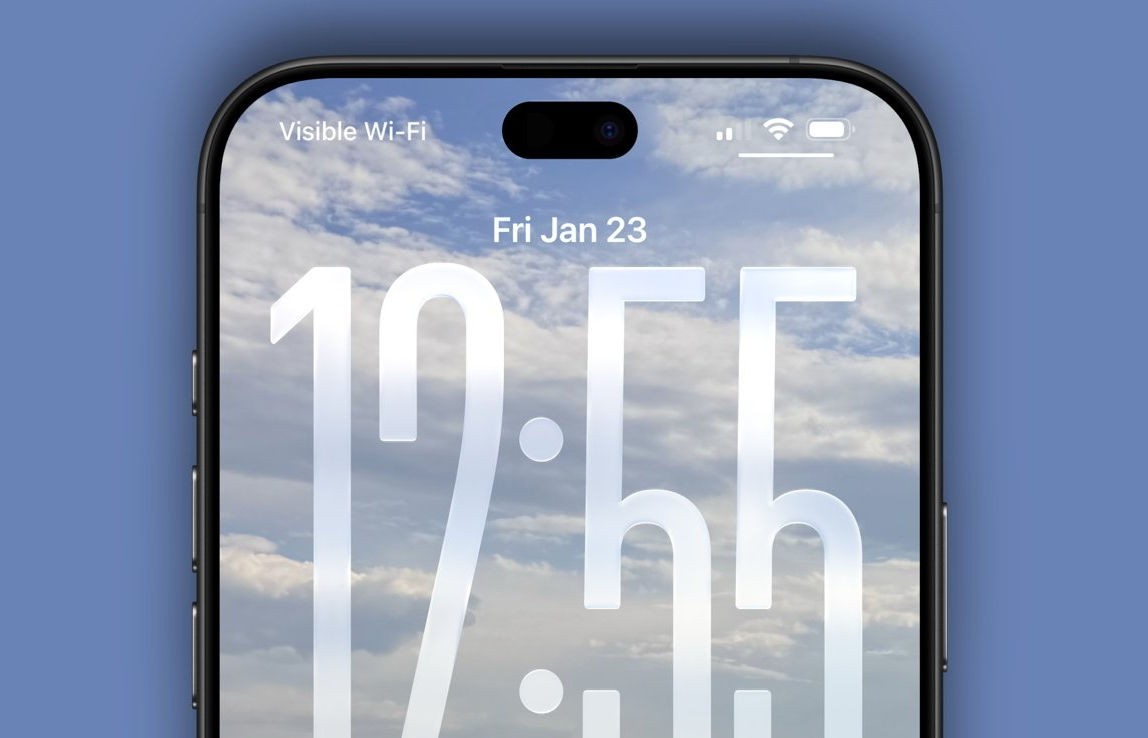
iPhone 18 Pro is expected to feature a significantly smaller Dynamic Island than current models. Photo: AppleInsider.
Rumors surrounding Apple’s next high-end iPhone generation continue to intensify, as multiple reputable sources simultaneously claim that the iPhone 18 Pro will feature a significantly smaller Dynamic Island than current models.
While not officially confirmed, the frequency and consistency of these reports have led many in the tech community to believe the change is almost certain.
Dynamic Island expected to shrink considerably
Reports of a smaller Dynamic Island on the iPhone 18 Pro have circulated for some time. A recent update reiterates that Apple’s 2026 flagship will adopt a more compact screen cutout design.
Although a sweeping design overhaul is unlikely, Apple is said to be integrating new under-display technology that would substantially reduce the footprint of the Dynamic Island.
This is viewed as an important milestone in Apple’s gradual pursuit of a cleaner, less visually intrusive front display.
After a post in January 2026 revealed specific dimensions of the next-generation Dynamic Island, the rumor gained further traction as additional sources indicated adjustments to the front camera module on the iPhone 18 Pro.
According to the latest report from Bloomberg, Apple is planning to redesign the Dynamic Island to make it smaller on the iPhone 18 Pro.
The move does not come as a surprise. Apple has reportedly been researching under-display Face ID technology since as early as 2021.
In fact, speculation about under-display Face ID on the iPhone 18 Pro is not new.
As early as December 2023, sources suggested that Apple’s next-generation Face ID hardware would debut in 2026, aligning with the expected launch of the iPhone 18 Pro.
Display analyst Ross Young reiterated in reports published in May 2024 and May 2025 that under-display Face ID would arrive in 2026.
Such repeated claims have strengthened confidence that Apple has made sufficient technical progress to commercialize a technology that has been rumored for years.
Beyond analysts, social media leakers in China have also frequently referenced the change. In May 2025, a Weibo account claimed that the iPhone 18 Pro would use an under-display Face ID system and repeated the assertion in June, September, October and November of the same year. A month later, another leaker echoed a similar view.
In short, the rumor mill appears to have reached broad consensus: the iPhone 18 Pro will likely feature under-display Face ID.
The remaining question concerns how Apple will arrange the system’s components and what precise form the new Dynamic Island will take.
Dynamic Island unlikely to move to the left corner
One of the more notable debates centers on the position of the Dynamic Island. In January 2026, YouTuber Jon Prosser, who previously faced legal action from Apple over leaked iOS 26 information, claimed that the iPhone 18 Pro would feature a smaller Dynamic Island positioned at the top-left corner of the display.
However, later that same month, leaker Instant Digital dismissed the claim. According to this source, the Dynamic Island would not shift to the left side of the screen. Instead, only the infrared sensor of the Face ID system would be relocated.
Specifically, the report suggests that while the infrared sensor may move to the left, the Dynamic Island and front-facing camera will remain centrally positioned near the top of the display, similar to the current layout.
The source even speculated that the rumor about the front camera moving left could have originated from a translation error.
By late January 2026, leaker Ice Universe added another detail: on the iPhone 18 Pro, the size of the Dynamic Island could shrink by approximately 35 percent, from 20.76mm to 13.49mm.
Accompanying mockup images depict a noticeably smaller cutout that remains largely centered at the top of the screen.
At present, most sources appear aligned on one point: the Dynamic Island on the iPhone 18 Pro will likely be significantly reduced in size thanks to under-display Face ID technology.
However, the overall positioning of the module is unlikely to change dramatically. Instead, select components such as Face ID sensors may be repositioned to optimize screen real estate.
If these reports prove accurate, the iPhone 18 Pro would represent a meaningful step in Apple’s long-term strategy to gradually eliminate visible front-facing elements and move toward an almost uninterrupted display experience.
Although months remain before its official unveiling, the volume and consistency of rumors suggest that a smaller Dynamic Island on the iPhone 18 Pro is shifting from speculation to a realistic expectation within the global tech community.
Hai Phong
.svg)
