 Vietnamnet.vn

 Podcast



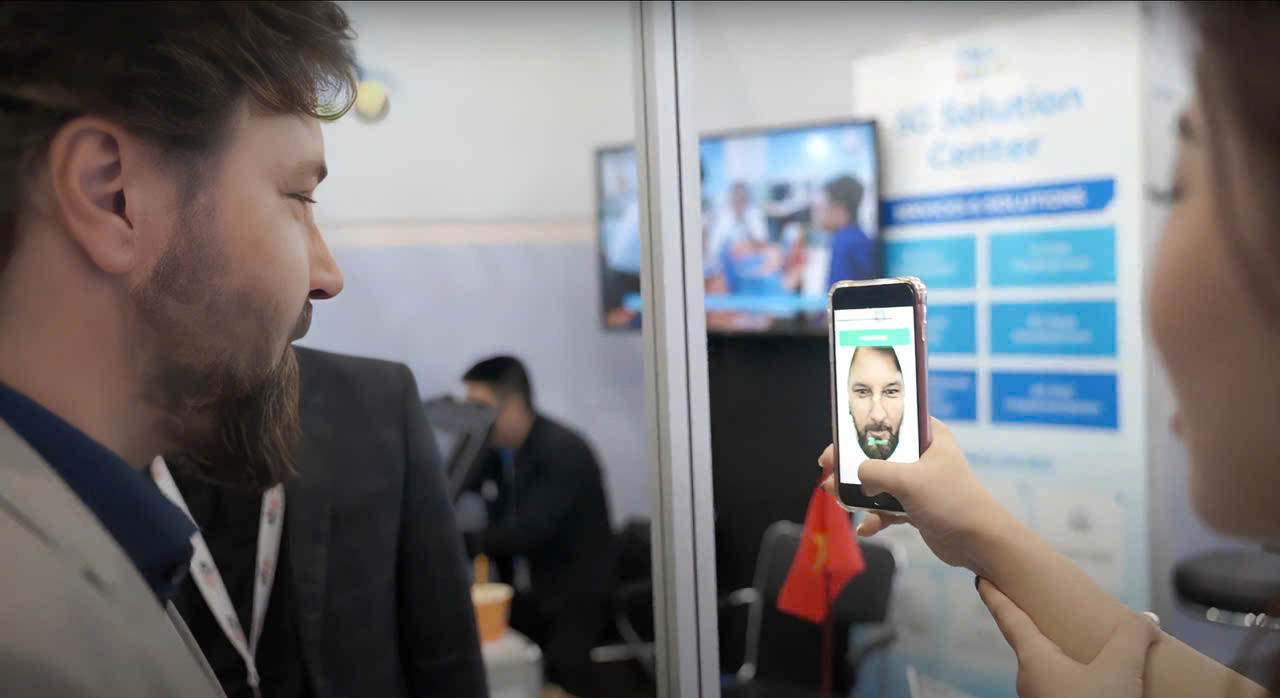
The Ministry of Science and Technology (formerly the Ministry of Information and Communications) is currently soliciting public feedback on a draft circular that guides the biometric verification process for ground-based mobile telecommunication subscribers.
Under the new rules, H2H (human-to-human) mobile numbers used for personal or organizational communication - registered by Vietnamese nationals or domestic organizations - must undergo verification using a digital identity account.
This e-verification process, which holds legal validity, uses biometric facial recognition to confirm the identity of the subscriber or the organization's representative. The biometric data will be cross-checked against the National Population Database, ensuring consistency across at least four data fields: national ID number, full name, date of birth, and facial biometric data.
Users can choose one of three methods to complete this verification:
Via the VNeID national identity app
Through mobile apps or websites provided by telecom operators
In-person at official service locations of telecom providers
If a subscriber fails to verify their information through any of these methods, the telecom provider will first suspend one-way services - limiting the user to incoming calls, messages, Internet access, and emergency telecommunications services.
If the issue remains unresolved beyond the timeframe stipulated in Article 25 of Decree No. 163/2024/NĐ-CP, the carrier will terminate two-way service and proceed to cancel the contract and permanently deactivate the number.
This initiative is part of a broader national effort to eliminate junk SIM cards and tighten control over mobile data. The Ministry has repeatedly warned telecom providers that failure to address SIM fraud could lead to fines or suspension of new subscriber activations, with accountability extending to company executives.
Over the years, the Ministry has issued multiple directives urging CEOs and board chairs of telecom companies to take personal responsibility in implementing strict measures to retrieve and block illegal SIMs.
In 2023 alone, telecom operators reportedly verified and matched the records of 125 million active subscribers with the national citizen database.
The need for stronger authentication is underscored by the ongoing epidemic of scam calls and phishing messages. Many hope that the new biometric requirements will lead to a significant reduction in spam and fraud in the telecom sector.
Thai Khang
.svg)
