 Vietnamnet.vn

 Podcast






Institutionalising external economic policy
Immediately after national reunification, senior Party and State leaders considered mobilising foreign investment as the country faced budget constraints and war-torn infrastructure. In April 1977, Pham Van Dong, then Chairman of the Council of Ministers, signed Decree No. 115-CP promulgating regulations on foreign investment. This marked the first legal foundation institutionalising external economic policy, with detailed provisions on sectors, partners, investment forms, duration, capital management, accounting, statistics, investment procedures, dissolution, and dispute settlement.
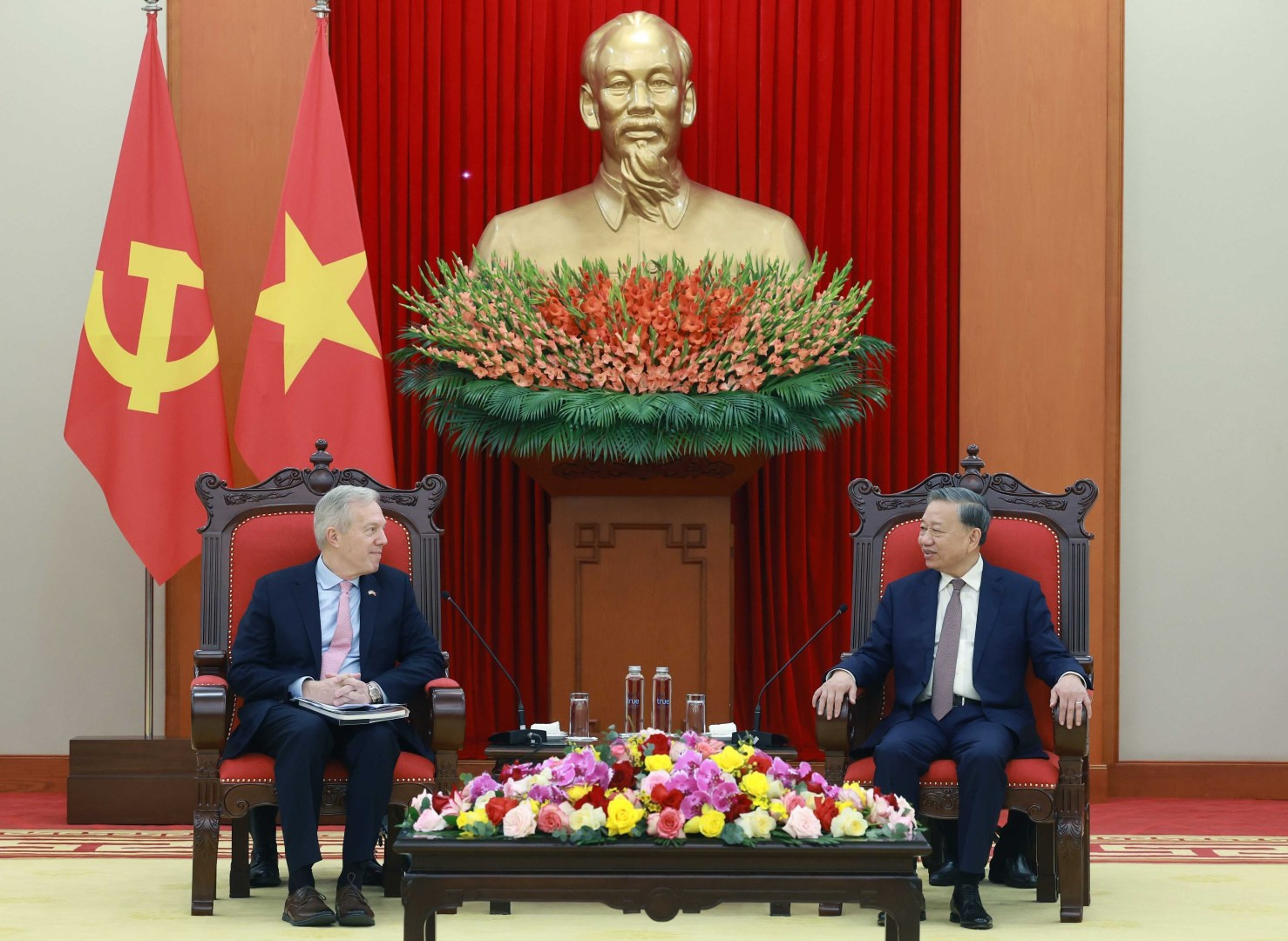
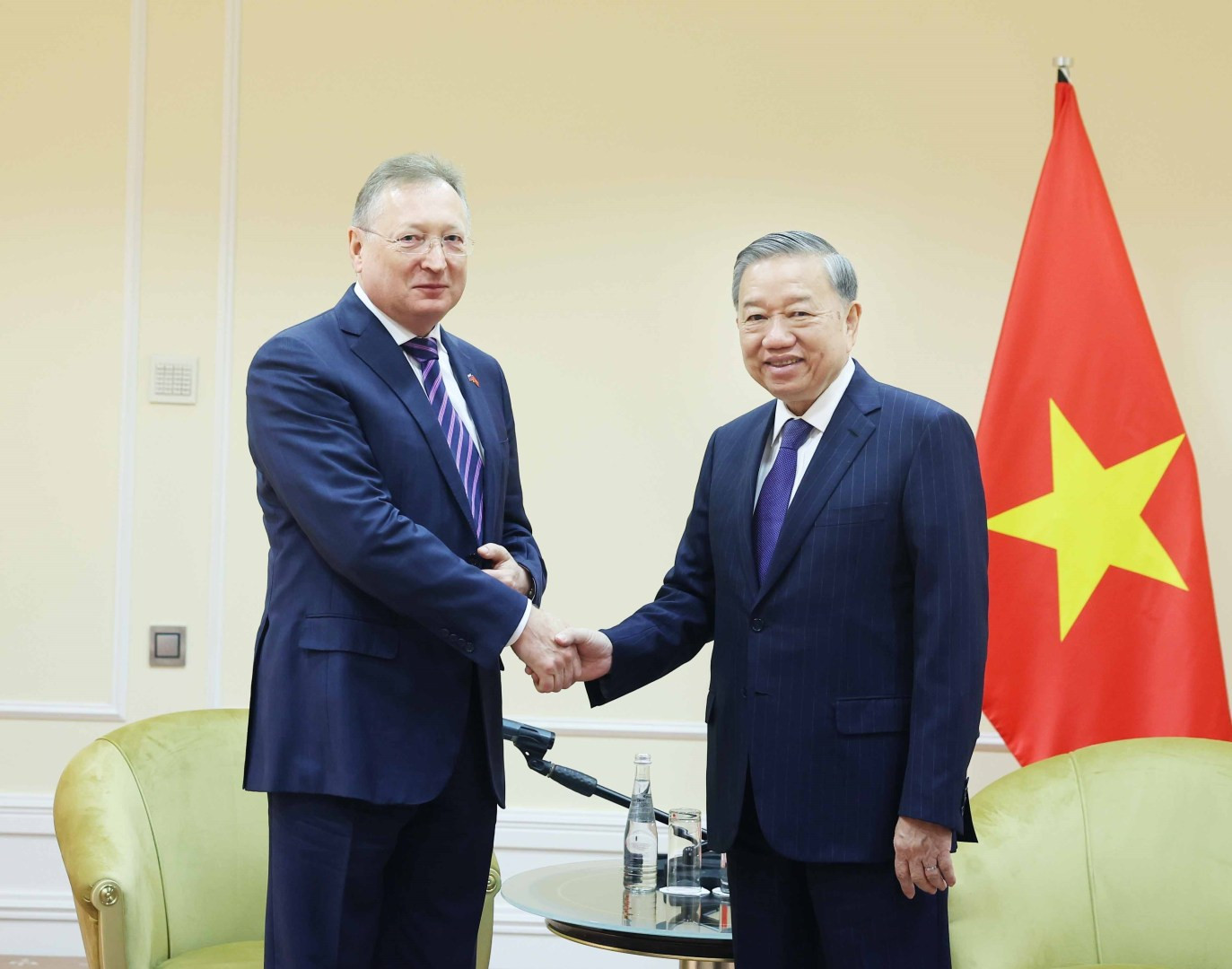
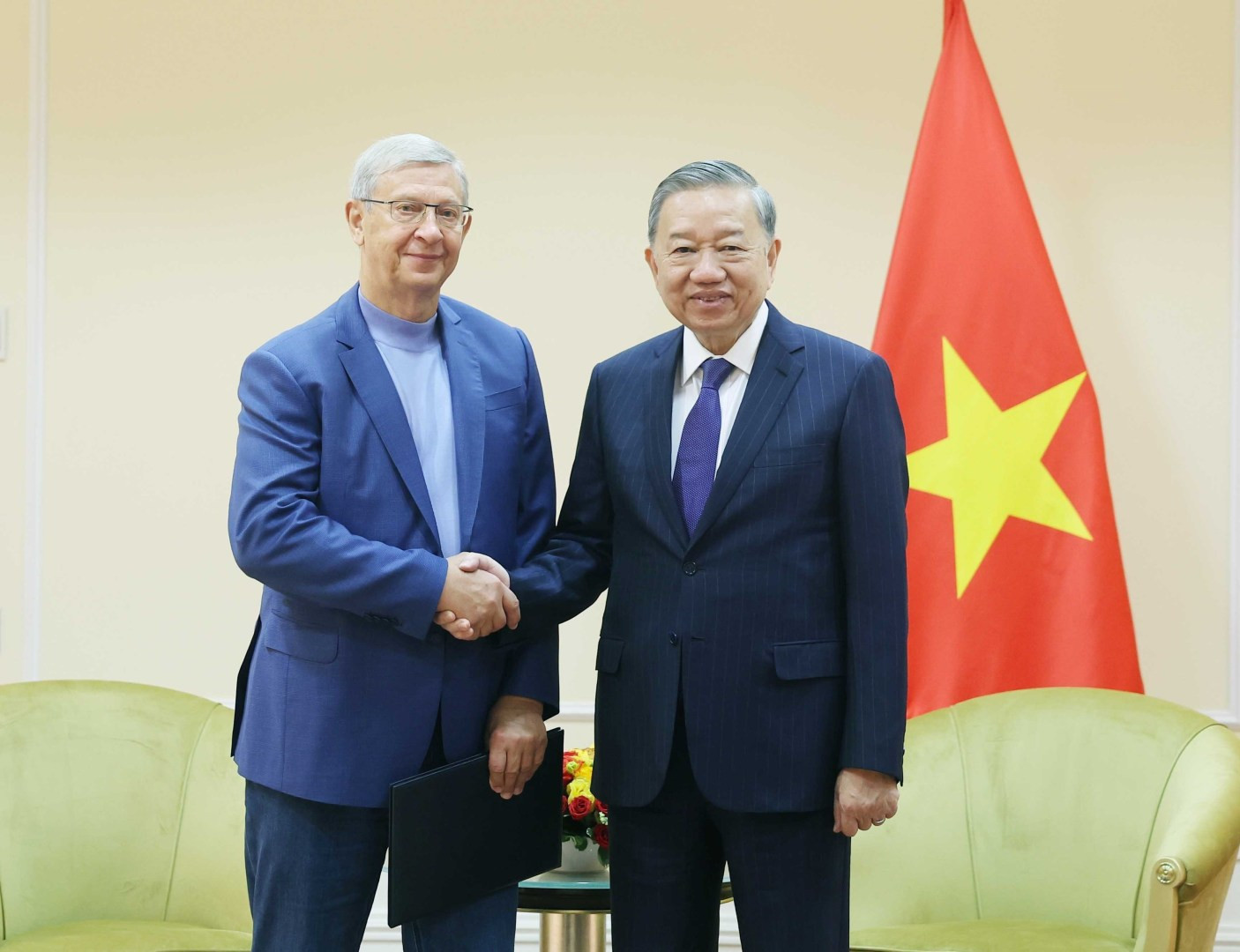
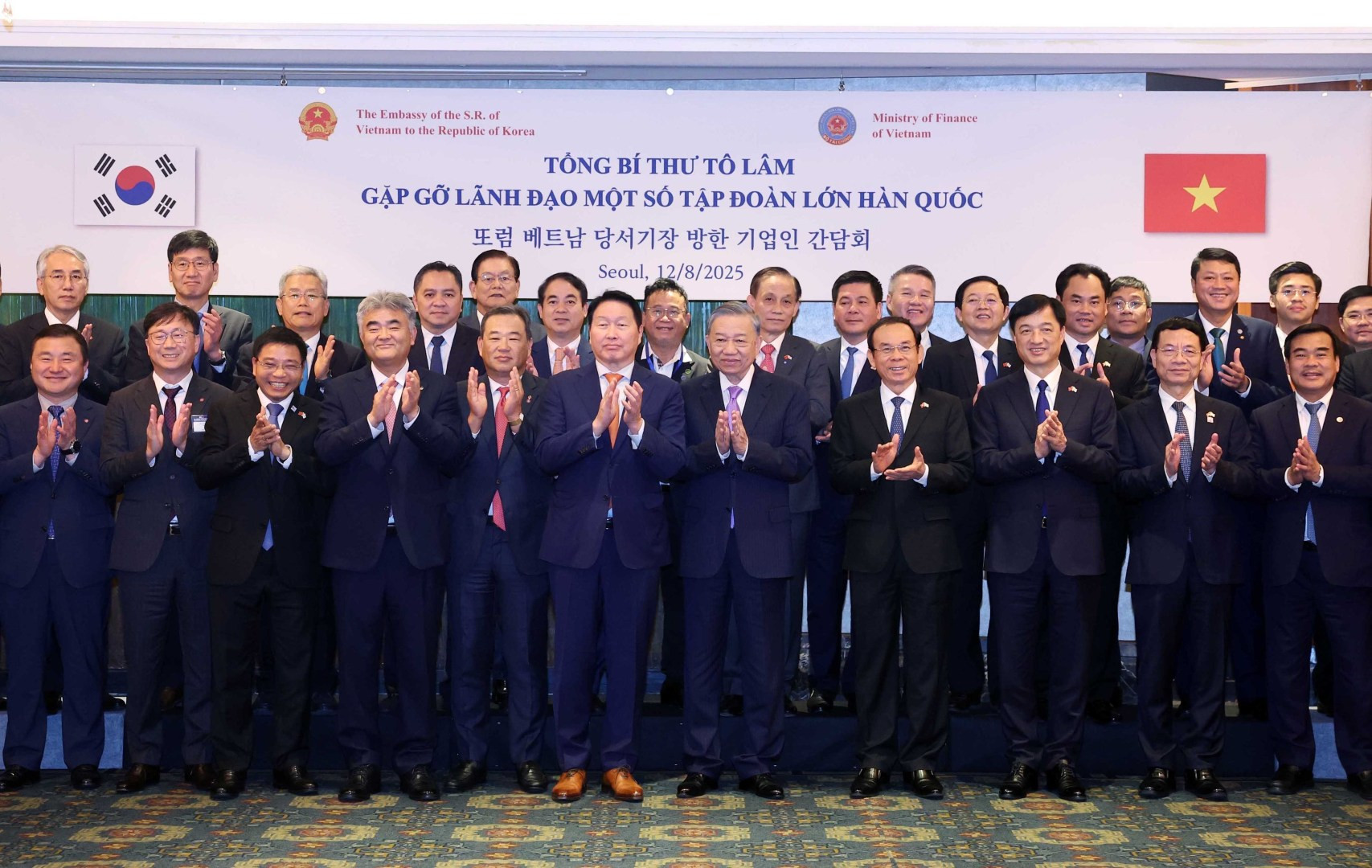
Party General Secretary To Lam meets with leaders of major Korean conglomerates during his State visit to the Republic of Korea in August 2025. (Photo: VNA)
The 1977 foreign investment regulations opened a new chapter in Vietnam’s external economic development, aiming at diversification and multilateralisation. However, due to unfavourable international circumstances, the document did not deliver the expected outcomes. In 1984, the Politburo decided to supplement and improve the policy, moving toward a comprehensive investment law. After extensive discussions, on December 29, 1987, the eighth National Assembly passed the Law on Foreign Investment in Vietnam, a landmark law that ushered in a new era of FDI attraction.
Since then, the Law on Foreign Investment has undergone several revisions and supplements in 1990, 1992, 1996, 2000, 2005, 2014, and 2020, making it increasingly open, appealing, and aligned with international practices. Foreign investors have found it easier to operate, leading to a robust surge in FDI that has significantly contributed to the country’s renovation drive.


Enhancing the quality of foreign investment
The improved investment framework helped Vietnam officially join the World Trade Organisation (WTO) on January 11, 2007, and subsequently participate in a series of free trade agreements (FTAs). Each amendment of the law has been closely aligned with Party directives, domestic conditions, and international trends.
In 2019, the Politburo issued Resolution 50-NQ/TW on orientations for improving institutions and policies to raise the quality and efficiency of foreign investment cooperation through 2030. The resolution enhances competitiveness, bringing Vietnam’s business environment into the ASEAN-3 group.
In 2005, the National Assembly passed the Investment Law, applicable to both domestic and foreign investment, creating a level playing field, simplifying procedures, and facilitating international integration. As a result, FDI has brought not only capital but also technology, management expertise, and market expansion, becoming a major driver of growth.
Over nearly four decades of FDI attraction (1987–2025), Vietnam has consistently sought foreign capital to serve its strategic socio-economic development goals. Priority has been given to projects with high technological content, enabling domestic firms to absorb modern technology and advanced management practices, boosting production capacity.
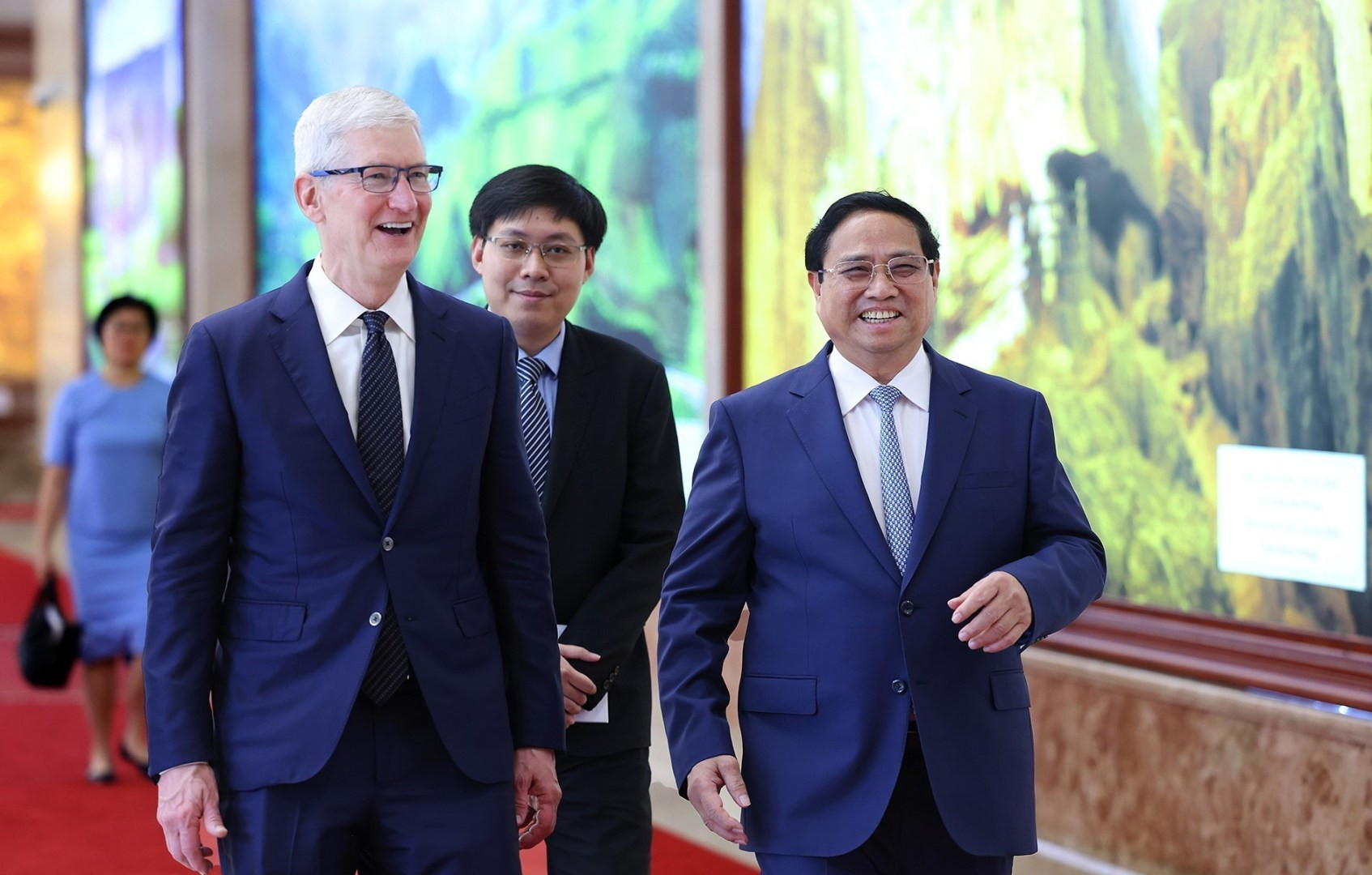
Prime Minister Pham Minh Chinh receives Tim Cook, CEO of Apple, in April 2024. (Photo: VNA)
FDI has also been directed toward sectors that support economic restructuring, promote industrialisation and modernisation, and shift the economy from subsistence agriculture toward high-value industry and services. FDI projects have generated millions of jobs, raised living standards, and contributed to social welfare and economic stability.

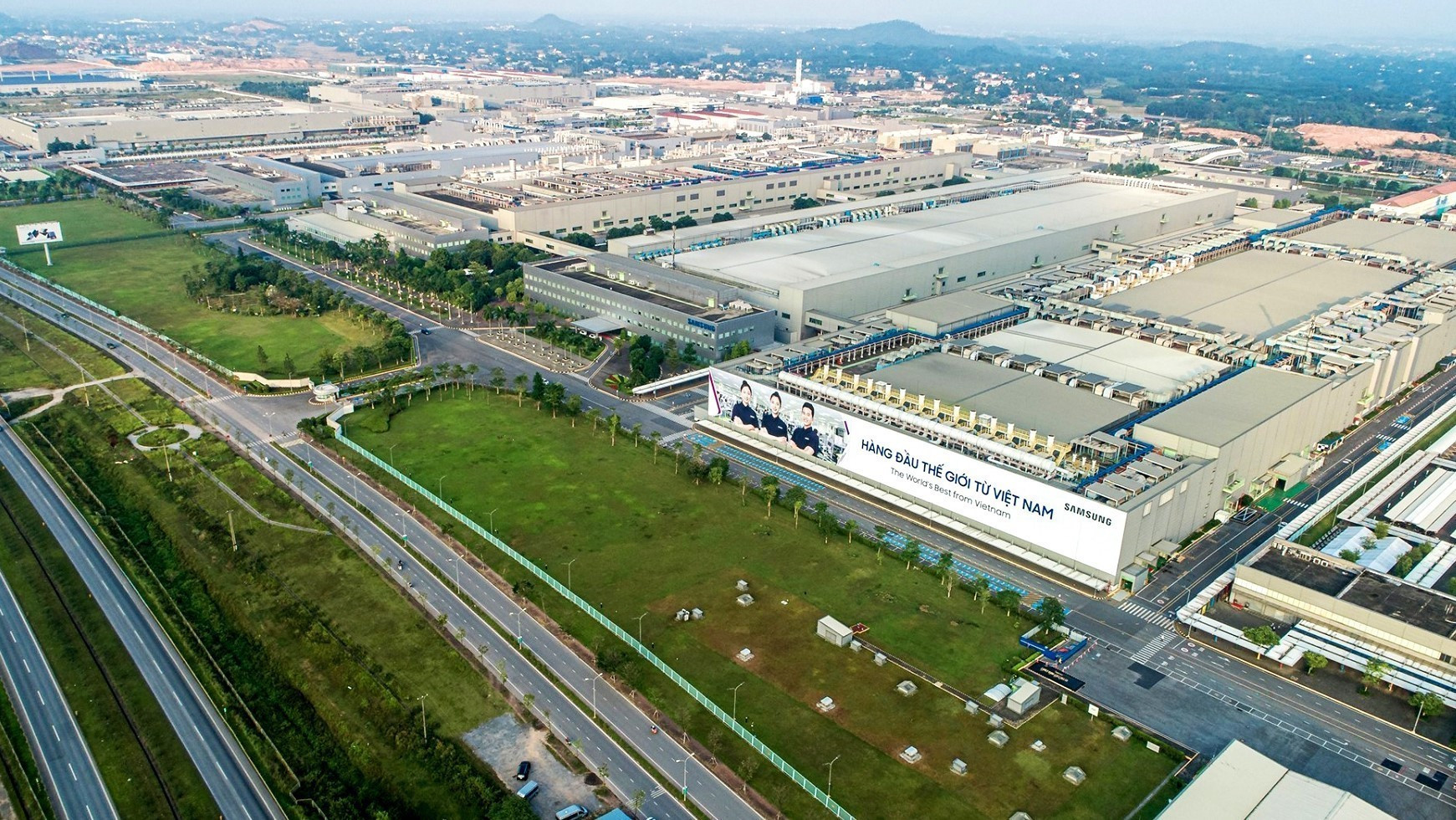
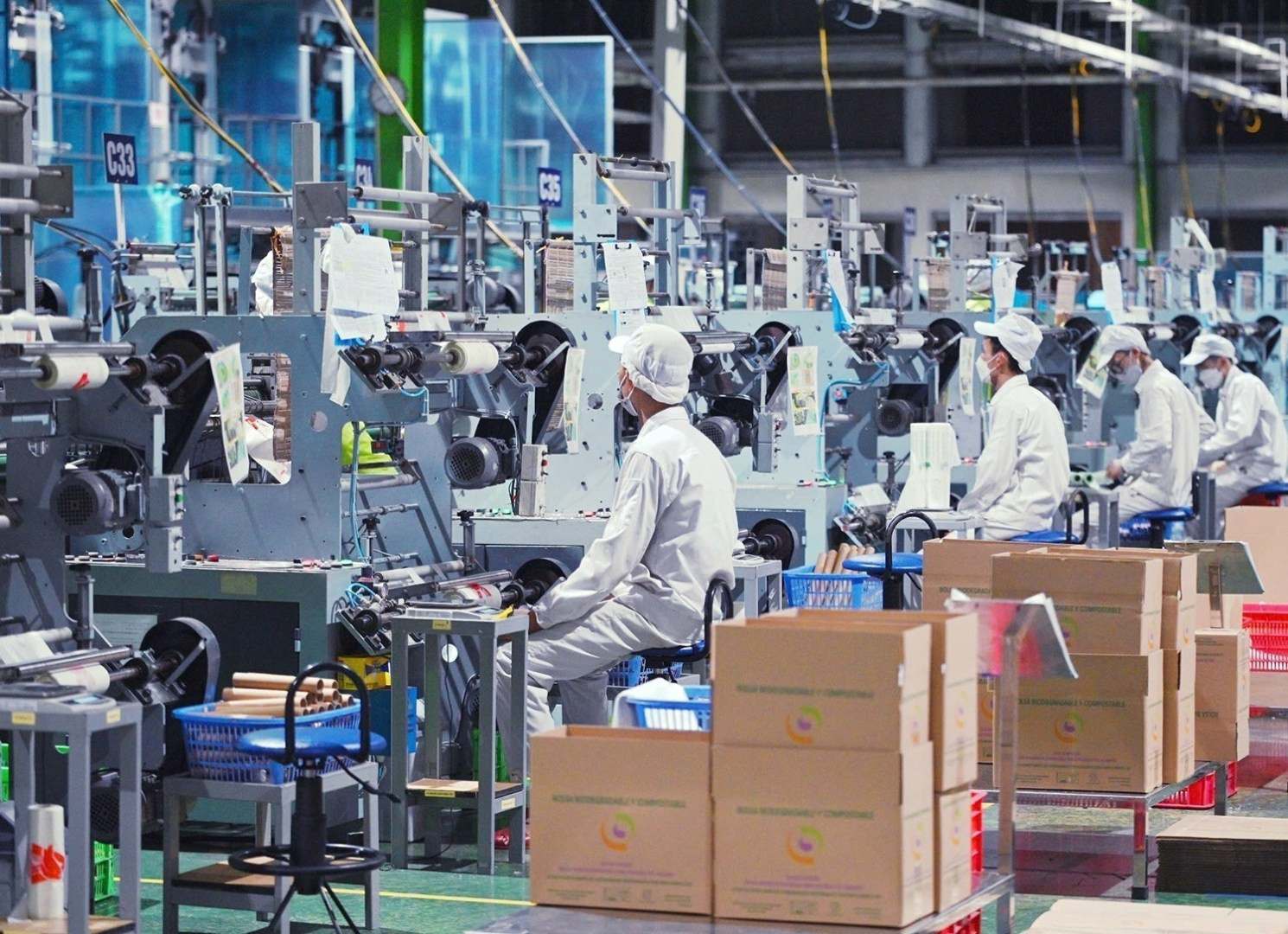
Equally important, Vietnam links FDI attraction to strengthening economic independence and resilience, ensuring that foreign capital serves sustainable development nationally.
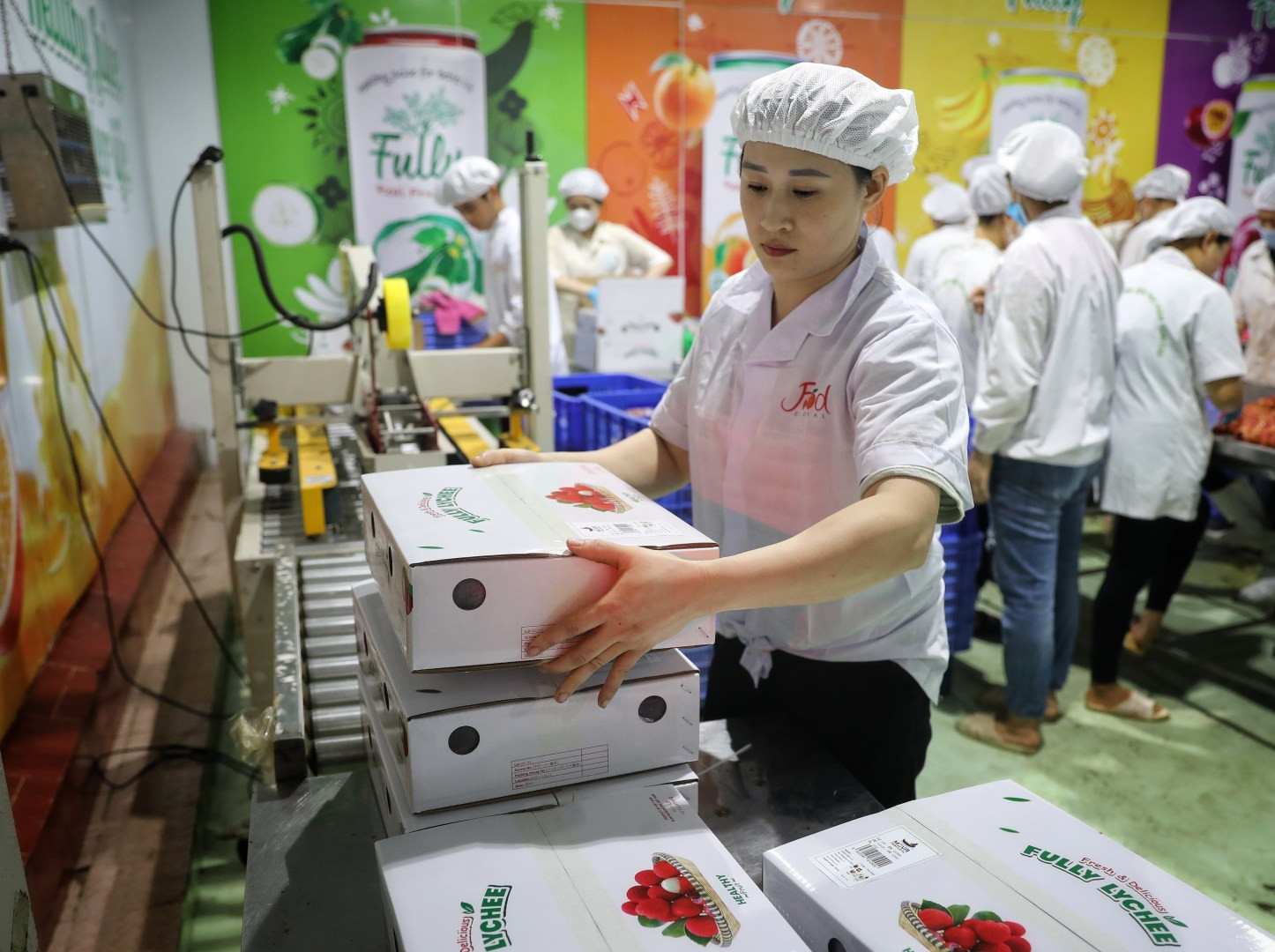
Workers pack lychees for export. (Photo: VNA)
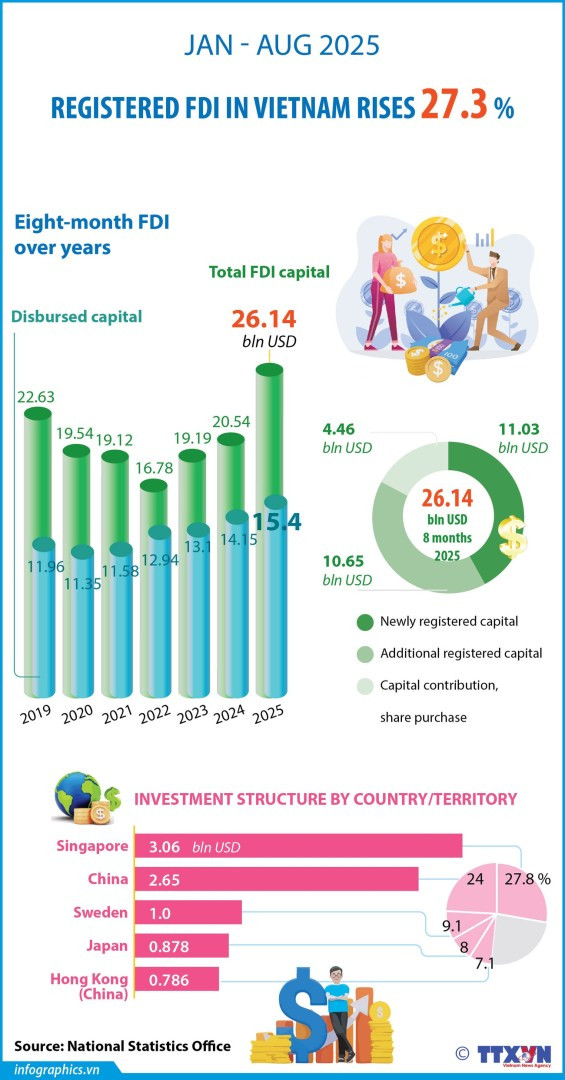
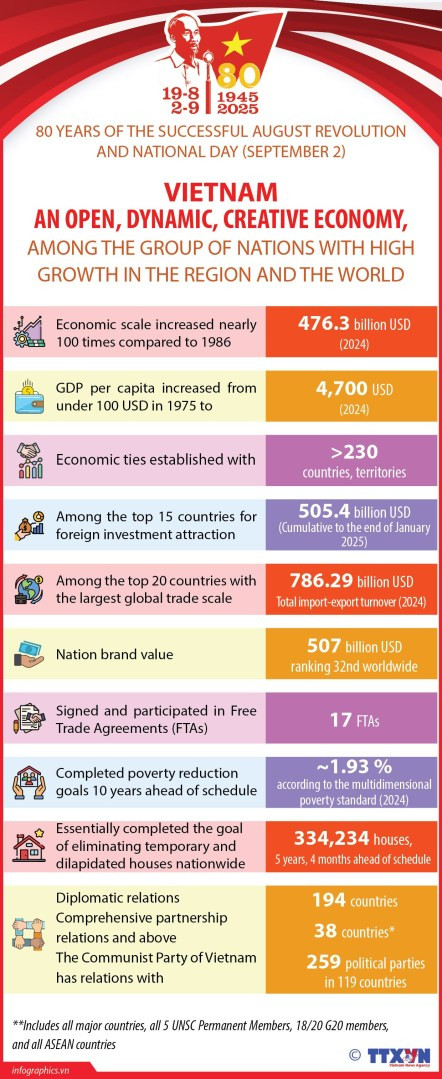
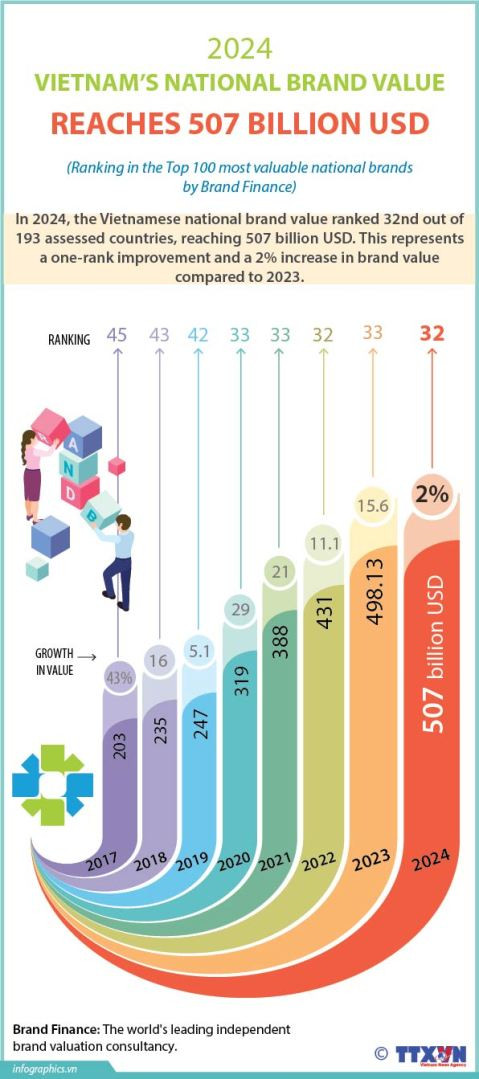
In the first eight months of 2025, Vietnam attracted 26.14 billion USD in foreign direct investment (FDI), up 27.3% year-on-year, the highest level since 2009 despite the global downturn in FDI. At the same time, Vietnam’s national brand value has continued to rise, ranking 32nd globally according to Brand Finance, up from 47th just a decade ago.
To channel FDI into priority areas, Vietnam is implementing decisive measures under the foreign investment cooperation strategy for 2021–2030, focusing on project quality, particularly in priority sectors.
Efforts include improving institutions, offering preferential policies, setting up investment support funds, developing international financial centres, and stepping up investment in transport and energy infrastructure.
Alexander Ziehe, Chairman of the German Business Association in Vietnam, praised the country’s infrastructure reforms and its transparent investment environment, believing these factors will further strengthen Vietnam’s appeal for high-quality, long-term FDI, especially in sectors where German businesses have strengths.
Together with incentives in taxation, land, and infrastructure, the streamlining of administrative procedures is aimed at maximising convenience for foreign enterprises.
At recent meetings with foreign investors, Deputy Prime Minister Nguyen Chi Dung stressed that Vietnam is prioritising selective FDI, focusing on strategic sectors such as infrastructure, science and technology, innovation, digital transformation, biotechnology, new materials, semiconductors, and artificial intelligence.



Thanks to a progressively improved legal framework, even when Vietnam had not yet developed a fully functioning market in the late 1980s, foreign investors could conduct business with confidence in an environment not much different from that of long-established market economies./. VNA
.svg)
