 Vietnamnet.vn

 Podcast



For more than seven decades, Vietnam's state management system for religious affairs has served as a bridge between the Party, the State and religious organizations. As the sector marks its 71st anniversary, institutional reform has emerged as a defining priority, laying a stronger legal foundation for religious activities during the country's next phase of development.
A 71-year journey
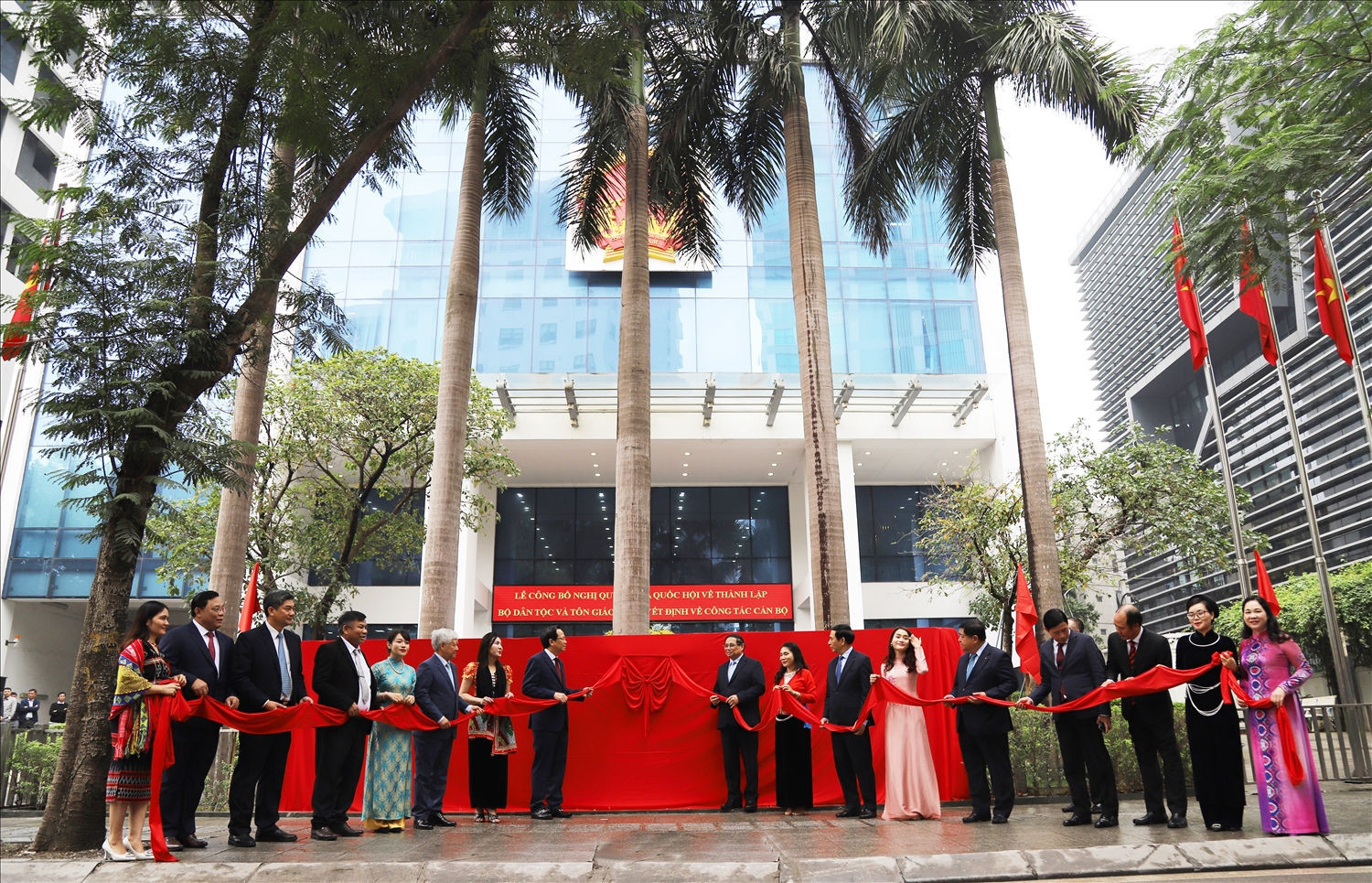
Vietnam's Government Committee for Religious Affairs was established on August 2, 1955, during a period marked by national reconstruction and profound challenges.
From its earliest years, generations of officials working in religious affairs focused on grassroots engagement, helping strengthen national solidarity while encouraging religious communities to contribute to the country's struggle for independence and reunification.
In the decades that followed, the sector expanded its advisory and regulatory role, guiding religious organizations in carrying out their activities while remaining closely connected with national development.
Today, the agency continues to serve as an important channel of communication between the State and religious organizations.
A significant organizational milestone came on March 1, 2025, when the Government Committee for Religious Affairs was transferred from the Ministry of Home Affairs to the newly established Ministry of Ethnic and Religious Affairs.
Religious life continues to expand
Vietnam's religious landscape has grown substantially alongside evolving policies on freedom of belief and religion.
According to official figures, before 1990, only three religious organizations had been formally recognized. Today, the State has recognized or registered 43 organizations representing 16 religions.
These organizations include approximately:
27.7 million followers, or about 27% of Vietnam's population;
More than 61,000 religious dignitaries;
Nearly 145,000 religious officials; and
Almost 30,000 places of worship.
Authorities say dialogue with religious leaders and followers remains an important element of policy implementation, helping address local concerns while encouraging religious organizations to contribute to education, healthcare, charitable work and social welfare.
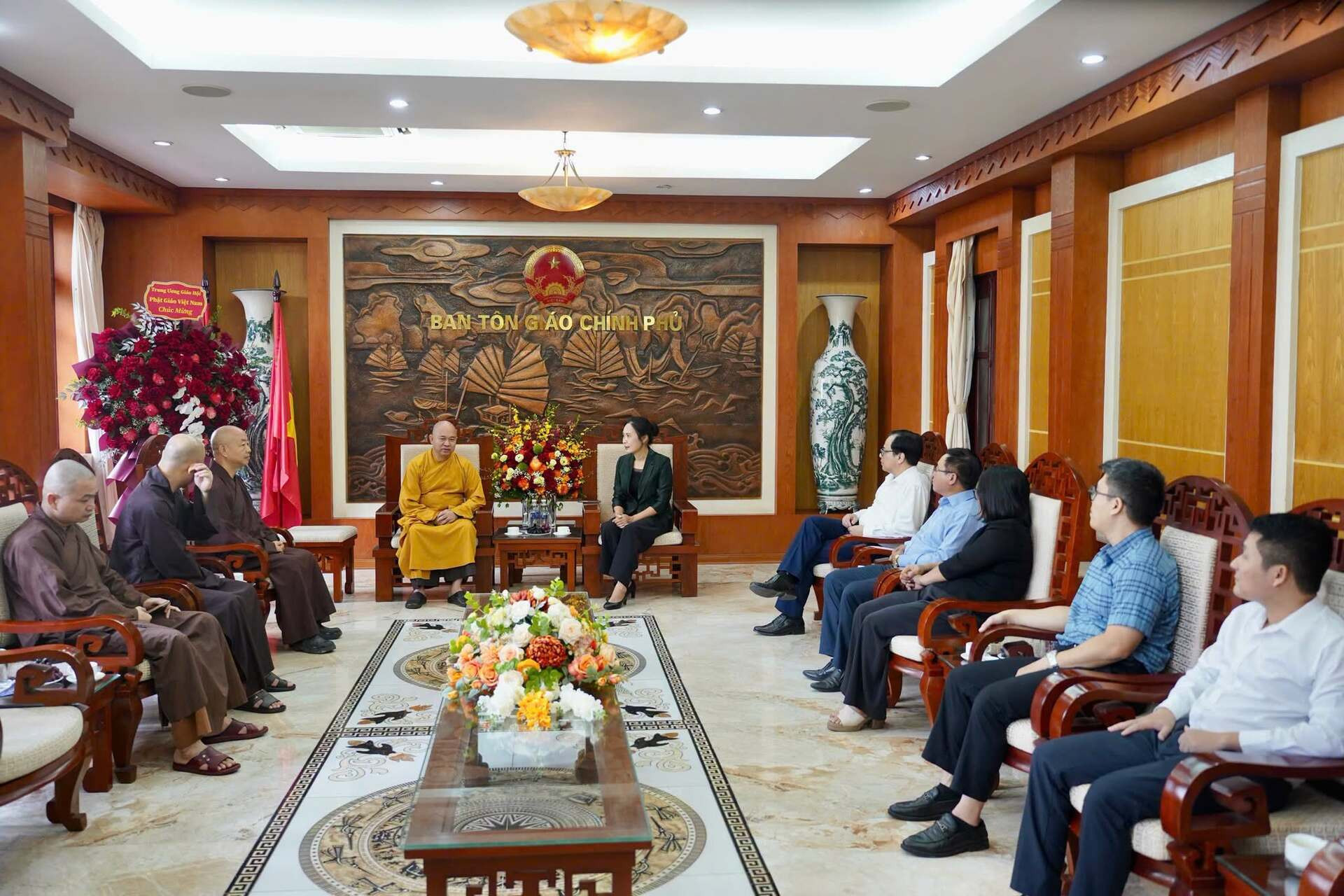
Reflecting that relationship, representatives of several religious organizations visited the Government Committee for Religious Affairs on July 31 to congratulate the agency ahead of its anniversary.
Among them was a delegation from the Vietnam Buddhist Sangha, led by Most Venerable Thich Duc Thien, Vice President and Secretary General of the Sangha's Executive Council, who expressed appreciation for the committee's support and hoped for continued cooperation in future Buddhist activities.
Institutional reform takes center stage
While dialogue has remained a defining feature of the sector's work, institutional reform has become its most significant priority in recent years.
Following the enactment of the Law on Belief and Religion in 2016, Vietnam's amended Law on Belief and Religion was approved by the 16th National Assembly during its first session and will take effect on January 1, 2027.
Officials say the revised law further modernizes the legal framework governing religious activities while improving transparency and reducing administrative procedures.
At the same time, the Government Committee for Religious Affairs is organizing consultations with legal experts, policymakers and religious organizations to finalize a draft decree guiding implementation of the amended law.
The drafting process emphasizes openness and consultation so that new regulations are widely understood before taking effect.
Most Venerable Thich Bao Nghiem, Vice President of the Vietnam Buddhist Sangha's Executive Council and a National Assembly deputy representing Hanoi, said the revised law further safeguards citizens' freedom of belief and religion while facilitating lawful religious activities.
Similarly, Professor Thuong Mai Thanh, a Standing Committee member of the Cao Dai Ban Chinh Dao Church, welcomed provisions addressing religious activities in cyberspace, describing them as an important step toward protecting religious freedom while fostering a safe online environment.
Administrative reform and digital transformation
Administrative modernization has become another major focus.
According to the Government Committee for Religious Affairs, 77 administrative applications were received during the first six months of 2026, including 65 submitted online, equivalent to 84% of the total.
By the reporting date, 74 applications had been processed, with the remaining cases handled within prescribed deadlines and without complaints regarding administrative procedures.
Authorities are also accelerating the development of a national database on belief and religion, designed to create a unified digital information system from the central to local levels.
The database is expected to enter pilot operation in September 2026.
Priorities for the months ahead
Speaking at the committee's six-month review conference on July 27, Vu Hoai Bac, Head of the Government Committee for Religious Affairs, called for continued improvements in governance and implementation.
He urged officials to carry out tasks under the principles of clear responsibilities, defined timelines, measurable outputs and effective supervision, with the goal of completing all assigned work on schedule.
In the second half of 2026, the committee's priorities include:
Completing the draft decree guiding implementation of the amended Law on Belief and Religion for submission to the Government in October 2026.
Accelerating development of the national database on belief and religion under the principles of accuracy, completeness, consistency and shared data access.
Continuing research and policy recommendations on emerging religious issues.
Reviewing the State's management of religious education and training to support future policy improvements.
After 71 years of development, Vietnam's state management system for religious affairs continues to evolve beyond its traditional coordinating role.
Alongside institutional reform, administrative modernization and digital transformation, the sector aims to strengthen legal protections for freedom of belief and religion while creating favorable conditions for religious organizations to contribute to Vietnam's social, cultural and economic development.
Sy Hao
.svg)
