 Vietnamnet.vn

 Podcast



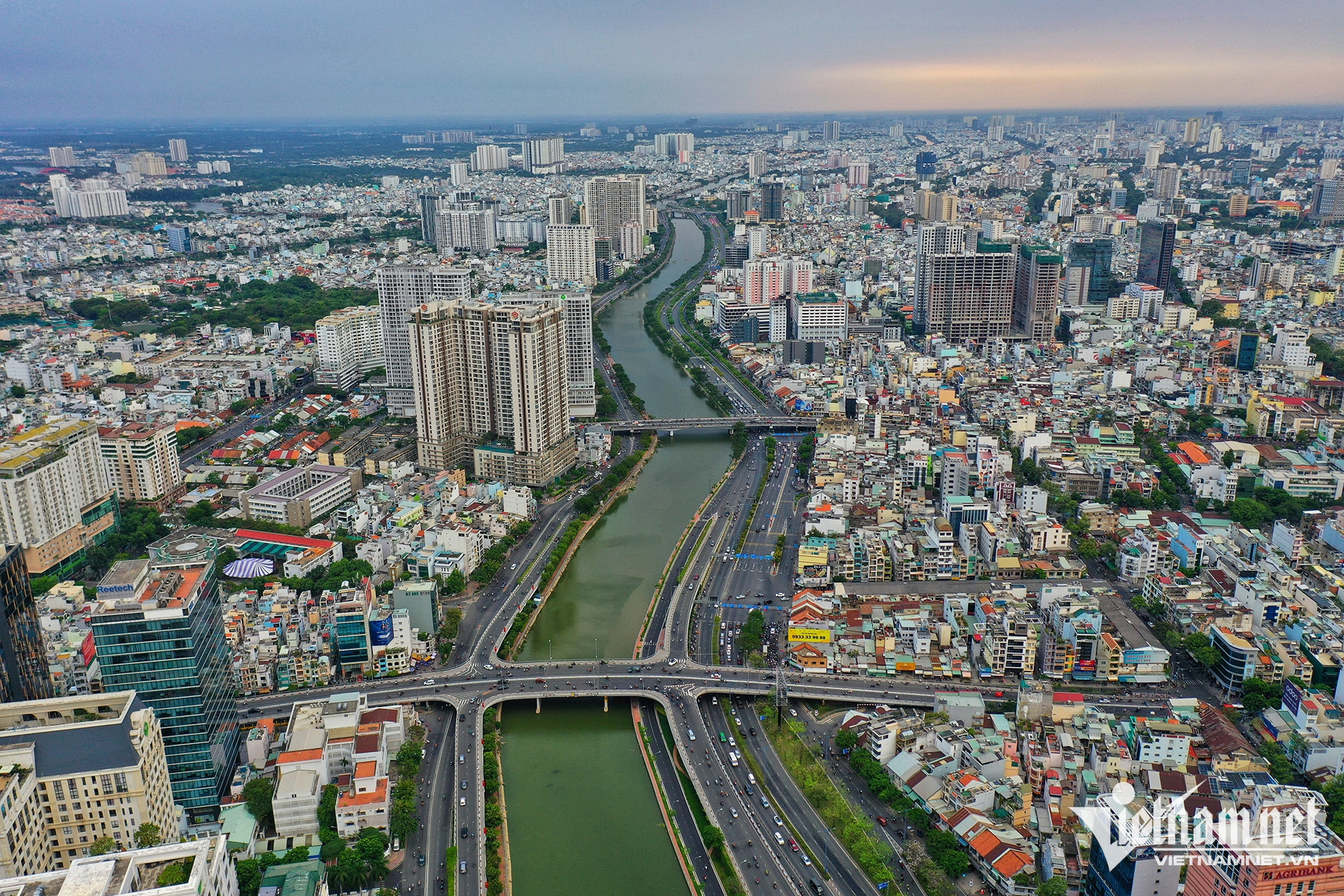
The goal is outlined in Resolution No. 80, recently issued by the Government, which updates the national action program on urban planning, construction, management and sustainable development through 2030, with a long-term vision to 2045.
Rising urbanization and expanding city networks
Under the plan, Vietnam aims to achieve an urbanization rate of at least 45 percent by 2025 and over 50 percent by 2030, placing it among the higher-middle tier of urbanized countries in ASEAN and across Asia.
The total number of urban areas is projected to reach between 950 and 1,000 by 2025, and approximately 1,000 to 1,200 by 2030.
Urban land is expected to account for around 1.5-1.9 percent of the country’s total natural land area by 2025, rising to 1.9-2.3 percent by 2030.
By the end of the decade, Vietnam also plans to establish several national and regional urban centers that meet key benchmarks in healthcare, education, training and cultural development, comparable to leading cities in the top four ASEAN countries.
Infrastructure, connectivity and quality of life
The program sets out clear targets for urban infrastructure.
Transport land is expected to account for 11-16 percent of urban construction land by 2025 and increase to 16-26 percent by 2030. Green space per capita is projected to reach 6-8 square meters by 2025 and 8-10 square meters by 2030.
Average housing floor space in urban areas is targeted at a minimum of 28 square meters per person by 2025, rising to at least 32 square meters by 2030.
Digital infrastructure is another central pillar. By 2025, fiber-optic broadband is expected to cover more than 80 percent of urban households, alongside widespread access to 4G and 5G networks and smartphones. Over 80 percent of the adult urban population is expected to have electronic payment accounts.
By 2030, universal broadband access and full 5G coverage are anticipated, with all urban adults expected to use digital payment services.
Cities as economic engines
Urban areas are projected to play an increasingly dominant role in the national economy.
By 2025, urban economies are expected to contribute around 75 percent of Vietnam’s GDP, rising to approximately 85 percent by 2030.
The digital economy is also set to expand significantly, accounting for 25-30 percent of GRDP in centrally governed cities by 2025 and 35-40 percent by 2030.
At the same time, Vietnam aims to develop a network of smart cities at both national and regional levels, with three to five cities gaining recognized brands at the regional and international scale by 2030.
A long-term vision for globally connected cities
Looking ahead to 2045, Vietnam envisions an integrated and balanced urban system across regions, capable of adapting to climate change, responding to natural disasters and public health risks, and protecting the environment.
Cities are expected to reflect a blend of modernity and cultural identity - green, smart and architecturally distinctive.
At the heart of this vision is the goal of building at least five cities that meet international standards, serving as key hubs connecting Vietnam to regional and global networks.
Urban economic structures will increasingly shift toward green industries and the digital economy, forming the backbone of sustainable growth.
From planning to implementation
To achieve these targets, the Government has tasked ministries, sectors and local authorities with improving the quality of urban planning and governance.
This includes developing integrated urban and rural planning for the 2021-2030 period, with a vision to 2050, as well as reviewing, adjusting and approving master plans and architectural management regulations.
Investment will also be directed toward building synchronized, modern urban infrastructure systems that are interconnected and resilient in the face of climate change.
Tran Thuong
.svg)
