 Vietnamnet.vn

 Podcast


Prime Minister Le Minh Hung attended a high-level plenary session titled The Spirit of Cooperation in a New Era at the Autumn Economic Forum 2026 in Ho Chi Minh City on October 28.
In his opening remarks, the Prime Minister welcomed the forum, held under the overarching theme The Convergence of New Global Growth Poles, describing Ho Chi Minh City as a dynamic, open and innovative metropolis.
He said the city has consistently embraced international integration and serves as an important testing ground for new development models and approaches in Vietnam.
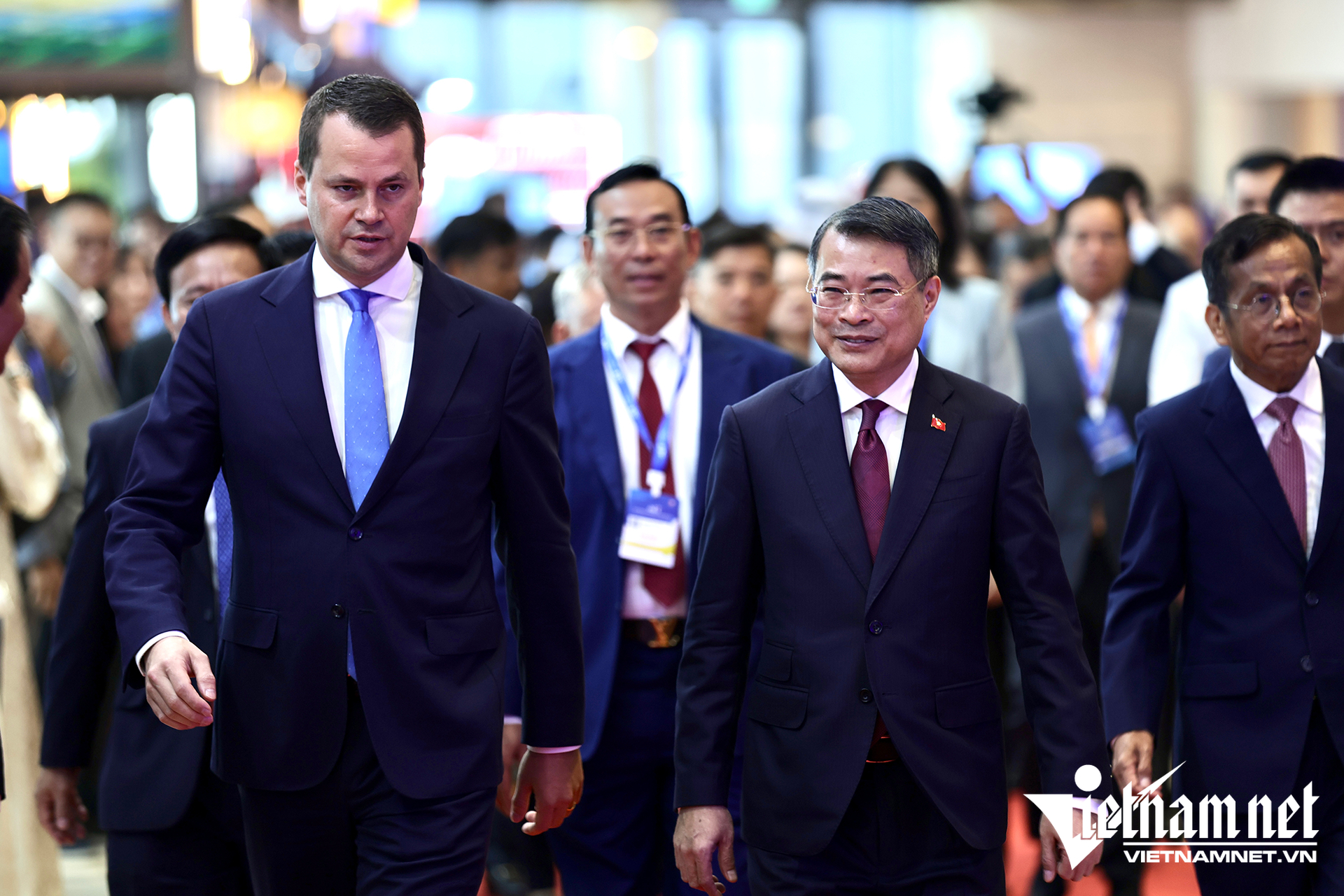
Hung praised the World Economic Forum (WEF) for its cooperation in organizing the event and helping establish the Autumn Economic Forum as an increasingly important platform alongside the WEF Annual Meeting in Davos, Switzerland, and the Annual Meeting of the New Champions in China.
He said the plenary session's theme raised a defining question of the times: how countries should cooperate in a rapidly changing world, not merely to adapt and overcome challenges, but also to create new drivers of development and build a better future.
According to the Prime Minister, the world is undergoing profound transformations that present significant opportunities alongside formidable challenges.
Strategic competition among major powers is intensifying, while wars and conflicts continue in various forms, contributing to an increasingly multipolar international order.
Policy adjustments, economic fragmentation and the restructuring of global supply chains are accelerating, while traditional and non-traditional security challenges are becoming more interconnected and complex.
At the same time, breakthroughs in science and technology, particularly artificial intelligence, together with digital transformation, green transition and energy transition, are fundamentally reshaping production methods, development models and the structure of the global economy.
"In this context, strengthening self-reliance and expanding international cooperation are two closely interconnected imperatives," Hung said. "No country can achieve rapid and sustainable development in isolation, and no global challenge can be effectively addressed through unilateral efforts alone."
He stressed that the world needs, more than ever, to rebuild trust, uphold multilateralism, strengthen dialogue and promote cooperation based on respect for international law and the legitimate interests of nations.
The Prime Minister said solidarity, collective action and stronger connections among markets, knowledge and people are essential to helping economies withstand global disruptions.
He also emphasized that international cooperation must move beyond declarations and commitments to deliver practical mechanisms, feasible projects and concrete, measurable outcomes.
Vietnam targets annual GDP growth of at least 10% from 2026 to 2030
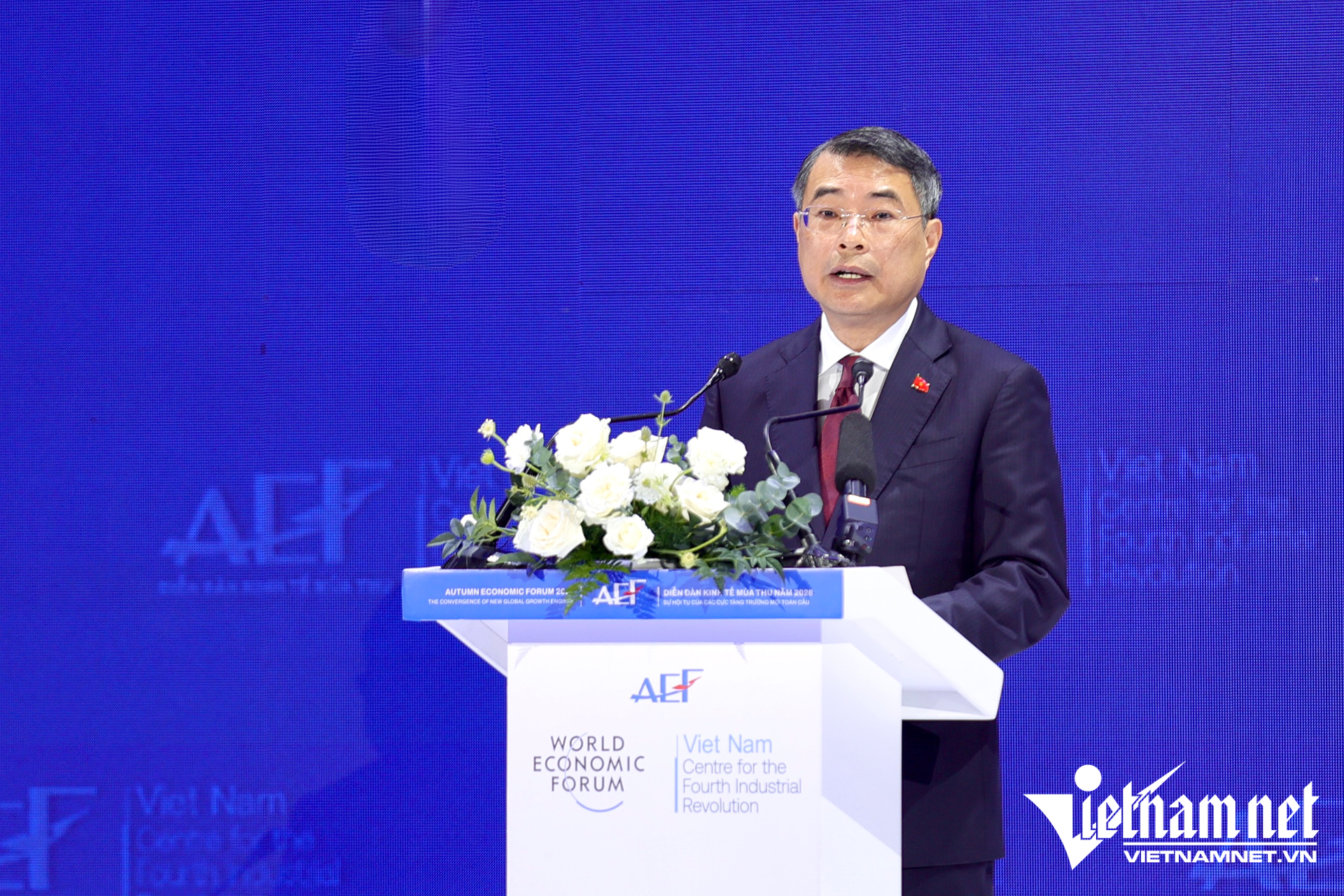
Reflecting on Vietnam's development, Hung reaffirmed that international integration has consistently been a central policy aimed at maximizing domestic strengths while drawing on external resources.
From a country facing considerable economic hardship, Vietnam has emerged as a dynamic, fast-growing economy, a safe investment destination and a responsible member of the international community, he said.
As Vietnam enters a new development phase, the Prime Minister described the 2026-2030 period as pivotal to achieving the country's long-term ambition of becoming a developed, high-income nation by 2045.
The government is determined to achieve average annual GDP growth of at least 10% during the five-year period, while maintaining macroeconomic stability, controlling inflation, safeguarding major economic balances, improving growth quality and ensuring sustainable development.
To achieve these objectives, Vietnam has established a strategic roadmap centered on fundamentally renewing its development model and strengthening the economy's capacity, quality and competitiveness.
The country plans to revitalize traditional growth drivers while developing new industries and economic sectors, with science, technology, innovation and digital transformation serving as the principal engines of growth.
The strategy also calls for comprehensive and coordinated development across culture, education, healthcare and other social sectors.
Hung said Vietnam's international integration is entering a new phase, requiring a more sophisticated balance between economic expansion and domestic resilience.
High growth must be accompanied by higher productivity, while foreign investment attraction must go hand in hand with stronger capabilities among domestic enterprises.
Deeper international integration must also be matched by greater economic resilience and self-reliance.
These priorities, he said, represent more than a change in the country's growth model. They signal a fundamental shift in development thinking, national governance and the way Vietnam connects and cooperates with the rest of the world.
"Vietnam does not merely aspire to become an attractive destination for investment capital and new technologies," Hung said. "We are determined to become an increasingly trusted partner, an important link in global supply and value chains, a hub connecting innovation, and a place where we work with partners to create new development models and growth drivers."
Four strategic cooperation proposals for WEF and international partners
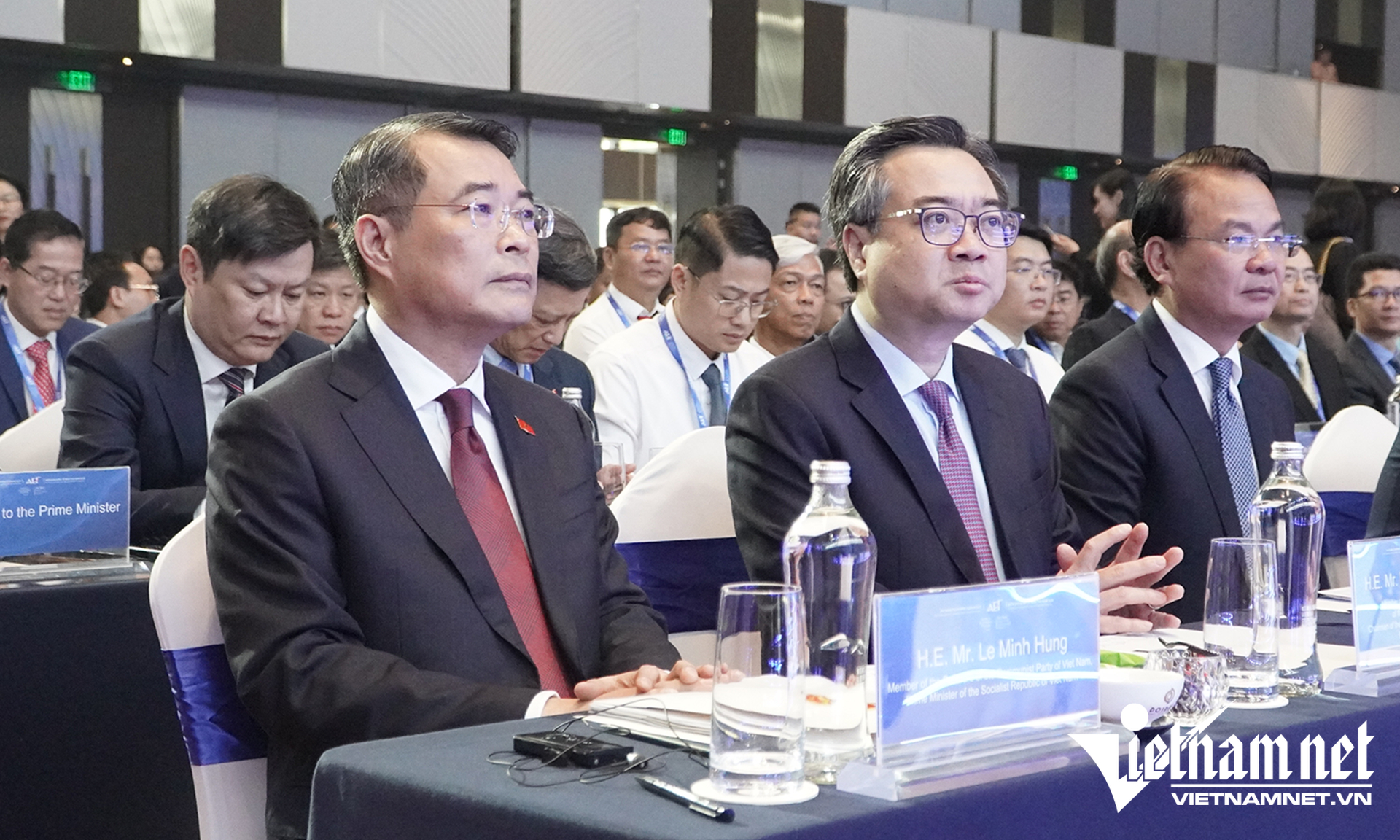
At the forum, Prime Minister Le Minh Hung outlined four priorities for discussion and cooperation with the WEF and international partners.
The first is to promote co-innovation partnerships between multinational corporations and Vietnamese localities and businesses.
Such partnerships would enable international companies and domestic enterprises to collaborate more closely in research, innovation and the development of new solutions.
The second priority is for the WEF and its partners to support Vietnam in training digital talent and developing expertise in advanced scientific and technological fields.
These programs would help Vietnamese businesses and workers strengthen their ability to absorb, apply and master new technologies.
Third, the Prime Minister proposed exploring regulatory sandbox mechanisms for strategic technologies, creating frameworks in which emerging technologies could be tested and developed.
The fourth priority is to expand cooperation in mobilizing medium- and long-term financing for development.
Hung said the Vietnamese government hopes that, with continued support from the WEF and international partners, the Autumn Economic Forum will become a platform for building connections and advancing practical initiatives and cooperation programs that deliver tangible, lasting results.
Reaffirming the government's commitment to implementation, he pledged clear accountability and concrete follow-up measures.
"For every feasible proposal, we will designate a clear focal point responsible for handling it. Every promising project will have a specific implementation roadmap, and every legitimate obstacle will be assigned to the appropriate agency or individual for timely resolution," he said.
Concluding his address, Hung emphasized that future prosperity would not necessarily belong to countries possessing the greatest resources or the most advanced technologies.
Rather, he said, success would depend on the ability to connect resources and unleash creativity for the common good.
"Vietnam stands ready to cooperate for shared development, share for shared development, innovate to create value, and act for a future of peace, stability and prosperity," the Prime Minister said.
Vietnam's economic performance in 2026
During the first nine months of 2026, Vietnam maintained strong economic growth alongside macroeconomic stability, controlled inflation and balanced major economic indicators.
GDP grew by 9.01%, the highest rate recorded since 2011.
Total import-export turnover exceeded $987 billion, an increase of more than 30% compared with the same period last year, and is projected to surpass $1.1 trillion for the full year.
In October alone, Vietnam recorded a trade surplus of more than $5.7 billion.
Registered foreign direct investment reached $50.36 billion, up 76.4%, while disbursed FDI totaled $21.07 billion, an increase of 12.1%.
Total social investment during the first nine months exceeded $120 billion, rising 15.1% year on year.
Vietnam ranked 43rd among 139 economies in the 2026 Global Innovation Index.
The country also ranked first globally in the share of high-tech exports and the share of creative goods exports in total merchandise trade.
In July 2026, Vietnam officially joined the group of upper-middle-income economies.
Phuoc Sang - Thu Ha

