 Vietnamnet.vn

 Podcast



Banned activities include spreading misinformation and violating privacy
The law explicitly bans the dissemination of content on cyberspace that is deemed to oppose the State of Vietnam. This includes propaganda that distorts or defames the government; psychological warfare; inciting invasion or hatred between ethnicities, religions, and nations; and insults to the national flag, emblem, anthem, or historic figures.
Also prohibited are acts of historical distortion, denial of revolutionary achievements, undermining national unity, religious insults, and any form of gender or racial discrimination. The law strictly forbids fabricating or spreading false information that harms the dignity, honor, or legal rights of individuals or organizations.
It further bans false or misleading information related to products, goods, currency, bonds, securities, and other financial instruments. This also includes false claims in the sectors of banking, e-commerce, multi-level marketing, and stock trading.
The unauthorized collection, trading, or intentional exposure of state, business, or personal secrets - especially private life or family matters - if done in a way that affects personal dignity or legal rights, is also prohibited.
Additionally, the law forbids unauthorized eavesdropping, audio or video recording of digital conversations, revealing details about civil cryptographic products and their users, or selling cryptographic tools of unclear origin.
Ministry of Public Security takes the lead in cybersecurity governance
The law designates the Ministry of Public Security as the lead agency in charge of state cybersecurity management. It will be responsible for crafting strategies, policies, and action plans to protect national cybersecurity, including the research, development, and deployment of security-grade cryptography for data protection.
The Ministry is also authorized to require telecom, internet, and online service providers to remove illegal content from their platforms. It is tasked with safeguarding information security and data integrity in cyberspace, creating mechanisms to manage IP address identity, verifying account registration data, and issuing warnings about potential threats.
Furthermore, the Ministry will lead efforts to prevent and counter acts that use cyberspace to undermine national sovereignty, security, public order, and to combat cybercrime.
Global cooperation needed to protect cyberspace
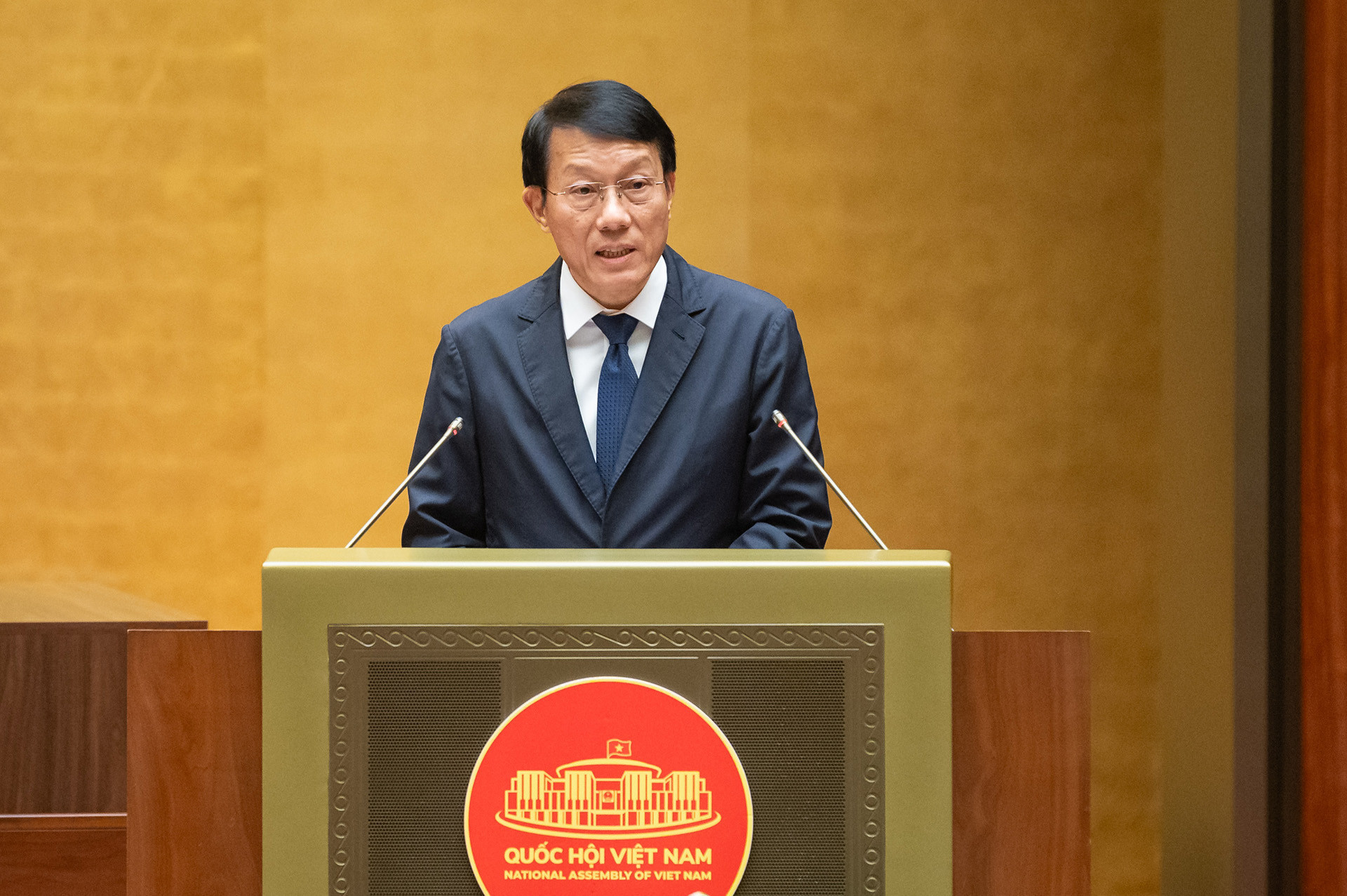
Before the vote, General Luong Tam Quang, Minister of Public Security, addressed the National Assembly, highlighting that cybersecurity and the fight against cybercrime have become global challenges.
While cyberspace connects humanity, he noted, the absence of unified global and national regulations increases security risks that impact both economic development and national security.
The Minister emphasized that no country can secure cyberspace alone. He called for stronger international cooperation in sharing information and coordinating joint cybersecurity responses.
Tran Thuong
.svg)
