 Vietnamnet.vn

 Podcast



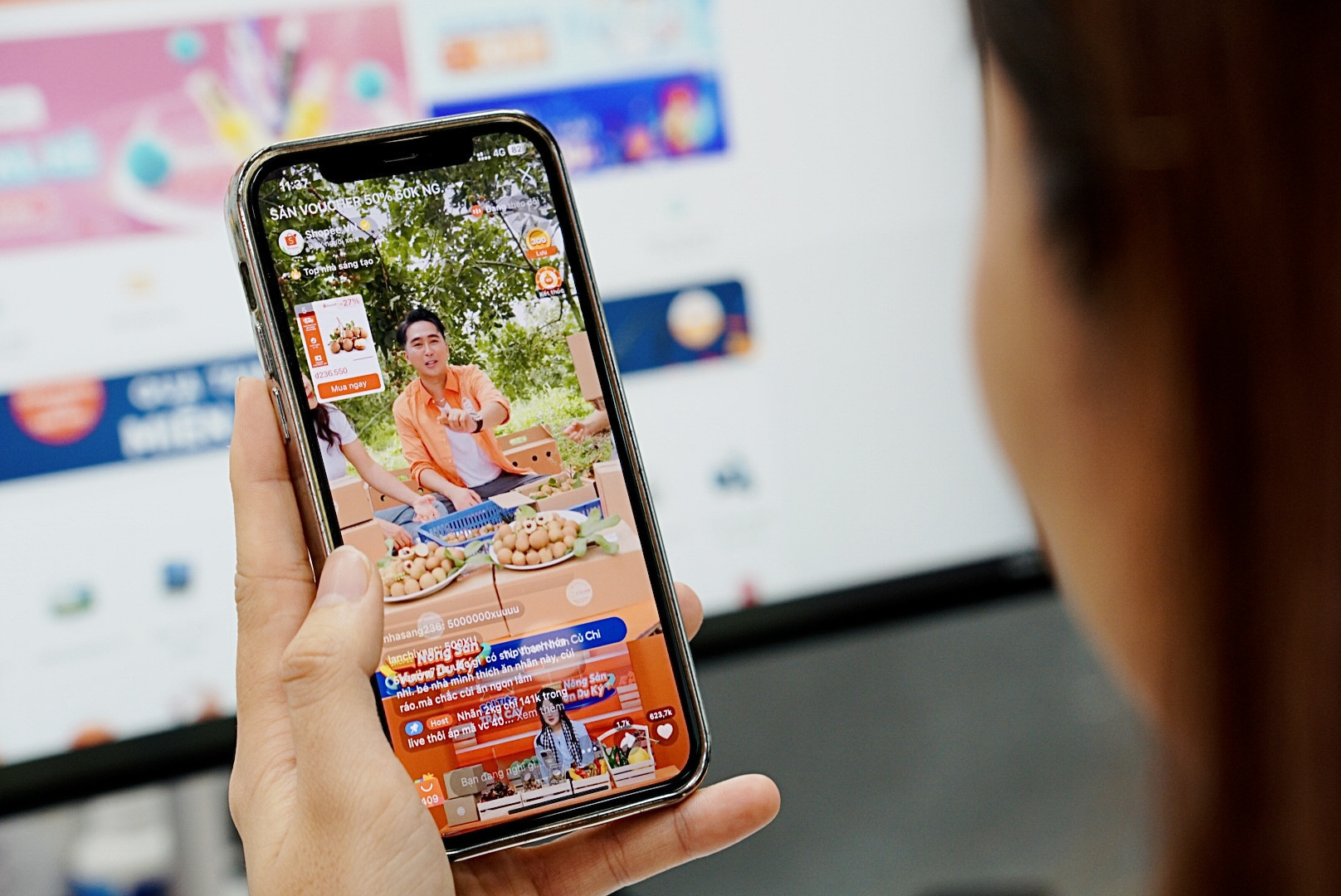
Affiliate marketing income subject to 5% personal income tax
Vietnam's Tax Department has issued an official guidance letter to the Department of E-commerce and Digital Economy under the Ministry of Industry and Trade and TikTok Shop Vietnam Co., Ltd., clarifying tax obligations for individuals providing digital content and affiliate marketing services through e-commerce platforms.
The guidance follows a request received by the E-commerce Tax Sub-department concerning the declaration, withholding and payment of taxes on income earned from affiliate marketing activities.
According to the Tax Department, individuals receiving income under employment contracts or collective labor agreements signed with organizations or individuals paying that income, in accordance with labor regulations, are considered to be earning salaries or wages.
In such cases, the organizations or individuals making the payments are responsible for withholding, declaring and paying personal income tax (PIT) as required by law.
By contrast, individuals who create digital content, promote products or engage in affiliate marketing on e-commerce and other digital platforms, and receive payments from platforms or brands through independent business activities rather than employment, are considered to be earning business income.
Accordingly, household businesses and individual business operators must register for tax, file declarations and fulfill their payment obligations under Decree No. 68/2026/ND-CP and Decree No. 141/2026/ND-CP.
Regarding the applicable personal income tax rate, the Tax Department cited provisions of the E-commerce Law defining affiliate marketing services as the promotion of goods or services through links, referral codes or similar methods connected to e-commerce platforms.
Affiliate marketing activities on e-commerce platforms therefore fall under the tax category covering the provision of digital information content products and services, including entertainment, video games, digital films, digital photographs, digital music and digital advertising.
Under Point dd, Clause 3, Article 7 of Personal Income Tax Law No. 109/2025/QH15, the applicable personal income tax rate for this category is 5%.
TikTok Shop responsible for withholding and remitting taxes
Regarding the tax responsibilities of platform operators, the Tax Department referred to Article 43 of Decree No. 252/2026 in outlining TikTok Shop's obligations.
Under the guidance, if TikTok Shop operates an e-commerce platform equipped with both online ordering and payment functions, it is responsible for withholding taxes, filing tax declarations on behalf of household businesses and individual business operators, and remitting the withheld amounts to the tax authorities.
The Tax Department also clarified documentation requirements for payments related to affiliate marketing services when businesses seek to deduct those expenses in calculating corporate income tax (CIT).
Under current regulations, business expenses are deductible for corporate income tax purposes if they fully meet the conditions specified in Article 9 of Corporate Income Tax Law No. 67/2025/QH15 and Clause 1, Article 9 of Decree No. 320/2025.
For companies purchasing affiliate marketing services from household businesses or individual business operators, service providers with annual revenue exceeding VND1 billion (approximately $38,600) are required to register for invoice issuance.
Companies must use invoices issued by these household businesses or individual operators as supporting documentation when recording deductible expenses for corporate income tax purposes.
Where a business purchases goods or services from household businesses or individual operators whose revenue falls below the value-added tax threshold, the expense documentation must include proof of payment in accordance with accounting and invoicing regulations.
It must also include a purchase statement for goods or services, signed by the company's legal representative or an authorized person, who assumes responsibility for the document.
For purchases of goods or services totaling VND5 million (approximately $193) or more per day from each household business or individual operator, payments must be made through non-cash methods.
In addition, when goods or services are provided through e-commerce platforms, sellers have the right to request information from platform operators about buyers, relevant transactions, delivery times and confirmation of completed orders on the system, allowing them to issue electronic invoices in accordance with regulations.
Operators of e-commerce and digital platforms are responsible for providing this information so that sellers can issue electronic invoices as required under Decree No. 254/2026.
Nguyen Le
.svg)
