 Vietnamnet.vn

 Podcast


Vietnam's Ministry of Health has sought to clarify proposed amendments to the country's tissue and organ donation legislation following public concern over provisions involving people under 18 and the inclusion of children in consultations on the draft law.
The proposed amendments to the Law on Donation, Removal and Transplantation of Human Tissues and Organs, and Donation and Recovery of Cadavers distinguish between donations made while a person is alive and those made after death.
According to the ministry, these are fundamentally different circumstances, with separate medical requirements and legal safeguards.
The clarification follows several days of discussion on social media, where parents questioned why children aged seven to under 18 had been invited to provide feedback on legislation involving organ donation.
Healthcare facilities across Vietnam published notices seeking public comments on the draft, including from children in that age group, during a consultation period running from October 12 to October 21.
The Department of Medical Services Administration, which is leading the drafting process, said the consultations were intended to ensure that the legislation reflects practical needs, supports the development of transplantation services and encourages public participation in lawmaking.
However, some parents expressed concern that children might not fully understand the medical, legal and ethical implications of organ donation.
H.L., a Ho Chi Minh City mother with two children attending primary and secondary schools, said such concerns were understandable because tissue and organ donation involves questions of life, bodily integrity, family beliefs and medical ethics.
Another parent, Quynh Anh, argued that children's right to protection and parents' decision-making responsibilities must be respected.
She said consultations involving children should not take place without parental supervision, particularly given public anxiety about kidnapping and illegal organ trafficking.
The Ministry of Health said the draft legislation had been developed in accordance with established legislative procedures and that children's safety, rights and best interests must remain the overriding priority.
What would children under 18 be allowed to donate?
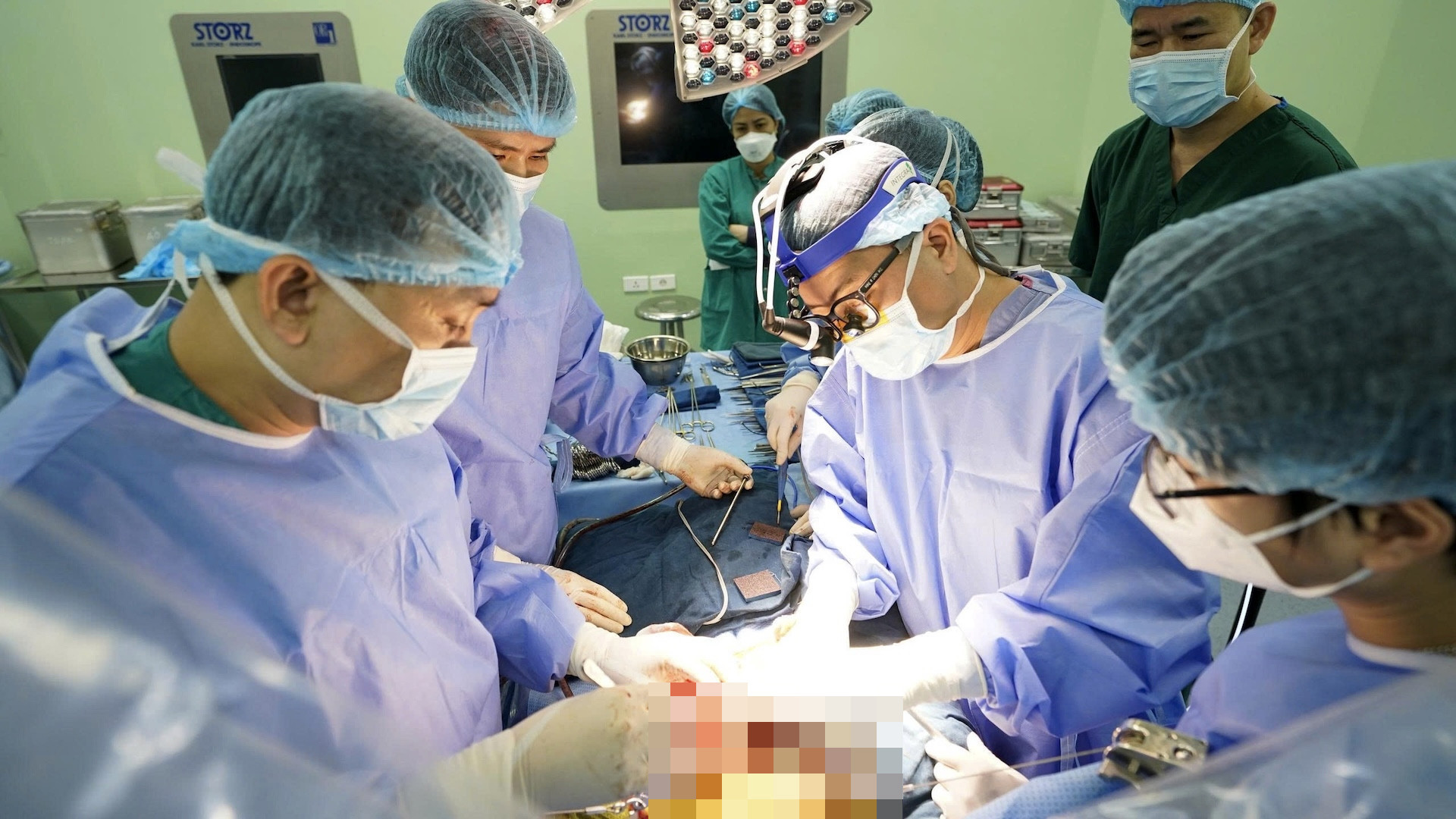
Vietnam currently regulates organ and tissue donation under legislation that took effect in 2007.
After nearly two decades of implementation, the Ministry of Health has identified several shortcomings, particularly concerning donor age requirements.
Under the existing law, people under 18 cannot register to donate tissues or organs after death.
The ministry also considers the current provisions inadequate in certain areas, including age requirements for blood donation and safeguards against illegal organ trafficking disguised as donations by living adults.
The proposed amendments seek to address these issues while establishing distinct rules for living and deceased donors under 18.
For living donors, the draft would permit minors to donate only regenerative tissue, such as hematopoietic stem cells, and only under strictly defined circumstances.
Those aged 15 to under 18 could donate regenerative tissue to a family member when no suitable adult donor is available.
Children under 15 could donate such tissue only to a parent or biological sibling, again provided that no compatible adult donor is available.
In all cases, the child would have to be medically fit, receive independent counseling and agree to the donation. Consent from a parent or legal guardian would also be required.
The draft continues to prohibit the removal of healthy organs, including kidneys, livers, hearts and lungs, from living donors under 18.
The Ministry of Health stressed that the proposed changes must not be interpreted as permission to remove organs from living children for transplantation.
Regenerative tissue differs from organs because the body can naturally replenish it after collection.
Professor Tran Minh Dien, Director of the National Children's Hospital, explained that hematopoietic stem cells can be collected from bone marrow or peripheral blood and used to treat serious diseases.
These include leukemia, bone marrow failure, severe thalassemia and congenital immune deficiencies.
Unlike the removal of a kidney or liver, hematopoietic stem cells can regenerate after being collected using appropriate medical techniques.
In some families, a younger sibling may be the most compatible stem cell donor for an older brother or sister with a life-threatening condition.
Dien described the proposed provisions as scientifically grounded and humanitarian in purpose.
"Allowing children aged 15 to under 18 to donate regenerative tissue does not mean allowing the removal of healthy kidneys, livers or other organs from living children for transplantation into other people," he emphasized.
Organ donation after death would require strict safeguards
The draft also proposes allowing tissue and organ donation from people under 18 after brain death or circulatory death.
According to the Ministry of Health, organ recovery could only be considered after an independent medical council had formally confirmed death in accordance with professional standards and legal requirements.
The child must also have registered or expressed a wish to donate before death, and the donation must receive consent from a parent or legal guardian.
Under the proposed provisions, people under 18 could register as donors with written parental or guardian consent.
They would be entitled to amend or cancel their registration at any time.
Dien emphasized that a patient in a deep coma is not necessarily brain-dead, making accurate medical determination essential.
He called for clear regulations to prevent confusion between organ donation after death and organ removal from living children.
He also urged lawmakers to establish independent counseling and oversight mechanisms to ensure that minors are properly informed, can express their wishes freely and are protected against coercion.
Specific guidelines should identify which regenerative tissues minors may donate, how their physical and psychological health should be assessed, and what post-donation medical care and monitoring must be provided.
The legislation must also clearly define the responsibilities of healthcare providers and independent supervisory bodies, he said.
Thousands of transplants performed, but children still face long waiting lists
Vietnam began performing organ transplants in 1992 and has since completed more than 11,200 transplantation procedures involving organs and body parts, including kidneys, livers, hearts, lungs, pancreases and penises.
Transplantation has saved many children, including patients barely one year old, through donated hearts, kidneys and livers.
Nevertheless, the demand for pediatric transplants remains substantial.
Associate Professor Pham Duy Hien, Deputy Director of the National Children's Hospital, told VietNamNet that 65 children are currently awaiting liver transplants at the hospital.
Of those, 25 urgently need a suitable donor organ.
The hospital also faces considerable demand for kidney transplants.
At Children's Hospital 2 in Ho Chi Minh City, hundreds of pediatric patients with end-stage chronic kidney disease are awaiting transplantation.
Dien said many children with end-stage heart, kidney and liver disease do not survive long enough to receive a suitable organ.
Transplants from adult donors can also present significant challenges for younger recipients because of differences in organ size and blood vessel dimensions.
The Ministry of Health said organs and tissues donated by deceased donors under 18 may offer anatomical and size-related advantages when transplanted into children.
Such compatibility could improve transplant outcomes while reducing the costs of postoperative care and recovery.
"If people under 18 donate tissues and organs after brain death or circulatory death, they can offer many other children a chance to live," the ministry said.
It emphasized that the proposed provisions aim to expand treatment opportunities for children with life-threatening illnesses, particularly those who need organs of a suitable size that may be difficult to obtain from adult donors.
The changes would also respect the wishes of minors and their families who want to donate after death, allowing donated organs to help sustain the lives of other patients.
Ministry says draft does not encourage organ donation by children
Responding to public concerns, the Ministry of Health stressed that the draft law is not intended to promote organ donation among children.
Instead, it seeks to establish a strict legal framework that protects minors while allowing carefully regulated donations in circumstances not currently addressed by Vietnamese law.
"The draft does not encourage donation by children. It aims to establish a rigorous legal framework to ensure their safety and rights, providing a basis for considering appropriate donation cases that are not covered by existing legislation," the drafting agency said.
Dien supported the humanitarian objective of expanding access to life-saving transplants but said the proposed safeguards must be explained fully and transparently.
He argued that children must have the right to receive age-appropriate information, express their opinions and participate voluntarily in decisions affecting their bodies.
Any system involving minors must also prevent coercion and ensure that independent professionals assess both the medical and psychological implications of donation.
The Ministry of Health said public participation remains an important part of the legislative process, including feedback on provisions affecting children's rights.
The draft is continuing to undergo review based on comments from National Assembly deputies and the public before being revised and submitted to the National Assembly for approval.
The drafting committee reaffirmed that children's safety, rights and best interests must take precedence throughout the development and implementation of the proposed legislation.
Vo Thu

