 Vietnamnet.vn

 Podcast


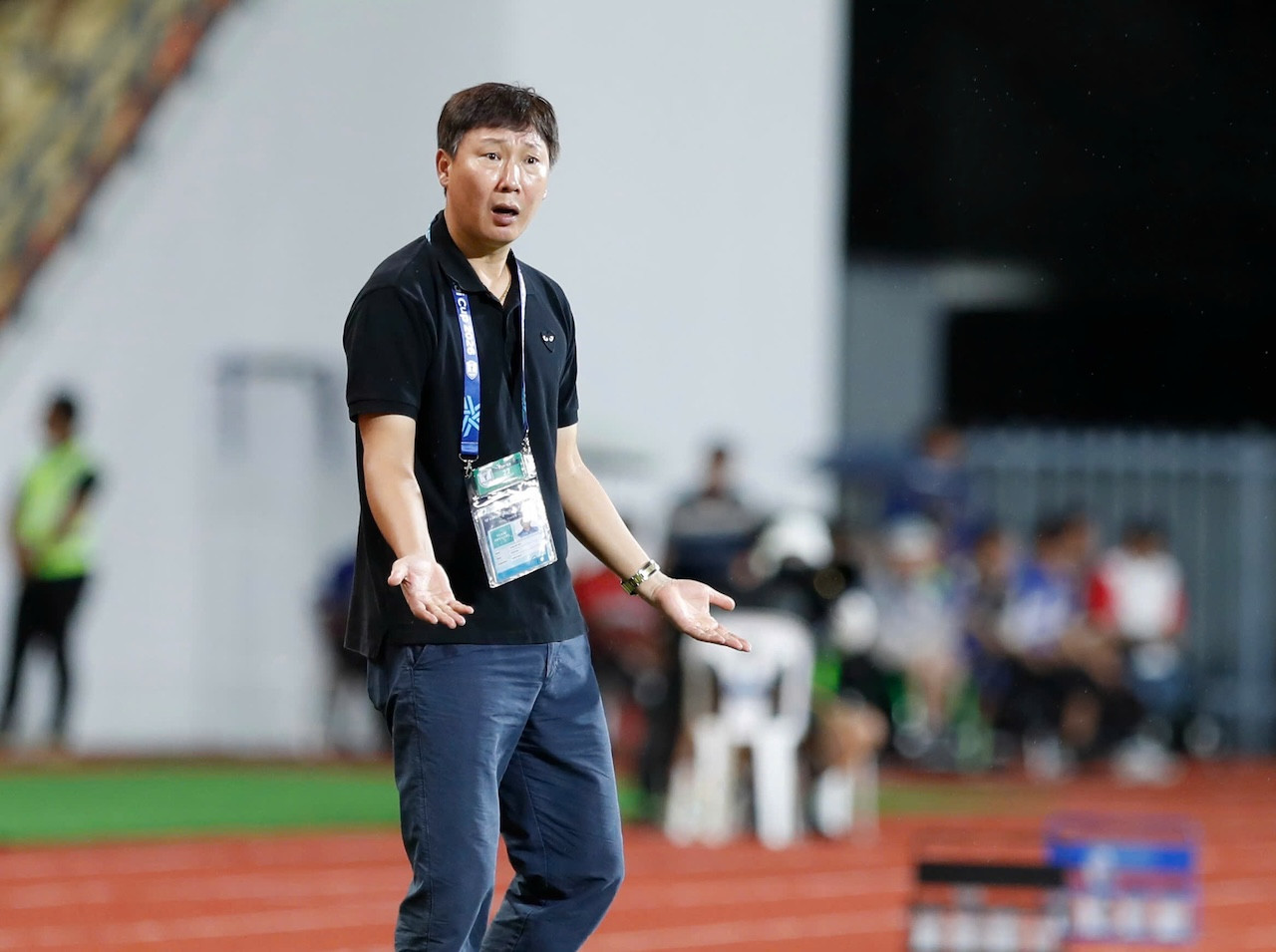
What Kim Sang Sik needs to prioritize
Following an unsuccessful FIFA ASEAN Cup 2026 campaign, Vietnam and head coach Kim Sang Sik are understandably eager to use their upcoming matches against Chinese Taipei and Kyrgyzstan as a springboard for recovery, both in terms of morale and FIFA ranking points.
The desire to return to winning ways is understandable, given the importance of FIFA rankings in international football.
However, placing too much emphasis on immediate results could prove counterproductive when Vietnam still have several weaknesses to address before the 2027 AFC Asian Cup.
What supporters are hoping to see during the next international window is therefore not simply a return to victory.
They also want Kim to make meaningful adjustments to the team's playing style and experiment with different personnel to build a foundation for more sustainable success.
Of course, experimentation does not mean making wholesale changes without a clear plan.
The South Korean coach still needs to maintain a stable core while identifying positions where changes are necessary and determining which alternatives can meet new tactical requirements.
The challenge is to strike the right balance between preserving team cohesion and introducing improvements that will make Vietnam more competitive in the long term.
Making the 2027 Asian Cup campaign different
Chinese Taipei and Kyrgyzstan appear to be manageable opponents for Vietnam, offering opportunities to collect FIFA ranking points and improve or maintain the team's position.
However, the two November friendlies should serve a broader purpose.
Rather than focusing exclusively on results, Kim needs to use these matches to answer specific questions about his squad's capabilities and tactical development.
To achieve that, the South Korean tactician must be willing to evaluate players through meaningful and effective experiments.
Continuing to rely heavily on the established lineup simply to secure victories could mean overlooking opportunities to identify better solutions.
Vietnam certainly still need wins, but results alone should not determine whether the November training camp is considered successful.
A more important measure will be what the team learns and gains from the two matches ahead of the challenges awaiting them at the Asian Cup.
If Vietnam finish the international window with additional ranking points but without improvements in their playing style or more effective personnel options, their preparations for the continental tournament will remain incomplete.
In that scenario, the team's FIFA ranking might improve, but its actual competitiveness would not necessarily follow.
For Kim Sang Sik, the task is therefore twofold: restore confidence through positive results while making the tactical and personnel adjustments needed to ensure Vietnam arrive at the 2027 Asian Cup better prepared.
Duy Nguyen

