 Vietnamnet.vn

 Podcast



According to the Government News portal, the proposal calls for electric three-wheelers to be researched, manufactured and piloted across three groups of activities: urban waste collection and transportation; postal and logistics services; and support for firefighting and street cleaning.
The proposal stems from a need to mechanize certain urban services that still rely heavily on manual methods. In waste collection, vehicles currently used in many areas with narrow alleys remain limited in both carrying capacity and productivity.
In postal and logistics services, the growth of e-commerce and delivery services has also created demand for vehicles that are both maneuverable and capable of carrying goods while remaining suitable for constrained urban transport infrastructure.
For firefighting support, electric three-wheelers are envisioned as highly maneuverable vehicles for use in densely populated residential areas and deep, narrow alleys where conventional fire engines may struggle to reach an incident. The vehicles could be designed to carry equipment for firefighting, rescue operations and initial emergency response.
The Ministry of Public Security said the research is not intended to revive the homemade three-wheeled vehicles used in the past, but rather to develop a new type of vehicle that meets technical safety and environmental protection requirements and is regulated and used within an appropriate scope. The initiative also aligns with efforts to promote green-energy vehicles and domestic electric vehicle manufacturing.
The pilot is expected to be carried out in major cities and densely populated areas with numerous narrow alleys and streets. Authorities will also study potential applications in some island areas, ecotourism destinations and locations developing green tourism.
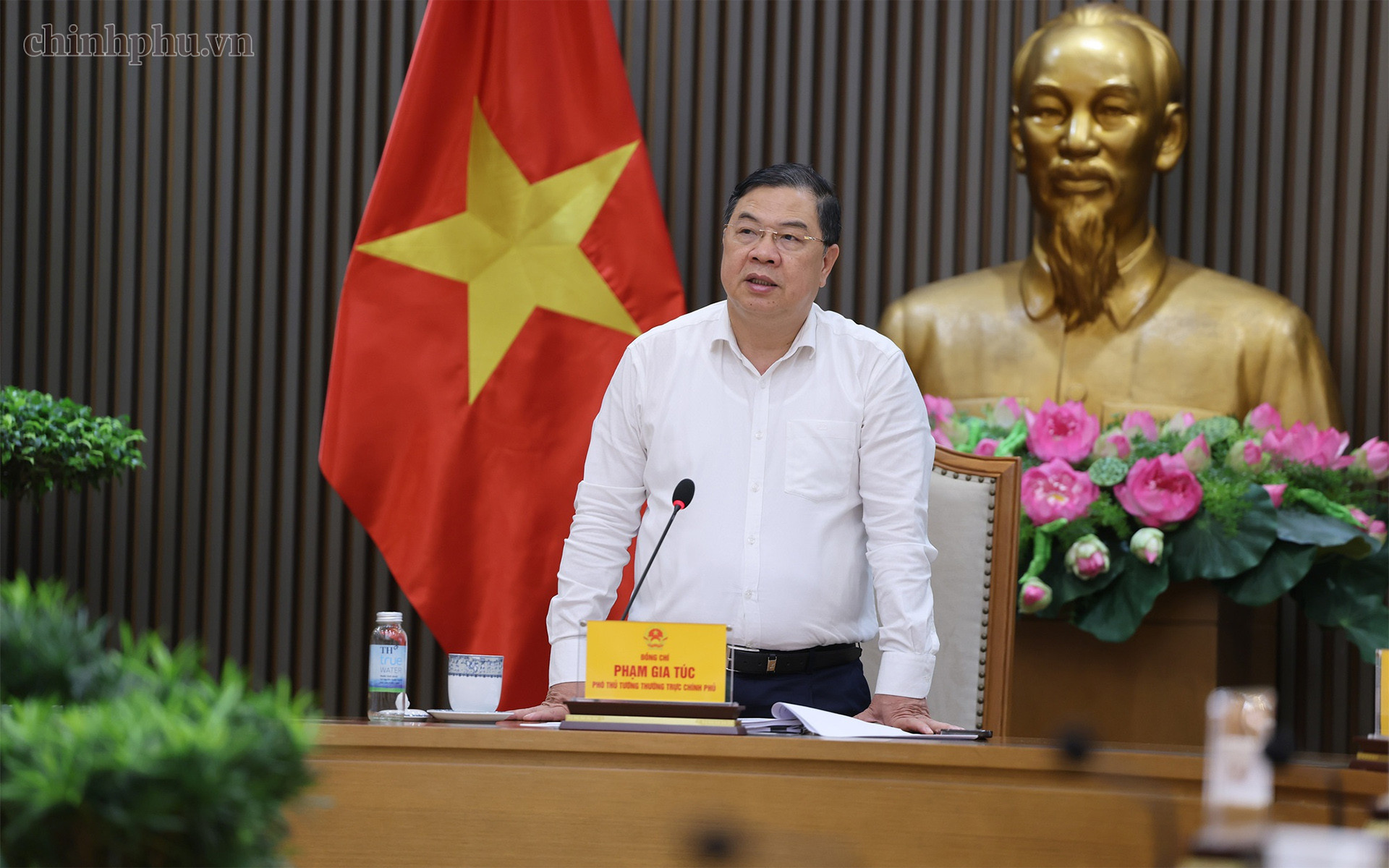
Following discussions at the meeting, Permanent Deputy Prime Minister Pham Gia Tuc said deploying electric three-wheelers for activities such as household waste collection and transportation, postal and logistics services, and firefighting support was necessary. However, he asked the Ministry of Public Security to further clarify several issues before finalizing the proposal.
He said the pilot should prioritize waste collection and transportation. Authorities should also assess actual demand and development trends in the postal and logistics sectors to determine an appropriate scale for the pilot, while considering the vehicles' potential role in firefighting support.
Pham Gia Tuc also called for greater clarity on the feasibility and sustainability of mobilizing private-sector participation in the project. For local waste collection, existing funding mechanisms and the ability of businesses to participate should be taken into account, as private companies involved under such arrangements are not state-run public utility enterprises. Local authorities should also be consulted about their actual needs and ability to use the vehicles.
The Permanent Deputy Prime Minister said the proposal's approach of using no state budget funding and seeking no support mechanisms involving taxes, customs or imports was consistent with the policy of mobilizing non-state resources.
However, the proposal should account for cases where localities already have other waste collection and transportation solutions. It should not impose requirements that force the state to provide funding or compel local authorities to adopt a particular model when they already have more effective alternatives.
Tran Thuong
.svg)
