 Vietnamnet.vn

 Podcast


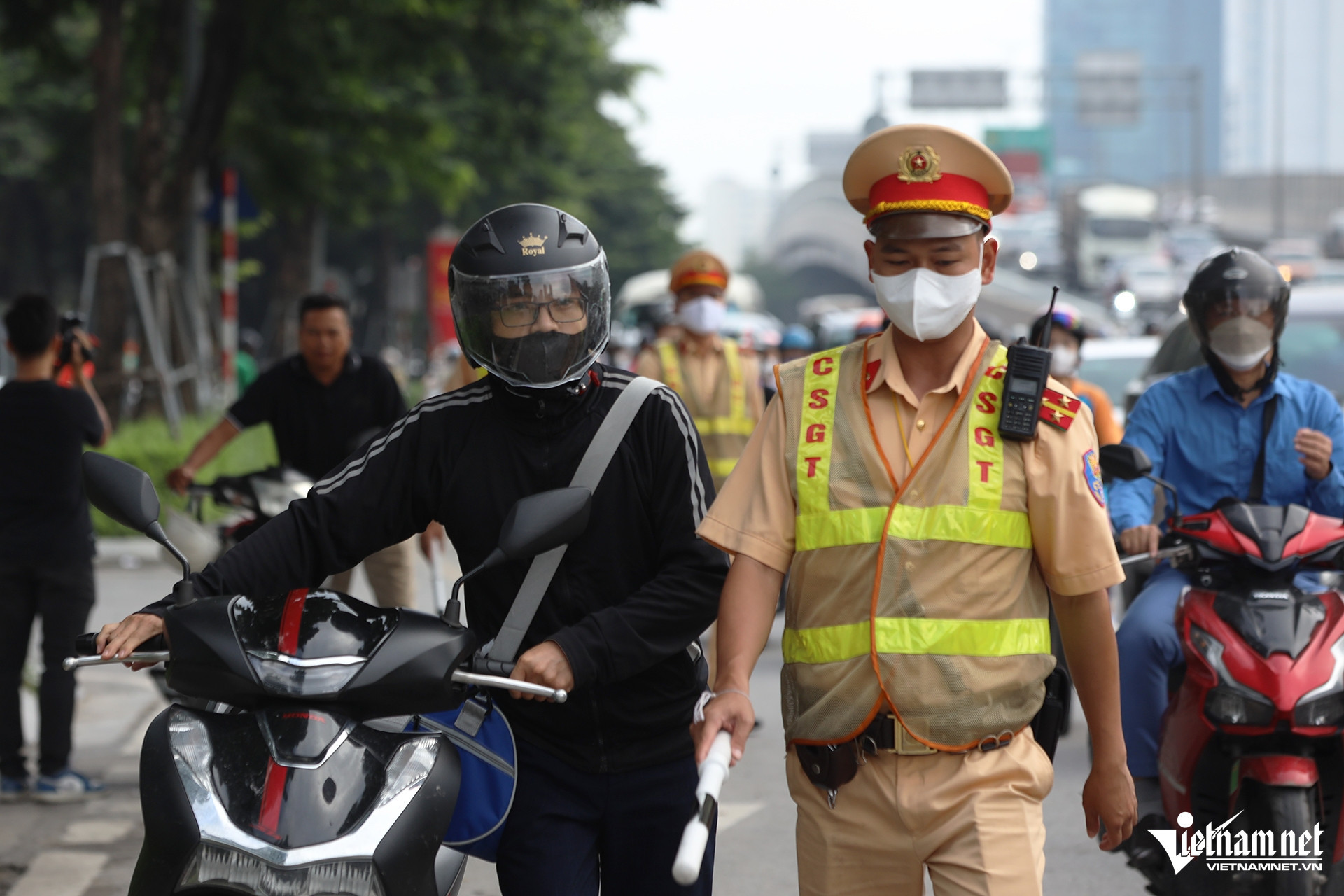
Vietnam's Traffic Police Department under the Ministry of Public Security is considering changes to traffic violation penalties that would take into account the seriousness of offences and whether motorists have previously broken traffic rules.
A department representative said on November 17 that the proposed changes aim to introduce a more differentiated approach to traffic enforcement, ensuring penalties remain strict but are not applied mechanically.
The proposals come as the 16th National Assembly considers draft amendments to the Law on Handling Administrative Violations.
Based on the revised legislation, the Traffic Police Department plans to advise the Ministry of Public Security on submitting a new decree to the Government to replace Decree No. 168/2024.
The proposed decree would distinguish violations according to their nature, severity and potential danger, while considering the number of previous offences when determining appropriate penalties.
Minor traffic violations could receive warnings instead of fines
One area under review concerns violations of traffic light signals.
The Traffic Police Department proposes examining different situations rather than treating all traffic light violations in the same manner.
Motorists who deliberately run red lights after the signal has turned red, cross intersections illegally or enter junctions in ways that obstruct or conflict with other traffic would continue to face strict penalties under existing regulations.
However, authorities are considering a more flexible approach to less serious situations.
These could include vehicles already moving when traffic lights turn yellow and then coming to a stop, or drivers making prohibited right turns at red lights without endangering other road users or obstructing traffic.
The department said such circumstances should be distinguished to avoid rigid enforcement.
Notably, the proposed approach would allow warnings, or warnings combined with driving licence penalty points, for first-time offenders or those committing relatively minor violations that are not direct causes of traffic accidents.
Repeat offenders could face more severe penalties.
Electronic evidence to remain central to traffic enforcement
The Traffic Police Department emphasized that penalties for traffic signal violations must be based on reliable data and electronic evidence.
Authorities must accurately establish the nature and timing of each offence while ensuring enforcement is objective, transparent and publicly accountable.
Motorists who disagree with violations established through electronic evidence may challenge administrative penalty decisions in court in accordance with the law.
According to the department, the primary objective of traffic enforcement is to improve compliance with road safety regulations and prevent accidents, rather than simply collect fines.
Deliberate violations that endanger other road users must continue to be punished strictly, while first-time and less serious offences should be subject to more appropriate measures.
The department stressed that these changes remain policy proposals under consideration and are not yet legally effective.
Any amendments to traffic penalty regulations would need to follow the prescribed legislative procedures and receive approval from the relevant authorities before implementation.
Dinh Hieu

