 Vietnamnet.vn

 Podcast


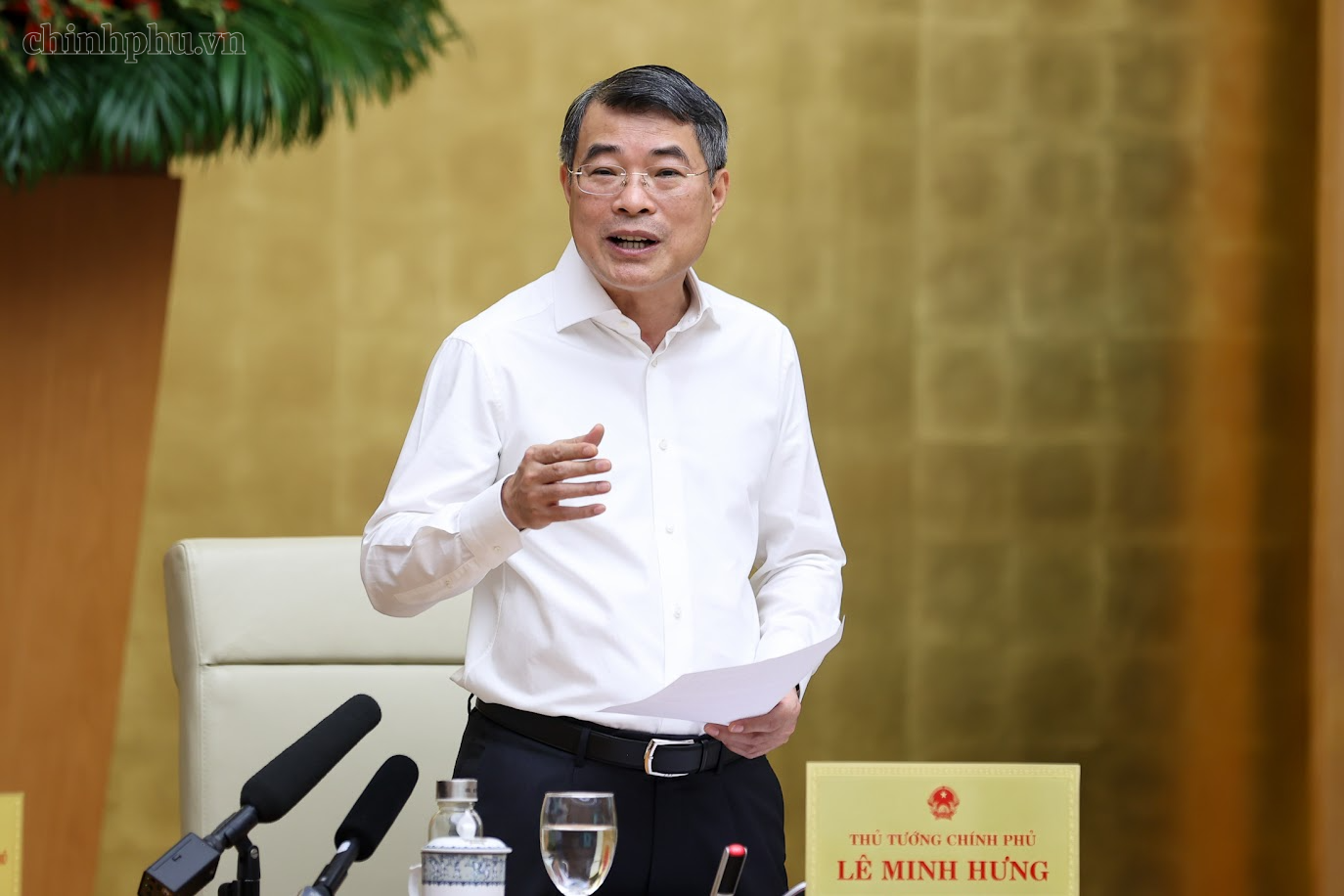
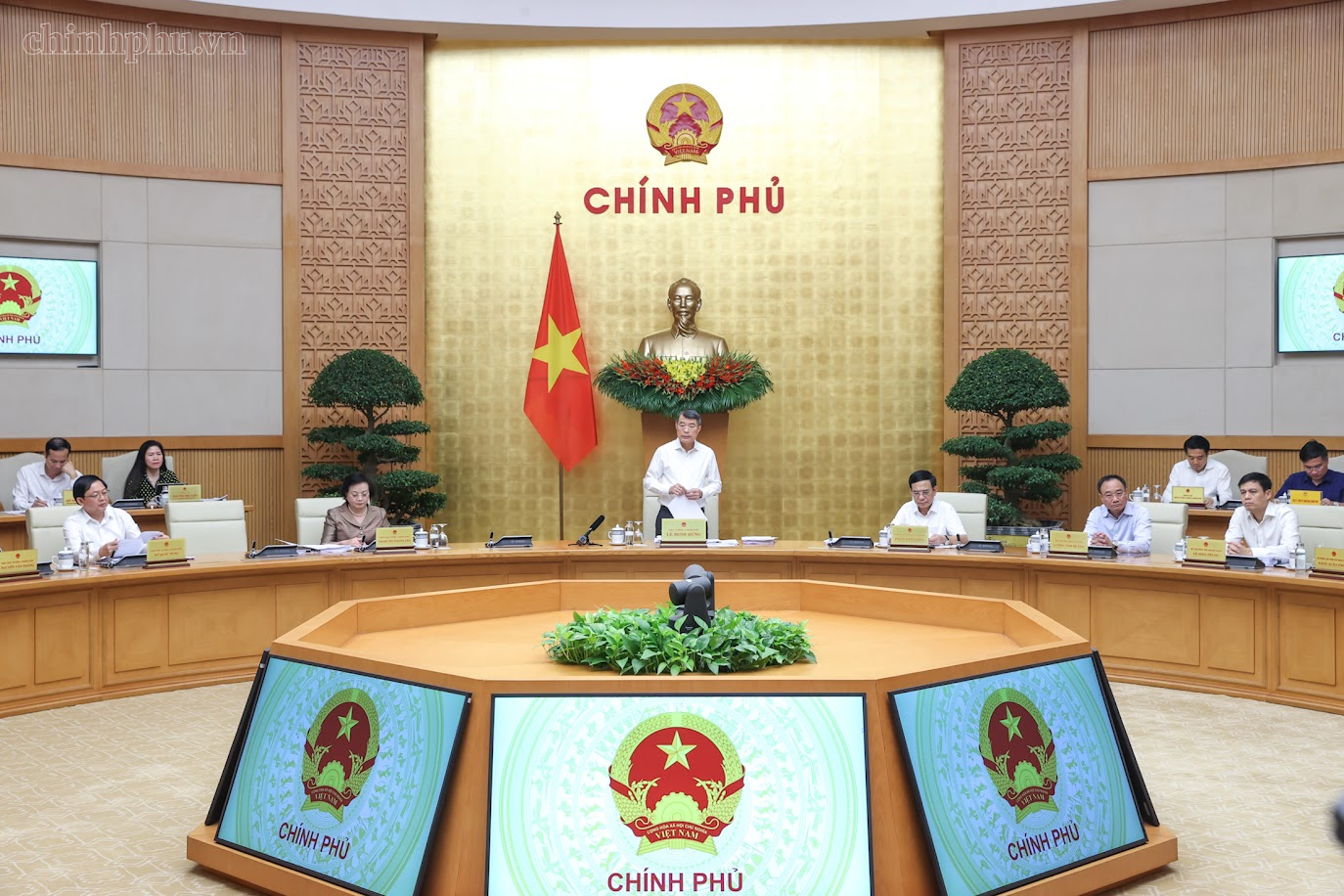
Prime Minister Le Minh Hung chaired the government's regular October meeting, reviewing Vietnam's economic performance and outlining key priorities for the final two months of 2026.
According to the Government News Portal, cabinet members discussed socioeconomic developments in October and the first 10 months of the year, the government's policy implementation, progress on assigned tasks and measures needed to meet year-end targets.
As part of its price management efforts, the government reduced electricity prices by 2% from November 1.
It also lowered the special consumption tax on gasoline to 0% from November 1, 2026, through March 31, 2027.
The tax reduction has brought domestic gasoline prices down by VND1,575-1,804 per liter (approximately $0.06-0.07), while the resulting decline in state budget revenue is estimated at VND7.67 trillion ($291 million).
Vietnam's macroeconomic conditions have remained stable, with inflation under control and major economic balances maintained.
The consumer price index (CPI) rose 4.57% during the first 10 months of the year. Adequate supplies of gasoline and electricity, together with lower fuel taxes and electricity prices, have helped contain price pressures.
State budget revenue reached nearly VND2.45 quadrillion ($93 billion) during the period, equivalent to 96.4% of the annual target, despite tax and fee exemptions, reductions and payment extensions totaling VND366.6 trillion ($13.9 billion).
Domestic revenue remained positive, while land-related revenue accounted for only around 21% of total state budget collections.
According to the government, these results reflect the underlying strength of the economy.
Monetary policy, exchange rates and interest rates have also been managed proactively and flexibly, with initial reductions in lending rates for production, business activities and priority sectors.
Vietnam maintains double-digit growth target despite inflation risks
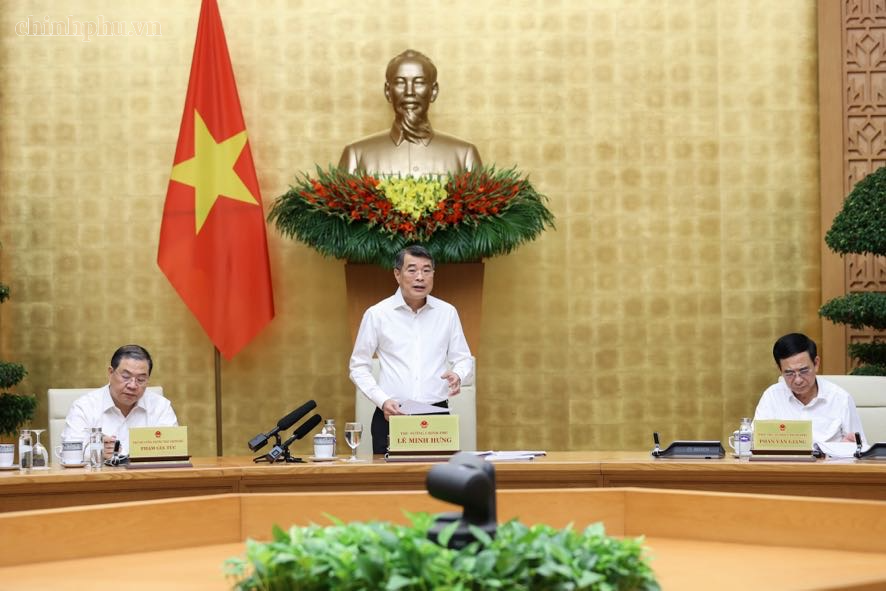
Concluding the meeting, Hung acknowledged the difficulties facing Vietnam as it seeks to control inflation while pursuing double-digit economic growth.
He pointed to low public investment disbursement rates at several ministries, agencies, localities and major projects.
Efforts to resolve long-delayed projects and address surplus public land and property assets in many localities have also been insufficiently decisive, with limited progress.
Nevertheless, the Prime Minister reaffirmed the government's determination to achieve double-digit growth while maintaining macroeconomic stability.
He emphasized the need to strengthen economic fundamentals, particularly by keeping inflation within the target set by the National Assembly.
Inflation control, he said, must receive the highest priority during the final two months of the year.
"If we achieve high growth but fail to control inflation and maintain price stability, the benefits of that growth will not spread throughout the economy or reach businesses and the public," Hung said.
Discussing electricity and fuel prices, the Prime Minister noted that electricity tariffs had finally been reduced after many years, following a thorough assessment of the financial position of state-owned utility Vietnam Electricity (EVN).
He added that fuel tax measures implemented since the beginning of the year had also significantly affected government revenue.
"However, to control inflation, stabilize prices and maintain macroeconomic stability, the state budget must share the burden with the economy, the public and businesses," he said.
The Prime Minister called for stronger price management, market stabilization and inflation control.
He instructed the government's Price Management Steering Committee to work immediately with localities whose 10-month CPI increases exceeded the national average, particularly major cities, to develop targeted measures to contain inflation.
He also urged ministries and local authorities to closely monitor growth scenarios for the remaining months of the year and strive to achieve the highest possible level of the targets already set.
Hung directed authorities to review public investment allocations and transfer funds from slow-moving projects to those capable of faster disbursement, with the goal of achieving 100% disbursement of the annual public investment plan.
He also called for tighter control over the number of investment projects to concentrate resources on those with significant economic spillover effects and essential infrastructure needs.
Vietnam considers local inflation targets from 2027
The Prime Minister assigned the Ministry of Finance to closely monitor price developments, regularly update inflation scenarios and introduce appropriate price management measures.
The ministry was instructed to accelerate research and implementation of value-added tax reforms and improvements to tax administration.
It must also propose assigning CPI control targets to local authorities beginning in 2027.
In addition, the ministry was asked to develop measures to support businesses and the broader economy through tax and fee policies, improve the business environment, simplify administrative procedures and maximize savings in recurrent government spending.
Public investment portfolios and individual projects must also undergo careful review to ensure efficient use of resources.
The Ministry of Industry and Trade was instructed to proactively balance supply and demand and ensure uninterrupted supplies of essential goods, particularly gasoline and electricity.
It must promptly report proposed revisions to the eighth National Power Development Plan (PDP8) under streamlined procedures.
The ministry was also directed to finalize a decree governing petroleum trading and submit it to the government within November.
The proposed regulations should minimize unnecessary intermediaries and reduce distribution costs.
Meanwhile, the Ministry of Health must develop specific measures to eliminate unnecessary intermediaries in the procurement and supply of medicines and medical equipment.
It must also fulfill its role as the coordinating authority for food safety management, develop healthcare stations in border communes and strengthen grassroots healthcare capacity.
The Ministry of Home Affairs was tasked with coordinating with ministries, agencies and local authorities to improve job-position frameworks across the public sector.
It must also develop and finalize a draft resolution establishing special mechanisms and policies for attracting and managing talented personnel.
Tran Thuong

