 Vietnamnet.vn

 Podcast


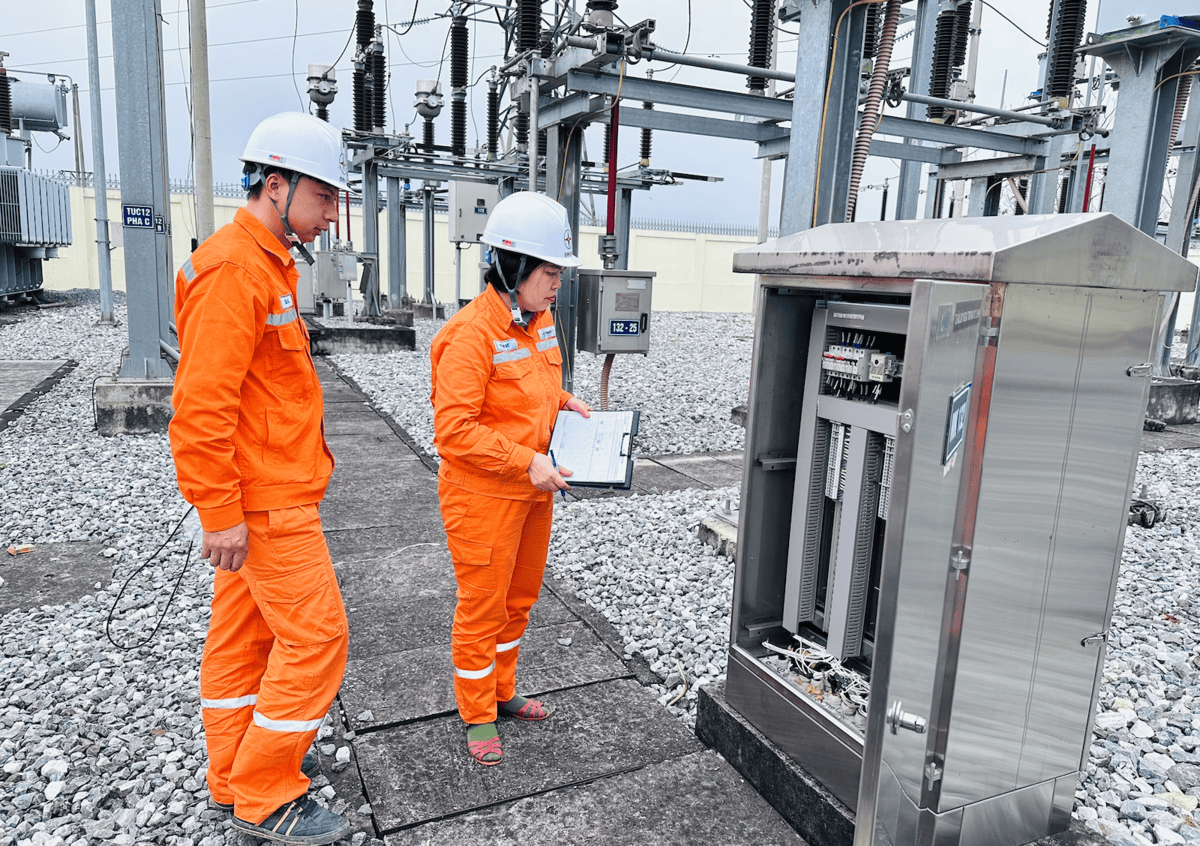
Upon adoption, electricity bills for around 94 percent of households are expected to decrease compared to current rates.
Currently, retail residential electricity prices follow a 6-tier progressive scale under Decision No. 1279/QD-BCT dated May 9, 2025.
Tier 1 covers 0–50 kWh at 1,940 VND/kWh; Tier 2 covers 51–100 kWh at 2,050 VND/kWh; Tier 3 covers 101–200 kWh at 2,380 VND/kWh; Tier 4 covers 201–300 kWh at 2,998 VND/kWh; Tier 5 covers 301–400 kWh at 3,350 VND/kWh; and Tier 6 applies to 401 kWh and above at 3,460 VND/kWh.
Under Decision No. 14/2025/QD-TTg dated May 29, 2025, the progressive pricing structure was condensed from 6 tiers down to 5 tiers.
Although the decision took effect on May 29, 2025, the 5-tier structure has not yet been applied in practice due to a transitional clause. As a result, retail electricity tariffs have remained unadjusted since Decision No. 14 came into force.
To resolve this bottleneck, MOIT is collecting feedback from ministries and agencies to amend and supplement several articles of Decision No. 14/2025 regarding the retail electricity tariff structure.
In its draft proposal, MOIT suggests repealing Article 6 (the transitional clause) of Decision No. 14/2025, along with the condition tying the rollout of the new pricing structure to the timing of average electricity price adjustments. Once the amending decision takes effect, MOIT will issue specific electricity prices for each customer group under the new framework to be applied simultaneously.
Accordingly, instead of the existing 6 progressive tiers, retail electricity prices for residential consumers will feature 5 tiers with gradually increasing rates:
Specifically:
Tier 1 (0–100 kWh): priced at 90 percent of the current average retail electricity tariff;
Tier 2 (101–200 kWh): priced at 108 percent;
Tier 3 (201–400 kWh): priced at 136 percent;
Tier 4 (401–700 kWh): priced at 162 percent;
Tier 5 (701 kWh and above): priced at 180 percent.
In its draft report, MOIT emphasized that transitioning to the new pricing structure does not constitute an adjustment to the average retail electricity price itself, which remains unchanged at 2,204.07 VND/kWh. However, the exact bill amount for individual households will shift due to the reconfigured tier boundaries.
MOIT also evaluated the impact of the new 5-tier structure on residential electricity consumers.
Specifically, Decision No. 14/2025 streamlines residential consumption brackets to 5 tiers and re-engineers consumption thresholds compared to Decision 28/2014. Under this structure, retail tariffs for consumption brackets between 401–700 kWh and above 701 kWh are set higher than current levels.
According to preliminary calculations, residential consumers using less than 777 kWh per month represent roughly 94 percent of total residential customers and account for approximately 73 percent of total residential power consumption.
Under the 5-tier system, electricity bills for this group will decrease compared to current rates, with the largest savings benefiting households consuming 400 kWh per month.
Households consuming 778 kWh per month will pay an amount equal to their current electricity bills.
For households consuming 1,182 kWh per month (the average consumption level among users exceeding 700 kWh/month), electricity bills will increase by nearly 190,000 VND per month compared to present rates.
MOIT highlighted that by immediately applying the new retail tariff structure, consumers using 777 kWh per month or less will pay less, while those consuming over 778 kWh per month will see an increase in their electricity bills.
Consequently, the vast majority of residential consumers will be protected from bill increases, with the cost increment absorbed by high-volume power consumers in the top bracket.
Nationwide, there are over 30 million residential electricity customers. Early implementation of the 5-tier residential electricity tariff has also been recommended by the Committee for Public Petitions and Supervision, which requested that the exact implementation date be clarified so citizens can benefit from the new policy without delay.
Regarding the customers that are institutions, agencies and enterprises, electricity costs for steel manufacturing customers could increase by an average of under 9 percent, while dragonfruit farming customers could experience an increase of under 6 percent.
Because electricity costs account for less than 10 percent of steel production costs, MOIT preliminarily assesses that applying the new peak-hour schedule will not significantly impact businesses' costs, production expenses, or competitiveness.
For dragon fruit farming customers, this customer group can adjust their operational schedule from 7:00 PM – 5:00 AM to 8:00 PM – 6:00 AM the following morning to mitigate the impact of the new peak-hour window, while taking advantage of 6 off-peak hours to reduce electricity expenses.
Tam An

