 Vietnamnet.vn

 Podcast



On October 1, the Fire Prevention, Firefighting and Rescue Police Department said there are now only three administrative procedures in this field handled by police agencies and two handled by commune-level People's Committees.
The number has fallen from 37 procedures previously to nine under the 2024 law, and now to just five.
The change is highly encouraging for businesses that must prepare and complete fire prevention and firefighting procedures before putting factories into operation.
Compliance itself was a challenge
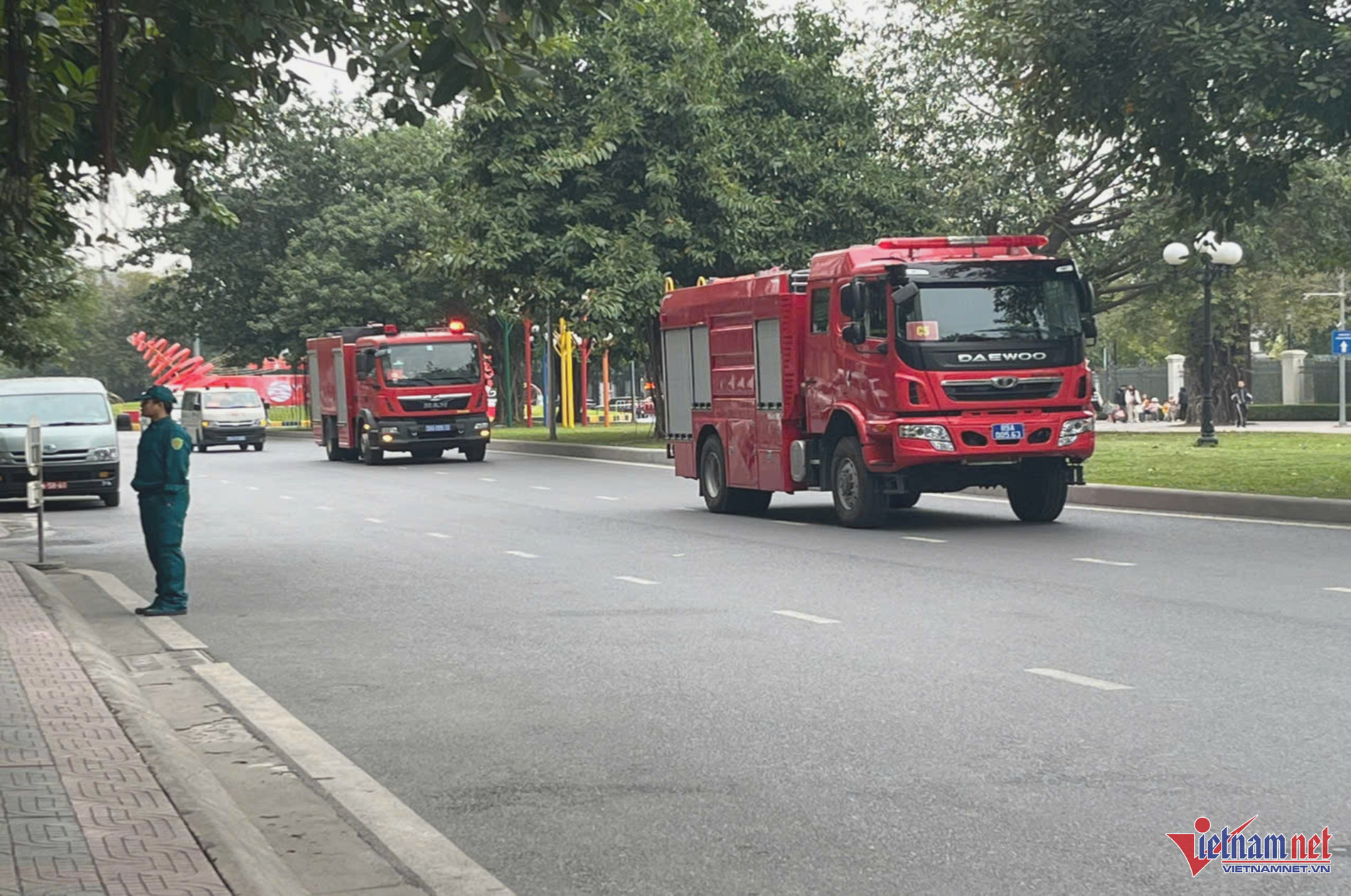
Three years ago, many businesses told VietNamNet that the cost of meeting fire safety requirements was excessively high and, in some cases, compliance was simply impossible. Some facilities had to temporarily suspend operations while attempting to address the problems.
Numerous regulations had changed, transitional arrangements were unclear, and some requirements were effectively impossible to comply with. Investors struggled to determine which rules applied to them, leaving previously planned investments suddenly stalled.
Fire-resistant paint was one particularly contentious example. Many businesses did not even know which type of paint they could purchase to satisfy the requirements.
At the time, fire safety compliance became a major source of anxiety for businesses and individual entrepreneurs. Some had sufficient capital to invest but could not find a way to meet the requirements needed to begin operations.
Orders could be lost while companies waited, with consequences for workers' jobs and incomes.
Regulators take the initiative on reform
The latest reforms continue efforts directed by Prime Minister Le Minh Hung to reduce administrative procedures, business conditions and compliance costs. The Prime Minister's direction has been clear, with paperwork requirements being eliminated.
The authorities responsible for fire prevention and firefighting deserve recognition for their willingness to listen and proactively propose streamlined procedures that make compliance easier for businesses and the public.
However, reducing administrative procedures addresses only part of the burden. Problems involving technical requirements, materials and the application of standards also need to be resolved at the same time.
According to the Fire Prevention, Firefighting and Rescue Police Department under the Ministry of Public Security, technical requirements are being reviewed alongside a partial shift from pre-approval toward risk-based post-inspection. Investors are being given responsibility for organizing some appraisal and approval procedures themselves.
This is a significant change.
Investors are being given greater decision-making authority, but they must also take responsibility for their choices. They need to hire qualified consultants, ensure construction complies with requirements and maintain safety once facilities begin operating.
Regulators, meanwhile, can concentrate their inspection resources on higher-risk facilities.
For this approach to work effectively, guidance must be consistent and clear across localities so investors know from the outset which responsibilities they are authorized to handle themselves.
Insurance could play a bigger role
One expert has suggested using insurance mechanisms to strengthen fire and explosion prevention.
Vietnam already requires compulsory fire and explosion insurance. The role insurers can play in assessing and reducing risks deserves further consideration.
Because insurers must compensate for losses covered by their policies, they have an incentive to identify risks and recommend measures to address them. Facilities that maintain higher fire safety standards should, in turn, be eligible for lower insurance premiums.
For this approach to work, however, insurers' capabilities and claims responsibilities must be properly supervised, while the scope of coverage needs to be clearly explained so buyers understand what protection they are receiving.
Such participation would provide additional resources for prevention. Responsibility for enforcing fire safety laws, however, would remain with state authorities.
Looking back at the factories that were forced to wait three years ago, what businesses wanted was straightforward: a practical way to meet fire safety requirements so they could begin production and commercial operations.
Every month of disruption meant additional costs and greater difficulties for both companies and their workers.
That is why regulators' willingness to listen and proactively make changes today deserves recognition. A factory that can begin operating safely sooner may help a company retain orders while giving workers additional income.
For entrepreneurs who were once caught in regulatory limbo, that is the tangible value of reform.
Tu Giang
.svg)
