 Vietnamnet.vn

 Podcast



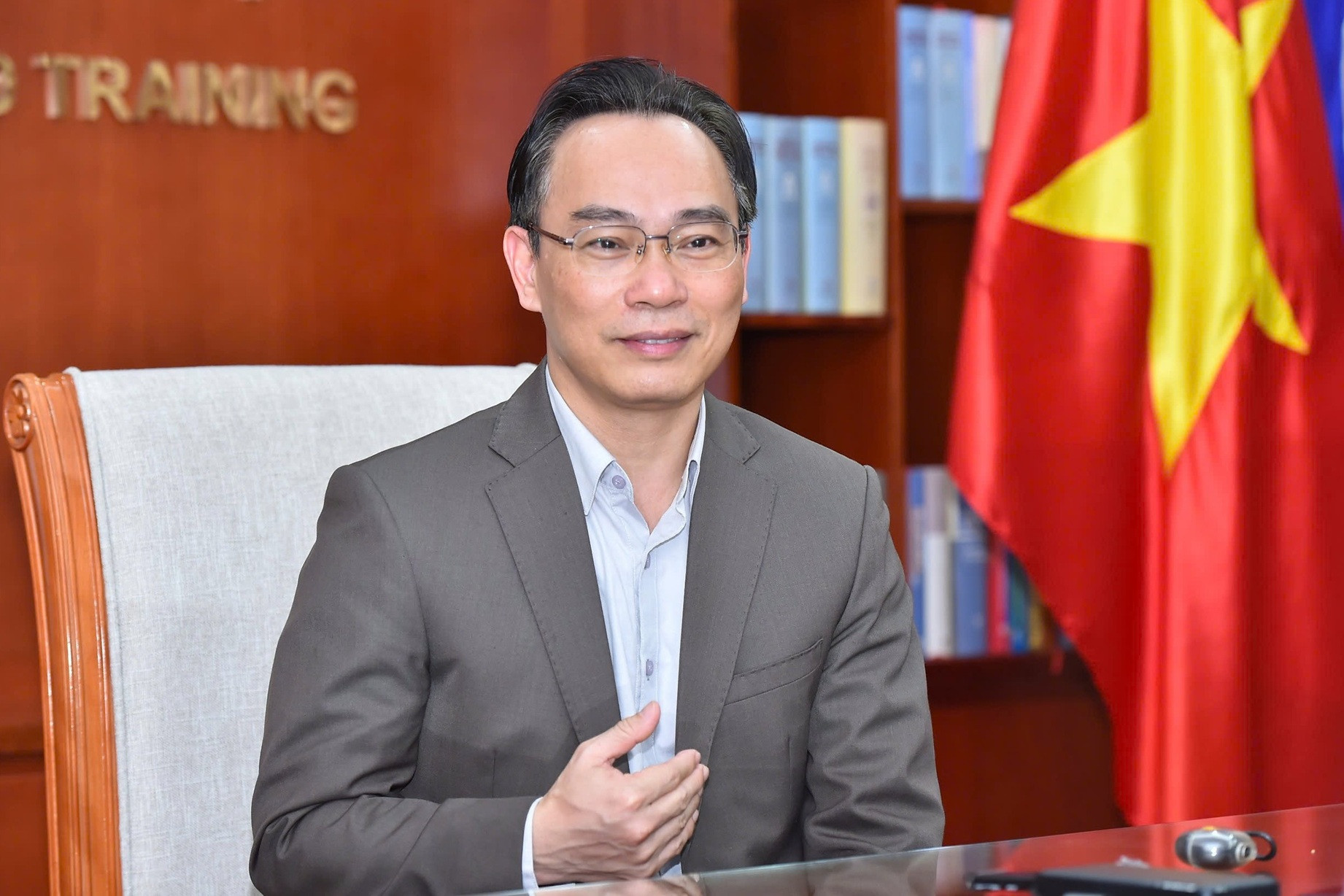

As for the obsession with achievements, when society and families place excessive expectations on grades, it becomes difficult to achieve genuine education. Genuine education must bring real progress to learners rather than simply being measured by scores. Students need to see that their own efforts are producing results for themselves. The same applies to families: expectations should focus on their children’s progress and well-rounded development, rather than merely on grades that push them to compete with their peers or meet their parents’ expectations.
Only with the participation of society as a whole can the education sector fully carry out its responsibilities.
General Secretary and President To Lam recently called for less one-way transmission of knowledge, rote learning, superficial learning and studying merely for exams, and for greater emphasis on self-learning, practice, experience, independent and creative thinking, and problem-solving skills. What measures will the ministry take to implement this direction?
As I said, society as a whole needs to work together to bring education back to its true purpose. If students are to learn for reasons other than exams and grades, they need to understand that they are studying for their own progress rather than simply competing for scores.
For its part, the education sector needs to make major changes to assessment. It is important here to distinguish between “assessment for learning” and “assessment of outcomes.” When each student is assessed to understand where they currently stand, they can determine how they need to learn in order to improve their knowledge, capabilities and personal qualities.
Alongside assessment, teaching and learning methods need to change so that students learn deeply and meaningfully, rather than simply memorizing material to recite in class or pass an exam. Teaching and learning should provide more hands-on experiences instead of focusing only on memorization and completing exercises. Participating in practical activities and a diverse range of experiences can also help students gain stronger knowledge, develop a deeper understanding and build the capabilities they will need for their future development.
Teachers, meanwhile, should not place excessive emphasis on their class’s achievements or their students’ scores. This allows teachers to focus instead on how every student in the classroom can make the greatest possible progress. That reflects a teacher’s dedication, and it is also something the educational environment should always encourage.
As the new academic year begins, what would you like to share about the education sector’s efforts and determination in fulfilling its mission and meeting the country’s expectations in this new stage of development?
Education and training are a cause of the entire people and have always received special attention from the Party, State and society as a whole.
In the new context, the role of education and training is receiving even greater attention, particularly through the direct involvement of the country’s highest Party and State leaders.
The demands placed on education and training are greater, and so are the challenges. This requires the sector to take greater responsibility and show stronger determination and effort to adapt and meet new requirements.
The determination and efforts of the entire sector are reflected in the theme of the new academic year: “Renew thinking, drive strong change, deliver substantive results.”
I believe that with their dedication, professional responsibility and commitment to the sector’s overall development and the progress of learners, our teachers will do everything they can to translate policies and mechanisms into concrete, substantive results.
The changes taking place in every school today will have a profound impact on the development of pupils and students, who represent the country’s human resources, its people and its future. Together with schools, teachers, pupils and students, we will make every effort and remain determined to live up to the special attention and expectations that the Party, State and society as a whole have placed on the education sector.
Thanh Hung
.svg)
