 Vietnamnet.vn

 Podcast



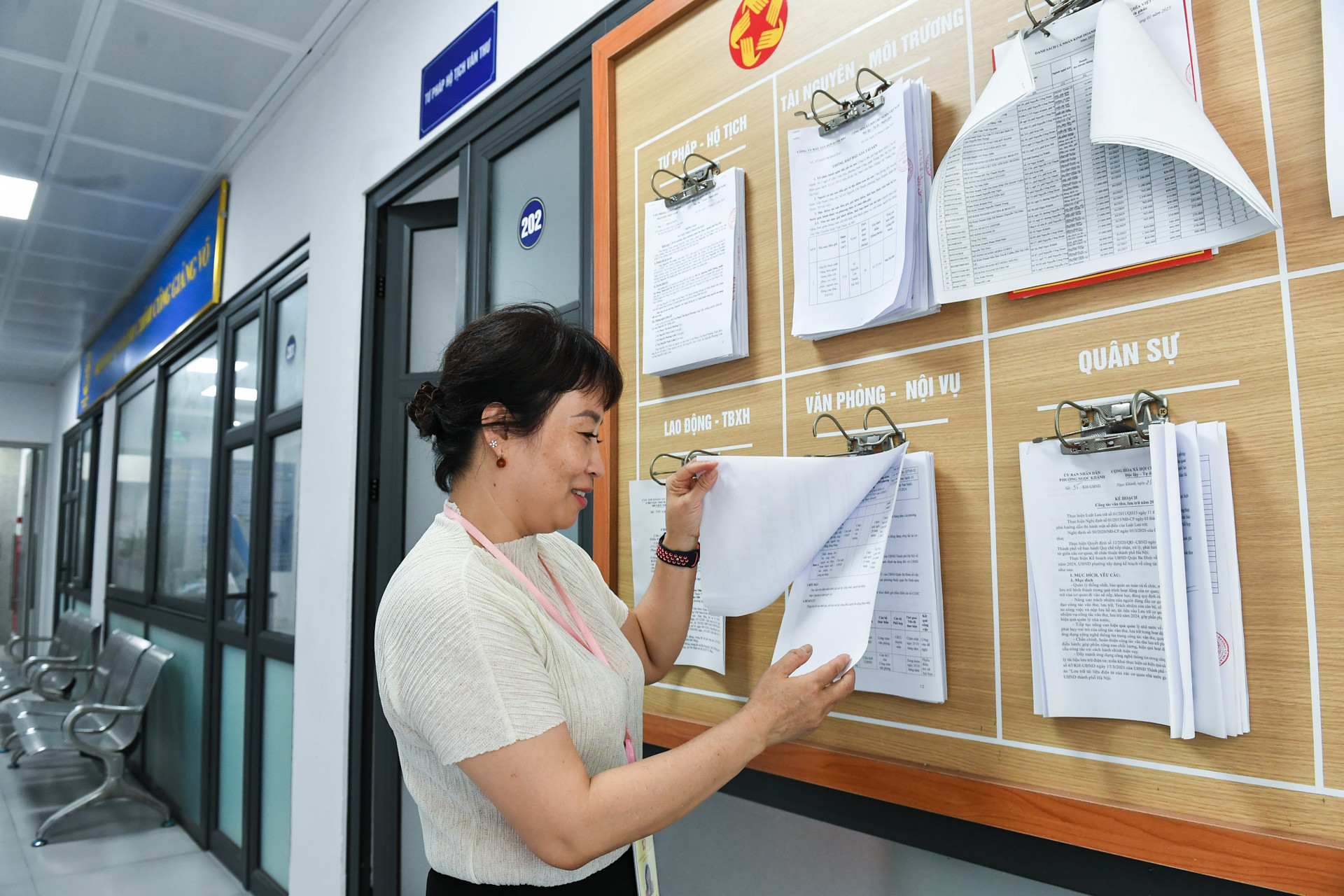
Under the new regulation, the Politburo will lead and direct the management of staffing levels as well as the number of employees whose salaries are funded through revenue-generating activities at public non-business units. Party committees, Party organizations, agencies and institutions are responsible for managing staffing and personnel in accordance with Party regulations and state laws.
The total staffing allocation for the political system will be determined on a five-year term basis and adjusted when necessary.
As a principle, staffing quotas and the number of personnel paid through partially self-financed public service units will be assigned by competent authorities each October. Allocations must correspond to functions, responsibilities, job positions, organizational scale, strategic importance and specific characteristics of each agency, organization, locality or unit.
The process must also support the ongoing restructuring of the political system toward a leaner, more efficient apparatus while promoting digital transformation across public institutions.
The Politburo has encouraged the implementation of a staffing quota mechanism linked directly to payroll fund allocations for agencies and organizations.
Conditions for staffing increases
At the same time, the Politburo stressed that increases in staffing quotas should only be considered when approved by the Party Central Committee, the Politburo, the Secretariat or other competent authorities. Such increases may apply in cases involving the establishment of new organizations, the addition of functions and responsibilities, expanded operational scale or workload associated with approved job positions, or when staffing levels fall below prescribed norms.
Staffing reductions will continue to be implemented in accordance with regulations or when organizations are dissolved, cease operations, experience reductions in functions and duties, or when public service units achieve higher levels of financial autonomy.
Authority and responsibility in staffing management
The regulation also clearly defines the authority and responsibilities of agencies and organizations involved in staffing management, including the Politburo, the Central Steering Committee for Staffing Management, agencies vested with staffing authority, and central-level Party and state institutions.
Specifically, the Politburo is responsible for leading and directing policies, tasks, solutions and regulations governing staffing management and personnel funded through public service revenues.
The Politburo will determine the overall staffing allocation and reserve staffing levels for the political system on a five-year basis and when necessary. It will also allocate staffing quotas to agencies authorized to manage personnel, approve conversions between civil servant and public employee positions, and decide on special mechanisms for staffing management and utilization by provincial and municipal Party committees.
In addition, the Politburo may delegate staffing management authority and oversight of personnel funded through public service revenues to designated agencies and organizations.
The Central Steering Committee for Staffing Management is tasked with advising the Politburo on policies, regulations, tasks and solutions related to staffing management, reserve staffing levels and special personnel mechanisms for provincial and municipal Party committees.
The committee is also responsible for directing implementation efforts and conducting inspections and supervision of Politburo decisions concerning staffing and personnel management.
Responsibilities of provincial and municipal Party committees
Standing committees of provincial and municipal Party organizations are responsible for leading and organizing the implementation of Party policies and state regulations on staffing and personnel management, including employees paid through public service revenues.
They are also tasked with assigning staffing quotas and personnel numbers for partially autonomous public service units.
Provincial and municipal Party standing committees may transfer staffing positions between government agencies and Party or mass organizations at the local level, provided the overall staffing quota assigned by competent authorities is not exceeded.
They are further responsible for managing personnel working for mass organizations entrusted with responsibilities by the Party and the State, ensuring compliance, efficiency and effective oversight.
In addition, provincial and municipal Party committees may report to the Central Steering Committee for Staffing Management, which will submit proposals to the Politburo regarding special mechanisms for staffing allocation, management and utilization in accordance with Politburo directives.
Tran Thuong
.svg)
