 Vietnamnet.vn

 Podcast



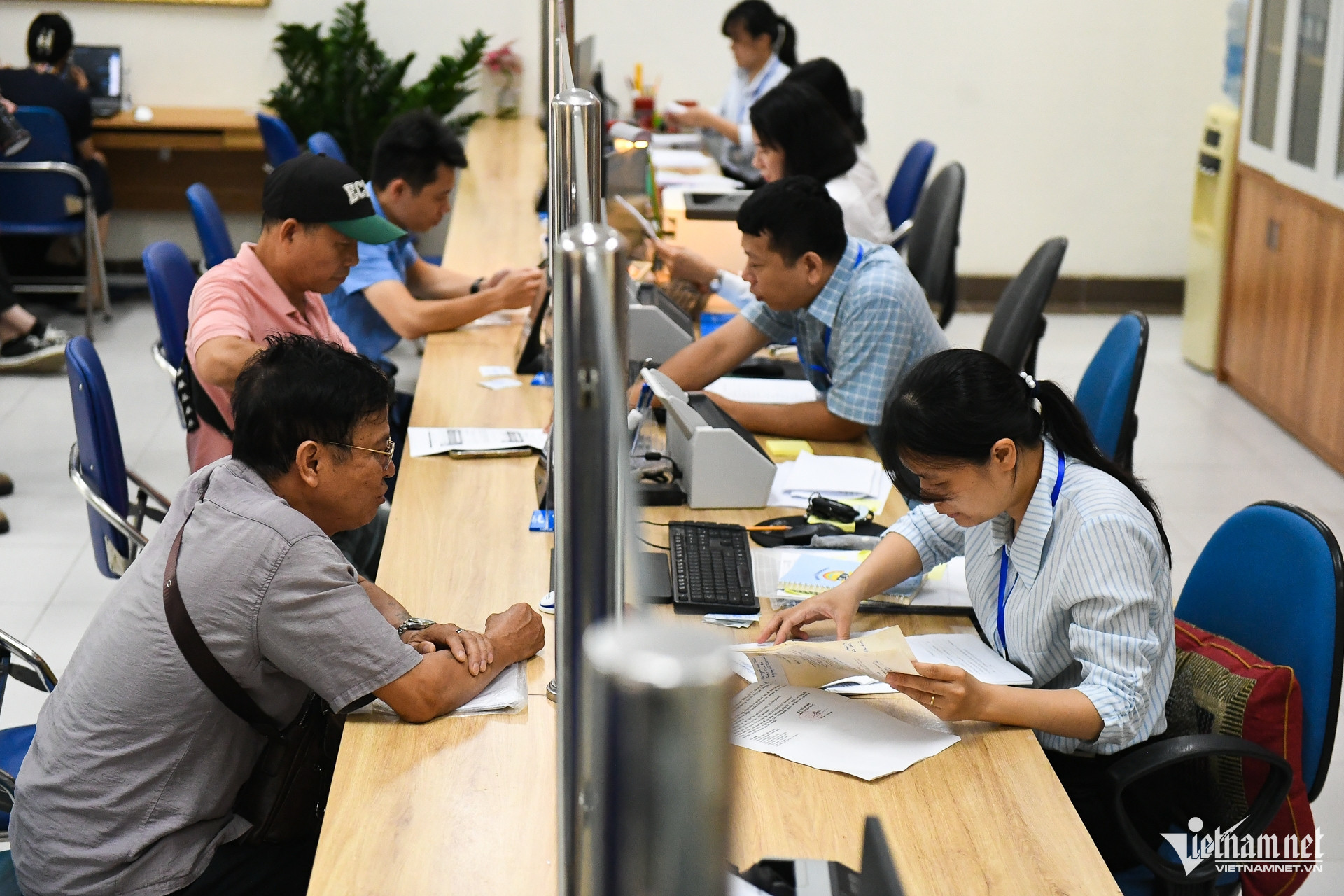
The latest report by the HCMC People’s Committee on the the Government’s action program to continue improving the socialist rule-of-law state of Vietnam in the new period shows that efforts to establish an urban governance model and two-tier local government system have delivered results.
However, the report notes that the “institutional jacket” remains too tight, particularly regarding grassroots budget autonomy and mounting staffing pressure.
Misalignment between policy and complex urban realities
The HCMC People’s Committee said the restructuring and consolidation of the organizational apparatus has been carried out urgently and seriously, with a focus on streamlining and ensuring effective operations. The city has implemented major policies linked to staff downsizing and wage reform, thereby mobilizing resources to spur economic growth.
At the city level, professional agencies under the People’s Committee no longer suffer from overlapping or duplicated functions and mandates.
At the grassroots level, the reorganization of administrative units has facilitated the building of a leaner, more effective urban government and commune-level administrations. Personnel arrangements and the settlement of benefits for redundant staff have been handled democratically and transparently, generating broad consensus.
State management effectiveness, administrative reform, and anti-corruption and anti-waste efforts have also seen positive changes. The supervisory role of the city People’s Council has been strengthened, while transparency and managerial autonomy have improved, ensuring the people's right to mastery.
However, the report admits that the rankings of administrative reform indices (PAR-Index, PAPI, PCI) did not reach the set targets. The lack of synchronization between the mechanism and complex urban reality is illustrated by the figure of 94 projects facing difficulties and obstacles (delayed progress, long-term backlogs, risk of loss and waste) that had to be put under specialized inspection.
Grassroots level shoulders massive workload
From July 1, 2025, HCMC officially completed the operation of the two-level local government model. The fact that communes and wards are no longer a budget level has caused difficulties and confusion in local budget management.
Meanwhile, the grassroots level is having to shoulder a massive workload as the city has issued 33 decisions on decentralization and authorization for about 410 tasks in 9 fields to departments, sectors, and communal-level People's Committees.
Despite implementing a city-wide streamlining (new HCMC) down to 168 communal-level administrative units, the grassroots apparatus (3,878 people in the Party and mass organizations block, 12,119 people in the government block, and 6,532 part-time activists) must endure increasing pressure as the total volume of administrative procedure files received has gradually increased compared to the previous year.
The city assessed that the consolidation of the organizational apparatus and staffing downsizing still have some shortcomings, and the quality and efficiency of training for officials, civil servants, and public employees generally do not yet match the requirements.
So, the HCMC People's Committee proposed that the Government recognize an administrative staffing quota consistent with reality, or allow the city to autonomously balance its total staff numbers based on its level of budget autonomy.
In addition, the City People's Committee proposed that the National Assembly issue a resolution to apply a number of specific mechanisms for a limited time during the stage of administrative unit rearrangement.
These include regulations on budget allocation and the simplification of procedures for auctions and the handling of redundant assets and headquarters.
At the same time, the city also proposed that the National Assembly Standing Committee allow adjustments for communal-level units with rapid urbanization rates and large populations when arranging them in the 2023-2030 period.
The city requested that the Ministry of Finance soon provide guidance on procedures for auctioning public assets and finalizing funds for the arrangement of administrative units. It also requested that the Government Inspectorate soon issue regulations on inspection sequences and the handling of legal violations regarding corruption prevention for businesses and organizations in the non-state sector.
Tran Chung
.svg)
