 Vietnamnet.vn

 Podcast



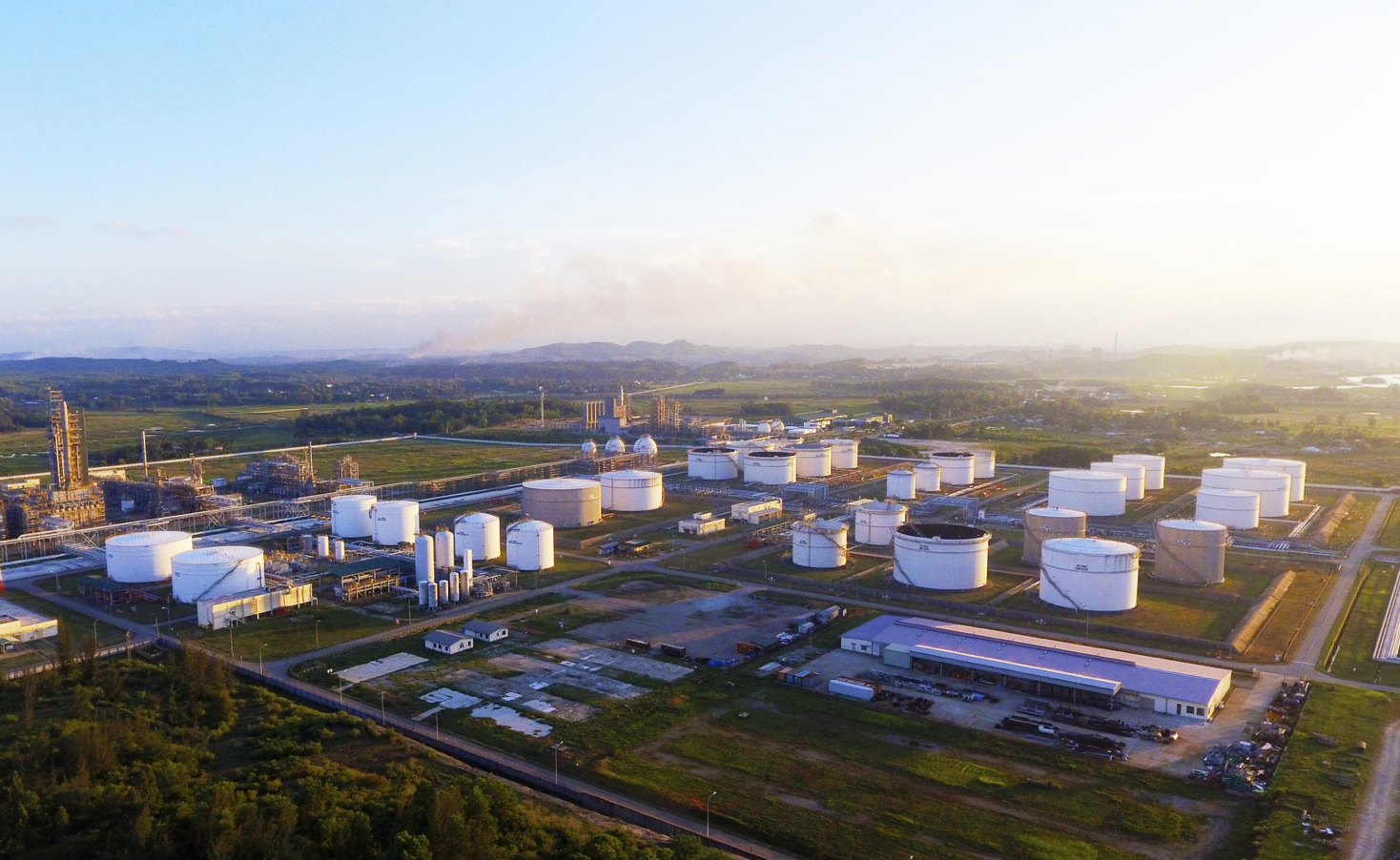
According to the ministry, escalating tensions in the Middle East have created what it described as the largest energy bottleneck to date, disrupting around 11 million barrels of oil per day and 140 billion cubic metres of gas.
This large-scale energy shock has pushed crude oil prices above US$100 per barrel, with spillover effects on inflation, import costs and global economic growth.
In Vietnam, the fuel market is facing dual pressure, as raw material supplies for production are disrupted while imports become more difficult due to export restrictions imposed by several countries in the region. Notably, input supply for the Nghi Son Refinery - which accounts for about 40% of domestic consumption - has been significantly affected.
In response, the Ministry of Industry and Trade has proactively developed response scenarios aligned with global market developments. Two policy approaches have been designed based on the potential duration of the conflict, allowing for flexible adjustments to minimise shocks to the domestic market.
Based on the ministry’s recommendations, the government has issued resolutions to optimise the fuel price adjustment cycle, avoiding sudden price spikes, while implementing fiscal measures such as reducing preferential import tariffs on fuel to 0% to support businesses in accessing supply amid tightening global markets.
At the same time, a range of coordinated solutions has been deployed, including boosting crude oil production, seeking alternative feedstock sources for the Nghi Son Refinery, increasing capacity at existing refineries and bringing ethanol and condensate plants into operation. These measures have played a crucial role in offsetting supply shortages and easing market pressure.
Fuel price management continues to be closely aligned with global market movements, with effective coordination between the Ministry of Industry and Trade and the Ministry of Finance.
The flexible use of the fuel price stabilisation fund has helped limit domestic price increases compared to global levels, thereby stabilising market sentiment and controlling inflation. Inspection teams have also been deployed nationwide to monitor the distribution system, ensuring adequate inventories and smooth circulation of goods.
As of March 24, domestic fuel supply remains largely secure. Output at the Dung Quat refinery has risen by 10.5%, ensuring production until early May, while the Nghi Son complex continues operations through the end of April.
Import activity has also recorded strong growth, playing an important role in stabilising supply.
According to the General Department of Customs, in the first 15 days of March alone, Vietnamese enterprises spent nearly US$492 million to import more than 533,000 tonnes of fuel, marking increases of 41.4% in volume and 89.2% in value compared to the same period last year. Cumulatively to March 15, total fuel imports reached nearly 2.71 million tonnes, with a value exceeding US$1.94 billion, up 42.6% year-on-year.
Statistics also show that by March 15, enterprises had spent US$1.44 billion to import 2.79 million tonnes of crude oil.
In total, over the past two and a half months, Vietnam has imported around 5.5 million tonnes of fuel and crude oil, an increase of 0.6 million tonnes compared to the same period in 2025.
Notably, despite significant pressure from global market fluctuations, domestic fuel price increases have been kept substantially lower than global levels. Prices of RON95-III gasoline and diesel have risen by 37% and 45% respectively, compared with global increases of 63.3% and 71.8%. As a result, Vietnam’s fuel prices remain at moderate levels and lower than those in several countries, highlighting the effectiveness of regulatory measures in cushioning external shocks.
In the coming period, the Ministry of Industry and Trade will continue to follow directives from the Politburo, the government and the Prime Minister, closely monitoring global developments to adjust policy scenarios accordingly. It will also propose further tax measures to help stabilise fuel prices, control inflation and maintain macroeconomic stability.
Tam An
.svg)
