 Vietnamnet.vn

 Podcast



Continuing the conversation with VietNamNet amid the ongoing 14th National Party Congress, Dr. Tran Dinh Thien - a member of the Prime Minister’s Economic Advisory Council - believes that Vietnam’s economy is entering a distinct new phase: a phase of “decompression.”
You said the most prominent feeling right now is one of “decompression.” What exactly do you mean by that, and why did you choose this image to describe Vietnam’s economy as it enters a new cycle?
Dr. Tran Dinh Thien: From an emotional perspective, looking at the current moment - the first year of a new development cycle, marked by bold ambitions - the long-term outlook is positive. Having lived through many ups and downs of this economy, what I sense most clearly right now is a state of “decompression.”
This is not merely a “breakthrough” in the conventional sense, but a decompression of development. After more than 40 years of Doi Moi reforms, the economy has accumulated enormous energy - yet much of it has also been held back by multiple bottlenecks. Sometimes, when we open up too quickly without enough space, new bottlenecks form right away. The current focus must be on releasing those constraints - even what I call the “bottlenecks of the bottlenecks.”
Decompression often comes with concern - about going too far, too fast. But when we let the economy “run and leap” in a way that encourages experimentation and creativity, its full strength can truly emerge and expand in a natural way. An economy that has been tightly constrained for too long cannot grow strong until it is truly freed.
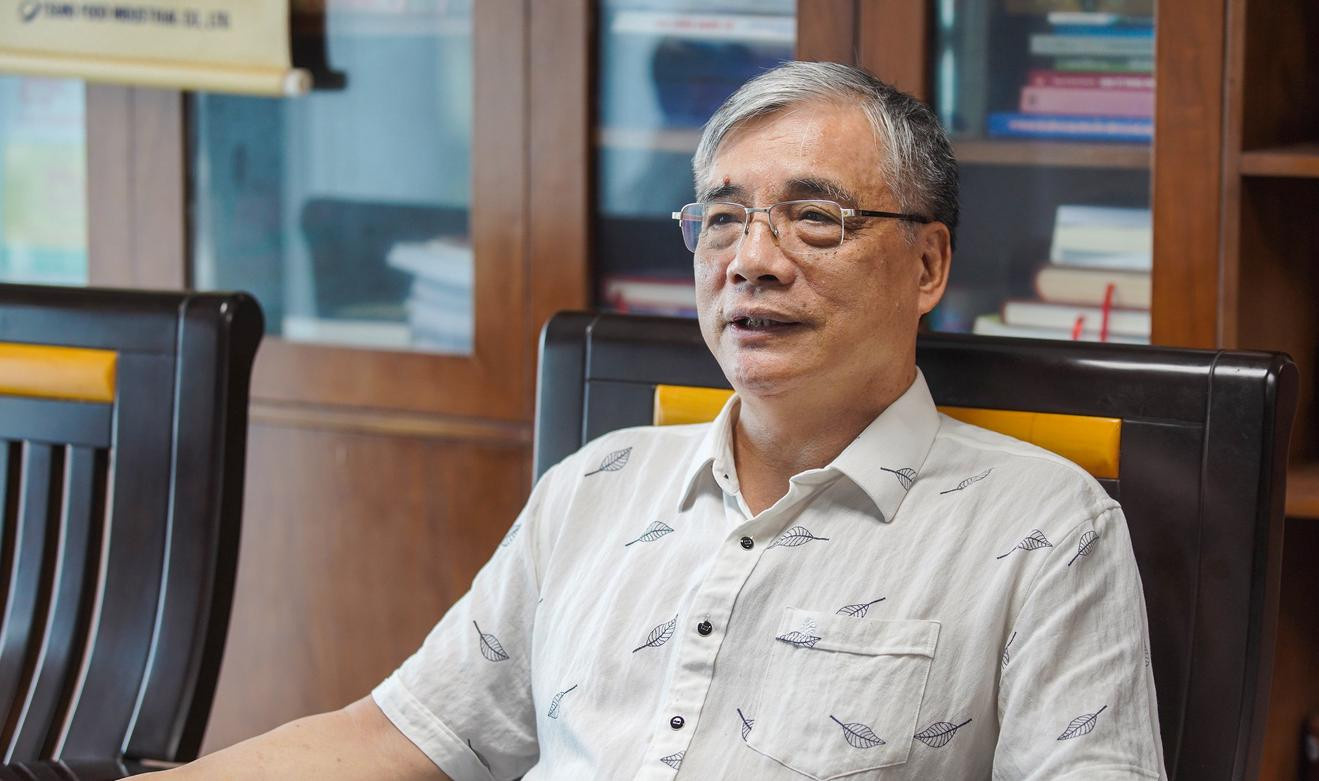
Tran Dinh Thien: The economy is entering a new growth cycle with bold ambitions and long-term positive prospects.
Decompression may sound like a story of markets and enterprises. Yet you emphasize that the State itself must also be “decompressed.” What exactly does that mean?
To decompress the economy, the State must first be decompressed. That means removing unnecessary constraints, and liberating institutional thinking and mechanisms. If the administrative apparatus is tightly bound by excessive fear and layers of bureaucracy, businesses will never be able to break through.
Given the current level of determination, there’s reason to believe this decompression process can be seen through - not just remain a slogan. But we must be candid: decompressing the State is not about tweaking a few procedures; it’s about fundamentally changing how the system operates.
The public’s trust in state institutions is directly tied to whether this decompression can truly happen. There are areas where people once had great confidence, but over time that trust has eroded. This sets a clear requirement: the apparatus must be seriously rectified, discipline must be restored, and citizens and businesses must not be subjected to more hardship or red tape.
A country cannot rise if it's constantly dragged back by sectoral or local vested interests. Overcoming these barriers is not easy - but it's a necessary step to ignite high, sustained growth.
The domestic sector still undervalued
Reflecting on more than 40 years of reform, you’ve pointed out a major shortcoming: the domestic sector has not been given due attention. What exactly do you mean by “equal conditions”?
I believe there’s still a deep imbalance in development, rooted in the fact that the domestic sector has not been adequately valued - while foreign enterprises enjoy clearer advantages.
In truth, foreign investors don’t necessarily need direct incentives. Vietnam’s extensive participation in free trade agreements already offers them structural advantages. Foreign companies don’t bear high interest rates, because they rarely rely on domestic loans. Nor do they shoulder high transaction costs. Their business environment is generally more stable - and that, in itself, is a form of incentive.
By that logic, we should be easing the burden on Vietnamese enterprises, creating a business environment that puts them on equal footing with foreign firms. At the very least, we must level the playing field, not place domestic businesses at a disadvantage.
Could you give a specific example?
The clearest one is interest rates. Vietnamese businesses cannot compete if they’re borrowing at 9–10%, or even 13–15%, while foreign companies access capital at just 5–7%, or lower. If we want domestic firms to rise, capital costs must be brought down to a more reasonable level.
On top of that are procedures, red tape, and transaction costs - all of which weigh heavier on Vietnamese businesses. If we can lower these costs, domestic firms will gain room to grow, invest, innovate, and compete more effectively.
The Central Party’s overarching direction in the coming period is to strongly support the domestic economy - creating a business environment that is favorable, fair, and aligned with the advantages currently enjoyed by foreign firms. And it should go further than that. Both sectors - which together form the Vietnamese economy - must be uplifted in parallel to meet modern global standards.
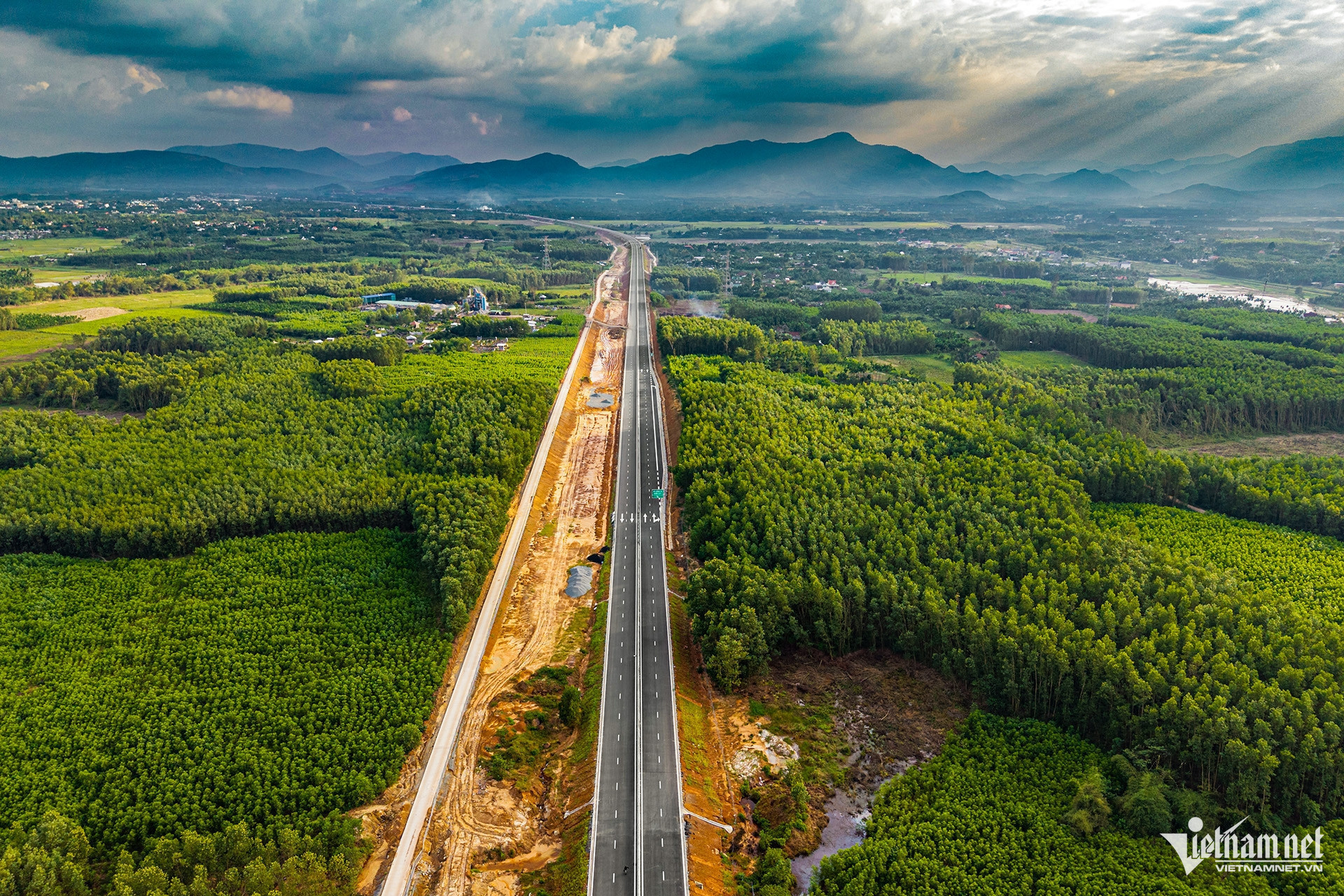
Major infrastructure projects launched in 2025 reflect Vietnam’s emerging national investment strategy.
Some worry that prioritizing domestic enterprises could be seen as neglecting foreign-invested firms (FDIs). How do you respond to that concern?
We need to understand the essence of the issue: if foreign businesses are enjoying a favorable environment, then domestic businesses must also be given comparable conditions.
This is not about “pulling down” FDIs - it’s about “lifting up” Vietnamese enterprises through equality and fairness. The goal is to create a better common ground for both sides.
I’d also add that many Asian countries have a very clear strategy: they don’t indiscriminately attract small and medium-sized foreign enterprises, because those often contribute little value and place a heavy burden on regulatory systems. Over the past 10–15 years, Vietnam has lacked a clearly defined approach in this regard, which has led to several unintended consequences.
A national investment strategy
Looking ahead to 2026, you mentioned that while challenges remain, there’s a clear sense of opportunity. What, in your view, is the greatest opportunity?
The most powerful growth driver we currently have is the effort to unblock stalled projects. As I’ve said, the scale of these projects is so vast, it’s difficult to fully quantify. Even unlocking a portion of them would generate a significant impact on growth.
More importantly, this is not just about rescuing old projects. It’s about identifying and eliminating irrationalities in the current mechanisms and procedures. Once these bottlenecks are recognized and addressed, they won’t reappear in new projects. Future developments can then move faster, more smoothly, and more efficiently - avoiding the cycle of “unblocking one just to get stuck on the next.”
Recent experience - especially in the housing sector - shows that when the government takes firm action and reviews each project individually, a great deal of procedural inefficiency becomes visible. Summarizing these roadblocks helps pave the way for a more open and functional regulatory framework. This is precisely the spirit that the General Secretary has repeatedly emphasized.
In this context, “effectiveness” must be seen as a vital engine for growth in the coming period - just as important as injecting new capital. Framing it this way is entirely reasonable.
Alongside efforts to curb waste, how do you assess the national investment strategy that is taking shape through recent large-scale projects?
The numerous groundbreakings and launches of major projects in 2025 show that Vietnam is already shaping a national investment strategy centered around large-scale developments. If these are implemented in a coordinated manner over the next five years, they will generate clear and powerful growth momentum.
What’s particularly notable about this approach is that it mobilizes private capital - which accounts for roughly 70–80% of total investment - while public investment contributes only 20–30%. This ratio underscores the increasingly central role of the private sector. And that forms the foundation for sustainable medium-term growth.
Additionally, a comprehensively connected transport infrastructure will drastically reduce logistics costs. At present, logistics expenses in Vietnam account for 17–18% of GDP. Reducing that by just 1–2% would yield an economic effect equivalent to adding 1–2% to GDP.
You’ve also warned about the risks of “injecting capital the old way.” What is the biggest danger there?
Injecting capital the old way - while other necessary conditions remain unprepared - exposes the economy to significant risks. If all we do is promote slogans like “focusing capital on key infrastructure,” we ignore the reality that these “locomotives” are still lacking essential elements: supporting infrastructure, human resources, regulatory frameworks, and governance capacity.
It’s like a powerful train engine with no wheels or no conductor. So along with channeling resources, we must also ensure the full set of enabling conditions is in place.
Empowerment must come with protection
You’ve emphasized the importance of “empowering for creativity,” but also insisted that empowerment must be paired with safety mechanisms. Where is the real sticking point?
The central government has created a great deal of room for localities to be proactive. When things are difficult, local authorities are encouraged to propose and act. This is the right spirit: empowering innovation, without being confined to old templates.
But empowerment must come with protection for those who execute. If people are empowered without being protected, no one will dare to act - in which case, empowerment is meaningless. Protecting those entrusted with responsibility is the duty of the State, of the central government. It cannot be left to local authorities or businesses to fend for themselves amid the risks.
Businesses need low and stable interest rates
Interest rates are a pressing issue. You’ve said the hardest part isn’t just cutting rates, but achieving a sustainably lower rate environment. Why?
Lowering interest rates for certain groups in the short term, as a kind of “emergency rescue,” is necessary. But if we only offer short-term relief, then return to high long-term interest rates, the core strategic problem remains unsolved.
What Vietnamese businesses - the vast majority of which are small and fragile - really need is a low, stable, long-term rate environment. That would allow the entire business community to benefit, to plan strategically, and to compete on equal footing when it comes to capital costs.
Currently, Vietnam’s average interest rates are still much higher than in many other countries. The question is: how do we bring them down? This must be approached with care. Fundamentally, it requires bold and determined intervention from the State.
We also need to understand interest rates in cyclical terms. When the money supply tightens quickly, a gap immediately appears between savings and credit demand. That gap forces interest rates up - it’s a natural market response. We shouldn’t panic or react with fear, because that only leads to instability.
Do you have any specific proposals for lowering interest rates without repeating past mistakes?
Given that the national budget is currently relatively robust, the government can absolutely use fiscal tools to support interest rates for businesses.
For example, the State could subsidize 1–2 percentage points of interest for the banking system - on the clear condition that commercial banks lower lending rates across the entire economy, with no discrimination among borrowers, for a set period of two to three years or longer. After that, continue reducing rates further in stages, depending on circumstances. This would gradually align Vietnam’s interest rate levels with global norms.
Once this lower rate environment becomes firmly established, budget support can be phased out, depending on the strength of the economy and the needs of Vietnamese businesses. The key point is to help domestic enterprises escape the burden of excessive capital costs so they can compete. Only the State can do this - we cannot expect banks to bear that role, because banks are also businesses.
I understand the Ministry of Finance has reservations when it comes to interest rate subsidies - past programs didn’t always produce good results. That concern is valid. But if we remain paralyzed by fear and don’t dare to design a fundamentally new mechanism, then the issue of high capital costs for Vietnamese firms will remain unsolvable.
From a technical and economic standpoint, nothing is impossible. The real challenge often isn’t technical - it lies in mindset, in the level of determination and readiness to act.
What are the structural bottlenecks to medium-term growth?
First is land. This is a major risk. Land is a national asset, but also a key development input - a form of investment capital, as Karl Marx defined in Das Kapital. The problem is, we haven’t yet transformed land according to the modern trend - from a “national-territorial asset” into a “market resource” that serves as capital for economic actors. Property rights remain inadequately defined by market principles.
Second is capital. It’s still extremely difficult for businesses to raise capital. Public investment may be disbursed aggressively, and capital flows may circulate, but private sector capital formation in Vietnam lags behind all other productive sectors - while capital into speculative sectors grows fast. This creates risk and becomes a major bottleneck. Credit conditions and collateral requirements remain full of barriers. The capital market must be seen as the true “lifeblood” of the economy. And if blood doesn’t flow, the body cannot thrive.
We talk a lot about “market-based land pricing.” But in practice, that often means speculative prices, not true market values. As a result, land prices are distorted from the outset, and pricing mechanisms deviate from market principles. The State already has powerful tools - taxes and fees - to curb speculation. Sadly, they haven’t been used effectively. If we simply accept inflated prices at a given moment - especially when driven by manipulation - as “true market prices,” we’re at risk of falling into a speculative trap.
Third is human resources and education. Human capital must be transformed - and that requires genuine educational reform. This isn’t about tweaking language or making technical adjustments. It demands a fundamental shift in educational philosophy: away from a passive, rote-learning system that imposes knowledge, toward a liberal education that provides dynamic knowledge and fosters independent, creative thinking.
Encouraging open debate and expanding space for creativity must be core functions of education - especially in today’s age of intelligence and innovation.
Another crucial point: we must now see human intelligence and artificial intelligence (AI) as one integrated whole. Creative human minds must be closely linked with AI. Among all technologies, AI is the one closest to human cognition - a kind of embodiment of human intelligence itself. If our education system doesn’t integrate and synergize human and artificial intelligence, we’ll slow ourselves down, waste intellectual capital, and ultimately weaken the economy.
That is Vietnam’s absolute opportunity - in this era of rising and standing shoulder to shoulder with the world.
Tu Giang - Lan Anh
.svg)
